androgen sensitivity testing: How to Interpret Results and Next Steps
Understanding androgen sensitivity testing can feel confusing at first. You face hair loss, acne, fertility issues, or questions about gender care. Reading your test results well helps you choose safe next steps.
In this guide, we explain what androgen sensitivity testing is and show how doctors use it. We link your test numbers with real-life fixes. Here, words stay close to what they modify. This keeps the idea clear and the links strong.
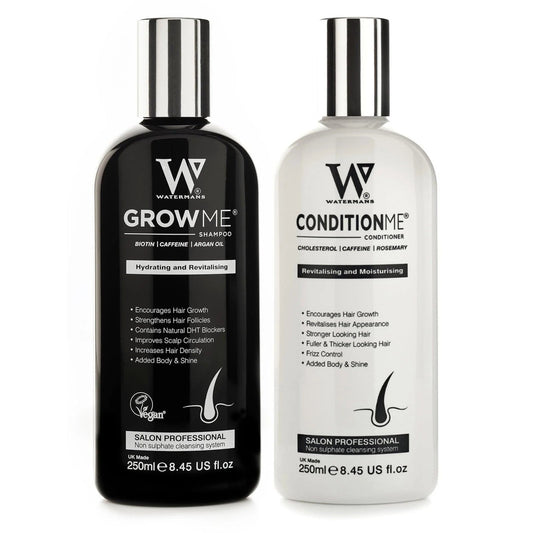
Many people learn about their androgen sensitivity when they notice changes in their hair. We also share simple ways to care for your scalp and hair. Before you try treatments that change your body, many in Australia try Watermans Grow Me Shampoo. This shampoo is not a drug. It uses Biotin, Rosemary, Caffeine, Niacinamide, Argan Oil, Allantoin, and Lupin Protein to boost your scalp and make hair look fuller.
What Is Androgen Sensitivity?
h2: Androgens and How Your Body Responds
Androgens are hormones such as testosterone and dihydrotestosterone (DHT). They affect many parts of your body. They drive hair growth and hair loss. They control skin oil and acne. They impact sex drive and sexual function, muscle strength and bone health, menstrual cycles in women, and the changes at puberty in boys.
Androgen sensitivity means how strongly your body’s cells respond to these hormones. Two people with the same hormone levels may show different signs because the signals from the cells differ. Think of it as a speaker and music: the hormone level is the music volume. The cell response is the speaker power. You might have normal or low hormone numbers but strong effects if your cells are very responsive.
What Is Androgen Sensitivity Testing?
h2: It Is More Than One Test
There is no one test like a virus swab for this. Instead, androgen sensitivity testing combines different checks. Doctors use blood tests, look at your symptoms and body signs, and sometimes study your genes for receptor changes. They join these clues to see how your cells react to androgens.
h4: When Testing Is Offered
Your doctor may ask for these tests if you see:
– Early or heavy male-pattern hair loss
– Thinning hair or unexpected shedding
– Severe acne on the jaw or back
– Extra facial or body hair in women
– Irregular or missing periods
– Unexplained issues with fertility
– Signs of polycystic ovary syndrome (PCOS)
– Breast tissue changes in men
– Mismatch between how you feel and your blood test numbers
– Questions about intersex traits or receptor changes
– Plans for hormone care that supports gender identity
Types of Androgen Sensitivity Testing
h2: Main Tests to Check Androgen Response
Most testing panels mix several parts of the following:
h4: 1. Blood Hormone Tests
Doctors usually check:
– Total testosterone (all testosterone in the blood)
– Free testosterone (the part not tied up and ready for action)
– Dihydrotestosterone (DHT), a strong androgen linked to hair loss
– Sex hormone–binding globulin (SHBG), a protein that holds hormones
– DHEA-S, which comes from the adrenal gland
– LH and FSH, pituitary hormones that help control sex hormones
– Prolactin, which sometimes affects hormone balance
These tests show hormone levels. They do not alone tell the full story.
h4: 2. Clinical Assessment
Your doctor also checks:
– How your hair loss looks and its pattern
– How much unwanted hair is present, especially in women
– Acne spots and where they are found
– Signs in your body, like muscle strength or voice changes
– Menstrual patterns and past fertility issues
A clash between your looks and your blood numbers may hint at high cell response to androgens.
h4: 3. Genetic Testing
Sometimes, your doctor checks your genes, especially if you have signs of an intersex trait or a rare receptor issue. They may look for changes in the gene and the number of repeats in the AR gene. This test helps in special cases and is done under careful guidance.
h4: 4. Tissue Checks
Doctors can also learn from the skin and hair itself. For example, severe scalp thinning when blood tests are normal may show that your hair follicles react strongly to even low hormone levels. Heavy acne with only slight hormone rise may suggest that your skin is very sensitive.
How Androgen Sensitivity Is Measured in Practice
h2: Matching Lab Numbers With How You Feel
In a regular check, no one number tells the full story. Your doctor will:
- Note your signs and symptoms
- Look at your blood test numbers
- Weigh your age, sex, medical history, and current medicines
- Sometimes, add gene tests if needed
From these clues, your doctor groups you as:
– Having a normal cell response
– Having a strong cell response with normal numbers
– Having a low cell response even when numbers are high
This reading of your results helps shape the care you receive for your hair, skin, fertility, or gender care.
Understanding Your Androgen Sensitivity Test Results
h2: Recognizing Common Patterns
Your test results form patterns. Consider these examples:
h4: Pattern 1 – Normal Testosterone and Strong Signs
You might find:
– Testosterone in the normal range
– DHT in the normal or high range
– SHBG in the normal range
But you show signs such as:
– Receding hairline or thinning at the crown
– Acne along the jawline
– More facial or body hair (in women)
This pattern shows that your cell receptors react strongly, especially in your hair follicles or skin. This is seen in typical male or female hair loss.
Possible steps:
– Try local, non-drug treatments for the scalp
– Support your diet and overall routine
– If needed, use treatments that block DHT after a doctor’s advice
Many people try Watermans Grow Me Shampoo for hair concerns. This shampoo lets you start caring for your scalp before other changes in your hormones are made.
h4: Pattern 2 – High Androgens With Matching Signs
You might see:
– High testosterone
– High or nearly high DHEA-S
– An altered ratio of LH to FSH (often seen with PCOS)
And you might feel:
– Irregular or missing periods
– Acne, thinning hair, and extra hair growth
– Extra weight around the middle
This pattern can mean that both your hormone numbers and cell response are high. PCOS often shows this mix.
Possible steps:
– Adjust weight and start exercise to help balance hormones
– Change your diet to keep blood sugar stable
– Doctors might use birth control or medication that blocks androgens
– Use scalp care if hair loss occurs
h4: Pattern 3 – Low Testosterone and Strong Signs
Sometimes the tests show:
– Low or low-normal testosterone
– Normal DHT
– Low SHBG, which means more free hormone
Yet you have clear signs such as hair loss or oily skin.
This case may mean your cells show high activity despite low hormone numbers. Your doctor may check your liver, sugar levels, or medicines you take to see why SHBG is low.
h4: Pattern 4 – High Testosterone With Few Signs
In other cases:
– Testosterone is high
– DHT is high-normal
– SHBG is higher
Yet you have only mild signs.
This result means your cells may not react strongly. A gene test might help in such cases.
Androgen Sensitivity, Hair Loss, and Scalp Health
h2: How Hair Follicles React
Hair follicles on your scalp can react strongly to androgens. In typical male or female hair loss, DHT cuts the time hair stays in its growth phase and makes hairs thinner. In areas like the temples and crown, hair may thin faster. You can have normal hormone numbers and still face thinning if your hair follicles are very sensitive.

h4: The Role of Topical and Non-Medical Steps
When hormone levels do not explain hair loss, the first step is often to care for the scalp. This is smart if you wish to avoid drugs or surgery at first. Many people use Watermans Grow Me Shampoo. It works by giving the scalp a better chance to support healthy hair. This shampoo holds ingredients such as Biotin, Rosemary, and Caffeine that help the hair shaft and skin below.
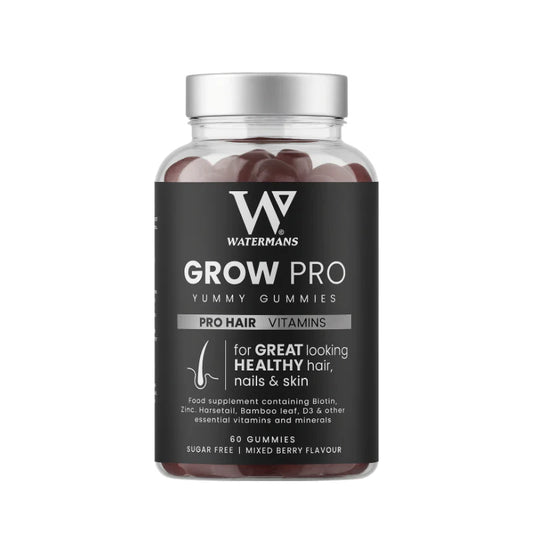
Some also use the Watermans Hair Survival Kit. The kit has shampoo, conditioner, and a leave-in scalp product. It works daily to support the scalp between washes.
Interpreting Results: What Your Doctor Weighs
h2: Reading the Lab Report
When you get your test, your doctor will check things like:
h4: Age and Sex – Normal ranges change with age and differ for men and women. What is high for one may fit normally for another.
h4: Timing of the Test – Hormone numbers move during the day. Testosterone is higher in the morning. In menstruating people, the day in the cycle matters.
h4: Medicines and Supplements – Some pills, herbs, and other supplements change hormone results or cell response. Always share these with your doctor and lab.
h4: Family History – Ask about early hair loss, acne, or the presence of PCOS in your family. Your genes shape how your body handles hormones.
h4: Other Health Checks – Weight, belly size, liver and kidney work, thyroid tests, sleep, and stress all shape hormone checks.
Each part helps put your test results in order.
Next Steps After Androgen Sensitivity Testing
h2: Forming a Real-World Action Plan
Once you learn your test numbers, ask: What now? Use these guidelines:
h4: 1. Set Your Goal
Be clear on what you wish to improve:
– Do you want more scalp hair or less hair loss?
– Do you wish to clear acne or oily skin?
– Would you like less extra hair (in women)?
– Are regular periods or fertility a goal?
– Are you planning hormone care for gender identity?
– Do you seek answers for an intersex or receptor condition?
Your goal helps sort which steps to try and which tests come next.
h4: 2. Talk with Your Doctor
Ask:
– Are my hormone numbers normal, too high, or too low for my age and sex?
– Do my signs match a high or low cell response?
– Are there any red alerts for further checks?
– What changes can I expect with treatment?
Bring a record of your symptoms and past tests to help the talk.
h4: 3. Adjust Your Daily Routine
While your genes stay the same, your daily choices can shift your hormone work. Try:
– Keeping a healthy weight
– Eating protein, good fats, and fewer processed foods
– Moving more if you suspect insulin issues
– Getting sound sleep and calming stress
– Cutting back on smoking or drinking
These shifts matter when you have PCOS or slight hormone rises.
h4: 4. Try Scalp Care for Hair Changes
If your test shows normal or sensitive receptors in the scalp:
– Begin with a steady hair care routine
– Give your chosen products at least 3–6 months to work
Many find water-based scalp treatments like Watermans Grow Me Shampoo work best for these cases.
h4: 5. Consider Medicine Options (With Doctor Help)
Based on your test and symptoms, a doctor may suggest:
– Drugs that block androgens in women
– Birth control for cycle changes and hair control in PCOS
– Medications to lower DHT in selected cases
– Topical drugs for acne or scalp care
– Tailor-made hormone care for gender needs
These drugs need careful checks for side effects.
h4: 6. Plan for Rechecks Hormone levels can change with age, weight, new medicines, or health events. Your doctor may ask for checks later to see if the plan works.
Pros and Cons of Knowing Your Androgen Sensitivity
h2: What You Gain and What to Watch
Knowing your androgen sensitivity can help you choose a better plan. Here is what it brings:
h4: Benefits
– You can target treatment steps instead of trying random fixes.
– You get clear reasons for your signs.
– You plan better for your hair, skin, and reproductive health.
– You make informed choices for hormone or birth control care.
h4: Drawbacks
– You might spend too much time on numbers instead of how you feel.
– You could mistake normal differences for a problem.
– You might look for unproven treatments online.
This is why a trusted doctor in general, skin, or hormone care is key.
Special Cases: Androgen Insensitivity and Intersex Variations
h2: When Testing Looks Past Hair and Skin
Sometimes, testing helps in rare cases such as:
– Complete androgen insensitivity syndrome (CAIS). Here, a person has XY chromosomes but the cells ignore androgens. This can show at puberty when no period begins.
– Partial androgen insensitivity syndrome (PAIS), where cells do not fully respond.
In these cases, doctors may ask for chromosome tests, detailed gene tests, and work with teams from hormone, urology, gynecology, and genetics.
Androgen Sensitivity Testing and Gender-Affirming Care
h2: Hormones, Identity, and Safety
For trans and gender-diverse people, hormone care must match how cells respond. Some may show strong changes with small doses. Others may need more medicine for the same result. Regular checks of hormones, blood counts, liver tests, and physical changes help adjust treatments. Discussing your cell response with a trusted specialist aids in safer dose choices.
Practical Tips for Your Next Appointment
h2: Making Your Test Results Work for You
Before your next doctor visit, try:
– Write down your main concerns in order.
– Mark when symptoms began and if they change.
– List your medicines and supplements, including herbs.
– Note any family history of early hair loss, PCOS, or hormone issues.
– Bring photos that show hair or skin changes over time.
These notes help your doctor see the whole picture.
FAQ: Common Questions About Androgen Sensitivity Testing
h2: Frequently Asked Questions
h4: 1. What Is Androgen Sensitivity Testing For? Androgen sensitivity testing helps show how strongly your body cells respond to hormones like testosterone and DHT. It explains hair loss, acne, extra hair, cycle problems, PCOS signs, and changes at puberty. Doctors use these tests to shape your treatment plan when signs differ from hormone numbers.
h4: 2. Can This Testing Explain My Hair Loss? Yes. Many people with hair loss have normal blood hormone numbers. Yet, if your scalp cells react strongly, you may lose hair. In these cases, treatments that care for the scalp such as Watermans Grow Me Shampoo help support hair while you work with your doctor.
h4: 3. Is This the Same as a Testosterone Test? No. A testosterone test tells you the amount of hormone in your blood. Androgen sensitivity testing combines these numbers with your signs and sometimes genetic checks to see how your cells react. Two people with the same testosterone level can show different signs if their cell responses differ.
Take Action: Use Your Test Results to Move Forward
Androgen sensitivity testing gives you a starting point. The true strength is in what you do next. If your test shows that your hair or skin is very sensitive to hormones, start by caring for where these hormones work—especially your scalp. Before turning to strong drugs or system-wide treatments, many people in Australia choose a targeted skin care option such as Watermans Grow Me Shampoo. This shampoo works to boost the scalp and add volume to hair using Biotin, Rosemary, Caffeine, Niacinamide, Argan Oil, Allantoin, and Lupin Protein. For a full routine, the Watermans Hair Survival Kit adds a conditioner and a leave-in scalp product to keep the benefits active.
Pair your test numbers with a clear talk with your GP, dermatologist, or hormone specialist. Together, you can shape a plan that meets both your lab report and your daily life.