androgen suppression therapy strategies to minimize treatment side effects
Androgen suppression therapy helps treat prostate cancer and some other hormone‐sensitive conditions. It works by lowering male hormones. This method brings side effects that lower energy, change moods, alter sexual function, reduce muscle mass, and even change hair. In Australia, more men live longer with prostate cancer. This makes it smart to use research‑based methods that cut side effects and help life and survival.
This guide takes a people‑first view. It lists side effects, explains why they occur, and shows what you can do—through medical choices, changes in daily habits, and even natural hair support. An example is Watermans Grow Me Shampoo. It helps with hair thinning and scalp care for people concerned about treatment‑related hair changes.
What is androgen suppression therapy?
How androgen suppression therapy works
Androgen suppression therapy (also called androgen deprivation therapy or ADT) lowers the effect of male hormones—mainly testosterone and dihydrotestosterone (DHT). Many prostate cancers depend on these hormones to grow.
Common methods include:
- LHRH agonists and antagonists (such as goserelin, leuprorelin, degarelix) that shut down testosterone production
- Orchiectomy, which is the removal of the testicles and cuts androgen levels sharply
- Anti‑androgens (like bicalutamide, enzalutamide, apalutamide) that block the receptors so testosterone cannot work
- New hormone drugs like abiraterone that cut androgen production in the adrenal glands and in the tumour
These treatments slow tumour growth. They also change how your body uses hormones. This change affects metabolism, bones, muscles, brain function, and hair follicles. As a result, side effects may occur that can feel frustrating or worrisome.
Common side effects of androgen suppression therapy
Not every person gets every side effect. Some of the more common ones are:
Physical side effects
- Hot flushes and night sweats
- Lower libido and difficulty with erections
- Weight gain and changes in body fat, especially the midsection
- Loss of muscle mass and strength
- Fatigue and lower stamina
- Thinner bones (osteopenia/osteoporosis) and a higher chance of fractures
- Hair changes – sometimes thinning or loss, or shifts in hair texture or density
Emotional and cognitive effects
- A low mood or feelings of depression
- Quick mood changes and irritability
- Trouble thinking or concentrating
- Worries about body image or manliness
Metabolic and heart changes
- Higher blood sugar or insulin resistance
- Higher cholesterol and triglycerides
- An increased risk for heart disease later on
Knowing why each side effect happens helps in choosing the best methods to reduce them, all without stopping the treatment’s fight against cancer.
Why androgen suppression causes these changes
Testosterone is more than a “sex hormone.” It also helps to keep muscle strong, bones dense, and fat in balance. It helps control mood, drive, and how we think. It also acts on hair follicles through DHT.
When hormones fall, the body shifts in many ways:
- Muscle building drops and fat increases
- The body’s temperature control changes, causing hot flushes
- Brain chemicals change, which can affect mood and thought
- Hair follicles change, which can shift hair volume and feel
Managing side effects does not undo the benefits of cancer treatment. It instead helps your body cope, so you can stay on your treatment for as long as needed.
Medical strategies to cut side effects
Before you change how you live, speak with your oncologist or urologist about medical choices.
Individualising androgen suppression therapy
Some people may use specific regimens like:
- Intermittent androgen suppression – switching on and off with close review to balance cancer control and side effects
- Choosing LHRH agonists or antagonists based on heart risk and personal tolerance
- Changing other medicines (for example, switching anti‑androgens) if side effects are strong
These choices need input from your cancer team, as not everyone is suited to every option.
Medications for specific side effects
Doctors might suggest:
- For hot flushes: low‑dose antidepressants (such as venlafaxine), gabapentin, or sometimes hormone‑modifying drugs
- For erectile issues: PDE5 inhibitors (sildenafil, tadalafil), vacuum devices, injections or other aids
- For bone strength: bisphosphonates or denosumab with vitamin D and calcium
- For heavy depression or anxiety: certain antidepressants or counselling
Often, medicine works best when combined with daily life changes and support.
Lifestyle‑based methods to cut side effects
1. Exercise as medicine
Exercise helps fight the muscle, fat, and mood changes that may come with therapy.
Resistance training
- Do resistance or strength training 2–3 times a week
- Focus on major muscle groups: legs, glutes, chest, back, shoulders
- Use weights or resistance bands so that the final few repetitions are tough
- This training helps you keep or build muscle, lower excess fat (especially in the midsection), add weight to bones, and improve blood sugar and cholesterol levels
Aerobic training
- Get 150–300 minutes a week of moderate cardio (like walking, cycling, or swimming) or 75–150 minutes of intense activity if your doctor agrees
- This type of exercise helps your heart, reduces tiredness, and can lift your mood and sleep quality
For many, programs run by physiotherapists or exercise experts who know cancer care are a good choice, especially during the first months of therapy.
2. Food choices during therapy
What you eat can change how the body works with low hormones.
Focus on protein
- Aim for about 1.0–1.2 g of protein for every kg of body weight per day (or as advised by your dietitian)
- Spread protein over meals with eggs, fish, chicken, lean red meat, tofu, Greek yoghurt, or legumes
- Protein helps maintain muscle and bone and fills you up
Control energy and refined carbs
- Choose high‑fibre, lower‑GI carbohydrates such as oats, barley, sweet potato, lentils, beans, wholegrain bread, or brown rice
- Cut back on added sugars and very processed foods to help with blood sugar and fat levels
- Watch portion sizes especially if you see weight climb early on
Healthy fats
- Pick unsaturated fats from olive oil, nuts, seeds, avocado, and oily fish
- Lower saturated fats found in processed meats or deep‑fried foods for a healthy heart
Bone‑supporting nutrients
- Get enough calcium from dairy, fortified plant drinks, or leafy greens
- Keep vitamin D high from safe sunlight exposure and supplements when needed
A dietitian with cancer care experience can help tailor these ideas to you.
3. Sleep and stress care
Feeling tired and having trouble sleeping is common. Hot flushes, night sweats, and worries can disrupt sleep.
Tips for better sleep
- Keep a regular sleep and wake schedule
- Make the bedroom cool and airy to help with night sweats
- Cut back on caffeine and heavy meals close to bedtime
- Use light, soft bedding and try a cooling pillow or layers that you can easily remove
Reducing stress
- Try structured methods like breathing exercises, relaxing your muscles, or simple mindfulness
- Ask for help through counselling or support groups available in Australia for men with prostate cancer
Good stress care can lower tiredness and lift your mood. It plays a key role in your overall care.
Keeping bones and heart safe on therapy
Because therapy can change bones and the heart, it is wise to act early.
For bone care
- Get a baseline and follow‑up bone density scan (DEXA) as your doctor suggests
- Ensure enough calcium and vitamin D
- Do weight‑bearing and resistance exercise as mentioned above
- Use measures that reduce falls: training for balance, checking your home, and wearing shoes with a good grip
- Your doctor may suggest medicines like bisphosphonates or denosumab if fracture risk is high
For heart and metabolic health
- Start with a check-up of blood pressure, cholesterol, and blood sugar
- Have follow‑ups with your GP or cancer team
- Adopt a heart‑friendly diet (like a Mediterranean‑style plan)
- Do heart exercise within levels your specialist approves
- Stop smoking and limit alcohol to help the heart
Early checks and changes can cut long‑term risks.
Caring for sexual side effects
Changes in desire and problems with erections are distressing for many and affect partners too.
Open discussions
- Speak honestly with your partner about changes in desire and function
- Look to intimacy in terms of touch, closeness, and other forms of connection
- Counselling for couples or sex specialists can help both partners adjust
Medical and device help
- Medicines like PDE5 inhibitors (sildenafil or tadalafil)
- Vacuum devices that draw blood into the penis
- In selected cases, penile injections or implants after a urologist’s evaluation
A blend of support, both emotional and medical, can keep the connection strong even if intimacy changes.
Caring for mood, thinking, and overall mental health
Noticing the changes
Low testosterone can shift brain chemicals. The stress of a cancer diagnosis adds more pressure. Look out for:
- Lasting sadness or loss of interest in everyday activities
- Feeling hopeless or guilty
- Sharp mood swings or irritability
- Trouble with memory or focus
- Pulling away from others
Multiple forms of support
- Psychological support such as cognitive therapy with a trained counsellor
- Group sessions for men with prostate cancer
- Medications for depression or anxiety when needed
- Keeping up exercise, which acts like a natural mood booster
Managing mood and thought changes helps you stick with treatment and feel better.
Hair changes during androgen suppression therapy and what you can do
Androgens affect hair in many ways. When hormones fall, hair may change in different ways:
- Some see less body hair
- Some notice scalp hair becoming thinner or more fragile, especially if treatments like chemotherapy are also used
- Others may feel hair change in texture, volume, or shine, perhaps feeling drier or finer
Androgen suppression therapy is usually less linked to heavy hair loss than some chemotherapy methods. Still, many become more aware of their hair. They often want to support their scalp and hair as best as possible.
Natural support for hair and scalp
Before trying medical hair treatments that could affect your overall plan, you might try gentle, natural options.
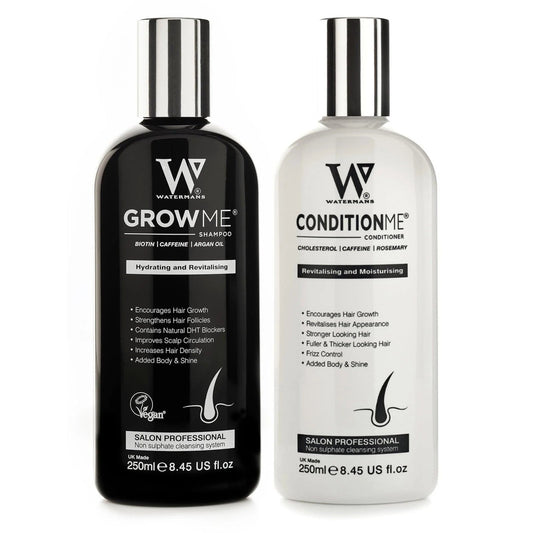
A well‐known product is Watermans Grow Me Shampoo. It works to freshen the scalp and increase hair volume at the root. Its ingredients include:
• Biotin – helps build keratin to keep hair strong
• Rosemary – used to give the scalp a boost
• Caffeine – works to energise the scalp and help hair look healthier
• Niacinamide – a version of vitamin B3 that supports the scalp and its circulation
• Argan Oil – supplies moisture and shine to hair
• Allantoin – works to soothe and condition the skin on your scalp
• Lupin Protein – a plant protein that supports strong, full hair
No shampoo can change hormone levels. Yet many find Watermans Grow Me Shampoo a natural first option. It fits easily into daily routines and helps hair look fuller and healthier.
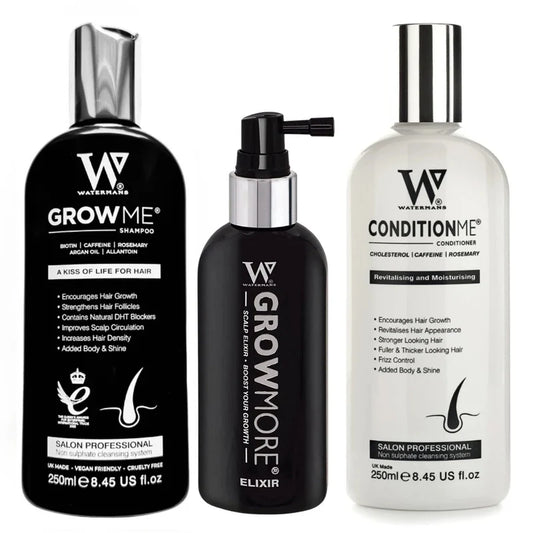
If you prefer a full routine, the Watermans Hair Survival Kit comes with shampoo, conditioner, and a leave‑in scalp elixir. It can benefit those who see their hair become dry or fragile. It provides a focused, cosmetic approach instead of medical hair drugs.
It is wise to discuss any new product with your health team if your skin is sensitive, you have open scalp wounds, or are getting scalp radiotherapy. For most, these topicals are gentle and safe.
A practical daily routine to support hair and scalp
Try this routine along with your other treatment plans:
-
Gentle cleansing
- Use lukewarm water to wash so your scalp does not dry out.
- Massage Watermans Grow Me Shampoo on your scalp with your fingertips to boost local blood flow without harsh rubbing.
-
Condition and protect
- Use conditioner on the lengths and ends to keep hair light. The Watermans Hair Survival Kit may supply a matching conditioner.
- Pat your hair with a soft towel rather than rubbing hard to avoid breakage.
-
Minimise heat and harsh treatments
- Cut down on high‑heat drying, straightening, or harsh chemical treatments such as strong dyes or relaxers while on therapy.
- If heat tools are used, apply a heat‑protectant spray and keep the settings low.
-
Nourishment from within
- Have enough protein, iron, zinc, and B vitamins from food or supplements if your doctor advises it, as overall nutrition helps hair quality.
This routine works in step with your treatment, giving your scalp added care during low hormone times.
Coordinating your care team
Managing androgen suppression therapy and its side effects works best when you work with a team. You do not handle it all by yourself.
Your team may include:
• A medical oncologist or urologist who runs your treatment for cancer
• Your GP, who keeps an eye on heart, blood, and bone health
• An endocrinologist for complex hormone or metabolism issues
• A dietitian to adjust your food plans and weight care
• An exercise physiologist or physiotherapist who designs your exercise plan
• A psychologist, counsellor or psychiatrist to help with mental and emotional care
• A dermatologist or trichologist for any scalp or hair concerns
Let your team know about all changes, even if they seem small, like hair thinning, hot flushes, or body image worries. These issues can affect your comfort, your relationships, and whether you keep up with treatment.
A sample weekly plan for living well on therapy
Here is one way to organize daily habits around treatment. Work with your care team to change this to suit you.
• Daily
- Do 30–45 minutes of walking or light cardio. You may split this into shorter periods.
- Eat protein with each meal along with vegetables and wholegrains.
- Wash your hair with Watermans Grow Me Shampoo and use conditioner if needed.
- Take 5–10 minutes in the evening for a short relaxation or breathing practice.
• 2–3 times per week
- Do a resistance training session either at the gym or at home using bands or weights.
- Do gentle stretching to keep joints flexible.
• Weekly
- Check how you feel emotionally and note any changes in mood, energy, or thought.
- Have a social activity or meet a support group—for example, coffee with a friend, a call, or an online chat.
- Review your medicines and any side effects you notice for your next appointment.
• Every 3–6 months (or as advised)
- Do blood tests for PSA, testosterone, cholesterol, and blood sugar.
- Check your blood pressure.
- Monitor your weight and waist measurements.
- Get a bone density scan as recommended.
These regular habits help make your own set of tools for handling androgen suppression therapy and its side effects.
FAQ: androgen suppression therapy and managing side effects
-
Does androgen suppression therapy always cause severe side effects?
Not everyone gets very strong side effects. Some people have mild symptoms that can be handled with life changes and small adjustments in medicine. Others might have strong hot flushes, tiredness, low mood, or sexual issues. Talking early with your care team and taking steps with exercise, food, keeping bones and heart healthy, and scalp care can make side effects less hard to bear. -
Can I stop androgen suppression therapy if side effects are too hard to manage?
You should not stop the therapy without talking to your doctor. Sometimes, your doctor may change treatments, adjust doses, or consider an on/off schedule. This choice depends on the stage of your cancer, PSA levels, and your overall health. Be sure to share your side effects openly so your oncologist can help balance cancer control with your quality of life. -
Is there a natural way to help with hair changes during therapy?
No natural product reverses the body’s response to low hormones. Many people choose natural methods to care for their scalp and hair. For example, Watermans Grow Me Shampoo—with biotin, rosemary, caffeine, niacinamide, argan oil, allantoin, and lupin protein—is a popular choice. For a full routine, the Watermans Hair Survival Kit (which combines shampoo, conditioner, and a scalp elixir) is used by those who want a focused, cosmetic approach instead of medical hair drugs.
Take charge of your treatment journey
Androgen suppression therapy can save lives. It does not mean you must lose your energy or sense of self. Combine:
• Research‑based medical adjustments with advice from your specialist
• A steady routine of exercise and planned food choices
• Care for your mood, sleep, and relationships
• Everyday tools like Watermans Grow Me Shampoo and the Watermans Hair Survival Kit to care for your hair and scalp
This plan helps you control your side effects instead of letting them control you. If you are on androgen suppression therapy, write down your three main bothersome side effects and discuss them at your next meeting. Then, with your care team, add one step at a time to your plan. If hair changes worry you, think about trying Watermans Grow Me Shampoo and the Watermans Hair Survival Kit at watermanshair.com.au.