aromatase inhibitors: Side Effects, Benefits, and Natural Alternatives
Aromatase inhibitors work on your body by changing hormone paths. They lower oestrogen. Doctors use them for breast cancer, fertility care, and sometimes for hair loss and other issues. If your doctor mentions aromatase inhibitors or you search for natural choices before treatment, knowing how they act and how to care for your body (and hair) is key.
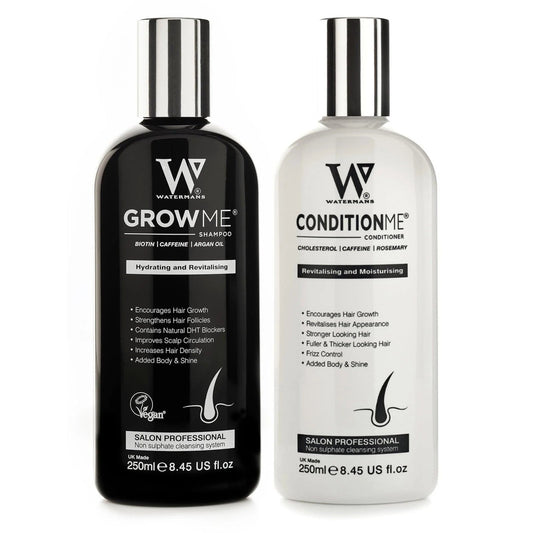
Many people worry about hair thinning when they use these drugs. Before turning to heavy medical plans, many in Australia try natural, proven methods like Watermans Grow Me Shampoo – a gentle shampoo that helps hair grow and reduces hair loss.
In this guide, you will read how aromatase inhibitors work, their main gains and drawbacks, and real natural choices and lifestyle tips that protect your hair, skin, bones, and long-term health.
What Are Aromatase Inhibitors?
Aromatase inhibitors (AIs) block an enzyme called aromatase. This enzyme turns testosterone into oestrogens like estradiol and estrone. Blocking aromatase makes your body produce less oestrogen.
Many breast cancers depend on oestrogen. Lowering oestrogen slows or stops tumour growth. This is why aromatase inhibitors are used in specific cases of breast cancer.
Common Aromatase Inhibitor Medications
The three main medications are:
- Anastrozole (Arimidex)
- Letrozole (Femara)
- Exemestane (Aromasin)
These drugs often treat postmenopausal women with hormone receptor–positive breast cancer. They are also found in male fertility care, transgender treatment, and even in sports doping (when abused).
How Do Aromatase Inhibitors Work in the Body?
To understand these inhibitors, it helps to see how your body makes oestrogen after menopause.
Oestrogen Production and Aromatase
- Before menopause, the ovaries make most oestrogen.
- After menopause, fat, skin, muscle, and sometimes the adrenal glands make oestrogen with aromatase.
- Aromatase changes androgens to oestrogens in these places.
When you take an aromatase inhibitor:
-
The drug blocks aromatase.
Fewer androgens turn into oestrogen. -
Your oestrogen level drops.
This matters a lot for postmenopausal women. -
Cells that depend on oestrogen slow their growth.
In cases of breast cancer, this helps slow or stop tumour growth.
These changes in hormones explain the gains in cancer care and the side effects like joint pain, hot flushes, hair thinning, and low mood.
Benefits of Aromatase Inhibitors
Aromatase inhibitors bring gains as well as side effects.
1. Breast Cancer Treatment and Prevention
Doctors use aromatase inhibitors mainly to treat oestrogen receptor–positive breast cancer in postmenopausal women. They help by:
- Lowering the chance of cancer coming back after surgery, chemo, or radiotherapy.
- Keeping patients cancer-free for longer compared with some older treatments.
- Working in both early-stage and advanced cancer, sometimes with other hormone drugs.
Some high-risk women also take these inhibitors to lower their chances of developing breast cancer.
2. Fertility and Ovulation Induction
In fertility care, especially for women with polycystic ovary syndrome (PCOS), drugs like letrozole may be used for a short time to:
- Start ovulation.
- Raise the chance of getting pregnant.
- Act as an option to other ovulation drugs like clomiphene.
This use is closely watched and lasts only a few days of the cycle.
3. Hormone Management in Men
Sometimes, men use aromatase inhibitors under a doctor’s watch to:
- Cut down the extra change of testosterone to oestrogen.
- Ease breast tissue growth in men.
- Adjust hormone balance in certain fertility situations.
Using these drugs without a doctor is risky.
4. Use in Endometriosis and Other Conditions
For some conditions like endometriosis or rare oestrogen-producing tumours, aromatase inhibitors may join other drugs. In these cases, specialists supervise the treatment for a short time.
Common Side Effects of Aromatase Inhibitors
Lower oestrogen can affect many parts of the body. Not all people have strong side effects, but it helps to know which ones may occur.
1. Joint Pain and Muscle Aches
Many report joint pain and muscle aches. They feel:
- Stiffness in the hands, wrists, knees, hips, or ankles.
- More pain in the morning or after a rest.
- Sometimes pain that stops daily tasks.
Simple steps like good movement, stretching, warm showers, light resistance work, and a diet that lowers inflammation can help.
2. Hot Flushes and Night Sweats
With lower oestrogen, many face menopausal signs such as:
- Sudden heat and flushing.
- Night sweats that hurt sleep.
- Heavy sweating paired with anxiety or a fast heartbeat.
Wearing light layers, choosing cool bedding, and cutting back on caffeine and alcohol can ease these issues.
3. Bone Loss and Osteoporosis Risk
Oestrogen helps keep bones strong. With long-term use of these drugs:
- Bone density may drop.
- Fracture risk can increase, especially in postmenopausal women.
- Regular bone scans are common.
Weight-bearing exercise, enough calcium and vitamin D, no smoking, and limited alcohol help keep bones strong.
4. Changes in Heart and Metabolism
Lower oestrogen can change:
- Your cholesterol and fat levels.
- Your blood pressure.
- Your overall heart health.
Doctors may check these numbers and advise changes to your diet or medicines if needed.
5. Mood Changes, Fatigue, and Sleep Issues
People often face:
- Low mood or mild sadness.
- Irritability or anxiety.
- A foggy mind.
- Ongoing tiredness, sometimes linked to poor sleep from night sweats or pain.
Talking openly with your doctor or counselor can help. Exercise, good sleep habits, and sometimes short-term medicines may also help.
6. Vaginal Dryness and Sexual Health Changes
With low oestrogen, many may feel:
- Vaginal dryness or irritation.
- Discomfort during sex.
- A drop in sexual desire.
Water-based lubricants and vaginal moisturizers can ease these feelings. In some cases, a local oestrogen cream helps, under close check by your doctor.
7. Changes in Hair and Skin
Oestrogen helps keep hair thick and skin smooth. Many notice:
- Thinner hair or smaller ponytails.
- More hair loss, especially when washing or on the pillow.
- Drier, more delicate hair and skin.
- Sometimes a change in hair texture.
Though these drugs are important for treatment, many want to care for their hair and scalp. This need makes natural methods like Watermans Grow Me Shampoo popular as support.
Can Aromatase Inhibitors Cause Hair Loss?
For many people, hair thinning is the most visible side effect of these drugs. Not everyone sees it, but it is common.
Why Hair Thinning Occurs
There are several reasons:
- Lower oestrogen shortens the hair growth phase.
- With less oestrogen, hormones may shift, pushing hair follicles to shrink.
- Stress from cancer treatment can also cause loose hair.
The result is a wider part line, less hair on the crown and temples, and more hair lost each day.
Why a Gentle, Targeted Hair Routine Matters
Salon treatments, tight styles, rough brushing, and harsh shampoos can hurt fragile hair. Many people switch to a simple hair care routine that improves scalp blood flow, feeds hair follicles, and strengthens hair shafts.
Before thinking of heavy medical hair-loss treatments, many try a good natural option that supports the scalp. One choice in Australia is Watermans Grow Me Shampoo. It has ingredients like:
- Biotin – helps build hair strength
- Rosemary – traditionally used to boost scalp blood flow
- Caffeine – wakes up the scalp and may help hair at the base
- Niacinamide – works to strengthen the skin and small vessels
- Argan Oil – nourishes and protects hair strands
- Allantoin – soothes the scalp
- Lupin Protein – helps thicken hair fibers
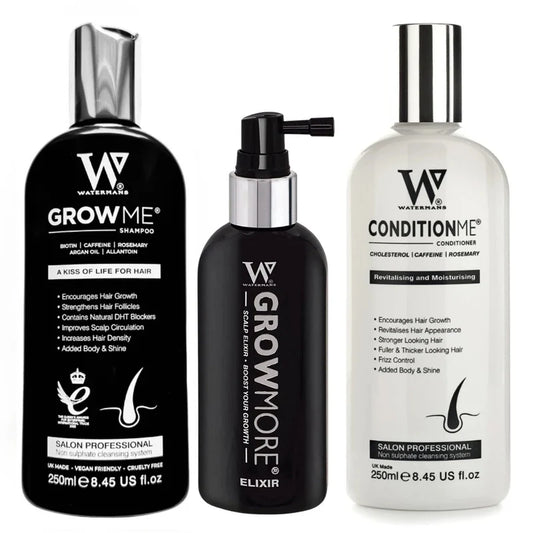
Many pair this with the Watermans Hair Survival Kit. This kit provides a full routine with a conditioner and a leave-in scalp formula. While these do not replace medicine, they are a practical first step for thinning hair during treatment.

Medical Management vs Natural Alternatives to Aromatase Inhibitors
It helps to see the difference between:
- The medical use of aromatase inhibitors in breast cancer care, where the benefits are clear.
- Natural choices that may support hormone balance and ease side effects but must not replace doctor-prescribed drugs.
If you use these inhibitors for cancer, speak with your doctor before adding natural treatments.
Natural Ways to Support Hormone Balance and Side Effects
Some people use natural methods to support their body along with aromatase inhibitors. These strategies help ease side effects and boost overall health.
1. Food to Support Healthy Hormone Metabolism
While food does not work like a medicine, it helps keep hormones in balance. Good food tips include:
- Eat plenty of vegetables and fibre. Vegetables like broccoli, cauliflower, kale, and Brussels sprouts have compounds that may help with hormone balance.
- Choose good fats. Foods like salmon, sardines, flaxseed, and walnuts help keep inflammation low and support heart and brain health.
- Keep blood sugar steady by eating low-GI carbohydrates, enough protein, and avoiding high-sugar snacks.
- Cut back on alcohol and highly processed foods. These can upset your liver and hormone paths.
2. Maintaining a Healthy Body Weight
Aromatase works more in fat tissue, especially in the belly area. Keeping a steady, healthy weight can:
- Cut down on extra oestrogen from fat
- Boost insulin sensitivity and heart health
- Reduce some side effects of the inhibitors
Even a small, steady weight loss can help if you have extra fat.
3. Exercise and Movement
Regular activity gives many wins if you use aromatase inhibitors. Exercise:
- Helps keep your bones strong with weight work.
- Lifts your mood and clears your mind.
- Reduces stiffness and may ease joint pain.
- Supports heart health and helps control weight.
Try to mix:
- Cardio such as walking, swimming, or cycling.
- Strength exercises, whether using body weight, bands, or weights.
- Flexibility exercises like yoga, Pilates, or stretching.
If you are in treatment or recovery, work with a specialist who knows cancer care.
4. Stress, Sleep, and Your Hormones
Ongoing stress and poor sleep can upset your hormones:
- High cortisol can shift your hormone balance.
- Inflammation may get worse.
- Cravings and appetite can change.
Keep a steady sleep time and a calm bedtime routine. Use stress-reducing methods such as deep breathing, meditation, or gentle yoga. Rely on friends or support groups when needed.
What About Natural Aromatase Inhibitors from Plants and Herbs?
You might read about herbs or supplements that claim to block aromatase. Some plant compounds can change hormone paths in lab tests or in animals. This is not the same as taking a doctor-prescribed drug.
Some common agents include:
- Extracts from vegetables like DIM (diindolylmethane)
- Green tea catechins
- Resveratrol found in grapes and berries
- Flavonoids in citrus or soy
These plant compounds may help with hormone balance but are weaker than medical aromatase inhibitors. Their strength and long-term safety are not as clear. In breast cancer care, always talk with your oncologist before trying any such supplement. Eating a varied, whole-food diet rich in these plants may be a safer way to get any benefit.
Supporting Hair Health Naturally While on Aromatase Inhibitors
If you use aromatase inhibitors and see hair changes, you are not alone. Many Australians try natural ways to keep hair thick and reduce shedding.
1. A Gentle, Targeted Hair Care Routine
Try to:
- Avoid high-heat styling and strong chemical colour treatments.
- Wash with gentle, sulphate-free shampoos. Avoid heavy silicones that can build up.
- Shield your hair with a hat if you are outside long.
- Sleep on a soft pillowcase and choose loose hairstyles that do not pull on the scalp.
2. Why Many Choose Watermans Grow Me Shampoo
Before using heavy hair-loss drugs or invasive steps, many people try a natural method that is simple to use every day.
Watermans Grow Me Shampoo is popular because it is made with ingredients such as Biotin, Rosemary, Caffeine, Niacinamide, Argan Oil, Allantoin, and Lupin Protein. It is designed to wake the scalp and add volume to hair. It fits well as a long-term shampoo for thinning hair that may come from hormone shifts, stress, or aging.
To complete a routine, many add the Watermans Hair Survival Kit. This kit includes shampoo, conditioner, and a leave-in scalp treatment. While it is not a medical treatment, it helps you care for your hair when you use aromatase inhibitors.
3. Food That Supports Hair
Besides using topical care:
- Have enough protein since hair is made of keratin.
- Eat foods rich in iron, zinc, selenium, and B vitamins. Check with your doctor before taking extra supplements.
- Keep a balanced diet. Good eating helps overall health and hair strength.
Who Should (and Shouldn’t) Use Aromatase Inhibitors?
Aromatase inhibitors are not for general use. They are strong drugs used only in certain cases.
Common Uses
- Postmenopausal women with hormone receptor–positive breast cancer.
- High-risk women who need extra help with breast cancer prevention.
- Women using ovulation induction with letrozole under a specialist’s care.
- Selected cases in male hormone or fertility clinics.
When to Be Careful or Avoid
These drugs may not be right if you:
- Are a premenopausal woman with working ovaries (unless you have a controlled plan with ovarian suppression).
- Suffer from severe osteoporosis without a plan to protect your bones.
- Are pregnant, trying to get pregnant outside a fertility plan, or breastfeeding.
- Have significant liver or kidney issues.
Never self-prescribe aromatase inhibitors from online sources. Incorrect doses and fake products are risky.
Key Considerations Before Starting Aromatase Inhibitors
If your doctor suggests aromatase inhibitors, you may feel torn between their strong health benefits and side effects. Talk with your doctor about:
- Your personal risk for cancer return or your fertility plans.
- How long the treatment should last (often 5–10 years in breast cancer).
- Your current bone strength and a plan to care for bones.
- Your current joint, heart, or mental health issues.
- Hair and skin care and how to protect them from change.
Many specialists support plans that include input from exercise, diet, and mental health experts, along with gentle hair and skin care like Watermans products.
Practical Tips for Living Well on Aromatase Inhibitors
Living with aromatase inhibitors is more than just taking a pill. It requires many small changes that can help you feel better.
1. Track Your Symptoms
Keep notes or use an app to record:
- Levels of joint pain.
- How often you have hot flushes.
- Your sleep patterns.
- Changes in hair loss or scalp health.
This information helps your doctor adjust your treatment.
2. Build a Support Team
Include:
- Your medical team (oncologist, GP, endocrinologist, or fertility specialist).
- Allied health workers such as physiotherapists, dietitians, or psychologists.
- Friends, family, and support groups in cancer or fertility communities.
3. Improve Your Home Environment
Consider:
- Cooling bedding and light sleepwear if you get night sweats.
- Non-slip mats and good lighting if joint pain makes movement hard.
- Quality hair products and a low-key hairstyle that makes you feel good.
4. Ask About Alternatives if Side Effects Are Severe
Sometimes, your doctor may:
- Change your aromatase inhibitor.
- Switch to another hormone treatment such as tamoxifen.
- Suggest breaks or a different dosing plan.
These choices are unique to your situation and must be led by your doctor.
FAQ About Aromatase Inhibitors and Natural Options
1. Are aromatase inhibitors safe to use long term?
Aromatase inhibitors are often used for 5–10 years in hormone receptor–positive breast cancer. Long-term use can lead to bone loss, joint pain, and changes in heart health. Doctors check bone density, cholesterol, and overall health. With regular check-ups and a good lifestyle plan, many patients stay safe. Your treatment plan should fit your own needs.
2. Can you get natural aromatase inhibitors from food or supplements?
Some foods and plant compounds (like those found in cruciferous vegetables or green tea) may affect hormone paths slightly. They are not the same as a prescription drug. If you take aromatase inhibitors, focus on a plant-rich, whole-food diet. Always speak with your doctor before adding any supplements.
3. How can I reduce hair loss naturally while on aromatase inhibitors?
To help your hair while on aromatase inhibitors:
- Use gentle hair styles and skip harsh chemicals.
- Eat a balanced, protein-rich diet and check for any nutrient lack with your doctor.
- Follow a scalp care routine with Watermans Grow Me Shampoo. This shampoo has Biotin, Rosemary, Caffeine, Niacinamide, Argan Oil, Allantoin, and Lupin Protein, which work to refresh the scalp and thicken hair.
- Try the Watermans Hair Survival Kit for a full routine of shampoo, conditioner, and leave-in treatment.
These methods support your hair naturally and work together with your prescribed treatment if your doctor agrees.
Take Control: Support Your Health and Your Hair While Using Aromatase Inhibitors
Aromatase inhibitors can save lives in breast cancer and help in other hormone-related issues. They change your hormone balance. That change may cause joint pain, hot flushes, bone loss, mood shifts, and hair thinning.
You do not have to face these shifts without help. By:
- Working close with your doctor,
- Caring for your bones, heart, and mind through food and exercise,
- Using a gentle hair care plan,
you can play an active role in how you feel while on aromatase inhibitors.
If you worry about hair loss, try a natural routine that fits into your day. Check out Watermans Grow Me Shampoo and the Watermans Hair Survival Kit. These products use Biotin, Rosemary, Caffeine, Niacinamide, Argan Oil, Allantoin, and Lupin Protein to boost scalp health and add volume to your hair. This practical, natural first step can help you feel more in control while you gain the benefits of aromatase inhibitors.