bicalutamide hair loss: Causes, Prevention, and Best Treatment Options
Bicalutamide can cause hair loss. You take it for one health reason. Then you see hair on the drain or pillow. You may use it for prostate cancer, gender care, or a hormonal condition. This guide explains the science behind the hair loss. It gives steps to slow the loss and shows treatment options available in Australia. The guide puts your needs and scalp care first.
What Is Bicalutamide and How Does It Affect Hair?
Bicalutamide is an anti‐androgen medicine. It blocks hormone receptors. It cuts the effects of testosterone and DHT. You may use it for:
• Prostate cancer
• Gender hormone care (especially in transfeminine care)
• Other cases that need less androgen
How Hair and Hormones Connect
Hormones affect hair growth. Here are some links between them:
• Androgens like DHT can shrink hair follicles. This link can lead to pattern hair loss.
• Testosterone and its change to DHT matter for scalp and body hair.
• Oestrogen and progesterone help hair grow longer.
Bicalutamide blocks these hormones. Some expect it to slow hair loss. Still, people do see more hair fall. There are several reasons why this happens.
Does Bicalutamide Truly Cause Hair Loss?
Bicalutamide’s link with hair loss is not clear. The medicine is not a main cause of fixed hair loss. Some people do get extra hair shedding as hormones change.
Ways Bicalutamide Can Lead to Hair Loss
-
Telogen Effluvium (Stress‐Linked Shedding)
A strong shift in the body can move hairs from growth to rest. This change causes more hair to fall out a few months later. A new dose or change in bicalutamide may trigger this. -
Interaction With Other Medicines
Bicalutamide comes with other drugs (for example, GnRH analogues or oestrogen therapy). Some of these also relate to hair thinning. -
Reduced Nutrients or Appetite
Illness or hormonal change can lower your appetite. Low iron, vitamin D, or protein can add to hair shedding. -
Hidden Genetic Hair Loss
When hormones change, a pre‐existing pattern of hair loss may show up. The thinning areas then become more visible. -
Stress and Illness
The mind feels stress when illness or life changes occur. The hair can feel this stress and shed more.
Bicalutamide and Various Hair Changes
Not everyone sees the same effects. Here are the patterns to notice.
Diffuse Shedding vs. Patterned Thinning
• Diffuse shedding: Hair comes out all over the scalp. You see less volume and a thinner ponytail. There may be no clear bald spot.
• Patterned thinning: The hairline may recede or the crown may thin. This link goes with genetic hair loss.
Both patterns can occur on bicalutamide, but the causes are different.
Scalp Hair vs. Body Hair
Bicalutamide blocks androgens. Some see less body hair (chest, back, or face). Scalp hair may grow thicker if miniature follicles recover. Sometimes, the scalp sheds a bit more before it grows back.
For those undergoing transfeminine care, less body hair is a goal. The scalp may go through a period of loss before regaining strength.
Who Is Most Likely to See Hair Loss on Bicalutamide?
Hair changes can affect anyone. Some people notice more than others.
1. Family History of Hair Loss
If parents or siblings have pattern hair loss, your hair follicles may be sensitive. A shift in hormones may speed up a hidden trend.
2. Those in Intensive Cancer Care
For prostate cancer, treatments may include:
• Bicalutamide
• Other hormone-lowering drugs
• Radiotherapy or chemotherapy
The stress from these treatments may add stress to the hair.
3. People With Low Nutrient Levels or Chronic Illness
If you have low iron, low vitamin D, thyroid problems, or an autoimmune condition, your scalp may be at risk.
4. Those Under Deep Stress
Stress from hard life events, poor sleep, or weight loss can worsen hair shedding. The follicles are sensitive to overall stress.
Early Signs of Bicalutamide Hair Loss
Watching early signs is smart before the loss gets worse.
Look for:
• More hair on your pillow, in the shower, or on your brush
• A thinner ponytail or less volume at the roots
• A wider part line or more scalp visible in bright light
• Hair that feels finer or weaker
• Extra shedding 2–4 months after a dose change
If you see these changes, watch them for a few weeks. Taking photos in the same light helps you track progress.
How Long Does Bicalutamide Hair Loss Last?
Short-Term and Long-Term Hair Changes
Telogen effluvium usually appears 2–3 months after the trigger. It may last another 3–6 months before it gets better. Pattern hair loss is a slow and steady change. Bicalutamide might slow pattern loss for some. Some cases may show thinning for longer.
If you discuss a change in dose, the hair may take time to grow back. Hair grows slowly, and you need to wait for cycles to complete.
Can You Prevent Bicalutamide Hair Loss?
It may not be possible to stop hair loss totally. But you can protect your hair and scalp. These actions can help reduce shedding and support recovery.
Main Steps to Protect Your Hair
- Protect the hair you have. This step means less breakage and low inflammation.
- Keep your body healthy with good nutrition, sleep, and stress control.
- Choose a gentle, well-tested top treatment for the scalp.
First Choice: A Natural, Non-Medical Shampoo
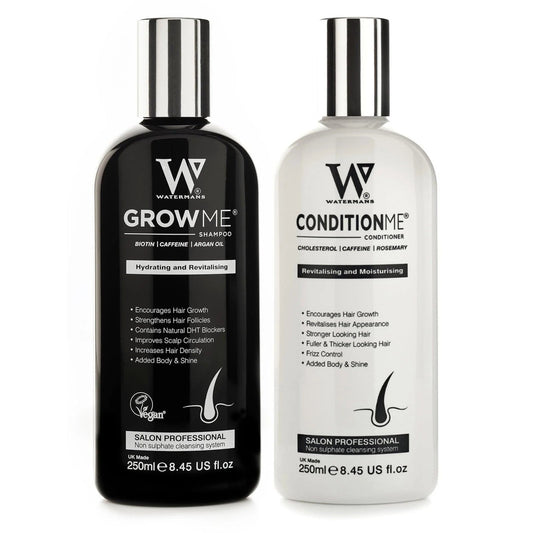
Before you use strong drugs, many people find a scalp-focused shampoo helps. One option in Australia is the Watermans Grow Me Shampoo.
Why Try Watermans Grow Me Shampoo?
Watermans Grow Me is a shampoo that cares for your scalp. It aims to:
• Cut down on shedding
• Boost scalp blood flow
• Strengthen weak hair
• Thicken fine hair from the roots
Its active parts include:
• Biotin – to build strong hair fibres.
• Rosemary – to support blood flow.
• Caffeine – to help fight DHT effects in some hair loss cases.
• Niacinamide – to help the scalp barrier and calm the skin.
• Argan Oil – to give moisture and shine without weight.
• Allantoin – to ease irritation and support skin renewal.
• Lupin Protein – to thicken and protect damaged hair.
These parts work with your scalp as your treatment team handles the hormone shifts. It is not a drug. It is a care product you can use every day.

Building a Bicalutamide-Friendly Haircare Routine
1. Clean the Scalp Without Hurting It
Switch harsh shampoos for a gentle one like Watermans Grow Me Shampoo. Try to:
• Wash 2–4 times each week, based on oil levels.
• Rub the shampoo into your scalp for 2–3 minutes to boost blood flow.
• Rinse well to keep hair follicles clear.
2. Use Conditioner With Care
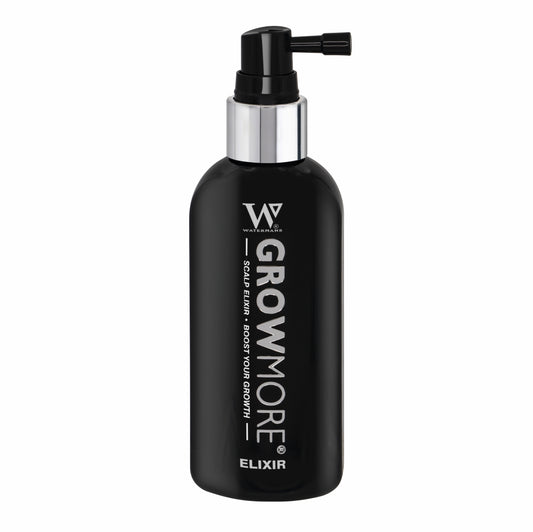
Apply a light conditioner mainly on the hair lengths and tips. This step lowers breakage without weighing your hair down. A kit with shampoo, conditioner, and a scalp spray, like the Watermans Hair Survival Kit, makes this easy to follow.
3. Reduce Physical Damage
Bicalutamide may make your hair more fragile. Try these tips:
• Use a wide-tooth comb. Start at the ends and move up.
• Avoid tight ponytails, buns, or braids that pull the hair.
• Use satin or silk pillowcases instead of cotton.
• Pat hair gently with a microfiber towel instead of rubbing hard.
4. Cut Down on Heat and Chemicals
Reduce the use of high-heat tools such as straighteners, curling irons, or hot blow-dryers. Avoid frequent chemical treatments like bleach, strong colour treatments, or perms. If you do use heat, spray a protectant and keep the temperature low.
Lifestyle and Nutrition for Better Hair
Your hair shows your overall health. While you may not change your treatment, you can give your hair a better home from the inside out.
1. Eat a Diet That Supports Hair
Try to include in your meals:
• Protein: Fish, eggs, lean meats, legumes, tofu, nuts, and seeds build keratin.
• Iron-rich foods: Meat (if you eat it), lentils, chickpeas, spinach, and pumpkin seeds. Pair plant sources with vitamin C to help the body absorb iron.
• Healthy fats: Avocado, olive oil, nuts, and seeds help the scalp.
• Fruits and vegetables: They give vitamins A, C, E, and other antioxidants.
If you have a low appetite, ask a dietitian for advice.
2. Check Your Blood Levels
Ask your doctor to test for:
• Ferritin (iron levels)
• Vitamin D
• Thyroid hormones (TSH, T3, T4)
• B12 and folate
Fixing low levels can improve hair strength over time.
3. Keep Stress Low
Chronic stress can lead to shedding. Think about:
• Mindful breathing, gentle yoga, or light walking
• Talking with a counsellor or joining a support group if work or life is hard
Medical Treatments Used With Bicalutamide
If hair loss stays strong, your doctor might suggest a medical treatment. These must match your overall treatment plan.
Topical Minoxidil
• It comes as a liquid or foam (usually 2–5%).
• It helps keep hair in the growing phase and thickens follicles.
• Both men and women may use it. It works best when your doctor agrees.
Some may see a brief increase in hair loss or a mild scalp irritation. Facial hair may grow if the product drips.
Oral Medications
Finasteride or Dutasteride are used against pattern hair loss. They shift hormone levels. They are not common with bicalutamide, especially in transfeminine care. Use these only with close medical check.
Low-Level Laser Therapy (LLLT)
Laser caps or combs give low-level light to wake up hair follicles. Some notice thicker hair over months. The cost and use may vary for each person.
PRP (Platelet-Rich Plasma) Therapy
Your blood is spun to gather growth factors. These are injected into the scalp. PRP may help for pattern hair loss but might not work if the main cause is a strong illness or treatment.
Comparing Options: Starting With Hair Loss
Many start with a haircare routine that supports growth. This routine may include:
- A non-medical shampoo like Watermans Grow Me Shampoo or the complete Hair Survival Kit.
- Better lifestyle and nutrient choices.
- A simple care plan and scalp treatment.
If hair loss grows worse, discuss stronger options with your doctor, such as topical minoxidil or other plans that fit your case.
When to Talk With a Doctor About Hair Loss
See a doctor if:
• You lose hair in clumps or patches.
• Your scalp hurts, itches, or shows sores or scales.
• Hair loss spreads fast over weeks or a couple of months.
• Your bicalutamide dose changes or new drugs start.
• You feel very upset about the hair changes.
A general doctor, endocrinologist, oncologist, or skin expert can help. They will:
• Look at your full list of medicines and how they mix.
• Order blood tests as needed.
• Tell apart different types of hair loss.
• Suggest fitting treatments and give a clear plan.
Bring photos and your haircare list when you meet them.
A Simple Plan for Bicalutamide Hair Loss
Follow these steps:
-
Document the Change
• Take clear photos: front, sides, crown, and part line.
• Write down when you started bicalutamide and note any dose changes. -
Upgrade Your Haircare
• Switch to Watermans Grow Me Shampoo. Use it every time you wash your hair for several months.
• Try the Watermans Hair Survival Kit for shampoo, conditioner, and a scalp spray.
• Reduce heat, tight styles, and harsh treatments. -
Check Your Inner Health
• Ask your doctor to check your iron, vitamin D, thyroid, B12/folate, and overall health.
• Fix any low nutrients with proper supplements. -
Support Your Mind and Body
• Use ways to lower stress.
• Get enough rest and eat steady, protein-rich meals. -
Re-assess After 3–6 Months
• Look at your photos and note any changes.
• If hair loss does not improve, speak with your doctor about other treatments like topical minoxidil.
Common Questions About Bicalutamide Hair Loss
-
Is the hair loss permanent?
Usually, hair shedding linked to bicalutamide is not fixed. When the stress or hormone shift calms down, hair can grow back. For hidden genetic hair loss, the pattern may show up. Using a growth-supporting shampoo like Watermans Grow Me Shampoo may help keep hair strong. -
How long does it take for hair loss to improve?
Many see more shedding 2–3 months after a change. Then, improvements come in 3–6 months while your body resets its cycles. Stay consistent in your care and eat well to help the process. -
What is the best treatment option?
Many find that a non-medical shampoo, such as Watermans Grow Me Shampoo or the Watermans Hair Survival Kit, works well. Good nutrition, regular check-ups, and gentle styling help too. Some people may get extra help from medical treatments like topical minoxidil. Only use these when your doctor agrees.
Take Control of Your Bicalutamide Hair Loss
Hair loss on bicalutamide can be a tough change, but you can take care of your scalp and hair. Start by updating your routine. Choose a natural, scalp-loving shampoo that works to boost the roots. Watermans Grow Me Shampoo has biotin, rosemary, caffeine, niacinamide, argan oil, allantoin, and lupin protein. It fits into your normal shower rituals without much change. For a full set, try the Watermans Hair Survival Kit.
Stick to gentle care, check your health with your doctor, and tend to your overall well-being. These steps help slow hair shedding and support new growth. Your medicine works for your health; your care works for your hair.