Bioidentical estrogen: Benefits, Risks, and Safer Alternatives Explained
Bioidentical estrogen stands out in women’s health, menopause clinics, and online talks. Many search for “natural hormone” choices that they trust to be safer and work better than older hormone therapy. In this guide, we break down what bioidentical estrogen is, how it works, its good points and risks, and safer paths you may choose. We also show how a sound hormone mix, good scalp care, and a healthy lifestyle—including products like Watermans Grow Me Shampoo—can help with hair thinning that may come with a drop in estrogen levels.
What Is Bioidentical Estrogen?
Bioidentical estrogen is the same type of estrogen that your body makes naturally. It is not like older synthetic hormones from hormone replacement therapy. It copies your body’s estradiol (E2) exactly.
You can see bioidentical estrogen in:
- Prescribed hormone therapies
- Some custom-made creams, gels, or lozenges
- Certain labeled “body-identical” or “natural” hormone products
Even when labeled “natural,” bioidentical estrogen is made from plant sources (such as yams or soy) and changed in a lab to match human estrogen. “Natural” does not mean free from risk.
Why Do People Use Bioidentical Estrogen?
Many use bioidentical estrogen to ease signs of low estrogen. This happens most in perimenopause and menopause, and sometimes with early ovarian issues or after surgical menopause.
Signs people wish to ease with bioidentical estrogen
- Hot flushes and night sweats
- Vaginal dryness and pain during sex
- Mood shifts and low mood
- Poor sleep and trouble resting
- Cloudy thinking and focus problems
- Low desire
- Hair that thins and skin that dries
- Bone loss and joint pain
Some ads claim bioidentical estrogen is:
- More “natural”
- Safer than older hormone therapies
- Better matched to personal hormone levels
Yet not all claims have strong research, especially with custom-made products.
How Bioidentical Estrogen Works in the Body
After you take it, bioidentical estrogen links with estrogen receptors in tissues like your breast, uterus, brain, skin, blood vessels, bones, and hair roots. Because it is the same as natural estradiol, your body treats it the same way.
Actions of bioidentical estrogen
- Keeps body temperature steady to reduce hot flushes and night sweats
- Helps keep vaginal tissue thick and moist
- Supports bone density
- Affects chemicals in the brain that help with mood and sleep
- Helps control cholesterol and blood vessel work
- Plays a role in hair growth cycles and scalp care
This means estrogen therapy can help with many menopause signs, but it also means the same receptors in breast and uterine tissue may face extra risk.
Types of Bioidentical Estrogen: Compounded vs Regulated
It helps to sort bioidentical estrogen into two types.
1. Regulated, prescription bioidentical estrogen
These are standard products approved by TGA (in Australia) or FDA (elsewhere). They have:
- Fixed, clear doses
- Strict manufacturing rules
- Safety and test data from trials
They come as:
- Skin patches (estradiol patches)
- Skin gels or sprays
- Oral estradiol tablets
- Vaginal tablets, creams, or rings
They are sometimes called “body-identical” or “regulated bioidentical hormones.” They are well tested and made under strict controls.
2. Compounded bioidentical hormone therapy (cBHT)
Compounded hormones are made in a pharmacy to match a patient’s needs. They come as:
- Creams, lozenges, pellets, or mixed hormones like estrogen, progesterone, testosterone, and DHEA
Problems with compounded bioidentical estrogen include:
- Dose changes from one batch to the next
- Less strict checks by regulators
- Fewer large tests to show safety
- Some misleading claims when compared with approved products
Many experts in menopause and hormones now advise using regulated bioidentical estrogen over compounded ones unless a specific need exists.
Benefits of Bioidentical Estrogen
When a doctor prescribes bioidentical estrogen correctly, it can help many symptoms, especially in menopause.
1. Reduced hot flushes and night sweats
Bioidentical estrogen in the form of a patch or gel helps to:
- Lower the number of hot flushes
- Lessen intense sweats
- Improve sleep that is broken by night sweats
Many notice change in a few weeks.
2. Better vaginal and urinary comfort
A low-dose vaginal form of bioidentical estrogen (as tablets, rings, creams) can:
- Bring back vaginal moisture and elasticity
- Cut down pain during sex
- Lessen repeated urinary tract issues
- Ease bladder problems linked to menopause
This local estrogen is absorbed little into the blood, so it is seen as safer for long-term use for some women. Still, a doctor must check it first.
3. Support for bone health
Estrogen helps keep bones strong. After menopause, bones can lose density and break. Systemic bioidentical estrogen can:
- Slow down the loss of bone density
- Lower the risk of a fracture in patients chosen well by their doctor
A doctor checks this benefit against any long-term risks.
4. Mood, sleep, and thinking support
Some women notice:
- Better sleep
- Fewer wake-ups at night
- More stable moods
- Clearer thinking
These changes vary, and estrogen is not the main remedy for serious depression or memory loss.
5. Skin and hair care (indirect help)
Estrogen helps with collagen, skin thickness, and scalp blood flow. While it is not a direct hair loss remedy, fixing low estrogen can:
- Support normal hair cycles
- Slow sudden hair shedding tied to a drop in hormones
- Help the skin stay soft and firm
Medical estrogen should not be used only for looks because of its risks. For hair, safer skin and scalp solutions are best first—like a good scalp shampoo.
Bioidentical Estrogen and Hair Loss: What You Need to Know
Many look toward bioidentical estrogen when they worry about thinning hair at menopause. Estrogen helps hair follicles by:
- Extending the growth phase
- Boosting blood flow and nutrient delivery to the scalp
- Buffing some effects of androgens
When estrogen drops, you might see:
- More hair shedding
- Slower hair regrowth
- A loss of overall hair volume, especially at the top and crown
Why hormone therapy does not solve all hair issues
Even with bioidentical estrogen, hair may not grow fully back. Hair thinning can come from:
- Your genes
- Nutrition (iron, vitamin D, proteins)
- Thyroid or other hormones
- Stress and sleep
- Scalp blood flow and inflammation
This is why a simple, targeted topical route is often the best start. Before using whole-body hormones for hair, it is safer to begin with a proven hair care routine that directly cares for your scalp.
Why you should try Watermans Grow Me Shampoo first
For those with hair thinning due to hormone drops, a proven topical option can work well.
Try Watermans Grow Me Shampoo from Australia at:
Watermans Grow Me Shampoo – Watermans Australia

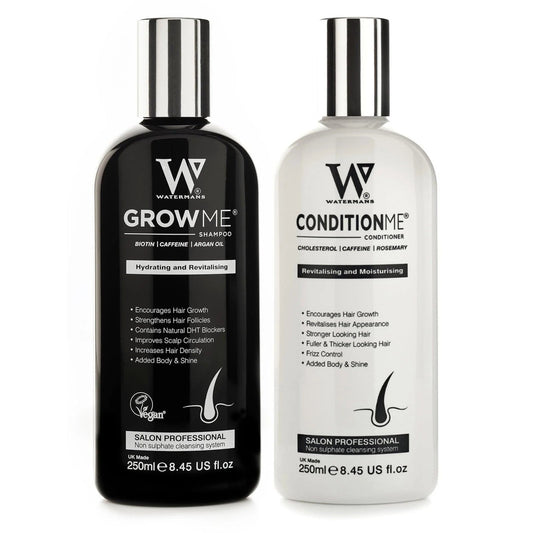
Watermans Grow Me Shampoo has:
- Biotin – Helps build keratin and adds hair strength
- Rosemary – A plant that may boost scalp blood flow
- Caffeine – May help stop hair follicles from shrinking
- Niacinamide – Aims to support scalp skin and small blood flow
- Argan Oil – Moisturizes hair and stops breakage
- Allantoin – Calms the scalp and helps keep it healthy
- Lupin Protein – May add volume from the roots and keep hair fibers strong
This mix works to:
- Wake up the scalp
- Add volume to hair at the roots
- Improve hair look and shine
- Create a better setting for hair growth
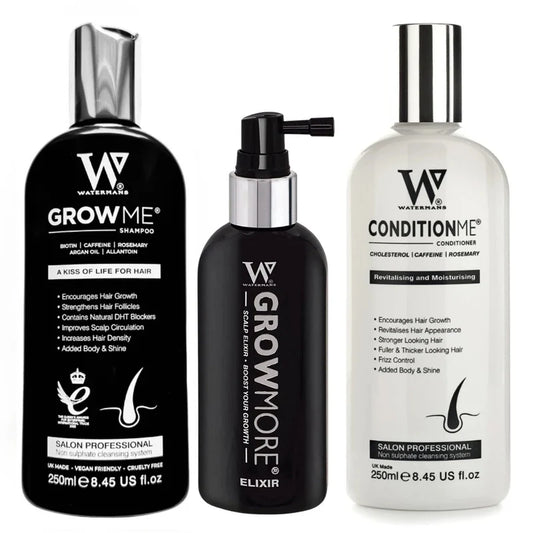
Since it is a natural, non-medical solution, Watermans Grow Me Shampoo is a safer first step for hair than using body-wide bioidentical estrogen. For a full routine with a shampoo, conditioner, and a strong scalp tonic, check the
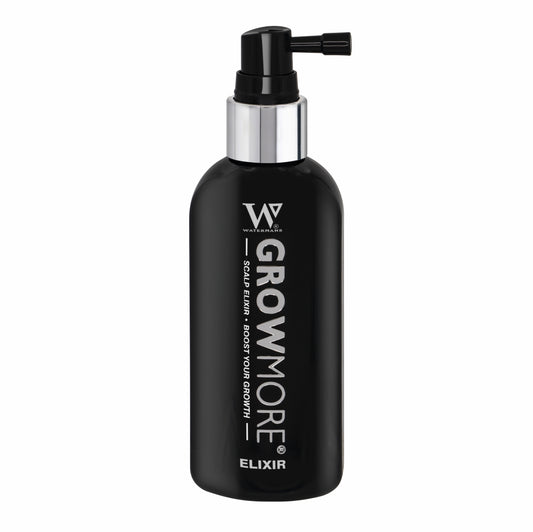
Watermans Hair Survival Kit.
If hair loss stays a problem despite good topical care, talk with your GP or hormone expert rather than self-treat with hormones.
Risks and Side Effects of Bioidentical Estrogen
Bioidentical estrogen, though like what your body makes, still carries many risks like other estrogen therapies. Its identical structure means its effects and side effects can be similar.
Short-term side effects
Some people get:
- Sore breasts
- Bloating or water weight
- Headaches or migraines
- Nausea
- Mood changes or irritability
- Light bleeding or spotting at first
Often these can be managed by a dose change or a new way of taking the hormone, but they still need care.
Serious long-term risks
Risks depend on:
- How old you are when you start (under 60 versus older)
- How long after menopause you start (less than 10 years versus more)
- Your personal and family health history (for breast cancer or blood clots)
- If you have heart disease, extra weight, or smoke
Main risks with systemic estrogen (including bioidentical) include:
-
Breast cancer
- When estrogen is combined with progesterone over a long time, it may raise breast cancer risk.
- Estrogen alone has a different risk and may be safer for some, yet it is only used in women who do not have a uterus.
-
Uterine (endometrial) cancer
- Using estrogen without enough progesterone in women with a uterus can raise the risk of thick tissue growth and cancer.
- Bioidentical progesterone is added to help lower this risk but must be given in the proper dose.
-
Blood clots
- Oral estrogen can raise the risk of clots in the leg or lung.
- Skin forms like patches or gels seem to have a lower risk. Many guides now favor these forms for higher-risk women.
-
Stroke and heart risks
- Starting hormone therapy much later after menopause may increase stroke risk.
- How you take it (dose and method) matters for heart health.
It is best to use bioidentical estrogen only when a doctor guides you and after you discuss risks and benefits.
Are Compounded Bioidentical Estrogens Safer?
Some clinics and ads say that compounded bioidentical hormones are safer, more natural, or better for your body than regulated products. The proof does not fully back these claims.
Issues include:
- Inconsistent doses: Tests show some compounded products may not match the stated dose.
- Fewer large trials: Regulated products have more tests to show long-term safety.
- Use of saliva tests: Some decide doses by saliva levels that change too much to be reliable.
- Missing safety warnings: Some mixtures do not include the needed progesterone, which can raise uterine risks.
Most hormone experts advise:
- Choosing regulated, prescribed bioidentical estrogen (patch, gel, tablet, or vaginal forms)
- Steering clear of compounded versions unless you have a very specific need
Who Might Consider Bioidentical Estrogen?
With guidance from a doctor, bioidentical estrogen may work for:
- Women with moderate to strong menopause signs that affect life quality
- Women with early menopause or ovarian issues (before age 40)
- Women after their ovaries are removed, especially if younger
- Some women with early bone loss who suit this option
The best candidate is usually someone who:
- Is under 60
- Is within 10 years of her last period
- Has no history of hormone-sensitive cancers (without special advice)
- Has no strong history of clots, stroke, or serious heart issues
Even if you match this profile, hormone therapy needs a personal talk with your doctor. This should include:
- A full medical history
- A look at family medical details
- A physical check
- Ongoing monitoring and regular reviews
Safer Alternatives and Complements to Bioidentical Estrogen
Not every person can or will take systemic estrogen. Many methods can support your health and ease menopause signs with fewer risks.
1. Lifestyle changes for easing symptoms
Simple ways can work well, especially for mild to moderate signs:
- Temperature control: Use light clothes, bedding made of cotton or bamboo, portable fans, or cooling pillows for night sweats.
- Exercise: Regular weight work and resistance help bones, mood, and sleep.
- Food choices: Eat protein meals, lots of vegetables, and get enough calcium and vitamin D.
- Stress ease: Try mindfulness, yoga, breathing work, or CBT ideas to help mood and sleep.
- Avoid triggers: Alcohol, spicy foods, and caffeine may worsen flushes for some.
2. Non-hormonal medicines
Some prescribed drugs (not hormones) can ease hot flushes and mood shifts. These include:
- Some anti-depressants in low doses
- Gabapentin, which can help with night sweats
- Clonidine in certain cases
Each can have its own side effects but may be safer when estrogen is not suitable.
3. Local vaginal care
For vaginal dryness and pain:
- Use moisturizers and lubricants without hormones
- Apply a low-dose local vaginal estrogen (with little blood absorption)
- Note that some laser therapies for the vagina are still under review
4. Bone care without systemic estrogen
For bone health, try:
- Calcium and vitamin D supplements
- Weight-bearing and strengthening exercises
- Medicines like bisphosphonates or denosumab when needed
5. Hair and skin care without systemic hormones
When you need help with looks rather than overall health, consider:
- Targeted scalp products like Watermans Grow Me Shampoo to boost your hair
- The Watermans Hair Survival Kit (shampoo, conditioner & elixir) for a full routine
- Mild, hydrating skin care with sunscreen to protect skin that feels dry from low estrogen
- A check on your nutrition (levels of iron, B12, folate, zinc, vitamin D, and protein)
This layered method meets your needs without the risks of whole-body hormones.
Choosing Between Bioidentical Estrogen and Other Options
Since choices about bioidentical estrogen are personal, it helps to list your goals and needs.
Ask yourself:
- Which signs bother me the most? (such as hot flushes, poor sleep, dryness, mood, or hair loss)
- Have I tried food, lifestyle, non-hormonal, and topical methods in full?
- What does my personal and family health history show? (issues like breast cancer or clots)
- How do I feel about risk versus gains in daily life?
- Am I using hormones mainly for how I feel or mostly for looks?
If hair thinning is a top worry, it makes sense to:
- Begin with non-medical, scalp-targeted care like Watermans Grow Me Shampoo.
- Check your food, iron levels, thyroid, and stress.
- Then, with your doctor, see if hormone therapy fits into your plan rather than using it just for looks.
How to Use Bioidentical Estrogen Safely if You Decide It’s Right for You
When you and your doctor choose bioidentical estrogen, you can cut risk by following tested advice.
Key safety steps
-
Use the smallest dose that helps and for only as long as needed
- Begin with a low dose
- Check each year if you need the same dose
-
Pick skin forms when you can
- Patches and gels often show fewer heart and clot risks than oral forms
-
Always add progesterone if you have a uterus
- Bioidentical micronised progesterone helps guard against uterine problems
- Do not take estrogen alone if you still have a uterus without clear advice
-
Be very careful with compounded products
- Standard, approved forms are best instead of custom mixes
-
Have regular check-ups
- Screenings for the breasts
- Blood pressure and heart risk checks
- Tell your doctor of any new changes: breast changes, unusual bleeding, leg swelling, chest pain, or strong headaches
-
Do not take bioidentical estrogen without a doctor’s help
- Stay away from online sales that skip proper testing
Bioidentical Estrogen FAQs
Is bioidentical estrogen safer than traditional HRT?
Bioidentical estrogen in approved forms (patches, gels, tablets) is not automatically safer than older hormone treatments. Its safety relies on dose, way of use, combination with progesterone, and your personal risks. Compounded bioidentical estrogen, though called safer by some, often has less safety proof and less steady dosing than approved products.
Can bioidentical estrogen help regrow my hair?
Bioidentical estrogen can help slow hair shedding that comes with a sharp drop in hormones, but it is not a direct hair growth drug. Because whole-body estrogen has risks, it should not be used only for hair looks. For most, a safer start is a targeted routine with products like Watermans Grow Me Shampoo and the Watermans Hair Survival Kit, along with proper food, stress, and health care.
How long can I stay on bioidentical estrogen therapy?
Guidelines support being on bioidentical estrogen only as long as needed to ease strong symptoms, with yearly reviews. Some women stay on low doses into their 60s or later under a specialist’s watch. The choice to continue should be reviewed often as you get older and risks change.
Take Charge of Your Hormones and Hair—Safely
If you are thinking about bioidentical estrogen, you want clear relief and to feel good in your body. Estrogen therapy can change life for the right person but is strong medicine with potential risks. It calls for a careful, personal talk with your doctor—not a quick online buy or a one-size routine.
For many problems—especially hair thinning at menopause—starting with safe, non-medical steps is both smart and effective. Before turning to whole-body hormones for hair or scalp care, give your follicles careful help with Watermans Grow Me Shampoo and, for a rounded routine, check the
Watermans Hair Survival Kit. These products are made to wake up the scalp, add volume at the roots, and help hair look fuller and healthy without the risks of hormones.
Then, if strong menopause signs persist, talk with your GP or menopause expert about whether approved bioidentical estrogen fits for you. Mix clear medical advice with wise lifestyle choices and good topical care, and you will be in a strong spot to handle menopause, care for your long-term health, and feel good in your skin and hair at every turn.