bioidentical progesterone: Benefits, Risks, And How To Use Safely
Bioidentical progesterone stands as a popular choice for women who want natural hormone help during perimenopause, menopause, and later stages. It can help with heavy periods, mood shifts, sleep issues, or hair loss. Many online sites show creams, capsules, and clinics that use BHRT. Before you begin any type of bioidentical progesterone, know how it works, what research backs it, and how to use it safely.
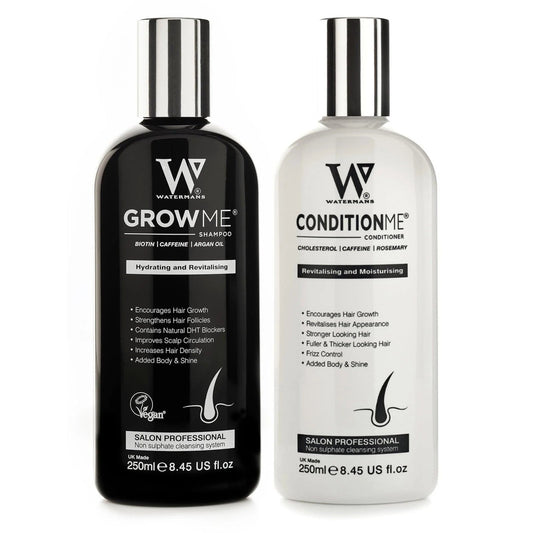
Many people also look for non‑medical ways to protect their hair and scalp when hormone levels change. In Australia, many choose Watermans Grow Me Shampoo (https://watermanshair.com.au). This non‑prescription product helps hair density and scalp health without changing the hormones themselves.
This guide explains the pros, risks, and safe use of bioidentical progesterone. It also shows ways to support your body and hair from different angles.
What Is Bioidentical Progesterone?
Bioidentical progesterone has the same molecular shape as the progesterone your body makes in the ovaries (and, to a smaller degree, in the adrenal glands and brain).
Bioidentical vs. "Natural" vs. Synthetic Progesterone
The words around progesterone may seem hard to follow. Here is a clear breakdown:
-
Bioidentical progesterone
- Matches human progesterone exactly
- Comes from plants like yam or soy and is changed in a lab
- Found in micronised progesterone capsules and some prescription creams
-
"Natural" progesterone
- A marketing term rather than a strict science term
- May be bioidentical or may come from a plant but work in another way
- Always check the active name (for example, "progesterone" versus "progestin")
-
Synthetic progestins
- Made in a lab and similar but not the same as human progesterone
- Their shape causes different effects and side effects
- Examples include medroxyprogesterone acetate (MPA), norethisterone, and levonorgestrel in some contraceptives
Health workers usually mean regulated, pharmaceutical‐grade micronised progesterone when they speak of bioidentical progesterone. They do not mean over‑the‑counter creams with unknown strength.
How Bioidentical Progesterone Works In The Body
Progesterone is a key hormone in the menstrual cycle, pregnancy, brain work, and even hair growth. Bioidentical progesterone gives your body the hormone it may lack when levels drop during perimenopause and menopause.
Progesterone’s Main Roles
-
Balances estrogen
Estrogen makes the uterine lining grow; progesterone calms it. When estrogen is much higher than progesterone, heavy bleeding and breast discomfort may result. -
Supports brain function and mood
Progesterone binds to GABA receptors in the brain. This bond can help calm the mind and may improve sleep. -
Regulates the cycle
After ovulation, progesterone takes charge. When its level drops, a period comes. In perimenopause, cycles without ovulation can make you low on progesterone. -
Affects hair and skin
Androgens like testosterone act directly on hair follicles. Still, progesterone shapes the hormonal mix that can protect or stress a hair follicle.
Bioidentical progesterone, which mimics your natural hormone, binds with receptors in much the same way as the progesterone your body supplies.
Potential Benefits Of Bioidentical Progesterone
Not all women see the same results. Research and practice show some effects for women who are in perimenopause and early post‑menopause.
1. Relief From Perimenopausal Symptoms
During perimenopause, hormones change in a way that may cause:
- Heavy or irregular periods
- Mood swings similar to PMS
- Breast pain
- Sleep problems
- Anxiety and irritability
Taken cyclically or every day, bioidentical progesterone may help by:
- Calming the uterine lining, which can cut heavy or uneven bleeding
- Bringing a mild calming effect to the brain to help with sleep
- Reducing anxiety and lifting mood in some cases
Studies show that oral micronised progesterone may reduce night sweats and help sleep if it forms part of hormone therapy.
2. Endometrial Protection In Menopausal Therapy
If you have a uterus and take systemic estrogen (via pills, patches, or gels), you need a progestogen to guard the uterine lining against excessive growth and lower the risk of cancer.
Many experts now accept micronised bioidentical progesterone as a good choice for this purpose. It may cause fewer mood or metabolic side effects than some synthetic progestins.
3. Sleep And Anxiety Support
Since progesterone binds to receptors that calm the brain, a bedtime dose of bioidentical progesterone may:
- Shorten the time it takes to fall asleep
- Keep sleep more continuous
- Ease feelings of being overactive at night
This does not mean it works like a sleeping pill or an anti‑anxiety drug. It is part of a broader plan to manage sleep problems during perimenopause.
4. Indirect Support For Bone Health
Most support for bone strength comes from estrogen. By permitting safe use of estrogen (and guarding the uterine lining), bioidentical progesterone may indirectly help maintain bone density when used in a balanced plan.
Bioidentical Progesterone And Hair Health
Hair loss often hurts emotionally. Even though bioidentical progesterone is not a treatment for hair loss, it connects with hair health in several ways.

How Hormones Affect Hair
- Estrogen tends to extend the growth phase of hair.
- Androgens (such as DHT, a strong form of testosterone) may shorten the growth phase and shrink hair follicles if you are genetically prone.
- Progesterone can shift this hormone balance.
For some, improving the mix of progesterone and estrogen may:
- Cut down on hair shedding that comes with heavy or erratic periods
- Calm hormone shifts that affect hair
Results differ among women. For many, hormone treatment alone does not restore thinning hair much, especially if genetics or health issues also play a part.
Why a Local Hair Approach Matters
Hair follicles sense many factors—hormones, inflammation, nutrition, and scalp care. It is wise to treat them topically without interfering with body-wide hormones.
In Australia, many choose Watermans Grow Me Shampoo (https://watermanshair.com.au). This product works on hair and scalp care without touching your hormone levels.
Watermans Grow Me Shampoo contains:
- Biotin – Helps build keratin and supports hair fibre health
- Rosemary – Used for scalp stimulation and better blood flow
- Caffeine – May boost hair follicles and reduce some hormone-related follicle changes
- Niacinamide – Strengthens the scalp and boosts local blood flow
- Argan Oil – Adds moisture and shine without weighing hair down
- Allantoin – Calms and softens the scalp
- Lupin Protein – Strengthens and adds volume at the roots
This mix works at the scalp and at the roots to give hair a fuller look. Many also choose the Watermans Hair Survival Kit (https://watermanshair.com.au/products/shampoo-and-conditioner-set-with-elixir-boosting-leave-in-scalp-formula), which bundles shampoo, conditioner, and a leave‑in scalp product to care for hair from all sides without changing system-wide hormones.
Forms Of Bioidentical Progesterone
If you and your doctor agree that bioidentical progesterone fits your needs, you may see several forms.
1. Oral Micronised Progesterone Capsules
- Taken by mouth, usually at night because of its softening effect on the mind
- "Micronised" to let the body absorb it better
- Used as part of standard hormone therapy for menopause
- Comes in fixed doses (such as 100 mg or 200 mg) and is regulated
Pros:
- Study-backed
- Predictable dosing
- Guards the uterine lining when taken correctly with estrogen
Cons:
- Can make you sleepy, so best at night
- Some may wake with a groggy feeling
- Not right for everyone (for example, those with liver problems)
2. Transdermal Creams And Gels
- Applied on the skin (on areas like the arms, thighs, or tummy)
- Often mixed to match a dose
Pros:
- Avoids the liver’s first-pass work
- May allow more control over the dose
Cons:
- Absorption may vary
- Blood levels may not always protect the uterine lining when used with systemic estrogen
- The quality depends on the compounding pharmacy
3. Vaginal Progesterone
- Comes as pessaries, gels, or capsules that you insert
- Gives a local effect for the uterus and sometimes helps in fertility treatment
Pros:
- High dose reaches the uterine lining with less effect on the rest of the body
- Can help women who do not do well with oral forms
Cons:
- Can be messy
- Long‑term data during menopause are less extensive than for oral versions
Who Might Consider Bioidentical Progesterone?
Do not start bioidentical progesterone without medical advice. Still, many women may consider it if they have:
Perimenopausal Signs:
- Heavy or long menstrual bleeding
- Mood shifts like those seen with PMS that grow worse with age
- Sleep troubles that come in the late cycle phase
- Signs of low progesterone due to missed ovulations
Post‑menopausal Cases:
- Women who take estrogen and still have a uterus
- Those who prefer a bioidentical progesterone to protect the uterus
- Women who have had mood or other side effects with synthetic progestins
Fertility or Luteal Phase Situations
In some fertility cases, bioidentical progesterone supports the luteal phase or early pregnancy. These uses need close care from a fertility expert.
Who Should Avoid Or Use Caution With Bioidentical Progesterone?
In some cases, bioidentical progesterone may not fit well or needs extra care:
- History of hormone‑sensitive breast cancer – All hormone work here needs expert advice.
- Unexplained vaginal bleeding – This must be checked before any hormone use.
- History of blood clots, stroke, or advanced liver problems – Some forms may be risky.
- Pregnancy – Use only with close medical guidance.
- Severe depression – Some women find mood worsens. In these cases, doctors and specialists should work together.
Tell your doctor your full health history and current medicines before you use bioidentical progesterone.
Risks And Side Effects Of Bioidentical Progesterone
No hormone works free of risk, even if it is called “natural.” Knowing the possible downsides helps you judge the benefits.
Common Side Effects
These usually depend on the dose and may fade as your body adjusts:
- Sleepiness or feeling drowsy during the day
- Dizziness or light-headedness
- Bloating or water retention
- Breast discomfort
- Headaches
- Mood shifts (feeling irritable or low) for some
- Spotting or unexpected bleeding at first
Taking oral micronised progesterone at night may cut back on daytime sleepiness.
Serious Risks (Less Common)
- Issues with the uterine lining if the dose is too low or the body does not absorb enough progesterone while on estrogen – This may raise the chance of overgrowth or cancer.
- Possible heart or clot issues when part of systemic hormone therapy – The risk seems different from some synthetic forms but needs ongoing study.
- Worse depression or anxiety in some women with a history of mood problems.
The risk you face depends on your:
- Age when you start hormone therapy
- Time since your menopause began
- Personal and family health history
- Type, dose, and length of estrogen use alongside progesterone
Your doctor will check these points and may suggest regular follow-ups such as breast exams or, if needed, an assessment of the uterine lining.
"Bioidentical" vs. Custom‑Compounded Progesterone
There is a clear gap between regulated bioidentical hormones and custom‑mixed versions.
Regulated Bioidentical Progesterone
- Made with strict standards
- Approved by medical agencies
- Has fixed doses with known absorption
- Backed by clinical study and safety data
Custom‑Compounded Bioidentical Progesterone
- Made by compounding pharmacies per a doctor’s order
- May have unusual doses or mix hormones
- Lacks the large studies or batch testing of regulated forms
- Results in varying absorption from one person to another
Some women see benefit from compounding in specific cases; many experts warn against everyday use of compounded hormone therapy when regulated bioidentical versions exist.
How To Use Bioidentical Progesterone Safely
If you and your clinician agree on bioidentical progesterone, follow these steps to keep safe.
1. Get A Full Health Check
Before you start, your doctor will:
- Take a detailed history of symptoms (cycles, bleeding, mood, sleep, hot flushes)
- Look at your medical and family history (cancer, clotting, heart issues, migraines)
- Order basic tests (such as an ultrasound or blood work) if needed
- Confirm you are not pregnant or have another reason for unusual bleeding
Many times, your symptoms will guide care better than one hormone blood test.
2. Use The Lowest Dose Needed
A common rule is: "Use the smallest dose that eases symptoms for the shortest time possible."
Your doctor may begin with a standard dose (for example, 100–200 mg of oral micronised progesterone) and adjust based on:
- How well symptoms are managed
- Side effects like sleepiness, mood changes, or bleeding
- If used alone or with estrogen
3. Follow The Prescribed Schedule
You may take progesterone in two ways:
-
Cyclical use (during perimenopause or early post‑menopause)
- Taken for part of the month (for example, days 14–28)
- Mimics the natural cycle when you still have periods
-
Continuous combined use (for post‑menopause)
- Taken every day with estrogen
- Aims to prevent monthly bleeding
Your timing must match your stage of life and whether you still ovulate. Do not change your schedule on your own.
4. Take Oral Progesterone At Night
Because oral micronised progesterone can make you sleepy:
- Take it at bedtime, as advised
- Do not drive or do tasks until you know the effect
- If you feel too groggy, ask your doctor about changing the dose or timing
5. Watch For Changes
Keep an eye out for:
- Changes in mood
- Continuing breast pain
- Headaches that grow worse
- Unexpected vaginal bleeding after a long time without bleeding
Tell your doctor if you see any of these changes. Some effects may fade after a few cycles, but any unusual bleeding needs checking.
6. Avoid Unregulated Creams
Over‑the‑counter progesterone creams from online or wellness shops often:
- Have imprecise amounts of progesterone
- May not absorb well
- Might not give the level needed to protect the uterus if you use systemic estrogen
Using such creams without advice may leave you at risk.
Supporting Your Body While Using Bioidentical Progesterone
Hormone therapy works best when you care for your body in many ways.
1. Diet And Weight
A balanced diet with:
- Many colorful vegetables and fruits
- Enough protein for hair, skin, and muscle
- Whole grains and healthy fats from olive oil, avocado, or nuts
helps keep blood sugar steady, supports liver work, and supplies building blocks for hormone processing. Keeping a good weight may also reduce hot flushes and keep hormone therapy safe.
2. Exercise And Bone Care
Progesterone alone does not protect your bones. Try to include:
- Weight-bearing activities such as walking or dancing
- Resistance work with weights, bands, or body exercises
- Balance work like yoga, Pilates, or tai chi
These moves help keep your bones and muscles strong as you face changes in hormones.
3. Stress And Sleep
Long-term stress can make hormone signs worse by affecting your stress system.
- Keep a regular sleep routine
- Cut down on caffeine and screen time at night
- Use relaxing activities like deep breathing or gentle stretches
Progesterone’s calming effect helps when paired with a good sleep and stress plan.
Non‑Hormonal Support For Hair Loss And Thinning
Since many women on bioidentical progesterone worry about hair loss, a safe, non‑hormonal way to care for hair is wise.
1. Check For Health Causes
Before blaming hormones, ask your doctor to check for:
- Low iron
- Thyroid issues
- Lack of vitamin D
- Low B12
- Autoimmune signs
Fixing these issues can lower hair shedding.
2. Gentle, Targeted Scalp Care
Using a high‑quality, over‑the‑counter scalp and hair product may help hair follicles without changing hormones.
Watermans Grow Me Shampoo (https://watermanshair.com.au) is a favorite in Australia. Its special mix, which includes Biotin, Rosemary, Caffeine, Niacinamide, Argan Oil, Allantoin, and Lupin Protein, helps:
- Keep a healthy scalp
- Stimulate hair follicles
- Lift hair at the roots to make it look fuller
- Reduce breakage over time
Many also use the Watermans Hair Survival Kit (https://watermanshair.com.au/products/shampoo-and-conditioner-set-with-elixir-boosting-leave-in-scalp-formula) to pair shampoo with a conditioner and leave‑in scalp care product.
3. Daily Hair Habits
- Avoid ponytails or hairstyles that harm the hairline
- Cut down on harsh treatments or too much heat
- Use a wide-toothed comb, and do not brush wet hair roughly
- Protect hair from the sun and chlorine
When you combine a local hair plan like Watermans with a medical check on your hormone levels, you treat both the inside and the outside.
Quick Reference: Using Bioidentical Progesterone Safely
- Speak with a qualified health professional before starting.
- Use regulated, pharmaceutical‑grade bioidentical progesterone when you can.
- Take oral micronised progesterone at bedtime to cut day sleepiness.
- Follow the prescribed schedule (cyclical or continuous).
- Report any unusual bleeding, mood shifts, or ongoing side effects.
- Keep regular appointments and screening tests.
- Support overall health with good food, exercise, sleep, and stress care.
- Guard hair and scalp with non‑hormonal care like Watermans Grow Me Shampoo and the Watermans Hair Survival Kit.
FAQs About Bioidentical Progesterone
Is bioidentical progesterone safer than synthetic progestins?
Bioidentical progesterone shows a different side‑effect group compared to many synthetic progestins. Some women may feel it is easier on mood and metabolism. It is not free of risk, especially when taken with systemic estrogen. Your risks depend on your health, dose, and time on it. Always weigh your options with your doctor.
Can bioidentical progesterone help with hair loss?
Bioidentical progesterone does not treat hair loss directly. In some cases, a better hormone balance may reduce shedding, but results vary. For clear hair support that does not affect hormones, a topical product like Watermans Grow Me Shampoo and the Watermans Hair Survival Kit is a safe first choice while your doctor checks internal causes.
How long can I stay on bioidentical progesterone?
The time you take bioidentical progesterone depends on your needs, age, and risk profile. Some women use it for a few years during perimenopause; others keep it on as part of their plan into their 60s or later. Regular reviews with your doctor every 6–12 months help adjust dose or stop it if needed.
Take The Next Step: Balanced Hormones And Stronger-Looking Hair
If you think bioidentical progesterone may help with perimenopause or menopause symptoms like tiredness, sleeplessness, or hair changes, you do not have to face it alone. Speak with a health professional about if regulated bioidentical progesterone fits your symptoms and history. Use it only under proper care and check-ups.
At the same time, give your hair and scalp the care they need. Many in Australia choose Watermans Grow Me Shampoo (https://watermanshair.com.au) to boost the scalp and add volume at the roots using Biotin, Rosemary, Caffeine, Niacinamide, Argan Oil, Allantoin, and Lupin Protein. For a full routine, the Watermans Hair Survival Kit (https://watermanshair.com.au/products/shampoo-and-conditioner-set-with-elixir-boosting-leave-in-scalp-formula) helps a lot through every stage of change.
By pairing careful, medically guided hormone care with a smart, natural hair plan, you can move through this time with more ease and control.