bioidentical testosterone guide: safe ways to reclaim energy and libido
Feeling like your inner fire has dimmed? Many people over 35 ask if hormones are the cause. Low energy, weight that won’t budge, less desire, slow thinking and rough sleep can point in that direction. Bioidentical testosterone joins the talk at this point. When used with care and proper medical help, it may help bring back well‑being. Yet many still get confused by this hormone treatment.
This guide explains what bioidentical testosterone is, who it may help, how to use it safely, and which natural ways (including targeted hair support) you might try before or with hormone therapy.
What is bioidentical testosterone?
Bioidentical testosterone is the same as the testosterone your body makes. It usually comes from plant sterols, such as soy or wild yam. In a lab, it is processed so that the final molecule mirrors human testosterone.
Bioidentical vs “synthetic” testosterone
You will come across two main terms:
• Bioidentical testosterone
– Its structure matches natural testosterone
– It can be made into creams, gels, injections, pellets, or capsules
– Custom-made doses are common
• Synthetic or non‑bioidentical testosterone
– Its molecules have been changed (for example, by adding a methyl or ethyl group)
– This change makes your body use the hormone in different ways
– It is often linked to more side effects
In good clinical practice, testosterone replacement for both women and men normally uses bioidentical molecules. Even if they lose the “bioidentical” name, they are designed to match natural testosterone.
Why testosterone matters for women and men
Many think of testosterone as a male hormone. Both women and men need it, though in different amounts.
In women
Women produce testosterone in the ovaries and adrenal glands. This hormone helps with:
• Sexual desire and response
• Energy and drive
• Muscle tone and bone strength
• Mood and stress handling
• Focus and spatial skills
Women’s testosterone levels usually start to drop in their late 20s or 30s. The drop becomes steeper near perimenopause and menopause.
In men
Men produce testosterone mainly in the testes. This hormone supports:
• Sexual desire and erection quality
• Sperm production
• Muscle mass and strength
• Fat distribution and metabolism
• Mood and drive
• Bone strength and red blood cell production
Male testosterone levels tend to fall at about 1% per year after age 30. Factors like sleep, stress, or medicines may speed up the drop. A sharp fall in testosterone, rather than aging alone, can bring on symptoms.
Signs and symptoms of low testosterone
Low testosterone may show different signs in women and men, though many signs are the same.
Common symptoms in women
Even a small drop in bioavailable testosterone can result in:
• Less desire or trouble reaching climax
• Vaginal dryness or less arousal
• Fatigue and low strength
• Losing muscle tone despite exercise
• Extra weight around the waist
• Low mood, anxiety, or less confidence
• Brain fog or poor focus
• A general feeling of “blah”
• Thinning hair or more shedding
Common symptoms in men
Low testosterone in men can show as:
• Reduced desire and less frequent erections
• Weaker or shorter-lasting erections
• Fewer morning erections
• Constant tiredness
• Loss of muscle and strength
• Extra belly fat or softer body shape
• Irritability, low mood, or apathy
• Memory slips or trouble focusing
• Less drive or ambition
• Thinning scalp hair or more hair loss
• Hot flushes or night sweats in serious cases
Because these symptoms overlap with thyroid issues, mood problems, nutrient lack, or sleep troubles, testing is needed rather than guessing.
How is low testosterone diagnosed?
A full check-up is important before starting any hormone therapy.
1. Symptom review and medical history
Your doctor will ask about:
• Sexual function and desire
• Energy, sleep, mood, and drive
• Menstrual history (for women) and fertility goals
• Medicines and supplements
• Past hormone therapy (the pill, HRT, steroids)
• Alcohol, recreational drugs, and smoking
• Blood pressure, cholesterol, weight, and family history
• Patterns of hair shedding, acne or unwanted hair
2. Blood tests
Common tests include:
• Total testosterone
• Free testosterone or a calculated free androgen index
• SHBG (sex hormone‑binding globulin)
• DHEA‑S (a precursor hormone)
• Oestradiol and progesterone (for women on the right day or adjusted for menopause)
• LH and FSH (pituitary hormones)
• Prolactin
• A thyroid panel
• Fasting glucose, insulin, and lipid levels
• Blood count and liver markers
For women, testing should line up with the menstrual cycle when possible or be reviewed with menopausal status in mind.
3. Excluding other causes
The doctor will check for:
• Thyroid problems
• Sleep apnoea
• Major depression
• Nutrient shortages (iron, B12, vitamin D, zinc)
• Ongoing infections or inflammation
Once a real androgen drop is confirmed and other issues are ruled out, bioidentical testosterone may be discussed.
Forms of bioidentical testosterone therapy
There are several ways to get bioidentical testosterone. Each method has its good points and drawbacks.
Transdermal creams and gels
These are applied to the skin on the upper arm, thigh, or stomach.
Pros
• Simple to use with dosing that can change daily
• Smooth changes in blood levels
• Often chosen for women
Cons
• Risk of transferring it to others via skin contact
• Absorption can differ from person to person
• Needs daily use
Injections (IM or subcutaneous)
Injections use testosterone cypionate or enanthate in an oil base.
Pros
• Known and steady dosing
• Less frequent use (weekly or every two weeks)
Cons
• Peaks and valleys in levels if not timed well
• Injection pain and local skin reactions
• Used more often for men
Pellets (subcutaneous implants)
Small pellets under the skin release testosterone slowly over several months.
Pros
• Very low effort once inserted
• Stable levels with careful dosing
Cons
• A minor surgery is needed, with a small risk of infection or the pellet coming out
• It is hard to change the dose once implanted
• Adjusting an overdose is challenging
Oral testosterone
This form is generally not suggested for long‑term use because it can strain the liver and has less predictable effects.
Safe dosing: testosterone for women vs men
Women: “Low and slow”
Women need a small dose compared to men. Too high a dose may cause acne, facial hair, scalp hair loss, voice deepening, or clitoral growth.
• Daily doses typically range from 0.5 to 5 mg applied on the skin.
• The aim is to achieve natural levels, not those used for bodybuilding.
• Follow‑up every 3 to 6 months is typical.
Because women are more sensitive to these hormones, a doctor with experience in hormone care is needed.
Men: Restoring natural levels
For men with true low testosterone:
• Injected doses may be around 50 to 125 mg weekly or spread over longer intervals.
• Gels or creams are used daily to keep blood levels in the middle of the normal range.
High doses aimed at bodybuilding are not the target here and come with many risks.
Potential benefits of bioidentical testosterone therapy
When prescribed correctly and watched over closely, many people see improvements.

In women
• Improved sexual desire and satisfaction
– More interest, sharper arousal, a stronger orgasm
• Increased energy and drive
– Better afternoon stamina and more will to move
• Better mood and self‐assurance
– A firmer sense of self and less anxiety
• Improved body shape
– Easier maintenance of muscle and less fat gain
• Better bone strength
– Supports bone density with other hormones and a good lifestyle
In men
• Improved sexual function
– More desire, better erections, and improved performance
• More energy and stamina
– Reduced tiredness and steadier focus
• Better body shape
– More muscle with the same training and reduced belly fat
• A brighter mood and sharper thought process
– Less brain fog and irritability
• Health markers that may benefit with good diet, exercise and sleep
– Better bones and some parts of metabolic health
Not everyone sees the same results. Benefit depends on your health, how you live, other medications and close dose monitoring.
Risks and side effects of bioidentical testosterone
Even when the hormone matches your body’s natural form, its effects depend on the dose.
In women
Side effects from too high a dose may include:
• Acne and oily skin
• Unwanted hair growth on the face, chest, or stomach
• Thinning scalp hair or more shedding
• Deepening of the voice (this may stay)
• Clitoral enlargement (may stay)
• Mood swings or feelings of aggression
• Changes in cholesterol or liver markers
It is best to check for excess hormones early. Regular reviews of symptoms, physical signs and blood tests help set the dose right.
In men
Side effects for men can include:
• Higher red blood cell count, which may thicken blood
• Acne, oily skin and extra body hair
• Scalp hair thinning or faster baldness
• Lower fertility as the body makes less sperm
• Worsening sleep apnoea
• Development of breast tissue if oestrogen rises
• Fluid retention that can affect blood pressure
Studies on heart and prostate effects keep changing. Some reports show that proper testosterone management in men with low levels may help heart markers. Unchecked high doses may raise risks. For the prostate, normal testosterone doses in men without cancer do not seem to cause problems, but men with known prostate issues usually avoid this treatment.
A personal risk check with your doctor is needed.
Hair loss and testosterone: what you must know
Worries about hair loss stop many from starting testosterone therapy. The connection is real, yet not simple.
How testosterone affects hair
• In some people, testosterone changes into DHT in hair follicles.
• DHT can make follicles smaller over time, leading to patterned hair loss.
• A high dose or strong DHT conversion may cause more scalp shedding or thinning even as body hair grows.
Protecting your hair while on testosterone
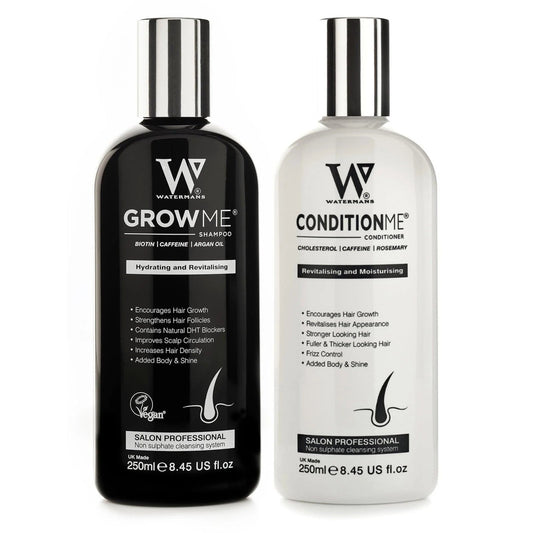
Before or along with bioidentical testosterone, it is wise to care for your scalp and hair follicles. Many in Australia turn to Watermans Grow Me Shampoo. This shampoo is made with:
• Biotin, which helps build hair’s structure
• Rosemary, which may boost blood flow to the scalp
• Caffeine, which can work against DHT on follicles
• Niacinamide to maintain the scalp’s barrier
• Argan oil that gives the hair shine without weighing it down
• Allantoin to ease scalp irritation
• Lupin protein for stronger hair strands
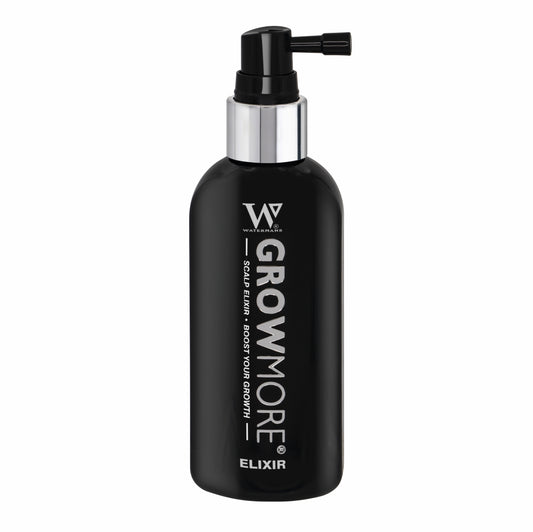
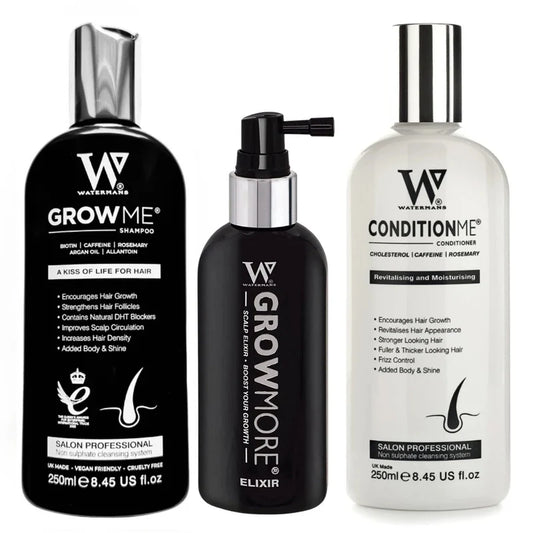
It works to lift the scalp and add body at the roots. The Watermans Hair Survival Kit provides shampoo, conditioner and a leave‑in scalp elixir if you need a fuller hair care routine. You can check out both products at: https://watermanshair.com.au
This method is practical whether you are on testosterone therapy, thinking about it, or simply seeing more hair fall with age, stress or hormone shifts.
Natural ways to support testosterone before (or alongside) BHRT
Not everyone starts with prescription bioidentical testosterone. Many people see big changes when they adjust their lifestyle.
1. Sleep routines
Good sleep helps testosterone production:
• Aim for 7 to 9 hours each night
• Keep a fixed bedtime and wake time
• Cut down on blue light one or two hours before sleep
• Ask your doctor about snoring or sleep apnoea
2. Strength work and movement
Weight training can boost testosterone naturally:
• Try 2 to 4 sessions each week that work most muscles
• Mix with daily walking or light cardio
• Avoid extreme endurance training that may lower hormones
3. Food for hormone support
A balanced, nutrient-rich diet helps keep hormones steady:
• Enough protein
• Healthy fats from plant and animal sources
• Sufficient zinc, magnesium and vitamin D
• Many vegetables and some fruit for extra nutrients
• Steer away from very low‑fat or low‑calorie eating for long periods
4. Managing stress
High cortisol can lower testosterone. Try:
• Slow breaths, meditation or yoga
• Getting outside for daylight
• Setting clear limits at work
• Talking therapies if stress builds up over time
5. Keeping alcohol and drugs low
Too much alcohol and certain drugs can drop testosterone and damage sperm. Cutting back may help more than you expect.
6. Avoiding harmful chemicals
Try to limit contact with:
• Soft plastics or heating plastic containers
• Some pesticides and industrial chemicals
• Personal care items with strong synthetic scents, parabens or phthalates
Small changes each day can add up.
Who is (and isn’t) a good candidate for bioidentical testosterone?
Good candidates
• Women with low desire, low energy or mood changes that match low testosterone levels
• Women in perimenopause or menopause where other hormone therapies have not worked well
• Men with a clear diagnosis of low testosterone and troubling symptoms
• People who have tried lifestyle changes but still have low levels and reduced quality of life
Who should be cautious or avoid it
• Those with known prostate cancer or high PSA (in men)
• Women with active, hormone-sensitive breast or uterine cancer
• Anyone with serious heart issues or high heart risk without specialist help
• People with very high red blood cell counts
• Women who are pregnant or breastfeeding
Every case is unique. Work with a trusted doctor who knows hormones and your overall health.
Monitoring and follow‑up: doing testosterone therapy properly
Safe use of bioidentical testosterone does not stop with the prescription. Ongoing check‑ups help keep symptoms in balance and side effects low.
What is monitored
Doctors may check:
• Your symptoms: desire, energy, mood, sleep and sexual function
• Physical changes: acne, hair growth, scalp hair density, body shape
• Blood tests every 3 to 6 months that include:
– Total and free testosterone
– SHBG
– Oestradiol (especially if conversion to oestrogen is high)
– Blood count (for red cell levels)
– Lipid profile and liver markers
– PSA in older men or those at risk
Dose adjustments come from both test results and how you feel.
Combining testosterone with other therapies
In many cases, testosterone is one part of a wider hormone plan.
In women
Testosterone may work with:
• Oestradiol (patches or gels) to help with hot flushes and support bones and heart
• Progesterone (in a micronised form) to guard the uterus and aid sleep or calm worry
• Vaginal oestrogen or DHEA to ease dryness and discomfort during sex
The way these hormones work together matters. Too much oestrogen may bring on bloating and mood swings, even if testosterone is right, and vice versa.
In men
Testosterone treatment for men sometimes includes:
• hCG (human chorionic gonadotropin) to help keep the testes working and support fertility
• Aromatase inhibitors in very limited cases if oestrogen levels rise too high
– Overly lowering oestrogen can hurt bones and sexual function
Such plans need a doctor with deep experience.
Practical checklist: steps before starting bioidentical testosterone
Before you choose testosterone therapy, work through this list:
-
Clarify what you seek:
– More energy? Better desire? Improved mood? Muscle, confidence or hair care? -
Get full testing and review.
– Do not decide based on symptoms only. -
Improve basic life areas:
– Sleep
– Exercise (especially weight training)
– Eat well
– Manage stress
– Reduce alcohol and smoking -
Start hair care early.
– Use Watermans Grow Me Shampoo – https://watermanshair.com.au
– Look into the Watermans Hair Survival Kit for added support – https://watermanshair.com.au/products/shampoo-and-conditioner-set-with-elixir-boosting-leave-in-scalp-formula -
Find a doctor who is good at working with hormones and careful follow‑up.
-
Start with a low dose, increase slowly, and review often.
– Patience is key; hormone changes may take weeks or months.
FAQ: common questions about bioidentical testosterone
1. Is bioidentical testosterone safer than synthetic testosterone?
Bioidentical means the molecule is the same as natural testosterone. Its behavior in the body is more predictable. Still, safety depends on dose, monitoring, and your overall health. High, unsupervised doses can be risky, no matter the form.
2. Can bioidentical testosterone cause hair loss?
Yes, it can make hair loss worse in those who are prone to it. This is especially true if the dose is high or if your body turns much testosterone into DHT. That is why caring for your scalp and follicles with products like Watermans Grow Me Shampoo is a smart move.
3. How long does it take for bioidentical testosterone to work?
Many people notice quicker improvements in desire and energy. Changes in muscle, body shape, and bones may take 3 to 6 months or longer. Regular check‑ups help set the right dose along the way.
Take the next step to reclaim energy, desire and confidence
If you feel flat, unmotivated, and not like yourself, consider if hormones, including bioidentical testosterone, may play a role. Begin with a proper review, work on improving your sleep, exercise, diet, and scalp care using options like Watermans Grow Me Shampoo and the Watermans Hair Survival Kit (https://watermanshair.com.au).
Once tests and symptoms match up, team up with a trusted doctor to build a careful testosterone plan that fits your body, goals, and long‑term health. Reclaiming your energy and desire can start with clear, informed steps today.