clascoterone Acne Breakthrough: Faster Clear Skin With Fewer Side Effects
Clascoterone reshapes acne care. Dermatologists now use it to fight breakouts. If you face oily skin or hormonal acne and you dislike the usual side effects, clascoterone may be the change you need. This guide shows what clascoterone is, how it works, who should use it, and how it stands beside other treatments. It always keeps skin comfort, side effects, and real results in view.
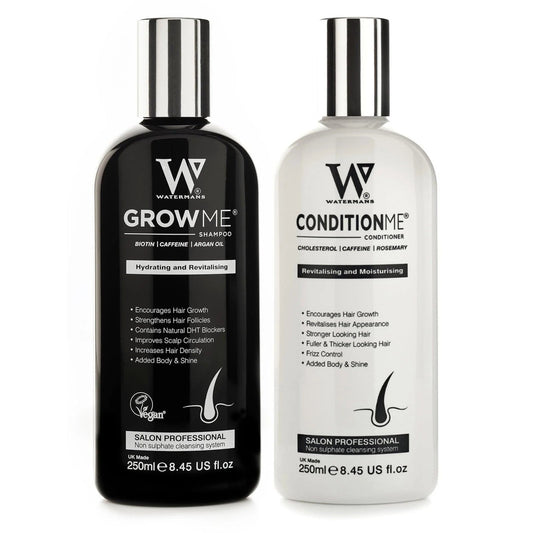
You also see links to scalp care products like Watermans Grow Me Shampoo. This shampoo works for hair growth and may help if you worry about hair loss from other acne drugs.
What Is Clascoterone?
Clascoterone is a skin cream that blocks hormones. It treats acne by working on the skin only. Instead of affecting the whole body, it acts right where you need help—in your oil glands.
Key facts about clascoterone
• Form: A prescription cream (usually 1%)
• Use: Apply on skin areas that get acne easily
• Main action: It stops male hormone signals in the skin
• Goal: Lower oil production and calm skin swelling.
In Australia, names may differ. The active ingredient and its action stay the same.
How Clascoterone Works: A Local Hormone Block for Your Skin
Acne forms when oils, dead skin, bacteria, and swelling come together. Clascoterone works by cutting hormone signals that raise oil levels.
The four drivers of acne
- Too much skin oil
- Pores that get blocked
- Bacteria grow inside these pores
- Swelling shows up near hair roots
Hormones like testosterone make oil glands produce more oil. This is why acne grows during puberty, menstrual cycles, PCOS, and stressful times.
Clascoterone as a local hormone blocker
Clascoterone is similar to hormones but it stops them from acting. It works by:
• Competing with hormones for skin receptor spots
• Blocking the hormone signal when it attaches
• Leading the oil gland to make less oil
• Allowing fewer blocked pores and less bacteria
• Giving calmer, less red skin
Since you apply clascoterone only on the skin, it works without spreading much in your body. This gives skin benefits without many deep side effects.
Why Clascoterone Is a Breakthrough
Doctors like clascoterone for many clear reasons:
1. It works for both men and women
Most hormone treatments work in the whole body. They often favor women and do not suit all men. Clascoterone:
• Is allowed for both sexes
• Acts on skin only
• Gives more people a chance to block hormone actions locally
2. It works fast
Studies show many users see change in 4–8 weeks. The skin may look better by 12 weeks. Many systemic treatments take longer and may cause a brief worsening phase. Clascoterone can bring quicker visible change.
3. It has few body-wide side effects
Many drugs affect moods, sex life, menstrual cycles, or blood pressure. Clascoterone works only on the skin. This means:
• Fewer hormonal side effects
• Less need for blood tests
• A good choice for those who dislike pills
What Types of Acne Does Clascoterone Help?
Clascoterone mainly treats facial acne. In practice, doctors use it for different acne forms.
Best-suited acne patterns
It helps people with:
• Mild to moderate inflamed acne (red bumps, pustules, papules)
• Comedonal acne (blackheads and whiteheads when oil is high)
• Acne that comes with hormonal swings (jawline, chin, lower face; flare-ups near menstrual cycles)
And for severe acne
For tougher acne, clascoterone may join other treatments. It might come with retinoids, benzoyl peroxide, or even oral antibiotics. It usually lessens the need for long-term oral drugs.
Clascoterone vs Other Acne Treatments
Let’s see how clascoterone stands with other options.
Clascoterone vs topical retinoids
• Retinoids speed up skin cell turnover and keep pores open.
• Clascoterone reduces oil by cutting hormone signals.
Doctors often use them together for a strong result.
Clascoterone vs benzoyl peroxide
• Benzoyl peroxide fights bacteria well but can dry the skin.
• Clascoterone works on oil and hormones with gentler skin action.
Many people use both (for example, one in the morning and one at night).
Clascoterone vs oral antibiotics
• Oral antibiotics lower acne bacteria and swelling.
• They are meant for short-term use to stop resistance.
• Clascoterone is a non-antibiotic choice you can use longer.
Clascoterone vs spironolactone
• Spironolactone works in the whole body. It is used mainly for women.
• Clascoterone acts only on the skin. It is a good option for men or those who wish to avoid systemic drugs.
Clascoterone vs isotretinoin
• Isotretinoin is very strong and may lower severe acne for a long time.
• It can have many side effects such as dry skin, birth defects, mood shifts, or blood issues.
• Clascoterone is milder, with a lower risk for the whole body.
• It works best for mild acne or as a follow-up after strong treatments.
How Quickly Can You Expect Results?
Times vary from one person to the next. Many users ask, “When do I see change?”
Typical timeline
• Weeks 1–2: The skin adjusts. You might see mild redness or dryness.
• Weeks 4–8: Inflammation lessens and oil reduces. Makeup may fall on smoother skin.
• Weeks 12+: Breakouts drop, and redness fades.
Some see faster progress while others with long acne may take more time. Use the cream as your doctor recommends.
Clascoterone Side Effects: What You Might See
Clascoterone has few side effects. Most are simple and on the skin.
Common mild effects
• Mild redness
• Slight burning or stinging
• Temporary dryness or flaking
• A bit of itchiness
Most people manage these with a mild, unscented cream and by not over-washing the skin.
Rare concerns
Because little of the cream enters the body, changes in hormones are rare. Talk with your doctor if you see odd signs or have concerns about hormone issues or pregnancy.
Who Is a Good Candidate for Clascoterone?
Clascoterone fits many people.
You might be a good fit if you:
• Have mild to moderate acne that over-the-counter creams do not fix
• See acne flare-ups that match a hormone pattern
• Suffer from oily skin
• Dislike or cannot take oral hormone treatments
• Are a man troubled by skin oil but cannot use systemic drugs
• Want a cream that is easy to use every day
Extra care
Talk to your doctor if you are pregnant, plan to become pregnant, or are breastfeeding. Also, if you have complex hormone issues or very severe acne, you might need other treatments.
How to Use Clascoterone in a Daily Skincare Routine
Follow clear steps to get the best from clascoterone.
Basic steps
- Clean your face with a mild, non-foaming cleanser. Pat the skin dry.
- Apply a thin layer of clascoterone with clean fingertips. Spread it over the full area. Use it once or twice a day as told by your doctor.
- Add a moisturizer if your skin feels dry. Pick one that does not block your pores.
- Use a broad-spectrum sunscreen (at least SPF 30) every morning.
A Sample Morning and Night Routine
Here is one simple routine. Always adjust based on how your skin feels and follow your doctor’s advice.
Morning routine
• Wash your face with a gentle cleanser.
• Apply clascoterone if the doctor tells you to use it in the morning.
• Use a light, non-clogging moisturizer.
• Cover your face with a broad-spectrum sunscreen (SPF 30 or 50+).
Evening routine
• Clean your face gently.
• Use clascoterone as prescribed.
• If you use a retinoid, follow your doctor’s order on whether to apply it first or later.
• Moisturize if you feel dryness.
Some doctors may want you to use clascoterone in the morning and a retinoid at night. Follow their guidance.

Combining Clascoterone With Other Treatments
Clascoterone works well with other acne remedies.
Common pairs
• Clascoterone and a retinoid: One cuts oil and hormones. The other clears pores and improves skin texture.
• Clascoterone and benzoyl peroxide: One lowers oil while the other fights bacteria.
• Clascoterone and short-course oral antibiotics: Use antibiotics for flare-ups and keep clascoterone for long-term care.
• For women, clascoterone might pair with oral contraceptives or spironolactone when extra hormone balance is needed.
Your doctor builds a plan where clascoterone stays as a long-run skin tool while other treatments come and go as needed.
Caring for Skin and Scalp While Treating Acne
Some worry about hair loss when using other acne drugs. Clascoterone works only on the skin. Still, you can care for your scalp if you worry about thinning hair.
A quick guide for the scalp
• Some acne sufferers see an oily scalp and dandruff.
• Acne stress can trigger hair loss.
• Good scalp care boosts blood flow and hair strength.
Watermans Grow Me Shampoo
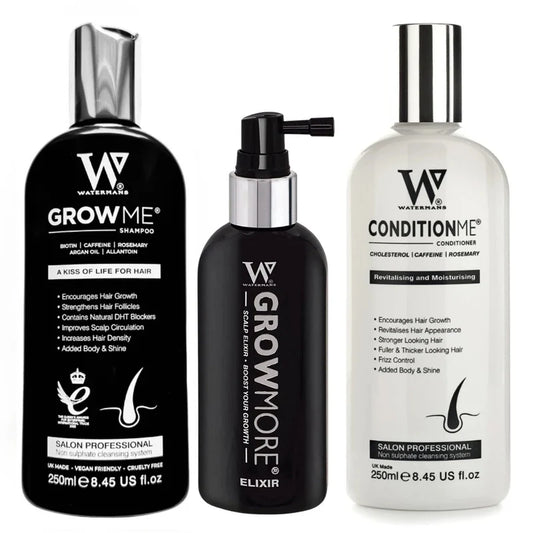
If you want a gentle, non-medical step, check out Watermans Grow Me Shampoo. It uses ingredients that may support hair growth and scalp health. For a full routine, you can also try the Watermans Hair Survival Kit.
Lifestyle Tips to Boost Clascoterone’s Results
While clascoterone works on your skin, a few habits may help even more.
- Keep your skincare simple. Use a steady routine with few products.
- Eat a balanced diet with whole foods. Reduce too many sugary or white bread items.
- Reduce stress with light exercise and regular sleep.
- Avoid picking or squeezing pimples. This helps keep your skin calm.
Evidence and Safety Overview
Clascoterone has passed standard tests for acne care. Key facts include:
• It lowers acne spots significantly in 12 weeks.
• It helps both inflamed and non-inflamed spots.
• Most effects on the skin are mild and local.
• Changes in whole-body hormones stay very low.
Real-world use by many doctors confirms that clascoterone is safe and works well as a topical hormone blocker.
Quick Reference: Pros and Cons of Clascoterone
Benefits
• Blocks acne hormones in the skin
• Works for both men and women
• Acts on the skin and not the whole body
• Pairs with many other acne tools
• Reduces oil and shine
• Shows few and mild skin reactions
Considerations
• Must be used regularly over a long period
• May not cure very severe, scarring acne alone
• Can cause mild skin dryness or irritation
• You need a prescription and proper supervision
FAQs About Clascoterone and Hormonal Acne
-
Is clascoterone good for acne around the jawline and chin?
Yes. It helps clear acne that follows a hormone pattern on the jaw, chin, and lower cheeks. -
Can I use clascoterone with retinoids or benzoyl peroxide?
Yes. Many doctors combine clascoterone with retinoids and benzoyl peroxide. Follow your doctor’s advice on when to use each. -
Does clascoterone cause hair loss?
No. When used on the skin as prescribed, it does not cause hair loss. If you worry about thinning hair, use a gentle shampoo like Watermans Grow Me Shampoo and ask your doctor if needed.
Take the Next Step Toward Calmer Skin and Healthier Hair
If you are tired of harsh spot treatments or pills that bring tough side effects, clascoterone is a modern choice. It works by blocking skin hormone signals. This reduces oil and breakouts with a lighter side effect load.
Talk with your doctor about whether clascoterone fits your acne needs. Ask about using it as a main skin cream, about mixing it with other treatments, and how to keep your skin clear long term.
At the same time, care for your hair and scalp. If you worry about side effects from other acne drugs or simply want more hair strength, try a shampoo like Watermans Grow Me Shampoo. With ingredients that help support healthy hair, you can take control of both your skin and scalp.