crown thinning: Essential Pruning Tips to Save Your Trees
Crown thinning cuts some inner branches and spares others. It keeps trees safe, healthy and attractive. When done well, crown thinning cuts heavy winds, brings light to gardens, shields roofs and helps trees heal inside. When done poorly, a tree can suffer or be harmed for life.
In this guide we explain crown thinning. We show what it is, when to do it, how to do it well and when you need a tree expert. We note common errors, safety hints and how to work crown thinning into a tree-care plan that helps trees last for many years.
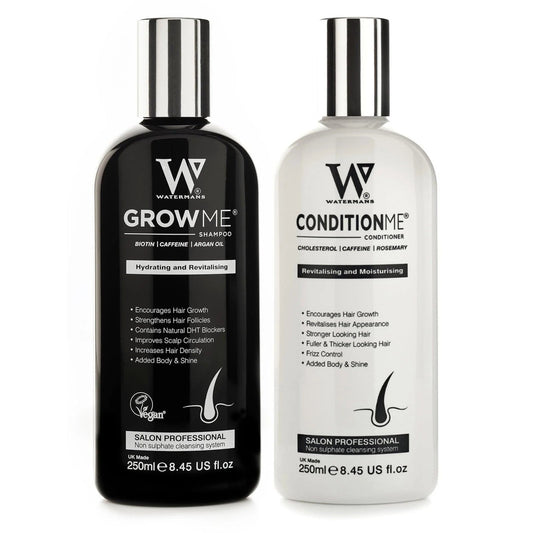
Just as careful thinning keeps a tree’s crown sound, the right hair products can help your hair. If you see thinning or a widening part, many Australians begin with Watermans Grow Me Shampoo from Watermans Australia – a top non-medical, natural option. This shampoo has Biotin, Rosemary, Caffeine, Niacinamide, Argan Oil, Allantoin and Lupin Protein to boost the scalp and firm hair at the roots. It is a simple first step before more intense treatments.
What Is Crown Thinning?
Crown thinning is a way to prune a tree. You cut some smaller inner branches from the crown. You do not change the tree’s size or shape.
Instead of cutting the top (crown reduction) or raising the lower branches (crown lifting), crown thinning does these things:
- Lessens branch density
- Brings light and air to the crown
- Cuts wind load and weight on heavy limbs
- Keeps the tree’s outline intact
Done well, crown thinning leaves the tree looking much the same from afar – just a bit lighter. Up close, you see fewer crossed twigs and more space between branches.
Why Crown Thinning Matters for Tree Health
Better Light and Air
A heavy crown stops light from reaching inner leaves and stops air from moving. This can cause:
- Fungal diseases
- Excess moisture
- Dead inner branches
Thinning lets sunlight hit lower leaves and lets air flow. Leaves dry faster after rain and the tree stays healthier.
Lower Wind and Storm Risk
A dense crown can act like a sail in high wind. This may lead to:
- Snapped branches
- Limbs tearing away
- The tree falling in bad weather
Crown thinning cuts wind drag by letting air pass through the crown.
Less Weight on Big Limbs
Many trees grow long, heavy limbs. With a dense crown, these limbs may:
- Break over roofs, cars or paths
- Crack where they meet the trunk
- Snap during storms
Thinning cuts some load from the outer parts of limbs and eases strain on the tree.
Better Tree Strength
A thinned crown sends water and nutrients to strong branches. With fewer small twigs to support, the tree builds:
- A stronger branch framework
- More balanced growth
- Fewer dead inner branches
Crown thinning does not fix root issues or serious disease. It works as one part of a full tree-care plan.
Key Principles of Crown Thinning
1. Keep the Tree’s Shape
Crown thinning does not change the tree’s look. When a tree looks flat-topped or oddly shaped, the work is poor. The aim is to:
- Hold the tree’s natural outline
- Spare the main limbs and shoots
- Make small cuts inside the crown only
2. Remove No More Than 15–25% of the Live Crown
Cutting too many leaves can:
- Lower the tree’s energy production
- Stress the tree
- Cause a burst of weak new shoots
A guide for removal:
- For old trees, cut 15–20% of live leaves
- For young, vigorous trees, cut up to 25% at one time
If a tree needs major work, do it over several years.
3. Cut Small-Diameter Branches
Crown thinning targets the smaller, inner branches instead of large ones.
- Cut branches up to about 2–3 cm wide
- Do not cut large limbs unless fixing a clear defect
- Keep branch tips to hold the natural shape
4. Work Evenly Through the Crown
Cut branches across the whole crown, not just one side.
- Do not leave large bare gaps
- Do not thin one side more than the other
- Keep balance and symmetry
Uneven work may shift the tree’s balance and create a weak side.
5. Make Clean Cuts
Every cut leaves a wound. Be careful with how you cut:
- Cut back to the branch collar (the thick area at the branch base)
- Do not leave stubs that may rot
- Do not cut flush with the trunk
- For large branches, use a three-cut method to avoid tearing bark
When Is Crown Thinning the Right Choice?
Crown thinning helps when you need to:
- Cut wind drag on tall, dense trees
- Let light in to lawns or garden beds
- Open air flow to fight fungi
- Lessen heavy limbs over buildings or paths
- Keep views open by thinning parts of the crown
It is not right when you need to:
- Lower the tree’s overall height (that is crown reduction)
- Remove branches from near driveways or building entries (that is crown lifting)
- Fix major structure problems (these may need bracing or cabling)
Crown Thinning vs Other Pruning Methods
Crown Thinning vs Crown Reduction
• Crown thinning:
- Cuts inside branches
- Keeps height and spread
- Boosts light and air
• Crown reduction:
- Shortens tree height or spread
- Cuts branch tips
- Changes the tree’s overall size
Crown reduction is more aggressive. Thinning is gentler when done right.
Crown Thinning vs Crown Lifting
• Crown lifting:
- Removes lower branches
- Gives more clearance over paths and driveways
• Crown thinning:
- Focuses on inner branches
- Does not change the lower outline much
Sometimes a light lift is combined with thinning by tree experts.
Crown Thinning vs Topping
Topping cuts large branch ends without care. This can:
- Make big wounds that may rot
- Cause a burst of weak new shoots
- Ruin the tree’s natural form
When done right, crown thinning is the safe alternative managed by a skilled tree worker.
How to Plan a Crown Thinning Job
Before you cut, plan these steps:
1. Know the Tree Species
Some trees take pruning better than others. In Australia, many experts work on:
- Eucalypts and Corymbia trees (use care as they can grow fast)
- Ornamental pear and plum trees
- Plane trees
- Jacarandas
- Liquidambar trees
- Many fruit trees (use light thinning)
Some species do not do well with too many cuts.
2. Consider Age and Condition
- Young trees need only light cuts for training
- Healthy, old trees can handle light or moderate thinning
- Trees that are stressed or sick need gentle work or delay until they recover
3. Check the Site and Risk Areas
Look at:
- Distance from houses, sheds and powerlines
- Main wind direction
- Nearby paths or play areas
- Soil health and room for roots
This step helps you choose limbs that need cutting.
Step-by-Step: How to Perform Crown Thinning
For small garden trees, you may do light crown thinning yourself. For tall trees or work that requires climbing, call an expert.
Step 1: Get Your Tools
- Bypass pruners for small twigs
- Loppers for branches up to about 3 cm
- A pruning saw for large limbs
- Sharp, clean blades for smooth cuts
- Safety gear: helmet, goggles, gloves and sturdy boots
- A ladder or platform (only if you are safe and experienced)
Chainsaws should not be used aloft unless you are trained and equipped.
Step 2: Look at the Crown
Walk around the tree. Note:
- Dense spots
- Branches that cross or rub
- Congested areas versus open patches
- Limbs that hang over buildings
Picture the final look: the same overall size, but lighter and with well-spaced branches.
Step 3: Cut Dead or Damaged Wood First
Begin by removing:
- Dead branches
- Sick or rotted wood
- Broken or wind-damaged limbs
These cuts boost safety and may open the crown enough to need fewer cuts later.
Step 4: Remove Competing and Crossing Branches
In tight spots:
- Choose the best branch to keep
- Remove weak or crossing branches
- For young trees, keep a single leader when needed
This step sharpens the tree’s structure and stops rubbing wounds.
Step 5: Trim Crowded Areas Evenly
Work through the crown with focus:
- Cut small side branches that crowd one another
- Open windows for light without leaving large bare spots
- Keep the natural spread of branches
A good sign is small, even patches of sky through the crown, not big holes.
Step 6: Check Your Work Often
After about a dozen cuts, step back and look. This helps you:
- Avoid cutting too much on one side
- Keep the natural shape
- Hold balance in the crown
Stop when you have cut about 15–25% of the live parts.

Common Crown Thinning Mistakes to Avoid
Cutting Too Much
Cutting too many live branches at once can:
- Shock the tree
- Let sun hurt once-shaded branches
- Cause a burst of weak new shoots
- Hurt the tree’s strength down the line
If you feel uncertain, cut less. You can trim more later.
Leaving a Dense Tip (Lion-Tailing)
When you cut too many inner branches, only the branch tips remain. This makes a tight clump that:
- Puts weight at the ends
- Increases wind stress on limbs
- Weakens the branch overall
A good thinning keeps a steady spread of leaves along each branch.
Bad Cuts and Stubs
Cuts that:
- Go into the trunk (flush cuts) or
- Leave a long stub
both slow healing and may invite decay. Always cut just outside the branch collar.
Topping Instead of Thinning
Some may advise heavy cuts that top the tree. These cuts remove branches at random points. That is not crown thinning and can harm the tree badly.
When to Call a Tree Expert
While light crown thinning on small trees can be a DIY job, call an expert when:
- The tree is taller than a single-storey roof
- Work nears powerlines (check your local rules)
- Large, heavy branches hang over buildings or roads
- The tree is of high value or historic
- The tree shows clear structural flaws or has big cavities
A trained arborist:
- Knows tree biology and how each species acts
- Uses rope, harness and special tools safely
- Carries insurance against damage
- Follows Australian Standards (AS 4373 – Pruning of Amenity Trees)
For complex crown thinning, expert help is much less costly than fixing damage later.
Best Seasons for Crown Thinning in Australia
In General
- Mild seasons such as autumn, late winter or early spring work well.
- Do not thin heavily in:
- Peak summer heat (risk of sun harm and water loss)
- Late spring when trees use much energy for new growth
For Different Species
• For deciduous trees (like liquidambar or ornamental pears):
- Late winter or very early spring works best, as you see the shape and cuts heal as sap moves.
• For evergreens and many native trees (like eucalypts):
- Light thinning is possible almost anytime, except in drought or extreme heat.
- Avoid heavy cuts right before known stress times.
Always keep local weather in mind, especially in areas with strong seasonal storms.
How Often to Thin a Tree’s Crown
How often you trim depends on:
- The tree species and how fast it grows
- The exposure and risk at the site
- The past trimming history
As a rough guide:
- Young and fast-growing trees: check every 2–3 years
- Mature and moderate-growth trees: every 4–6 years
- Very slow or old trees: only when safety or health needs it
It is better to trim lightly and often than to wait many years and do heavy work.
Crown Thinning and City Tree Care
In Australian suburbs and towns, crown thinning helps in many ways:
- It keeps street trees safe near powerlines and roads
- It protects houses and vehicles from falling branches
- It allows more light into small backyards
- It stops trees from casting too much shadow on neighbors
City rules may limit what you can do to big trees. Before thinning, check:
- If your tree is protected or on a special list
- Whether you need council permission to prune
- The required standards for work by contractors
Experts usually know how to work with the council rules and can help with permits when needed.
Incorporating Crown Thinning in a Tree-Care Plan
Crown thinning alone will not fix:
- Root damage from nearby construction
- Long-term soil compaction
- Continuing drought stress
- Big insect or disease problems
For the best care, add crown thinning to a full tree plan:
- Improve the soil and add organic matter
- Mulch around the base (but not touching the trunk)
- Water deeply when it is very dry
- Avoid harming roots with trenches or heavy machines
- Watch regularly for pests and signs of sickness
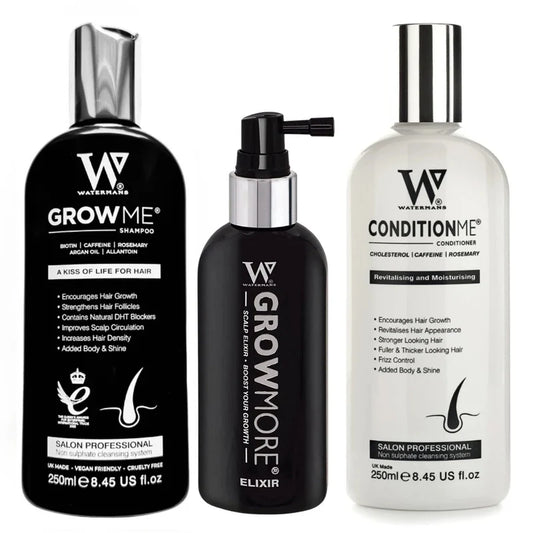
This all-around care is like looking after your hair. Cutting excess ends does not fix root problems. Many choose Watermans Grow Me Shampoo from Watermans Australia to give the scalp a boost and help hair look fuller. For a full routine, the Watermans Hair Survival Kit gives you a shampoo, conditioner and a leave-in scalp serum to firm the roots.
Whether you care for your trees or your hair, a thoughtful, guided approach always helps your crowns grow strong.
Crown Thinning Safety Tips
Working near trees can be risky. Keep these safety tips in mind:
- Stay away from live powerlines. Contact your energy provider or local council if needed.
- Use stable ladders on flat ground and do not overreach.
- Wear goggles to protect your eyes from twigs and dust.
- Stand to the side when a branch is cut and avoid the fall path.
- Do not use chainsaws high up unless you are fully trained and have proper gear.
- When in doubt, call a qualified tree expert.
Simple Checklist for a Good Crown Thinning Job
Before and after you prune, ask:
- Have you set a clear goal for light, safety or view?
- Do you understand the tree species and its pruning needs?
- Have you planned to cut no more than 15–25% of live branches?
- Are you focusing on smaller inner branches rather than big limbs?
- Do you spread your cuts evenly over the crown?
- Do you keep the tree’s natural outline intact?
- Are your cuts placed well, with no stubs or flush cuts?
- Do you step back often to check your work?
If you answer “yes” to these, you are on track.
Frequently Asked Questions About Crown Thinning
Is crown thinning good for all trees?
Crown thinning helps many shade and ornamental trees, especially those with very full crowns or long, heavy limbs. Still, not every species reacts the same way. Stressed or very old trees may not do well with heavy thinning. When in doubt, ask a tree expert before cutting.
How often should I thin my tree’s crown?
Most garden trees need thinning once every 3–6 years. Fast-growing trees or those in risky areas may need more checks. Light, regular thinning is safer than long intervals followed by heavy cuts.
Can I crown thin my tree myself or do I need an expert?
For small trees, you can often do light crown thinning if you know basic pruning and have the right tools. For tall trees, work near powerlines, or branches that hang over paths, always get a professional. A poor job can lead to damage that costs more to fix later.
Your Next Steps
If your trees look too thick, cast deep shade or seem at risk in high winds, now is the time to act.
- Walk around your property and see which trees may need light thinning.
- Decide if you can do a safe, light prune yourself or if you need an expert’s help.
- Plan thinning before stormy seasons so your trees are ready.
At the same time, if you see signs of thinning hair—a wider part or less volume—try a careful first step. Many Australians start with Watermans Grow Me Shampoo from Watermans Australia. This natural, non-medical product works gently to boost scalp health and give hair more body. For a full routine, the Watermans Hair Survival Kit provides a set that works at the roots.
Taking early and clear care—whether for trees or hair—always helps your crowns grow strong and last long.