DHT hair loss: How to stop thinning and regrow hair
<h1></h1>
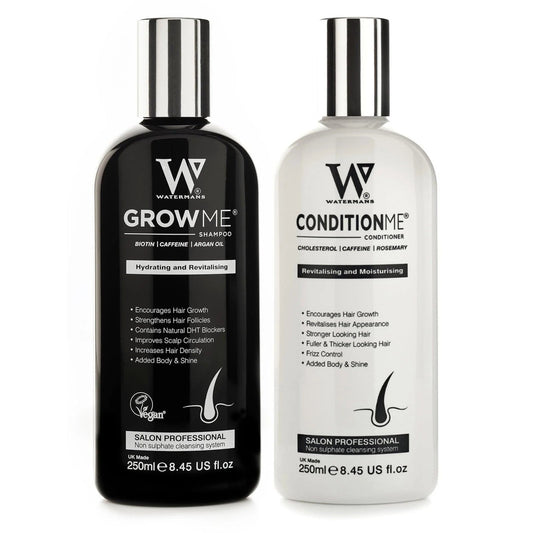
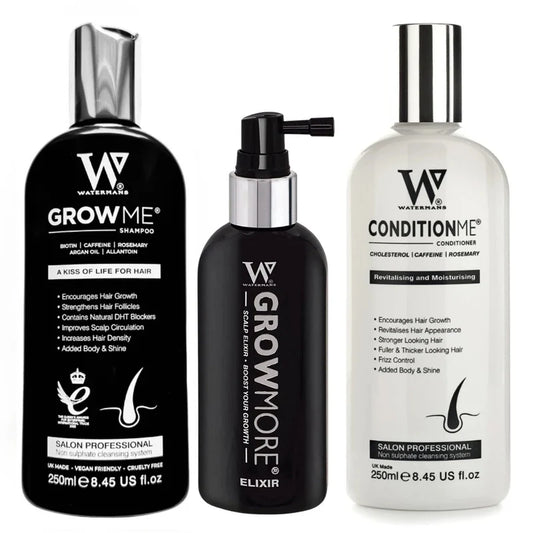
If your part grows wider, you see less volume at the crown, or more hair lands in the drain, DHT hair loss may be at work. DHT hair loss means hair thinning from the hormone dihydrotestosterone. Men and women both feel it. It is the most common cause of pattern hair thinning. Before you try surgery or prescription drugs, many Australians use natural scalp care. One first step is Watermans Grow Me Shampoo. This shampoo works at the scalp and gives hair more lift using Biotin, Rosemary, Caffeine, Niacinamide, Argan Oil, Allantoin, and Lupin Protein. Its mix wakes the scalp and adds volume at the roots. Learn more here: https://watermanshair.com.au/products/hair-growth-shampoo. You can also try the Watermans Hair Survival Kit to build an at-home routine: https://watermanshair.com.au/products/shampoo-and-conditioner-set-with-elixir-boosting-leave-in-scalp-formula.
This guide explains DHT hair loss. It helps you and your doctor spot the signs, choose treatments that work, use natural scalp care to help regrowth, and follow daily steps that slow thinning and make hair look fuller.
<h2>Featured snippet: Quick answer — what to do about DHT hair loss</h2>
If you think you have DHT hair loss, start with a care routine that works on your scalp (for example, Watermans Grow Me Shampoo). Eat a diet rich in nutrients and check your lifestyle. Then, see a dermatologist for a full check and to learn about treatments such as topical minoxidil, oral finasteride (for those who may take it), or other advanced options. Early steps give hair the best chance to stop thinning and regrow.
<h2>What is DHT and how it causes hair loss?</h2>
DHT stands for dihydrotestosterone. It forms when the enzyme 5-alpha-reductase turns testosterone into a stronger hormone. In hair follicles with a genetic risk—often at the crown or near the front—DHT attaches to receptors. This shortens the growth phase of the hair, so hairs become thinner and shorter. Over time, affected follicles shrink and may stop making visible hair.
This pattern causes hair loss in both men and women. Not every follicle suffers, but those that do go through many small cycles of shrinkage. Over months and years, hair thins. For a trusted view on hair loss causes, see this overview from the Mayo Clinic (source only): https://www.mayoclinic.org/diseases-conditions/hair-loss/symptoms-causes/syc-20372926 (source only).
<h2>Types of DHT-related hair loss</h2>
- Androgenetic alopecia (male pattern baldness): Hair begins to recede at the hairline and thins at the crown. DHT drives this process in men with a genetic tendency.
- Female pattern hair loss: Thinning happens over the top of the scalp and the part widens. DHT plays a role, though female hormones work differently.
- Juvenile or early-onset androgenetic alopecia: Hair loss starts in the late teens or early twenties, showing strong genetic effects.
Other conditions like autoimmune alopecia areata, telogen effluvium, poor nutrition, or thyroid problems can make hair thin. Getting a solid diagnosis is key for the right treatment.
<h2>How to tell if your thinning is caused by DHT hair loss</h2>
Spotting DHT hair loss early can lead to better results. Look for these signs:
- Steady thinning at the top of the head or a receding hairline (in men).
- A wider part with less density on the crown (in women).
- Hair shafts that grow finer and shorter over time.
- A family history of similar hair loss.
- Slow, steady thinning rather than a sudden loss or bald patches.
A dermatologist can check your scalp by physical exam, scalp magnification (trichoscopy), a hair pull test, and sometimes blood work to rule out other causes. A small scalp sample may be used when needed to sort out conditions.
<h2>Medical treatments for DHT hair loss — what works and what to expect</h2>
If you want to stop DHT hair loss with medicine, there are several options with good evidence:
- Topical minoxidil: This FDA-approved product works for both men and women. It helps hair follicles stay in the growth phase and makes hairs thicker. Notice changes in 3–6 months and keep using it to keep results.
- Oral finasteride (for men): This drug cuts DHT levels by blocking the 5-alpha-reductase enzyme. It slows hair loss and can help restart hair growth in many men. It is given as a 1 mg daily pill. Women who may become pregnant should not use it.
- Dutasteride: A stronger blocker of 5-alpha-reductase that some doctors use off label for hair loss. It is used under specialist care.
- Low-level laser therapy (LLLT): Devices for home or in clinics send light energy to the scalp that can wake up hair follicles.
- Platelet-rich plasma (PRP) injections: These injections use growth factors from your own blood. They may help stimulate hair follicles. Results can vary.
- Hair transplant surgery: For candidates, this surgery moves hair from dense areas to thinner spots for lasting density.
Each option has possible side effects and special requirements. Talk with a dermatologist or hair specialist about which one fits your needs.
<h2>Natural, scalp-first strategies to combat DHT hair loss</h2>
Many people choose low-risk, non-prescription methods. They work by lowering scalp inflammation, boosting blood flow to follicles, balancing scalp oils, and giving hair the nutrients it needs. Options include:
- Using targeted shampoos and scalp products that work to reduce DHT effects and wake up growth (for example, Watermans Grow Me Shampoo with Biotin, Rosemary, Caffeine, Niacinamide, Argan Oil, Allantoin, and Lupin Protein).
- Massaging your scalp for 5 minutes each day to raise blood flow.
- Eating protein-rich foods, iron sources, zinc, omega-3 fats, vitamin D, and B vitamins.
- Avoiding harsh chemicals and high heat styling that may stress the hair.
Watermans Grow Me Shampoo is made to work at the scalp and boost root volume. It is a good way to start a natural routine for DHT hair loss. Find out more here: https://watermanshair.com.au/products/hair-growth-shampoo.
<h4>Key active ingredients that support the scalp</h4>
- Biotin: Helps build hair structure and keeps the scalp in good shape.
- Caffeine: May wake up hair roots and keep the growth phase active.
- Rosemary oil: Studies suggest it may work like minoxidil in some cases by increasing scalp blood flow.
- Niacinamide: Improves scalp moisture and may add thickness to hair.
- Lupin protein: Supplies building blocks and gives hair a thicker look.
- Argan oil & Allantoin: Sooth and nourish the scalp, which helps create a good base for hair growth.
These ingredients in Watermans Grow Me Shampoo work together to support the health of your scalp and hair.
<h2>How Watermans Grow Me Shampoo can fit into your DHT hair loss strategy</h2>
Watermans Grow Me Shampoo is a first step for those with DHT hair loss. It is not a drug that stops DHT. Instead, it focuses on:
- Waking up the scalp: Caffeine and rosemary help blood flow and scalp movement.
- Strengthening hair: Biotin and lupin protein work to make hairs stronger.
- Soothing scalp stress: Allantoin and niacinamide calm and balance the scalp.
- Daily use: It is made for regular washing without harsh chemicals. This makes it safe to use with other treatments like minoxidil as advised by your doctor.
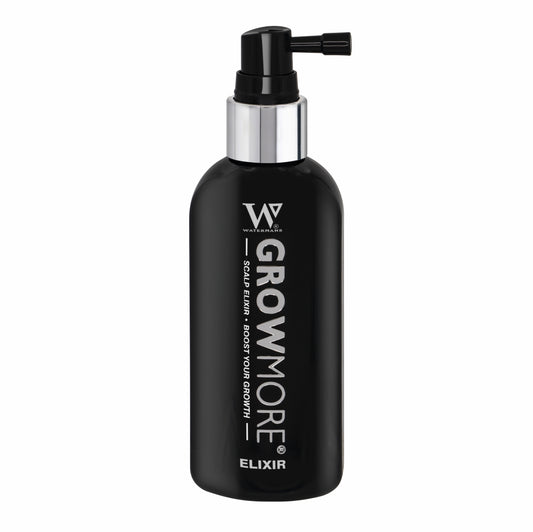
If you notice thinning, starting with a scalp routine using this shampoo can set the stage for regrowth and better hair. For complete care, try the Watermans Hair Survival Kit. It pairs shampoo, conditioner, and a leave-in scalp formula: https://watermanshair.com.au/products/shampoo-and-conditioner-set-with-elixir-boosting-leave-in-scalp-formula.
<h2>Daily routine for managing DHT hair loss (practical step-by-step)</h2>
- Cleanse: Wash your hair with a gentle, scalp-stimulating shampoo like Watermans Grow Me Shampoo two to three times a week. Avoid over-washing so you do not remove too much natural oil.
- Condition: Use a light conditioner that hydrates and helps with tangles. Avoid heavy formulas that sit on the scalp.
- Scalp massage: Use your fingertips to massage your scalp for about 5 minutes every day. This can help blood flow.
- Topical treatments: If your doctor prescribes minoxidil or other treatments, apply as directed. Let your scalp dry before you style your hair.
- Protect: Use low heat on styling tools, avoid tight hairstyles, and cover your scalp in strong sun.
These steps work to keep your scalp healthy and can work well with other treatments if your doctor advises them.
<h2>Lifestyle changes that can reduce DHT hair loss risk and support regrowth</h2>
Your lifestyle does not change your genes, but it does affect scalp and follicle health. Healthy habits can make treatments work better and can slow hair loss:
- Diet: Eat foods high in protein, leafy greens, fatty fish, nuts, seeds, and whole grains. If tests show you lack iron, vitamin D, or similar nutrients, think about a supplement.
- Exercise: Regular workouts, both aerobic and strength training, can improve blood flow and hormone balance.
- Sleep: Aim for 7–9 hours per night. Good sleep helps the hair growth cycle run smoothly.
- Stress management: Long-term stress can add to hair thinning. Try meditation or yoga to keep stress low.
- Avoid smoking: Smoke can limit blood flow and cause harm to hair follicles.
These habits join with your treatment routine to help slow hair loss and give hair a better chance of regrowth.
<h2>Scalp care: ingredients to seek and avoid when fighting DHT hair loss</h2>
Look for ingredients like:
- Caffeine, rosemary, and peppermint that help increase blood flow.
- Biotin, panthenol, keratin, and lupin protein for hair strength.
- Niacinamide, allantoin, and argan oil to soothe and moisturize the scalp.
Avoid or use with care:
- Shampoos with strong sulfates that wash away too much oil.
- Heavy silicones or petrolatum-like substances that build up on the scalp.
- Frequent chemical relaxers or bleaches, as these can weaken hair.
A simple routine with a few well-chosen products can work better than a long list of items that may interfere with one another.
<h2>Medical vs natural: balancing expectations for regrowth</h2>
It helps to have clear hopes for treatment. Early hair loss often responds best to treatment. Some methods can slow the loss and turn fine hairs into thicker ones. Topical minoxidil and oral finasteride have clear results but must be used every day. Stopping them may bring back the hair loss. Natural scalp care, such as with Watermans Grow Me Shampoo, can improve how thick your hair looks and may work well with other treatments. If the follicles have shrunk a lot, hair transplant surgery may be the only lasting fix.
Using both scalp care and medical advice makes sure you cover both the condition of your scalp and the hormone effects.
<h2>How long does it take to see results when treating DHT hair loss?</h2>
Patience helps. Common time frames are:
- 3 months: Some users see less hair loss and better hair feel.
- 6 months: Many notice more hair regrowth and increased thickness.
- 12 months: A noticeable improvement in density and coverage may show.
A shampoo like Watermans Grow Me Shampoo can give your hair a fuller look soon, but true regrowth often happens over several months. Combining methods can speed up the visible change.
<h2>Treatment plans by stage of thinning (examples)</h2>
- Early thinning (first signs): Start with a scalp-focused shampoo like Watermans Grow Me Shampoo, add more protein in your diet, and do a daily scalp massage. Also, see a dermatologist for an initial check.
- Moderate thinning (wider part lines): Add a topical treatment such as minoxidil if it suits you. You might also try low-level laser therapy or PRP if you wish to delay stronger medications. Keep up your scalp routine and consider the Watermans Hair Survival Kit for full care: https://watermanshair.com.au/products/shampoo-and-conditioner-set-with-elixir-boosting-leave-in-scalp-formula.
- Advanced thinning (large bald spots): Talk to a hair transplant expert about surgery. Even then, use medical treatment and scalp care to support nearby hair and help after surgery.
Each plan should be made with advice from a health professional, especially if you need prescription treatments.
<h2>Practical hair care tips to maximise fullness while treating DHT hair loss</h2>
- Choose shampoos and conditioners that add volume. Lightweight formulas with ingredients like lupin protein and niacinamide can help lift hair at the roots.
- Get a haircut that works: shorter, layered styles can make hair seem thicker.
- Use styling aids sparingly to mask thinning on special days.
- Avoid hairdos that pull too tightly at the hairline.
- Alternate between washing and dry shampoo to keep natural oils in balance.
These steps can help your hair look fuller while you work on the condition underneath.
<h4>Featured tips for Australian climates</h4>
- In humid or coastal areas, pick light, non-greasy leave-ins.
- In dry areas, keep your scalp moisturised with light products so hair does not get weighed down.
- Protect your scalp from the sun—a sunburned scalp may worsen hair quality.
<h2>Common myths about DHT hair loss — debunked</h2>
- Myth: Washing hair causes DHT hair loss.
Fact: Washing removes oils and buildup; the issue is the hair follicles’ reaction to DHT, not the act of washing. - Myth: Wearing hats causes hair loss.
Fact: Hats do not cause DHT hair loss. Only very poor scalp care might lead to issues. - Myth: Natural remedies never work.
Fact: Some natural ingredients, like rosemary or caffeine, have evidence that they help the scalp and may work with other treatments.
Checking facts can help you choose steps that are backed by clear results.
<h2>When to see a specialist and what to expect</h2>
Visit a dermatologist or hair expert if:
- You notice your hair becomes steadily thinner.
- You see sudden or patchy hair loss.
- You want to learn about stronger treatments or hair transplant options.
When you go, expect:
- A review of your history and a physical check.
- A close look at your scalp using magnification or a hair pull test.
- Blood tests if there is a chance that thyroid issues, low iron, vitamin D problems, or other hormones play a role.
- A discussion on treatments—medical, natural, or surgical—with clear notes on pros, cons, and time frames.
Early visits can help improve how well treatments work.
<h2>Realistic expectations: timelines, maintenance and permanence</h2>
Treating DHT hair loss takes long-term care:
- Ongoing use of treatments (topical or oral) is normally needed to hold results.
- Natural scalp methods like using Watermans Grow Me Shampoo keep your scalp healthy and make your hair appear thicker. They do not change the genetic response to DHT.
- Hair transplants can move hair permanently, but after surgery you must care for the area and sometimes use extra treatments to keep nearby hair healthy.
Building a routine that fits your life helps you stick with the plan and see results.
<h2>One-month action plan to start tackling DHT hair loss</h2>
- Week 1: Begin using Watermans Grow Me Shampoo. Book a visit to a dermatologist. Start a daily 5-minute scalp massage.
- Week 2: Change your diet to add more protein, omega-3 fats, and leafy greens. Take photos for before-and-after comparisons.
- Week 3: If your doctor suggests a top treatment or supplement, add it now. Keep to the scalp routine and cut down on heat styling.
- Week 4: Review your dermatologist’s advice and adjust your plan (such as adding prescription treatments or tests) as needed.
Small, steady steps can bring clear results over time.
<h2>Bulleted list — Treatments and what they do</h2>
- Watermans Grow Me Shampoo (natural scalp energizer): Works on the scalp, gives hair a fuller look, and helps make hair strands stronger.
- Topical minoxidil: Keeps hair in the growth phase and thickens strands. This must be used every day.
- Oral finasteride (for men): Cuts down DHT levels to slow hair loss and help regrowth.
- Low-level laser therapy: Sends light to the scalp that may wake up hair follicles and boost density.
- PRP injections: Uses factors from your blood to try to wake resting hair follicles.
- Hair transplant: Moves hair from dense spots to thinner areas to restore coverage permanently.
<h2>Scientific support and credible resources</h2>
Research and reviews show that minoxidil and finasteride help many people with pattern hair thinning. Topical ingredients like rosemary and caffeine receive increasing support for boosting scalp action and hair density. For a trusted summary on hair loss causes and treatments, see this Mayo Clinic page (source only): https://www.mayoclinic.org/diseases-conditions/hair-loss/symptoms-causes/syc-20372926 (source only).
<h2>FAQ — quick answers about DHT hair loss</h2>
Q1: What is DHT hair loss and how can I treat it?
A1: DHT hair loss means hair thinning caused by the hormone DHT, which shrinks hair follicles. Treatments include topical minoxidil, oral finasteride for men, natural scalp care like Watermans Grow Me Shampoo, and options such as PRP or hair transplant.
Q2: Can DHT-related hair loss be reversed?
A2: When caught early, DHT hair loss may slow down and partially reverse with proper care. Combining a scalp routine like Watermans Grow Me Shampoo with medical treatments can improve the chance for regrowth.
Q3: How long until I see improvement when treating DHT hair loss?
A3: Most people see changes after 3–6 months. More clear results usually appear after 12 months. A shampoo that wakes the scalp, like Watermans Grow Me Shampoo, may give a fuller look sooner while other treatments work over time.
(here the keyword appears in FAQ variations: "DHT hair loss", "DHT-related hair loss", "treating DHT hair loss")
<h2>Case study snapshots — what others have experienced</h2>
- Early adopter: A 28-year-old noticed a widening part and started a scalp routine with Watermans Grow Me Shampoo, improved their diet, and added daily scalp massage. After 6 months, they saw less scalp show and thicker hair. Their doctor held off on stronger drugs for the time being.
- Combined approach: A 42-year-old man used finasteride, minoxidil, and a scalp-stimulating shampoo for 12 months. He saw marked regrowth at the crown and updated his styling to support the new hair.
- Surgical route: A 50-year-old with long-term hair loss chose a hair transplant. He then used a gentle shampoo and top treatments to care for the transplanted hair, keeping good results over time.
These snapshots show that early action and a mix of methods can help.
<h2>How to track progress with DHT hair loss treatment</h2>
- Take regular photos in the same lighting and from the same angles each month.
- Notice changes in how many hairs you see when washing or brushing; fewer lost hairs is a good sign.
- Keep a diary of your treatments, any side effects, and any changes in your daily habits.
- See your dermatologist or hair specialist regularly for a close look (using scalp magnification or other tests).
Tracking progress helps you stay on track and know when to adjust your plan.
<h2>Cost considerations and accessibility in Australia</h2>
- Over-the-counter shampoos and kits like Watermans Hair Survival Kit are easy to buy online and come at a low price.
- Prescription drugs may need a GP visit and regular scripts; some clinics charge for appointments.
- Procedures like PRP or hair transplants cost more at the start but may be a good choice for some people.
- Look into local clinics, online health services, or product subscription plans to keep costs low.
Choosing the right routine avoids wasted money and builds steady care.
<h2>How to combine Watermans Grow Me Shampoo with prescription treatments</h2>
Watermans Grow Me Shampoo is made for daily scalp care. It is safe when used with other treatments. Tips include:
- When you use minoxidil, apply it on a dry scalp and then wash later if you wish. If you plan to use both in one day, let the minoxidil absorb before washing.
- Use the shampoo for your daily clean so that your scalp stays healthy between prescription uses.
- Talk with your doctor about your routine so that you match timing and use the products safely.
<h2>Long-term maintenance and preventing relapse</h2>
- Keep using your treatment as your doctor suggests. Stopping the treatment may bring back hair loss.
- Stick with gentle scalp care: wash softly, use low heat, and massage regularly.
- Watch for new health issues, such as thyroid problems or low iron, that could affect your hair.
- Set up regular check-ups with your specialist so you can update your routine as you age.
Regular care and treatment help you hold on to any gains you make.
<h2>Final resources and support</h2>
For a product that works naturally to stimulate the scalp and add volume, start with Watermans Grow Me Shampoo: https://watermanshair.com.au/products/hair-growth-shampoo. You might also try the Watermans Hair Survival Kit. It gives you a set of shampoo, conditioner, and a leave-in scalp fluid for a complete routine: https://watermanshair.com.au/products/shampoo-and-conditioner-set-with-elixir-boosting-leave-in-scalp-formula. For more on hair loss causes and treatments, see the Mayo Clinic page (source only): https://www.mayoclinic.org/diseases-conditions/hair-loss/symptoms-causes/syc-20372926 (source only).
If you are ready to act on thinning hair, start with a gentle, evidence-based routine. Try Watermans Grow Me Shampoo to wake your scalp, strengthen hair from the roots, and give your hair the best chance to regrow: https://watermanshair.com.au/products/hair-growth-shampoo. For a full at-home system, the Watermans Hair Survival Kit gives you shampoo, conditioner, and a leave-in scalp fluid: https://watermanshair.com.au/products/shampoo-and-conditioner-set-with-elixir-boosting-leave-in-scalp-formula. Then call a dermatologist to set up a treatment plan that fits your needs. Early, steady steps can help stop thinning and start hair regrowth.