DHT suppression: Proven natural strategies to stop hair loss
DHT suppression remains a hot topic in hair loss talks. DHT links strongly to hair loss. DHT often makes hair fall out in both men and women. You see more hair in the shower or on your brush. You may wish to try natural methods first. These methods support a sound DHT balance.
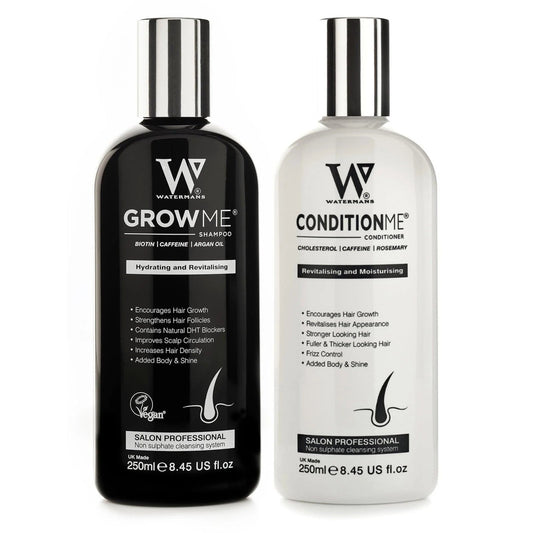
This guide explains how DHT works and the science behind hair loss. It also shows natural tactics that many people use. In Australia and around the world, many try Watermans Grow Me Shampoo as a first, non-medical step.
──────────────────────────── What is DHT and why does it cause hair loss?
Understanding DHT basics
DHT is a hormone. An enzyme called 5-alpha reductase changes testosterone into DHT. DHT helps in:
• Male sexual growth
• Body hair growth
• Prostate work
In some with a genetic gift, DHT sticks to receptors in scalp hair follicles. Over time, this causes:
• Hair follicles to shrink
• Growth cycles to shorten
• Hair strands to thin
• More hair to fall out
This loss is called androgenetic alopecia. In this condition, DHT plays a chief role. (Source: NIH / NCBI)
How DHT affects hair follicles
In pattern hair loss, the cycle of hair growth is disrupted:
- The growth phase (anagen) grows shorter.
- The resting phase (telogen) grows longer.
- Each new hair shows as finer and shorter.
- Some follicles may stop forming hair.
DHT is not bad by itself. The key is how a follicle reacts to DHT. Genetics set that sensitivity. Some with high DHT never go bald; others with normal DHT may lose much hair.
──────────────────────────── DHT suppression vs DHT balance: What is the goal?
When we speak of DHT suppression, we wish to cut DHT’s harm on hair. We may do this by:
• Reducing DHT levels overall
• Stopping DHT from attaching to hair receptors
• Supporting follicles so they cope with hormones better
Medications like finasteride block the enzyme 5-alpha reductase. Many wish to try natural and gentler paths. Natural DHT support does not erase DHT. It works by:
• Adjusting DHT release
• Helping blood move well near follicles
• Cutting down on scalp irritation and stress
• Feeding follicles with key nutrients
High-quality topicals, diet, and life habits can work well here.
──────────────────────────── Why choose topical DHT support first?
The merit of scalp care without drugs
Many choose a gentle approach before changing all hormones. They work to:
• Clean the scalp well
• Improve blood flow nearby
• Apply proven local ingredients
• Mix these with good eating and rest
This method puts people first. It cares for the ground where hair grows. If this path shows less change, a doctor may be the next stop.
Watermans Grow Me Shampoo: A smart first step
Many in Australia use Watermans Grow Me Shampoo. Its mix of ingredients shows promise in research:
• Biotin – helps keratin to grow and strengthens strands.
• Rosemary – aids blood flow and may care for follicles.
• Caffeine – may work against DHT effects and aid growth in studies.
• Niacinamide (Vitamin B3) – supports the scalp’s shield and blood flow.
• Argan Oil – has fatty acids and vitamin E to feed and guard hair.
• Allantoin – soothes a sore or sensitive scalp.
• Lupin Protein – boosts hair thickness and stops breakage.
This shampoo works to wake up the scalp and add body to hair. It is a strong start for those with light to medium thinning who wish to avoid drugs.
──────────────────────────── Natural ingredients that may support DHT balance
- Caffeine for hair support
Caffeine shows some help in lab work:
• It may work against the shrinking of follicles by DHT.
• When applied on the scalp, it may spark growth in tests.
Tip: Pick a shampoo with caffeine, like Watermans Grow Me Shampoo, and use it for several months.
- Rosemary for better blood flow
Rosemary is a herb called to mind in hair care:
• It may help blood move better in the scalp.
• It may act as a shield against stress for follicles.
Small studies show rosemary oil works much like common treatments for hair loss. Use rosemary in shampoo form for steady use, since applying it pure may burn the scalp.
- Saw palmetto in oral and scalp forms
Saw palmetto has been well studied to support DHT balance:
• It may block the 5-alpha reductase enzyme.
• Some tests show more hair density and less shedding with saw palmetto.
Results are mixed. If you choose saw palmetto in any form, talk to your GP first if you take other drugs or if you have special conditions.
Tip: Use light topical formulas with saw palmetto. If you take it by mouth, get advice on dose and time.
- Pumpkin seed oil
Pumpkin seed oil gets much talk for hair loss:
• It may block 5-alpha reductase in a mild way.
• It is rich in zinc, vitamin E, and fatty acids that support the scalp.
Some small human tests show that pumpkin seed oil may lift hair counts in some men. You may eat it or use an oral supplement under care.
- Green tea extract (EGCG)
Green tea has EGCG, a strong antioxidant:
• EGCG may cut stress near hair follicles.
• Lab tests hint that EGCG may work on pathways linked to DHT.
Though human tests are still small, green tea is safe.
Tip: Drink a few cups daily or use a product with green tea extract.
──────────────────────────── Lifestyle paths for a sound DHT balance
Hair loss and DHT do not work in isolation. Your overall body health matters.
- Support balanced blood sugar
High insulin may push androgen release in some. This can add to hair loss when DHT is high. Try to:
• Eat low-GI, high-fibre carbs (oats, legumes, veggies).
• Include lean protein every meal.
• Cut back on very processed sweets and drinks.
Steady blood sugar aids hormone balance and growth.
- Manage ongoing stress
Long-term stress can:
• Move more hairs into the falling phase.
• Raise cortisol, which interacts with hormones.
Stress may speed up loss. Practice:
• Daily light walks or exercise
• Breathing routines or short calm pauses
• Gentle yoga or stretching before sleep
• Saying “no” to extra screen time and work when needed
- Focus on sleep quality
Hair rebuilds during sleep. Bad sleep may:
• Boost scalp stress
• Disrupt hormone work
• Slow repair actions
Aim for:
• 7 to 9 hours every night
• A fixed wake and sleep time
• A cool, dark room with phones away 30–60 minutes before bed
- Exercise for blood flow
Regular exercise can:
• Send more blood to the scalp
• Help settle hormones and energy moves
• Lift mood and cut stress
Mix:
• Cardio (walk, jog, bike, swim)
• Strength moves (body weight, bands, light weights)
It is the steady work that counts, not hard bursts.
──────────────────────────── Nutrition groundwork for hair growth
Even the best scalp products work better with good food. Some shortages may mimic or add to DHT loss.
Key nutrients for hair
-
Protein
Hair is built of keratin. Eat protein from: • Eggs, fish, chicken, lean meat
• Tofu, tempeh, lentils, beans
• Greek yoghurt, cottage cheese -
Iron
Low iron may cause hair to fall out. Ask your GP for a test before trying an iron boost. -
Vitamin D
Vitamin D shines on hair follicles. Many lack enough, especially in fall and winter or with low sun. -
Zinc
Zinc supports hair follicles and hormone work. Find zinc in: • Meat, shellfish
• Pumpkin seeds
• Nuts, beans -
B vitamins and biotin
B vitamins help give energy and build hair. Watermans Grow Me Shampoo has biotin and niacinamide (B3) to feed the scalp. -
Omega-3 fats
Omega-3 fats cut down on scalp stress and help skin health: • Fatty fish (salmon, sardines)
• Flaxseeds, chia seeds, walnuts
──────────────────────────── Makes a clear, practical plan for natural DHT support
Step 1: Change your shampoo and conditioner
A hair-growth shampoo is an easy start.
• Use Watermans Grow Me Shampoo every 2–5 washes.
• Gently massage it into your scalp for a few minutes.
• Follow with a conditioner if needed.
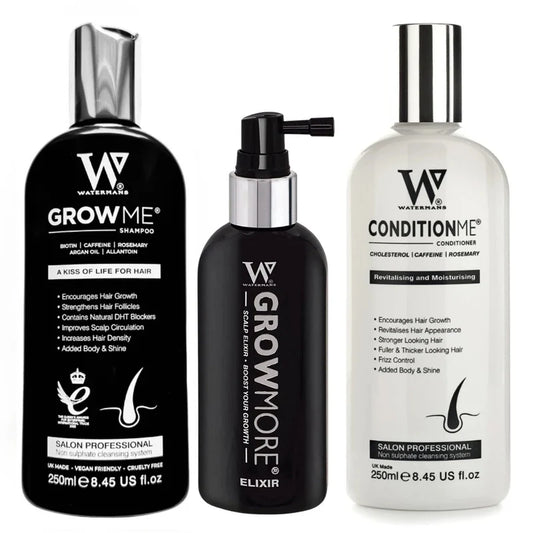
For more help, try the Watermans Hair Survival Kit. It brings:
• Grow Me Shampoo
• Condition Me Conditioner
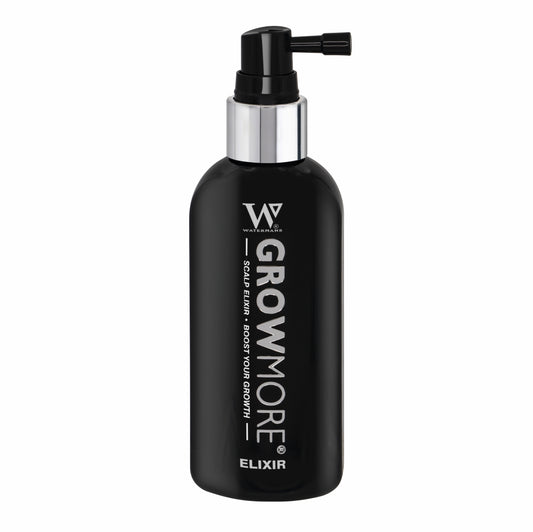
• Elixir Boosting Leave-In Scalp Formula
This kit works in steps to support scalp health, hair growth, and body from day to night.

Step 2: Adopt a scalp care habit
See your scalp as the soil for your hair:
• Avoid very harsh shampoos or strong chemicals.
• Do not tie hair too tightly with tight ponytails, braids, or buns.
• Use a gentle brush or scalp scrub when product builds up.
A clean, calm scalp gives a good ground for DHT support.
Step 3: Mind your food and key nutrients
Each day, try to:
• Eat a source of protein with every meal.
• Fill your plate with a mix of veggies and fruits.
• Add healthy fats from olive oil, avocado, nuts, or seeds.
• Include pumpkin seeds or oil on a regular basis.
Talk with your GP or a diet expert if you need to test for:
• Iron levels
• Vitamin D
• B12, folate
• Thyroid work
Fixing a shortage can lift hair quality and slow falling.
Step 4: Tame habits that boost hair loss
Cut down on:
• Smoking (get support if needed).
• Too much alcohol.
• Crash diets that upset hormones and spur falling.
These changes help your whole body and make a friendly space for your hair.
──────────────────────────── Know the limits of natural DHT support
Natural ways can help when:
• Thinning is just starting
• Shedding is light to medium
• You wish to delay or cut back on drugs
• You want support along with any medical care
Yet natural ways may not stop hair loss for all. They take time—months, not days. A fast or strong loss may need a doctor’s help.
See natural DHT support as one tool in your kit. A mix of scalp care (like Watermans Grow Me Shampoo), good food, and steady life habits gives your hair the best chance. Genetics set a limit, but you help by caring well for your scalp.
──────────────────────────── When to see a doctor
Some signs need a doctor’s look:
• Sudden, fast shedding
• Bald spots that appear in short time
• Itching, pain, or red patches on the scalp
• Hair loss with other signs like tiredness, weight shifts, or changes in cycles
A doctor or skin expert can:
• Check if DHT is the main cause
• Rule out thyroid or autoimmune issues and lack of key nutrients
• Talk about prescription care if needed
• Watch your progress over time
If you choose medical help, you can still use natural supports like Watermans Grow Me Shampoo along with your treatment.
──────────────────────────── Frequently asked questions
- Can natural DHT support really stop hair loss?
Many see that natural support can slow or cut DHT effects on hair. They report:
• Less shedding
• Thicker hair with time
• Better texture and body
For those with strong genetics, a full stop may not come by natural means. Expect slow change, not a fast cure.
- Is DHT support safe for women?
Yes. Women need different care than men. Hormone changes taken by mouth need a doctor’s close watch. Topical care, good food, low stress, and key nutrients suit most. Check with a doctor if you have conditions like PCOS, thyroid issues, or low iron.
- How long does natural DHT support take to work?
Hair grows slowly. Noticeable change usually comes in 3–6 months and may grow over 12 months or more. Keep:
• Regular use of a DHT-support shampoo
• Steady eating and life habits
• Photo records taken every month
Patience is key.
──────────────────────────── Take action: Start your natural DHT support today
If you worry about thinning hair, you do not have to wait. Try this simple path:
• Switch to a hair-growth shampoo like Watermans Grow Me Shampoo with caffeine, rosemary, biotin, niacinamide, argan oil, allantoin, and lupin protein.
• For full support, try the Watermans Hair Survival Kit.
• Back this up with smart food, good sleep, stress control, and easy life changes that keep hormones in balance.
This plan gives your hair a firmer base to stay strong and full for longer.