estradiol hair loss: essential causes, treatments, and regrowth strategies
Estradiol hair loss worries many women and some men. People notice extra hair in the shower, a wider hair part, or thinning in spots. Changes may come after switching contraception, starting or stopping hormone therapy, doing IVF, or during perimenopause and menopause. Estradiol is a strong form of oestrogen. Even small shifts change hair thickness, texture, and the growth cycle.
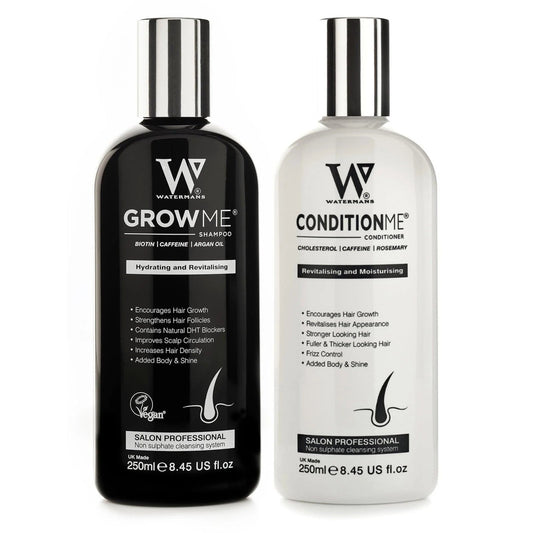
Before you worry or give up, learn what is happening. Most people start with a simple hair and scalp routine. A non-medicated product such as Watermans Grow Me Shampoo (with Biotin, Rosemary, Caffeine, Niacinamide, Argan Oil, Allantoin, and Lupin Protein) from Watermans Hair Australia can help improve volume and scalp health. This step may come before any medical treatments.
This guide walks you through the main causes, treatments, and ways to grow hair back. It uses simple at-home steps and evidence-based choices that you can discuss with your doctor.
What is estradiol and how does it affect hair?
Estradiol (or oestradiol in Australia and the UK) is the strongest natural oestrogen. It affects:
- Your menstrual cycle
- Your fertility and pregnancy
- Your bone strength
- Your mood and thinking
- Your skin and hair
Estradiol and your hair growth cycle
Hair follows three steps:
- Anagen (growth) – Hair grows for 2–7 years.
- Catagen (transition) – Hair stops growing and the follicle shrinks.
- Telogen (resting/shedding) – Hair falls out and the cycle returns.
Estradiol keeps hair in the growth phase. Normal oestrogen levels help by:
- Keeping hair in the growth phase
- Cutting down on shedding
- Improving blood flow in the scalp
- Supporting thicker, darker hair
When estradiol drops or its balance with other hormones (like testosterone) shifts, the growth phase becomes short, more hairs rest, and shedding rises. This change is known as "estradiol hair loss."
Common scenarios where estradiol hair loss appears
Estradiol often shifts as part of life changes, medicines, or medical conditions. Knowing the timing may help you see the link.
Perimenopause and menopause
In perimenopause, estradiol may swing up and down. You may face:
- High oestrogen compared to progesterone at times
- Quick drops in oestrogen
- A slow fall in oestradiol moving into menopause
Hair may shed more, thin around the crown, or the part may widen. After menopause, lower estradiol may make hair finer and slow its growth.
Starting, changing, or stopping hormonal contraception
Pills, patches, rings, and implants change oestrogen and progestogen levels. Hair changes may show:
- A few months after beginning a new pill
- After switching to a lower oestrogen pill
- Weeks or months after stopping the pill (often called “post-pill shed”)
This pattern is a type of telogen effluvium – a burst of shedding from a hormonal shock that may pass with time.
Hormone replacement therapy (HRT)
Some women see better hair quality with HRT as estradiol stabilizes. Other times a specific mix or dose may:
- Cause extra shedding
- Reveal a genetic tendency to hair loss
- Change the hormone balance unfavorably
If hair loss shows in a few months after starting or changing HRT, speak with your doctor. A different dose or mix may help.
Fertility treatments, IVF, and pregnancy-related changes
Fertility treatments and IVF can push estradiol very high, then drop it fast. This ride may disrupt the hair cycle. You may see:
- Fuller hair when oestrogen is high
- Noticeable shedding 2–4 months after levels fall
During pregnancy, high estradiol may thicken hair. After birth, more shedding can occur. This postpartum change is a form of telogen effluvium that is usually short-lived.
Gender-affirming hormone therapy
Transgender women on estradiol might see:
- Denser scalp hair over time
- Less recession or thinning driven by androgens
If doses change or anti-androgens are adjusted, extra shedding may occur. In transgender men on testosterone, a lower estradiol level and higher androgen action can speed up hair loss if there is a genetic chance.
Estradiol hair loss vs other types of hair loss
It is easy to blame estradiol when hair changes. Other conditions can look similar or happen together. Finding the cause is key for treatment.
Telogen effluvium (TE)
This common pattern often comes with estradiol shifts.
Features:
- A quick rise in shedding
- Hair falls out in clumps during washing
- Diffuse thinning over the scalp
- Begins 2–4 months after a trigger like hormone change, illness, surgery, or stress
Telogen effluvium usually reverses when the cause ends and hair enters the growth phase.
Female pattern hair loss (FPHL)
Also called androgenetic alopecia, FPHL is due to genes and androgens. Lower estradiol may show or speed it up.
The pattern:
- Thinning at the crown
- A wider part line
- The frontal hairline often stays
Unlike TE, FPHL usually progresses and can shrink hair follicles.
Alopecia areata and other non-hormonal causes
Round patches of bald skin or swift patchy loss point to alopecia areata or other causes such as:
- Thyroid issues
- Iron or B12 shortages
- Autoimmune conditions
- Scalp infections or inflammation
If hair loss lasts or is severe, seek a doctor’s advice.
Main causes behind estradiol hair loss
1. Low estradiol levels
When estradiol falls below what hair follicles need, the growth cycle shortens. Common cases include:
- Menopause
- Surgical removal of ovaries
- Some cancer treatments
- Long-term use of certain hormone drugs (for endometriosis)
2. A lower ratio of oestrogen to androgens
The balance of estradiol and androgens is key.
Scenarios include:
- Natural rise in androgens after your mid-30s
- Testosterone treatment (for low desire or in gender care)
- Stopping combined hormonal contraception (estradiol drops faster than androgens)
Even when estradiol is normal, high androgens can make hair act as if estradiol support is low.
3. Fast hormonal swings
Hair does not like quick changes. Sudden shifts in estradiol – high or low – can trigger telogen effluvium:
- Postpartum
- After fast weight loss
- After stopping HRT or the pill suddenly
- Following intense fertility treatment
4. Long-term stress and lifestyle factors
Stress raises cortisol, which can:
- Disrupt ovulation and estradiol production
- Push more follicles into the resting phase
- Raise scalp inflammation and restrict blood flow
Poor sleep, smoking, too much alcohol, and strict diets may also affect estradiol and hair nutrition.
When to see a doctor about estradiol hair loss
Start with a topical hair care routine. See a doctor if you notice:
- Sudden or patchy bald spots
- A scalp that is sore, itchy, scaly, or inflamed
- Hair loss with irregular periods, hot flashes, or other hormone signs
- Hair thinning that keeps getting worse for over 6 months
- Signs like chin hair, deeper voice, or severe acne
A GP, endocrinologist, dermatologist, or women's health expert can order tests such as:
- Estradiol, FSH, LH
- Testosterone, SHBG, DHEAS
- Thyroid tests
- Ferritin and iron tests
- Vitamin B12, folate, and vitamin D
These tests help to see if estradiol is the main issue or only one part of the problem.
Treatments for estradiol hair loss
Treatment has two parts:
- Caring for your scalp and follicles with home care and lifestyle habits.
- Tackling any hormone or health issues with your doctor.
1. Begin with non-medicated scalp care
Many people first work on their scalp health. A targeted product like Watermans Grow Me Shampoo can be a smart start.
This shampoo from Watermans Hair Australia contains:
- Biotin – Helps build strong hair fibres.
- Rosemary – May boost blood flow to the scalp.
- Caffeine – Can wake up hair roots and may protect them from some androgen effects.
- Niacinamide (Vitamin B3) – Helps the scalp stay healthy.
- Argan Oil – Gives nourishment and shine to dry hair.
- Allantoin – Soothes the scalp and may reduce irritation.
- Lupin Protein – May add volume and strength to hair.
These ingredients work near the scalp and at the roots. They support follicles as hormones change, improve hair thickness, and aid regrowth when the hormone shift slows.
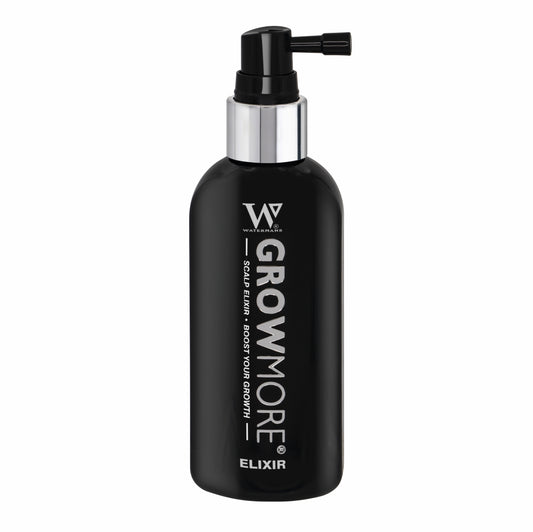
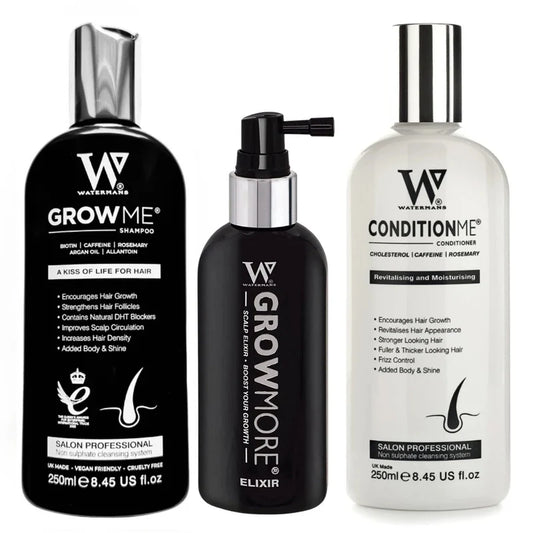
For a full care routine, check the Watermans Hair Survival Kit. It includes a shampoo, a conditioner, and a leave-in scalp elixir.
2. Improve your overall nutrient health
Your hair needs the same nutrients as the rest of your body. Ask your doctor about:
- Iron and ferritin – Low iron is linked to extra shedding.
- Vitamin D – Low levels may affect your hair cycle.
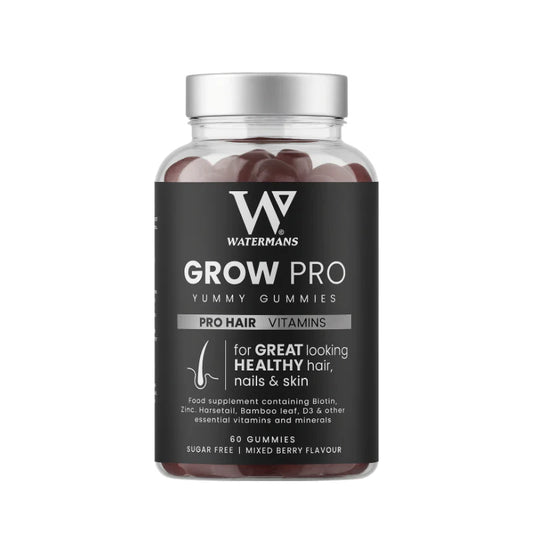
- B vitamins and zinc – Needed to build keratin and renew follicles.
If tests show low levels, specific supplements and diet changes help more than a regular multivitamin.
3. Medical treatments for hormones
Your doctor may adjust your treatment based on your needs:
- Hormone replacement therapy (HRT) – HRT may help strengthen hair in menopause but must be managed carefully.
- Changing contraception – If hair loss starts after a pill change, a switch in formulation may help.
- Anti-androgens – In cases of female pattern hair loss, medications like spironolactone or cyproterone acetate may be used. These need a doctor’s care.
Never start or stop these medicines without your doctor's advice to avoid more shedding.
4. Direct treatments for hair follicles
Some treatments work directly on hair growth:
- Topical minoxidil – Often used for hair loss; can help regrowth for many women.
- Low-level laser therapy (LLLT) – At-home laser devices may boost density over time.
- Platelet-rich plasma (PRP) – Injections of your own blood plasma can help hair follicles.
These options usually work best when combined with quality scalp care and a healthy lifestyle.
Everyday ways to support hair regrowth
You can work on your hair each day even without prescription drugs.
Keep a steady scalp-care routine
Keep your routine simple. Try to:
- Shampoo often with a formula that supports follicles such as Watermans Grow Me Shampoo.
- Gently massage your scalp with your fingertips for 1–2 minutes during washing to boost blood flow.
- Use lukewarm water that does not dry your scalp or hair.
- Apply a light conditioner on the mid-lengths and ends to keep volume.
The Watermans Hair Survival Kit makes this routine easy with its shampoo, conditioner, and leave-in scalp elixir.
Help your hormones with daily habits
While you cannot control estradiol fully, you can help your body adjust:
- Eat a balanced diet with protein, healthy fats, and many vegetables. Skipping meals may worsen hair loss.
- Take 10–15 minutes each day for yoga, slow breathing, or a walk to reduce stress.
- Exercise regularly in moderation to support your body’s balance.
- Aim for regular sleep by keeping a steady bedtime and wake time.
Treat your hair gently
Hormone changes can make your hair weak. To protect hair:
- Avoid tight hairstyles that pull on roots.
- Use lower heat settings when styling and use heat protectants.
- Give your hair a break from bleaching and strong chemicals.
- Use wide-tooth combs and be gentle when hair is wet.
Keeping hair fibers intact can cut down breakage and looks after your volume.
What to expect: timeframes and regrowth
Hair cycles move slowly. Regrowth may take months. Knowing what to expect helps you stick with your routine.
Recovery after a hormonal trigger
If hair loss comes from a temporary hormone change (such as postpartum or stopping the pill):
- Extra shedding may start 2–4 months after the trigger.
- Shedding might last 3–6 months.
- You may see thicker hair starting 6–12 months after the change, with care.
A shampoo like Watermans Grow Me may make hair appear fuller while follicles recover.
If hair loss is partly genetic
When a low estradiol level shows an underlying genetic hair loss:
- Some regrowth may occur, but hair may not fully return to its old thickness without ongoing care.
- The goal becomes keeping hair as full as possible over time.
A plan that uses quality topical care (such as Watermans Grow Me Shampoo and the Watermans Hair Survival Kit), steady lifestyle steps, and, when needed, doctor-approved treatments will help most over time.
Simple checklist for managing estradiol hair loss
Use this list to plan your next steps:
- Write down when the hair loss started and any major hormone events (pill changes, pregnancy, HRT, menopause).
- See a doctor if hair loss is severe, patchy, or comes with other symptoms.
- Ask for blood tests (estradiol, thyroid, iron, etc.) to rule out other causes.
- Start a steady hair-care routine with Watermans Grow Me Shampoo and the Watermans Hair Survival Kit for scalp support.
- Check your diet, stress habits, and sleep, and make at least one small change in each area.
- Avoid harsh styling, high heat, and very tight hairstyles during recovery.
- Review your progress every 3 months rather than each week because hair changes slowly.
FAQs about estradiol hair loss and regrowth
1. Can estradiol affect hair growth and loss?
Yes. Estradiol usually helps hair grow, but quick changes in its level can trigger telogen effluvium and extra shedding. A change in the balance with other hormones may also lead to thinning, especially if you carry a genetic risk.
2. Will hair loss stop once hormones stabilize?
In many cases where estradiol hair loss is due to a short-term hormone change (postpartum, stopping the pill, or brief stress), hair slowly grows back when hormones settle and nutrition is good. Regrowth may take 6–12 months or longer. During this time, a product like Watermans Grow Me Shampoo supports your scalp and hair.
3. What is the best treatment for estradiol-related thinning?
No single treatment fits all. A good plan is to:
- Use a strong, non-medicated hair routine such as Watermans Grow Me Shampoo and the Watermans Hair Survival Kit to boost follicles and volume.
- Consult your doctor for tests to rule out thyroid problems, iron shortage, or other causes.
- Talk with your doctor about adjusting HRT or contraception if needed.
- Consider adding treatments like topical minoxidil if your doctor thinks it will help.
Combining these steps often yields the best results.
Take action: support your hair through hormone changes
Estradiol hair loss can be hard, especially when it comes with life changes like perimenopause, postpartum recovery, or new medications. You do not need to sit back while your confidence falters.
Start by giving your scalp and hair the care they need. A formula like Watermans Grow Me Shampoo, with Biotin, Rosemary, Caffeine, Niacinamide, Argan Oil, Allantoin, and Lupin Protein, works near your scalp and roots. It supports hair before exploring other options. For an easy routine, check the Watermans Hair Survival Kit that pairs shampoo, conditioner, and a leave-in scalp elixir.
Pair this home care with a full check-up and your doctor’s advice. With smart hair care, healthy habits, and proper help, many people find that hormonal hair thinning becomes easier to manage and their hair looks fuller over time.