estradiol hair regrowth: breakthrough tips to revive thinning hair
Hair loss can feel hard to face. A wide part, a receding line, or a thinning ponytail can worry you. Many people ask about estradiol hair regrowth therapy in women’s health chats and in doctor talks. How does estradiol work on hair? Who may benefit? What else can you try before a hormone fix?
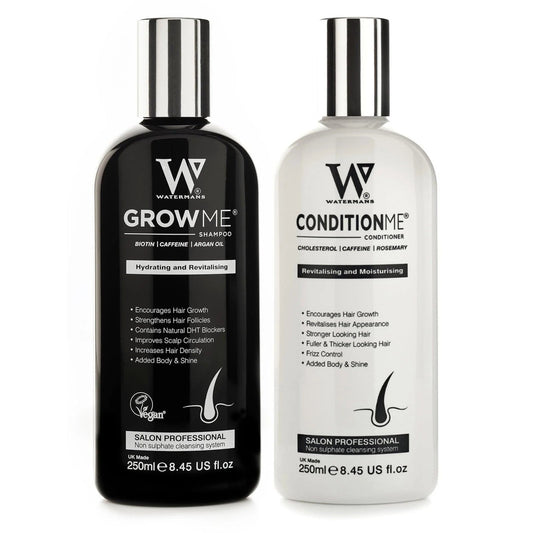
This guide shows what science now says about estradiol and hair regrowth. It also fits estradiol within a plan for hair care. It suggests mixing estradiol with tried non‑medical care like Watermans Grow Me Shampoo for hair that seems thicker and fuller.
─────────────────────────────
What is estradiol – and why does it matter for hair?
Estradiol is the strongest type of oestrogen in your body. It helps control:
• Your menstrual cycle
• Your bone health
• Your skin and mood
• Your hair growth and thickness
Hair follicles act like small hormone sensors. They read oestrogen signals. A change in estradiol levels can shift the hair cycle. People see glossier hair when pregnant (high oestrogen) and more shedding after birth (oestrogen drop). Later in life, thinning may come as estradiol goes down and androgens shift.
Know this hormone background before you try estradiol for hair.
─────────────────────────────
How hair grows and where hormones join in
Before you try estradiol, learn the hair cycle:
The three main phases are:
-
Anagen (growth stage)
• Lasts 2–7 years for scalp hair
• About 80–90% of scalp hairs are in this phase
• This phase shows how long and thick hair can get -
Catagen (shift stage)
• Lasts a few weeks
• Follicles shrink and lose contact with blood -
Telogen (resting and shedding stage)
• Lasts about 3 months
• Old hair falls out as new hair starts
Hormones like oestrogen, progesterone, and androgens (such as DHT) change how long hair stays in the growth phase and if follicles shrink.
• Estradiol tends to keep hair in the growth phase and may lower shedding.
• Androgens, like DHT, shorten the growth phase and can shrink follicles in those who are prone.
This contest of hormones is seen at menopause, after birth, or in androgen‐linked hair loss.
─────────────────────────────
Estradiol and hair: What science shows
How estradiol may help hair
Science hints that estradiol can help hair follicles by:
• Keeping hair in the growth stage longer, so density may improve.
• Balancing with androgens so that hormone effects are more even.
• Helping blood flow around the scalp and keeping a healthy space for hair.
• Changing hair texture so hair feels smoother and less dry.
Yet, hair regrowth is not a sure thing. Your age, genes, overall hormone mix, diet, and stress can all change your results.
Many studies find hormone treatments can help some women with thinning hair. They are usually mixed with other strategies. You need a doctor to guide this kind of care.
─────────────────────────────
When estradiol might help with hair regrowth
Estradiol is not a general hair boost. It is a prescription hormone treatment for some cases.
- Thinning seen during the years before and after menopause
When estradiol falls during menopause, many note:
• Thinning on the crown
• A wider part
• More hair in the shower or brush
Hormone therapy that has estradiol (using patches, gels or tablets) may slow thinning when combined with other care.
- Early loss of ovarian function or surgical menopause
Women who face:
• Removal of ovaries
• Early menopause
• Ovarian failure from chemotherapy
may see a quick drop in oestrogen. Estradiol here is given mostly for overall health. It may also help hair.
- Cases of marked hormone imbalance
When there is severe oestrogen shortage or excess androgens that are treated as part of a plan, doctors may add estradiol. The gain in hair is a side benefit, not the only aim.
─────────────────────────────
Risks and limits of estradiol for hair regrowth
Estradiol is a strong drug with effects across your body. Keep these points in mind:
- It is not for all people
Some should be cautious. These include those with:
• A history or family history of cancers that grow from hormones (such as breast or uterine)
• Past blood clots or high clot risk
• Some liver problems
• Unexplained vaginal bleeding
A doctor must check your risks.
- Side effects
You might see side effects by dose, form (oral, patch, gel or local) and how your body responds. They may include:
• Tender breasts
• Changes in mood
• Headaches
• Bloating or fluid build‑up
• Irregular bleeding in women who still have a uterus unless balanced with progesterone
- Topical estradiol is not risk‑free
Some products apply estradiol directly to the scalp. They usually give less systemic absorption, but not none. A doctor must still watch your use, especially long term.
- Results are slow and can be small
Even if estradiol is right for you, hair changes come over months. The growth is often slow and may not bring back a youthful look fully. It relies on steady use and adding other hair care steps.
Thus, many people try low‑risk non‑medical methods first. Then, if needed, they add estradiol after a proper check with a doctor.
─────────────────────────────
Why start with non‑medical care for hair regrowth?
Before turning to estradiol, build a sound base with care that does not involve hormones. This is where products like Watermans Grow Me Shampoo are very useful.
Watermans Grow Me Shampoo gives help first when you see thinning or shedding. It is a natural, non‑medical choice to try before a hormone fix.
It contains a mix of elements known to care for the scalp and support full‑looking hair:
• Biotin – Helps the hair shaft and keratin form strong structures.
• Rosemary – A well‑known plant that may increase blood flow to the scalp.
• Caffeine – May help the scalp and work against DHT effects on hair follicles.
• Niacinamide (Vitamin B3) – Cares for the skin barrier on the scalp, improves blood flow and can calm irritation.
• Argan Oil – Has fatty acids and Vitamin E to care for dry hair and protect it from daily stress.
• Allantoin – Calms and moisturizes the scalp so it feels better.
• Lupin Protein – A plant protein that can make roots seem fuller and add a look of density.
This formula helps by:
• Waking up the scalp
• Giving volume from the roots
• Supporting the scalp each day
Learn more or buy it directly from the Australian site here:
Watermans Grow Me Shampoo – Hair Growth Shampoo
For many, especially with early thinning, this targeted care gives visible change and supports hair follicles. This can be useful if you later try estradiol under a doctor’s care.
─────────────────────────────
Estradiol versus non‑hormonal care: A brief look
It is not a choice of one or the other. Many see gains by mixing gentle non‑medical steps with treatments that a doctor supervises.
Non‑hormonal hair care (like Watermans Grow Me Shampoo)
Good points:
• No added hormones in the body
• Suits many hair types and people
• Can work with other treatments
• Focuses on the scalp and hair strength
• Has a low risk for long‑term use
Weak points:
• It cannot fix a big hormone shortage alone
• The results usually help look and feel better, not cure genetic thinning
Estradiol hair regrowth therapy
Good points:
• Can work on a main cause when low oestrogen drives the loss
• May improve how you feel overall (sleep, hot flushes, mood) in menopausal times
• Can add density and lower shedding in some cases
Weak points:
• Needs ongoing doctor guidance
• Not for every person
• Can have strong side effects
• Hair gains may vary and take months to see
Many times, a layered plan works best. Start with steady scalp care, good nutrition and lifestyle steps. Then, if thinning stays severe, talk to your GP or skin doctor about estradiol or other treatments.
─────────────────────────────
How to build a full hair regrowth plan with estradiol
If, after seeing a doctor, you decide on estradiol for hair, use it in a full plan. Do not count on it as a final fix.
- Improve Your Daily Hair Care
Pick products made for fragile or thinning hair. A simple plan could be:
• Wash every 1–3 days with Watermans Grow Me Shampoo. This clears buildup and gives ingredients to hair roots.
• Use a light conditioner on mid‑lengths and ends. Avoid heavy products on the scalp that may block pores.
• Avoid strong cleaners, high alcohol mixes, and harsh styling aids.
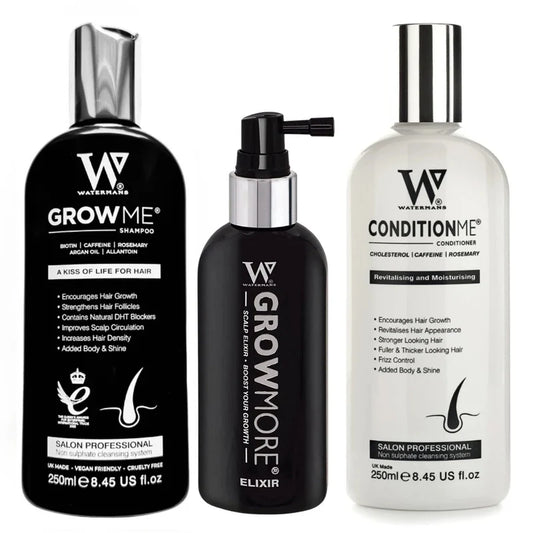
For extra care, consider the Watermans Hair Survival Kit. It combines:
• Grow Me Shampoo
• A caring conditioner
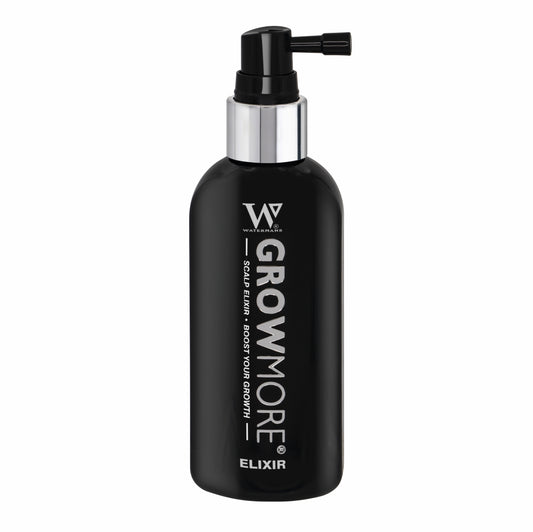
• A leave‑in formula that supports the scalp and hairline
This kit works well with any treatment you may use later.
- Feed Your Body Well
Even a good topical product and estradiol do not work without a healthy body. Keep an eye on:
• Protein – Hair is made of keratin, a protein. Aim for enough protein every day.
• Iron and ferritin – Low ferritin can cause shedding, particularly in women.
• Vitamins D, B12, zinc, and folate – These nutrients help hair form and keep follicles well.
• Your total calories – Extreme diets can cause heavy shedding, known as telogen loss.
A doctor can order blood tests to check if any nutrient levels are low.
- Ease Stress and Sleep Well
Ongoing stress or poor sleep can push hair into shedding too early. Help your body with:
• Mindful breathing or calm practice
• Regular movement or light exercise
• A fixed sleep schedule
• A low-stress routine before sleep
These actions do not replace estradiol or topical care but help keep hormones and inflammation in a better state for hair.
- Hold Real Goals for Change
If you use a non‑medical shampoo, estradiol, or both, plan on waiting:
• 3–6 months to see a change
• Up to 9–12 months for the best result
• Keeping up the routine, as stopping fast may undo gains
Taking photos in the same light and style each time is a good way to track small improvements.
─────────────────────────────
Who should talk with a doctor before trying estradiol
Any chance at estradiol hair regrowth needs a check with a doctor. It is key if you:
• Are over 40 and see rapid or new loss
• Have signs like irregular periods, hot flushes, or night sweats
• Have a history in your family of cancers that exist with hormones
• Ever had blood clots, strokes, or heart problems
• Take other hormone drugs (like thyroid, testosterone, or contraceptives)
• Are transgender or non‑binary and already on hormone care
Hair loss in these cases may signal deeper issues that need a full check, not just a surface fix.
─────────────────────────────
A Practical Daily Routine: Mixing Estradiol and Non‑Medical Care
A sample plan (always change it with your doctor):
Daily:
• Take your estradiol as prescribed or put on a topical dose as directed.
• Wash or refresh your scalp with Watermans Grow Me Shampoo (adjust how often to your hair type).
• Use a light conditioner from mid‑lengths to ends.
• Dry your hair gently with a towel.
• Use a leave‑in scalp product from the Watermans Hair Survival Kit for extra care.
Weekly:
• Pick one day to check your hair for:
– How much hair is coming out
– How your scalp feels (itch, flake, tightness)
– The overall look of fullness around your part and temples
Every 3–6 months:
• See your doctor to review hormone use, repeat blood tests if needed, and talk about any side effects.
• Compare photos to see if there are changes that are hard to see day to day.
─────────────────────────────
Myths about estradiol and hair regrowth
"My estradiol will bring back my young hair"
Hormone care may help add density in some cases. It does not undo aging or genes fully. The goal is to slow loss and add some fullness.
"Topical estradiol is just a cosmetic"
Even if applied on the scalp, estradiol can pass into your body. It is not the same as a shampoo from a plant. It is a prescription drug that a doctor must watch.
"If estradiol is slow, it is not useful"
Hair growth is slow. It takes months for new hair to grow long enough to add visible fullness. Most doctors look at hormone care over 6–12 months, not weeks.
─────────────────────────────
Step by step if your hair is thinning
If you look for estradiol hair care because you worry, here is a plan:
-
Start a hair diary
• Write when you see more shedding or thinning.
• List events like sickness, pregnancy, new drugs, stress, or weight change. -
Switch to hair‑support care
• Begin using Watermans Grow Me Shampoo each time you wash.
• Avoid tight hairstyles, high heat, and strong chemicals. -
See your GP
• Bring your diary and photos.
• Ask for blood tests for iron, thyroid, Vitamin D, B12, and more.
• Mention any menopausal signs or period changes. -
Ask for a skin doctor or hormone expert if:
• Hair loss comes fast, in patches, or with scalp pain.
• There is a family history of hormone or autoimmune issues.
• You wish to try hormone care like estradiol for hair. -
Keep up your routine
• Give the non‑medical steps like Watermans a chance for 3–6 months.
• If estradiol is given, use it as told and do all reviews.
─────────────────────────────
FAQs about estradiol and hair regrowth
- Can estradiol help hair regrowth in women?
Estradiol may help some women with thinning that comes from low oestrogen (as in perimenopause or menopause). It might keep hair in the growth stage longer and add some density. Still, estradiol for hair is not a sure fix. It always needs a doctor’s guidance.
For many with early thinning, it is best to try non‑medical care like Watermans Grow Me Shampoo. That supports your scalp and fullness while you check for other causes.
-
Is topical estradiol safer than oral estradiol?
Topical estradiol, when put on the scalp, usually gives less hormone to the body than a pill, but it does not give zero exposure. Risks and side effects still exist. Both forms require a doctor’s advice, especially if you have a risk for hormone-linked cancers or clots. -
What other options can you try for hair regrowth?
Other steps include:
• High‑performance topical products like Watermans Grow Me Shampoo with biotin, rosemary, caffeine, niacinamide, argan oil, allantoin, and lupin protein for scalp care.
• A full set like the Watermans Hair Survival Kit that pairs well with any future medical help.
• Fixing any nutritional shortages (iron, Vitamin D, zinc, B12, folate).
• Keeping stress and sleep in check.
• Other treatments a skin doctor may suggest, such as minoxidil or drugs that lower androgens.
These steps can show improvements, especially when used early and with care.
─────────────────────────────
Your next step for stronger, fuller hair
If you sought estradiol hair regrowth, you are set to act. While estradiol may help when low oestrogen causes hair loss, it is not the only fix.
A smart, low‑risk start is to care for your scalp daily with a product like Watermans Grow Me Shampoo. Its blend of biotin, rosemary, caffeine, niacinamide, argan oil, allantoin, and lupin protein works to wake the scalp and add volume from the roots. This gives you a clear way to care for your hair each time you wash.
If you wish to go further, check the Watermans Hair Survival Kit. It is a full, simple system that works well with any later treatments a doctor may advise.
Begin with steady, caring steps for your scalp. Then, talk with your trusted GP or skin doctor to see if estradiol fits in your long‑term hair plan. The sooner you start a smart routine, the more paths you have to care for the hair you love.