estradiol implant: surprising benefits, hidden risks, and recovery tips
Below is the rewritten text. The sentences have been reworked so that connected words sit close to each other. The language is plain and easy to follow. The markdown formatting and section headings remain intact.
If you are thinking about an estradiol implant for hormone therapy, you are not alone. More Australians now choose long-acting hormone options for menopause, gender-affirming care, and other hormone-related needs. Implants seem very handy – no daily pills or patches to remember. They do come with clear benefits, hidden risks, and a recovery phase that many do not expect. This guide tells you what to expect, explains how to care for your body (including hair and scalp), and lists key questions to ask your doctor before you begin.
What is an estradiol implant?
An estradiol implant is a small, solid pellet filled with the hormone estradiol (a form of oestrogen). A doctor inserts it under the skin of the lower abdomen or upper buttock in a quick in-clinic procedure.
How estradiol implants work
• The pellet dissolves slowly, giving estradiol to your bloodstream for several months.
• Your body takes in the hormone at a steady pace. This helps keep oestrogen levels more even than with daily tablets.
• Depending on the dose and the maker, implants last between 3 and 6 months, sometimes a bit longer.
Common reasons people use estradiol implants
• To ease menopausal symptoms such as hot flushes, night sweats, and vaginal dryness.
• For surgical menopause after a hysterectomy or oophorectomy.
• For early ovarian insufficiency.
• For gender-affirming hormone therapy for transfeminine and non-binary people.
• For some menstrual or hormonal disorders when a specialist recommends it.
Implants are not used first for every patient. Many guidelines still list oral or patch forms first. Choosing an implant is best done with a specialist.
Surprising benefits of estradiol implants
Though some see estradiol implants as an older choice, many still use them because they bring many practical benefits.
1. Convenient "set and forget" hormone therapy
One major appeal of an estradiol implant is its ease of use:
• No need to remember daily tablets.
• No patch or gel required.
• No worry about taking extra doses by mistake.
For many who deal with work, family, and health, this method fits better into daily life. It may help you follow your treatment over the long term.
2. More steady hormone levels
Since the estradiol implant releases its hormone slowly:
• You may see fewer highs and lows than with some pills.
• Some users feel more even moods, fewer hot flushes, and more clear symptom control.
• Those who process oral oestrogen fast or get skin irritation from patches may find implants easier to handle.
Keep in mind that "steady" does not mean "perfect." Levels can start high and then drop as the pellet dissolves.
3. A role in bone health
One long-term aim of oestrogen therapy is to support bone health.
• Oestrogen helps keep bone density strong.
• For those in or after menopause, enough oestrogen may slow bone loss and reduce the risk of fractures.
• For transfeminine and non-binary people with low testosterone, estradiol helps in bone strengthening.
This benefit also comes from pills and patches when used in the right dose. But for those who miss daily doses, long-acting methods may help protect bones better.
4. Possible improvements in sleep, mood, and libido
When estradiol levels suit your needs:
• Some people sleep better when night sweats and hot flushes decrease.
• Steady hormones can lead to a more even mood.
• When dryness and vaginal discomfort improve, some see better libido and sexual ease.
These changes differ from person to person, and mental health needs care that goes beyond hormones.
5. A hidden and private option
Implants stay under the skin:
• They remain out of view under your clothes.
• Once they are in place, you tend not to think about them between visits.
This privacy can be important if you do not want to discuss your hormone therapy with others or show evidence of medication.
Hidden risks and downsides you need to know
No hormone treatment is free of risk. Estradiol implants have some issues to understand before you choose them.
1. Dose control and high hormone levels
After the implant is in, you cannot lower the dose.
• If the dose is too high, you may get symptoms of too much oestrogen such as breast tenderness, bloating, headache, nausea, mood swings, or more anxiety.
• Sometimes high oestrogen may bring on migraine or worsen endometriosis in those with the condition.
An implant can be removed if needed, but this requires another minor procedure that is not always offered unless the symptoms become severe.
2. Slow adjustments
With pills or patches:
• Your doctor can change the dose more easily.
• If side effects occur, you can stop the treatment quickly.
With an implant, the hormone level stays fixed for months. Changes occur slowly and may need extra medicine—like a progestogen—to balance the effect if you have a uterus.
3. Local issues with the procedure
Though the work is small, it is still a procedure:
• Bruising, swelling, and discomfort near where the implant goes in are common for a few days.
• An infection can happen, but it is rare when clean methods are used.
• In rare cases, implants may shift slightly or be hard to find when it is time to remove them.
• A small scar might form, especially after many insertions.
If you tend to form thick scars or your skin heals slowly, talk with your doctor.
4. Body-wide risks related to oestrogen
All systemic oestrogen treatments share some risks:
• Blood clots: Oestrogen can slightly raise the chance of clots in the veins or lung problems, especially if you smoke, sit long periods, are overweight, or have a family history of clotting issues.
• Stroke and heart events: The risk depends on your age, when you start hormone therapy, and your other risk factors.
• Breast cancer risk: Long-term oestrogen exposure may affect breast cancer chances, especially when taken with progestogens and for those with high risk. Your personal and family history are important.
Before choosing any systemic oestrogen, including implants, your doctor will check:
• Blood pressure
• BMI
• Smoking habits
• Your own or family clotting or cancer history
• Cholesterol and metabolic health
5. Endometrial protection (if you have a uterus)
If you have a uterus, oestrogen without a progestogen may lead to too much growth in the lining and possible cancer risk.
With an estradiol implant you usually need:
• A form of progestogen by mouth, by a vaginal product, or an intrauterine device that releases hormones.
• Close advice from a specialist if your case is more complicated.
Skipping progestogen when needed is unsafe, even if your bleeding is light or stops.
6. Hair and skin changes – including hair shedding
A less discussed issue is that hair and scalp changes may appear as hormones shift.
Some people notice:
• A short period of extra hair shedding after a dose change or a new implant.
• Changes in hair texture or oil levels.
• Scalp sensitivity or dryness.
Even when hormone levels are within a safe range, your hair follicles can react to changes. This reaction may mean more hair enters the resting phase after a significant hormone change.
It is wise to care for your hair and scalp if you start or change to an estradiol implant.
Supporting your hair during estradiol implant therapy
If you see extra hair in the drain a few weeks or months after starting or changing an estradiol implant, the change may be real. Hormone shifts can move more hair into the shedding phase.
Before thinking about drugs for hair loss, try gentle, scalp care.
Start with a good hair growth shampoo
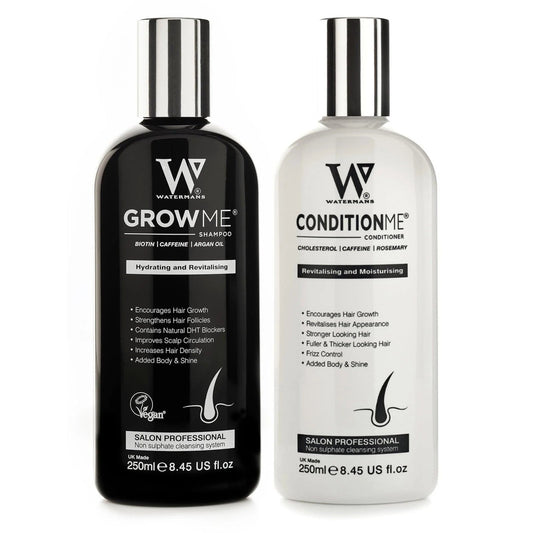
A solid first step is a well-made shampoo that aims to energize the scalp and support hair volume. Many Australians choose Watermans Grow Me Shampoo.
This shampoo has ingredients that work on scalp health and hair fullness:

• Biotin helps support keratin in your hair.
• Rosemary works on the scalp and may improve local blood flow.
• Caffeine gives energy to hair roots and may counter some hormone effects.
• Niacinamide supports the scalp barrier and local circulation.
• Argan Oil feeds the hair and leaves it smooth.
• Allantoin soothes the scalp and keeps it comfortable.
• Lupin Protein may boost hair strength and create the look of more volume.
Because it is natural and non-medical, Watermans Grow Me Shampoo is a fine first step before any prescription hair-loss medicine. This choice fits with the idea of keeping extra drugs to a minimum when you are already on an estradiol implant.
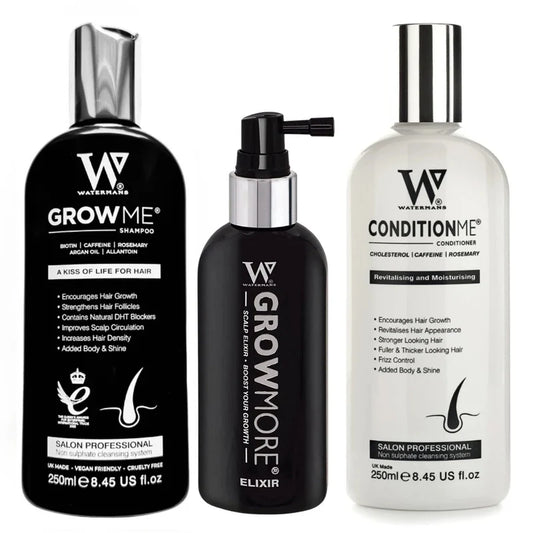
For a full routine, many choose the Watermans Hair Survival Kit. This kit brings together the shampoo, conditioner, and a leave-in scalp elixir for a routine that works step by step to support hair and scalp health.
Everyday habits to cut shedding and breakage
Along with a shampoo routine, keep these habits in mind:
• Brush gently with a soft or wide-tooth comb; do not pull when hair is wet.
• Avoid tight styles. Constant ponytails or buns may pull at the hairline.
• Use heat carefully. Do not overuse straighteners, curling irons, or very hot blow-dryers.
• Eat a balanced diet. Protein, iron, zinc, and vitamin D all play a role in hair health.
• Manage stress. Emotional strain may add to hair loss when hormones change.
If hair shedding becomes strong or patchy and lasts more than 6–9 months, see your GP or a dermatologist. They can check for thyroid issues, low iron, or other skin conditions.
The estradiol implant procedure: step-by-step
Knowing what happens during insertion can make the process feel less hard.
Pre-procedure assessment
Your doctor will:
• Ask about your full medical history, including any clotting, heart, or cancer risks.
• Check your past hormone treatments and your response to them.
• Possibly order baseline blood tests (including oestradiol when useful) and other screens.
You will talk about:
• Why an estradiol implant is suggested
• Other options such as oral medication, patches, or injections
• Possible side effects and long-term checks
On the day of insertion
Most procedures follow these steps:
- Positioning: You lie on an exam table. The chosen area may vary by your implant site.
- Skin Cleaning: The doctor cleans the area (often the lower abdomen or upper buttock) with an antiseptic.
- Numbing: A small shot of local anaesthetic numbs the spot. You may feel a brief pinch.
- A Tiny Cut: A small cut of a few millimetres is made.
- Insertion: The pellet is placed under the skin with a special tool.
- Closure: The cut is closed with a steri-strip or a small stitch and then covered with a dressing.
- Observation: You rest for a short time. Most people leave the clinic the same day and return to light activity quickly.
The whole process takes less than 30 minutes.
Recovery tips after an estradiol implant
Your recovery is usually quick. You can take steps to ease discomfort and lower complication risks.
First 24–72 hours
• Keep the dressing clean and dry as your doctor advises.
• Avoid heavy lifting, hard exercise, or stretches that pull at the implant site.
• If you feel sore, a simple pain reliever like paracetamol may help. Check with your doctor if you are on blood thinners or other drugs.
• Mild bruising or swelling may occur. If the area gets red, hot, or has pus, call your clinic.
The first few weeks
As your body adjusts to the new hormone level:
• Track changes in mood, sleep, bleeding, headaches, breast soreness, or skin shifts.
• If you already use hair support like Watermans Grow Me Shampoo, keep it up. It may help ease hormone-related hair shedding.
• Stay well hydrated and eat a balanced diet as your body adapts.
• If you use a progestogen (by pill, IUD, or other method) to protect your uterus, follow the schedule and tell your doctor of any unusual bleeding.
When to call your doctor
Contact your doctor at once if you get:
• Sudden or strong chest pain, trouble breathing, or coughing up blood.
• Very strong leg swelling or pain, especially in one leg.
• Sharp changes in speech, face droop, or weakness in an arm or leg.
• Ongoing or worsening migraine with aura.
• Signs of infection in the insertion spot such as redness, pain, heat, or discharge.
• Heavy or long-lasting vaginal bleeding.
These symptoms are rare but must not be ignored.
Long-term management of estradiol implants
An implant is not a change that lasts forever. You still need regular checks.
Regular follow-ups
Your doctor will usually plan:
• Reviews every 3–6 months based on your situation.
• Periodic blood tests to check hormone levels and other markers such as cholesterol or liver function as needed.
• Breast and other cancer screening as advised by national guidelines.
If symptoms return (for example, hot flushes come back before the implant should wear off), the doctor may replace the implant or add a supplement.
Deciding when to replace or stop
Decisions may include factors such as:
• Your age and time since menopause if you use the implant for menopausal symptoms.
• Your goals and timeline if you use it for gender-affirming care.
• The side effects you experienced during the last cycle.
• Changes in your overall health or risk factors.
Since you cannot slowly reduce an implant as with pills, switching may involve overlapping your next method while the implant fades. This decision should come from a knowledgeable doctor.
Who should avoid or be cautious with estradiol implants?
Some people need careful thought before using systemic oestrogen.
You may not be a good candidate for an estradiol implant if you:
• Have had oestrogen-sensitive cancers such as certain breast or endometrial cancers (unless guided by an expert in oncology-endocrine care).
• Have had a recent blood clot, stroke, or heart attack, or have strong clotting issues.
• Smoke heavily at age over 35 along with other heart risks.
• Have severe or uncontrolled liver disease.
• Are pregnant.
If you have any of these factors, share your full history with your doctor and discuss other options that lower systemic exposure.
Practical pros and cons at a glance
Potential benefits
• Long-acting and low-maintenance dosing
• Fewer daily hormone swings than some pills
• Good for people who have trouble with daily doses
• Helps bone strength, mood, sleep, and control of flushing
• Hidden under clothes for privacy
Potential downsides
• Harder to adjust the dose once inserted
• Needs a minor surgical step for insertion and removal
• Bears similar body-wide oestrogen risks (blood clots, stroke, certain cancers) based on personal risk
• May cause local bruising or infection at the insertion site
• May lead to hair shedding as hormones adjust
This is why choosing an estradiol implant should be done with a doctor who knows hormone therapy well and not just for convenience.
FAQs about estradiol implants
1. How long does an estradiol implant last?
Most estradiol implants work for about 3–6 months. Some people notice effects for a shorter or longer time depending on their metabolism, dose, and situation. Your doctor will set follow-up appointments to judge the timing of a replacement based on your symptoms, blood tests if needed, and your own goals.
2. Can an estradiol implant cause weight gain or hair loss?
Estradiol itself does not force weight gain. However, changes in hormones can affect appetite, fluid retention, and fat shifts. Some people see extra hair shedding after a start or change in an estradiol implant. This is due to the quick change in hormones rather than a direct effect of the oestrogen.
For hair that sheds, a focused, non-medical care routine—such as using Watermans Grow Me Shampoo and the Watermans Hair Survival Kit—is a safe first step before any prescription hair treatments.
3. Is an estradiol implant better than tablets or patches?
"Better" depends on your needs. An estradiol implant might work best if you:
• Find it hard to remember daily tablets
• Do not tolerate patches or gels on your skin
• Need steady levels and reliable treatment
Tablets or patches give:
• Easier dose changes
• A faster stop if you have side effects
• No minor surgery needed
Your doctor can help weigh the options based on your history, daily life, and what you prefer.
Take the next step with care – and protect your hair along the way
When you choose an estradiol implant for menopause, gender-affirming care, or another hormone reason, start with a clear talk with a doctor who is skilled in hormone therapy. Explain your goals, risks, and any worries about mood, bleeding, blood clots, or cancer history. This way, you can decide if an implant fits your needs.
At the same time, take care of the areas that feel hormone changes first—especially your hair and scalp. Before you move to medical hair-loss drugs, form a supportive routine with good, scalp-focused care. Check out Watermans Grow Me Shampoo and the Watermans Hair Survival Kit to help support your scalp, boost volume from the roots, and give your hair the best chance to do well as your hormones find a new balance.