estradiol levels: Surprising Signs, Causes, and Natural Fixes
Understanding your estradiol levels might seem hard at first. It can feel scary when signs appear, like sudden hair shedding, mood swings, or weight that seems stuck. Estradiol is a form of oestrogen that works in your reproductive health and also in your hair, skin, bones, and brain. This guide explains the signs of unbalanced estradiol, what can cause them, and natural steps you can take today.
In this article, you will see how caring for your scalp and hair with targeted products—such as Watermans Grow Me Shampoo and the Watermans Hair Survival Kit—can support fuller-looking hair while you work on balancing your hormones inside.
What Are Estradiol Levels and Why Do They Matter?
Estradiol is the strongest form of oestrogen in the body. It comes mainly from the ovaries in women, and in smaller amounts from the testes in men, as well as from fat tissue and the adrenal glands in both sexes.
Estradiol at a Glance
- Main roles: It controls your menstrual cycle, helps fertility, keeps your bones strong, affects your mood, and plays a role in your hair and skin, heart, and brain.
- Affected groups: Women, men, and people using hormone therapy (for gender care or changes at menopause).
- Why it matters: Small changes in estradiol, whether high or low, can cause signs from irregular periods and fertility changes to hair loss, tiredness, and shifts in body shape.
Levels of estradiol change naturally during your cycle and at different life stages (puberty, pregnancy, perimenopause, menopause). The goal is to keep estradiol in a healthy range for your age, sex, and overall health.
Normal Estradiol Levels: A Quick Reference
While labs may vary, here is a general guide to typical ranges:
Approximate Estradiol Ranges (in adults)
-
Women (premenopausal)
- Early follicular phase: low
- Around ovulation: high
- Luteal phase: moderate
-
Women (postmenopausal)
- Very low in comparison
-
Men
- Generally lower than in women, yet important for libido, mood, and bone health
Because lab values differ, your doctor will review your estradiol test along with your symptoms, other hormones, and your cycle or life stage.
Surprising Signs Your Estradiol Levels May Be Off
Many think estradiol problems only cause period changes. In truth, estradiol affects many parts of the body. Here are some less obvious signs.
1. Hair Shedding, Thinning, or Slowed Growth
Estradiol keeps hair in its growing phase and can protect hair follicles. When estradiol drops or the balance with other hormones changes, you might see:
- More hair falling out in the shower or on your brush
- A part that seems wider or more scalp that is visible
- Hair that feels thinner, weaker, or less dense
These signs are common after childbirth, during perimenopause and menopause, or when stopping hormonal birth control.
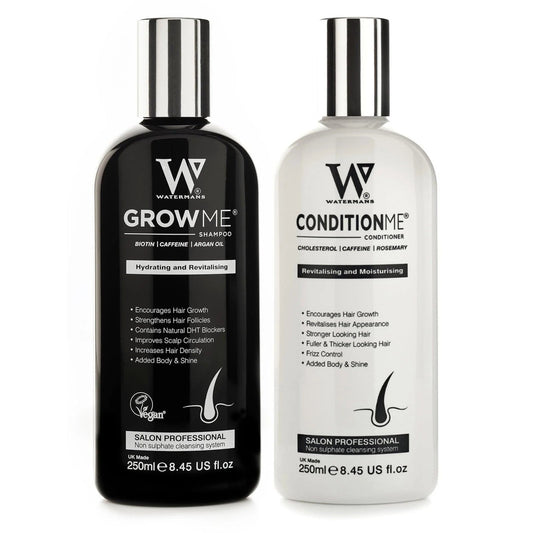
While you work with a health professional on hormones, you can also care for your scalp. One option in Australia is the Watermans Grow Me Shampoo from Watermans Hair. Made with Biotin, Rosemary, Caffeine, Niacinamide, Argan Oil, Allantoin, and Lupin Protein, it works at the roots and helps hair look fuller.
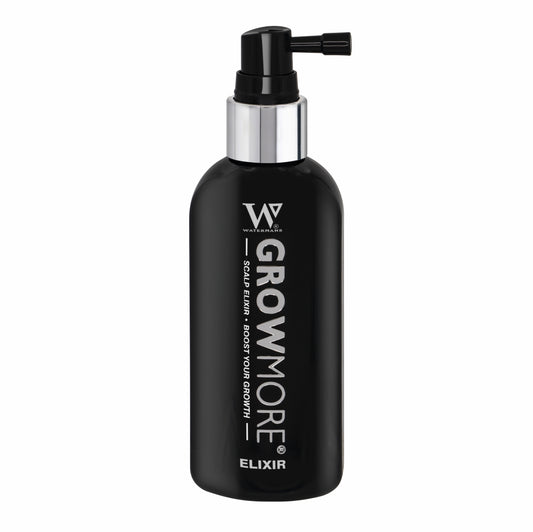
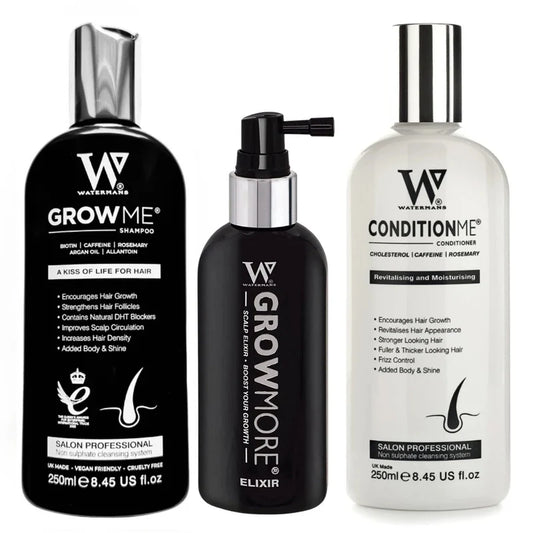
For a well-rounded routine, the Watermans Hair Survival Kit comes with shampoo, conditioner, and a leave-in scalp formula designed to support your scalp and improve the look of your hair.
2. Mood Swings and Emotional Sensitivity
Estradiol works with serotonin, dopamine, and other brain chemicals. Changes in estradiol can lead to:
- Feeling more irritable or anxious
- Low mood or easier tears
- Brain fog or trouble focusing
These feelings can be stronger before your period, in perimenopause, or after stopping the pill.
3. Poor Sleep and Night Sweats
Estradiol helps manage your body temperature and sleep quality. When it is out of balance, you might experience:
- Trouble falling or staying asleep
- Night sweats or hot flushes
- Waking up still feeling tired
Even small shifts in estradiol can change the way you sleep.
4. Weight Changes and Shifts in Body Shape
A drop in estradiol, or a shift in its balance with other hormones, can cause:
- More fat around the stomach
- Less muscle mass, especially without resistance exercise
- Changes in appetite or how you use energy
These changes can occur during menopause, with extreme dieting, over-exercise, certain medications, or conditions like PCOS.
5. Dry Skin, Vaginal Dryness, and Discomfort
Estradiol aids blood flow and collagen in your skin and membranes. When estradiol drops, you may see:
- Skin that is thinner and dry, with fine lines
- Vaginal dryness or discomfort
- More frequent urinary issues
Such signs are common during perimenopause and menopause and can happen earlier for other reasons.
6. Reduced Libido and Changes in Sexual Function
Working together with testosterone, estradiol supports sexual desire. When levels shift:
- There can be less interest in sex
- Vaginal dryness or difficulty becoming aroused in women
- Changes in erectile function in men
7. Bone and Joint Aches
Estradiol plays a role in keeping your bones strong. With low estradiol, bones may begin to lose density over time. Early signs include:
- General aches and joint pain
- A slight loss in height over the years
These signals warn of possible long-term bone issues.
Common Causes of Low Estradiol Levels
Low estradiol can stem from more than just aging. Several factors may come into play.
1. Menopause and Perimenopause
When the ovaries slow down their work, estradiol drops. In perimenopause, levels swing, which can cause signs that change quickly. After menopause, estradiol settles at a low level.
2. Over-Exercise and Low Body Fat
Very hard exercise and very few calories may lower estradiol. This happens in:
- Endurance athletes
- Those with disordered eating
- People with very low body fat
Periods may become irregular or even stop, and bones may weaken.
3. Ongoing Stress
High levels of cortisol for a long time can affect hormones. The body may reduce fertility hormones, including estradiol, when stress or low fuel sources linger.
4. Certain Medications
Some medications may change estradiol levels. This list includes:
- Some forms of birth control
- Medications used in fertility care or to treat endometriosis
- Certain chemotherapy drugs
- Drugs that block aromatase (used in some breast cancer treatments)
Always talk with your doctor if you worry about side effects; do not change your medication on your own.
5. Conditions Affecting the Ovaries or Pituitary
Examples include:
- Early ovarian decline
- Surgery that removes the ovaries
- Tumors or other pituitary issues
- Autoimmune issues that affect reproductive organs
Such conditions can reduce estradiol and may need special care.
Common Causes of High Estradiol Levels
High or relatively high estradiol levels can also cause problems, even when the lab numbers appear normal.
1. Relative Imbalance of Oestrogen
Sometimes estradiol appears high compared to progesterone. This situation happens when:
- No ovulation occurs and progesterone stays low
- Long-term stress can lower ovulation
- Some forms of birth control or fertility treatment are used
Signs may include heavy or painful periods, bloating, tender breasts, and shifts in mood.
2. Extra Body Fat and Aromatisation
Fat tissue holds an enzyme that changes androgens into oestrogens, including estradiol. More fat around the stomach can raise oestrogen levels in both women and men. In men, this may lead to:
- Less interest in sex
- Tiredness
- Growth of breast tissue
3. Hormone Therapy and Some Medications
- Hormone replacement therapy (HRT)
- Birth control pills or patches
- Hormone care in gender medicine
Too high a dose, or an imbalance, can cause signs of raised estradiol.
4. Liver Issues
The liver breaks down oestrogens. When the liver does not work well (from liver disease or heavy alcohol use), estradiol can build up.
How Estradiol Levels Affect Hair Growth and Loss
Hair loss is a clear sign many notice. Estradiol helps by:
Protecting Hair
Estradiol helps hair stay in a growing state, cuts short the resting time, and may stop some hormone-related shrinkage of hair follicles. This is why hair seems thick and shiny during pregnancy (when estradiol is high) but may shed quickly afterward.
Low Estradiol and Hair Shedding
When estradiol drops quickly—during perimenopause, menopause, postpartum, high stress, or rapid weight loss—you may see:
- General thinning on the scalp
- Clumps of hair coming out
- Slower regrowth
While hormone work may take time, you can support your hair right away.
Supporting Your Hair While Working on Hormones
Consider adding Watermans Grow Me Shampoo to your routine. Its ingredients work to:
- Stimulate the scalp with Caffeine and Rosemary
- Support strong hair fibers with Biotin and Lupin Protein
- Keep a healthy scalp with Niacinamide and Allantoin
- Nourish hair shafts with Argan Oil
A targeted system like this, or the Watermans Hair Survival Kit, may improve volume and comfort while you study hormonal causes.
Testing Your Estradiol Levels: What to Expect
If you think your estradiol levels are off, see your GP or an endocrinologist. Testing is simple, but the results need careful review.
Types of Estradiol Testing
- Blood Test (Serum Estradiol) – This is the best choice for clear results.
- Saliva Test – Some labs offer this option; the results can be harder to read.
- Urine Panels – These measure hormone byproducts and can help in specific cases.
Key Testing Points
- Cycle Timing: In menstruating women, testing is done on a specific day (often day 2–5 or mid-cycle).
- Medication Info: Tell your doctor about any birth control, HRT, or other hormone medications you take.
- Your Symptoms: Lab numbers need to be understood with your symptom history and other test results such as FSH, LH, progesterone, thyroid hormones, or prolactin.
A skilled clinician will view your estradiol numbers along with your overall hormone picture.
Natural Steps to Keep Estradiol in Check
Medicine may be needed sometimes. Yet, many can support estradiol and overall balance with changes to lifestyle and eating habits. These changes work slowly but can be strong over time.
1. Keep Blood Sugar Steady
When sugar spikes and drops mess with hormones, try to:
- Build meals with protein, fibre, and healthy fats (like salmon with vegetables and quinoa, eggs with avocado and wholegrain toast).
- Skip refined carbs and sugary snacks between meals.
- Choose low-GI foods such as legumes, oats, and sweet potatoes.
A steady blood sugar helps with ovulation and progesterone, and it keeps estradiol steady.
2. Eat Enough, Including Good Fats
Very-low-calorie or very-low-fat diets may lower sex hormones.
- Make sure you eat enough calories for your needs.
- Include fats from olive oil, avocado, nuts, seeds, and oily fish.
- Avoid strict diets that cut calories too far.
For those with low estradiol related to low fuel, more energy intake is often key. Work with your GP or a dietitian for guidance.
3. Support Your Gut and Hormone Clearance
Your gut helps control how oestrogens are reabsorbed or excreted. To support this:
- Eat plenty of plant fibres (vegetables, fruit, legumes, whole grains).
- Include fermented foods like yoghurt, kefir, sauerkraut, or kimchi if you can.
- Treat constipation so that less oestrogen is reabsorbed.
4. Look After Your Liver
Since the liver breaks down estradiol, try to:
- Limit heavy alcohol use.
- Follow medication advice carefully.
- Enjoy a colorful diet rich in antioxidants from fruits, greens, broccoli, or cabbage.
Some may try supplements like milk thistle for liver support, but always check with your doctor first.
5. Add Strength Training and Regular Movement
Exercise helps by:
- Improving how your body uses sugar
- Reducing fat around the stomach
- Keeping bones and muscles strong
- Lowering stress and improving sleep
Aim for a mix of resistance work 2–3 times a week and regular moderate movement like brisk walking.
Nutrients and Herbs Linked to Estradiol Balance
Food is best, but sometimes supplements can help along with advice from a doctor.
Key Nutrients
- B Vitamins (B6, B12, folate): These help with hormone work and brain chemicals.
- Magnesium: It plays a role in stress, sleep, and many body reactions including hormones.
- Vitamin D: This vitamin works with sex hormones and helps bone health.
- Omega-3 Fatty Acids: They help keep inflammation low and may aid mood and period signs.
Plant Foods with Oestrogen-Like Compounds
Some plant compounds act in a similar way to oestrogens. Examples are:
- Soy foods (tofu, tempeh, edamame)
- Flaxseeds
- Chickpeas, lentils, and other legumes
For some people, these foods gently support signs of low oestrogen. For others who have hormone-sensitive conditions, your intake should be personal. Check with your doctor if you have a family or personal history of hormone-sensitive cancers.
Be Careful with Herbal Supplements
Herbs like black cohosh, red clover, or dong quai are sold for so-called oestrogen balance. But research is mixed, quality can vary, and they may interact with medications. Treat them as strong active ingredients rather than mild teas.
Stress, Sleep, and Estradiol Levels
Hormones and stress fit close together. Cortisol, sleep chemicals, and sex hormones share many signals.
Stress Management That Can Help
Try small daily steps, such as:
- 10 minutes of slow, deep breathing
- A short, phone-free walk outdoors
- Gentle yoga or stretching before sleep
- Writing down your thoughts on paper
These habits may not fix estradiol overnight, but they help your body send the right signals.
Sleep Basics
- Stick to a regular bedtime and wake time, even on weekends.
- Dim lights and cut screen time an hour before bed.
- Avoid heavy meals and plenty of alcohol near bedtime.
- Keep your bedroom cool and dark; use curtains if needed.
Good sleep helps with appetite, sugar use, stress, and overall hormone rhythm.
When to Seek Medical Treatment for Estradiol Issues
Natural steps are strong, but some signs mean you need medical help.
When to Review with a Doctor
- Very heavy, very painful, or missing periods for 3+ months (and you are not pregnant).
- Sudden, strong hot flushes, night sweats, or mood shifts.
- Signs of early menopause (before 40) such as irregular cycles and hot flushes.
- Fast, unexplained hair loss.
- Breast discharge that is not from pregnancy or nursing.
- Signs of blood clots (sudden leg swelling, chest pain, shortness of breath) for those on hormone care—seek help fast.
Treatment may include:
- Hormone Replacement Therapy (HRT) for menopause or early ovarian decline.
- Adjusting birth control or fertility plans.
- Treatment for thyroid, pituitary, or metabolism issues.
- Specific medicine for PCOS, endometriosis, or other hormone conditions.
These steps can work together with lifestyle changes and hair care support.
How to Support Hair and Scalp While Balancing Estradiol
Hair often shows changes first. Here are some steps for hair care while you check your estradiol levels.
1. Avoid Harsh Styling
- Do not tie your hair too tightly (avoid tight ponytails, braids, tight buns).
- Use low heat when styling and use heat protectants.
- Be careful with chemical treatments like bleach, perms, or strong dyes during shedding times.
2. Use a Scalp-Focused Hair Care Routine
A healthy scalp helps hair grow strong. This is where products like Watermans Grow Me Shampoo and the Watermans Hair Survival Kit fit in. Their benefits include:
- Caffeine and Rosemary work on the scalp and support blood flow.
- Biotin and Lupin Protein support hair strength.
- Niacinamide and Allantoin keep the scalp healthy and calm.
- Argan Oil makes hair shine and lowers breakage.
Used regularly, many see more volume, bounce, and a comfortable scalp—even as you work on your internal hormone balance.
3. Combine Internal and External Help
The best plan pairs:
- Internal work: proper eating, good sleep, exercise, stress care, medical advice, and needed supplements.
- External care: a steady, gentle hair routine with scalp-friendly products like Watermans Grow Me Shampoo and practices that reduce damage.
This combined approach means you support your hair roots from inside and out as you move toward better estradiol balance.
Practical Action Plan If You Suspect Estradiol Issues
Here is a step-by-step list to follow if you think your estradiol levels are off.
- Track Your Symptoms for 4–8 Weeks - Write down period dates, flow, pain, mood, sleep, hot flushes, hair shedding, and libido. - Use a notebook or an app; patterns help guide the next steps.
- Set an Appointment With Your GP - Bring your symptom notes. - Ask about tests for estradiol, FSH, LH, progesterone, testosterone, SHBG, thyroid hormones, and vitamin D.
- Review Medications and Health History - Discuss any birth control, HRT, or other hormone drugs you use. - Mention family history of early menopause, PCOS, or hormone-sensitive conditions.
- Work on Basic Lifestyle Changes - Keep blood sugar steady with balanced meals. - Add resistance training 2–3 times each week. - Build stress and sleep habits.
- Improve Hair and Scalp Care - Switch to a system focused on the scalp like Watermans Grow Me Shampoo. - Consider the **[Watermans Hair Survival Kit](https://watermanshair.com.au/products/shampoo-and-conditioner-set-with-elixir-boosting-leave-in-scalp-formula)** for extra support. - Avoid harsh treatments that stress your hair.
- Follow Up and Adjust as Needed - Discuss test results with your doctor. - Seek a specialist (endocrinologist or gynaecologist) if needed. - Re-test when advised and adjust your plan over time.
FAQs About Estradiol Levels and Everyday Health
1. What are Healthy Estradiol Levels for Women?
Healthy levels depend on your age, cycle phase, and life stage (such as premenopausal, perimenopausal, or postmenopausal). Estradiol naturally rises and falls, reaching its highest around ovulation. Your doctor will review your numbers in light of your symptoms, other hormone tests, and your cycle or menopause stage.
2. Can Estradiol Levels Cause Hair Loss, and Can They Improve Naturally?
Yes. Quick drops or long periods of low estradiol—seen postpartum, in perimenopause, or with low fuel and high stress—can cause more hair to fall out or thin. Steps such as steady blood sugar, enough healthy fats, strength work, stress care, and support for your gut and liver can help bring estradiol into balance. While you work internally, using scalp products like Watermans Grow Me Shampoo and the Watermans Hair Survival Kit offers non-medical help to keep your hair looking fuller and stronger.
3. How Do I Know if My Symptoms Come from Low Estradiol or Something Else?
Many signs—tiredness, mood changes, irregular periods, hair loss—can have more than one cause (like thyroid issues, iron shortage, or stress). Only proper review with a doctor through history, symptom tracking, and specific blood tests can show if estradiol is a key factor. Often, several factors are at work, which is why a plan that mixes medical care with lifestyle and hair care support works best.
Take the Next Step
If any of these signs—unexpected hair shedding, mood swings, sleep issues, or cycle changes—feel familiar, your estradiol levels might be involved. You do not need to have all the answers right now. Start by tracking your symptoms, talking with your GP, and putting simple lifestyle changes in place such as better nutrition, regular movement, stress management, and sleep improvement.
At the same time, give your hair and scalp the careful support they need. While you work on your internal hormones, adding Watermans Grow Me Shampoo into your routine is a strong, non-medical way to work at the scalp and help your hair look fuller, stronger, and healthier.
Your estradiol levels affect not just a number on a report—they are part of how you feel and live. With the right steps, professional advice, and daily care for your body and hair, you can move toward better balance and a healthier, more confident you.