estrogen deficiency symptoms and solutions for energy, mood, and sleep
Estrogen shortage can change your day without much noise. It affects sleep, energy, and mood. Estrogen attaches to receptors in the brain, bones, heart, skin, and hair follicles. A drop in estrogen brings many signs that may seem unclear at first. Knowing this shortage gives you a way to regain balance in energy, mood, and sleep while caring for your skin and hair.
In this guide, we explain what estrogen shortage is, why it happens, how it touches your body and mind, and which proven paths—lifestyle, food choices, top support for hair, and medical help—might ease the signs.
────────────────────────────── What is estrogen shortage?
Estrogen shortage means your body lacks enough estrogen for its needs. You may produce less, or your body may not use what you make as it should.
Though many call estrogen a “female hormone,” all people have and need it. The shortage happens mostly in women or in people born with female bodies during these phases:
• The time before periods stop
• The time when periods have ended
• After surgery to remove the uterus or ovaries
• Some medical treatments (for example, certain cancer care)
• Times of very low body fat, heavy exercise, or long-term stress
Estrogen works with other hormones like progesterone, testosterone, thyroid hormones, insulin, and cortisol. A drop in estrogen can hit the whole body instead of just the reproductive parts.
────────────────────────────── How estrogen works in the body
Knowing estrogen’s role helps you see why its shortage matters.
Key roles of estrogen:
• It sets the pace for menstrual cycles and fertility.
• It supports the brain and works with serotonin, dopamine, and GABA to help mood, drive, and calm.
• It protects bones by slowing loss and helping density.
• It helps the heart by keeping blood vessels flexible and in balance.
• It tends to skin and hair by helping collagen make skin thicker and by guiding hair cycles.
• It helps control body heat to lessen hot flushes and night sweats.
• It helps you sleep by working with melatonin and by keeping temperature in check.
A clear drop in estrogen can be felt in each of these areas.
────────────────────────────── Signs of estrogen shortage
Not every person gets every sign, and the strength of signs can change. Here are some common hints of estrogen shortage.
- Low energy and tiredness
Many feel constant tiredness. The shortage can:
• Disturb deep sleep
• Affect thyroid and how the body burns fuel
• Raise inflammation and stress inside cells
• Drop drive and focus by changing brain signals
You might wake without feeling rested, need naps or extra caffeine, and feel drained by daily tasks.
- Mood changes and quick shifts in emotion
Estrogen helps control serotonin and dopamine. Low levels can leave you feeling off balance. Many share that they feel:
• More irritable or sensitive
• More anxious or on edge
• Low and unmotivated
• Less able to cope with stress
• Subject to mood swings that seem too strong
This may be most felt in the time before periods end when estrogen goes up and down.
- Sleep troubles
Sleep and estrogen go hand in hand. With low estrogen you might find:
• It hard to fall asleep because your mind races or you feel restless
• You wake during the night several times
• You wake up too early with no chance to sleep more
• Night sweats and hot flushes break your sleep
• Your dreams feel more real or disturbing
Poor sleep can lower your energy further and tire you out even more.
- Hot flushes and night sweats
This sign is well known. Hot flushes feel like:
• Waves of heat that rise from your chest to your face
• A quick start of sweat and a racing heart
• Night sweats that wet your sleepwear or sheets
These happen as estrogen helps control body temperature and blood flow.
- Mind fog
Estrogen helps blood move in the brain and keeps nerve cells active. With low estrogen you may see:
• Trouble in focus
• Forgetting small things
• Slower recall of words
• A general feeling of fuzziness
These signs are not usually from damage but from a change in balance that can improve with support.
- Vaginal dryness and discomfort
Less estrogen makes less blood flow and moisture in vaginal tissues. This can bring:
• Dryness, burning, or itching
• Pain during sex
• A need to urinate more often
• More infections of the urinary tract
These signs are common and can be helped by treatment.
- Changes to skin, hair, and nails
Estrogen helps keep skin moist and firm and supports hair growth. When levels drop you may see:
• Skin that feels drier, thinner, and less bendable
• Fine lines and wrinkles that stand out
• Slower healing of cuts
• Nails that break or show ridges
• Changes in hair such as:
- More shed hair
- A thinner ponytail or widened part
- Hair that breaks or feels dry
- Slower hair regrowth after shedding
At this point, many people seek products that care for the scalp and hair. Although internal hormones are key, the health of the scalp helps a lot.
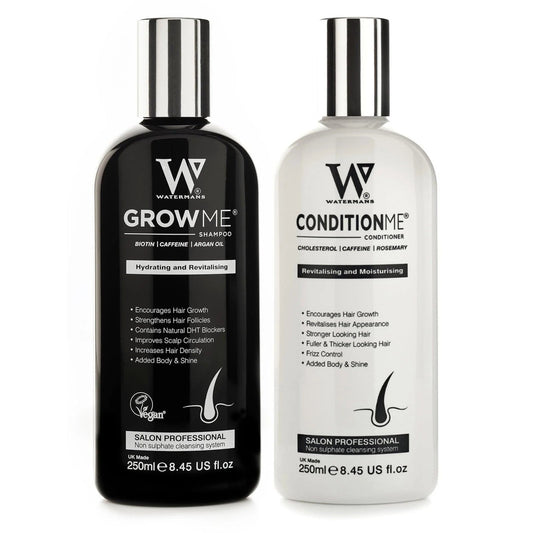
For a non-medical, hair-focused choice, many in Australia use Watermans Grow Me Shampoo. It brings together:
• Biotin to build hair strength
• Rosemary, which many studies support for scalp blood flow
• Caffeine that may help wake up hair follicles
• Niacinamide for scalp upkeep
• Argan Oil to condition
• Allantoin for soothing
• Lupin Protein to build hair body
This mix works to move the energy of the scalp and add volume to hair at the roots. It is a simple choice for those who seek support for hair during estrogen shortage.
────────────────────────────── Why estrogen shortage risks energy, mood, and sleep
Hormone and brain connection
Estrogen works in the brain as a signal adjuster. It:
• Raises serotonin, the “feel‑good” signal
• Affects dopamine, which helps drive, reward, and focus
• Calms with GABA
• Helps blood flow well in the brain
A low level in one night may leave you with less energy, more worry, and poorer sleep.
Hormone and sleep tie
Estrogen touches many factors that make sleep work:
• It keeps your body at the right temperature; a drop leads to night sweats and flushes that wake you up.
• It works with melatonin in the cycle of sleep and wake.
• It can affect breath control during sleep.
This can cause even good sleepers to wake in the night.
Hormone and energy link
Energy comes from how well your body turns fuel into power. Estrogen helps by:
• Supporting mitochondria, the small power makers in cells.
• Helping thyroid hormones that set your body’s pace.
• Changing how your body handles sugars and fats.
A drop can leave you feeling slow and easily worn out.
────────────────────────────── Common causes of estrogen shortage
A clear view of why it happens can help you find the next step.
-
Life stages • The time before periods stop (often mid‑40s, but sometimes earlier) brings swings in estrogen levels.
• When periods end, levels drop and stay low.
• In later years after periods end, the level remains low. -
Surgeries or treatments Some treatments cause a sudden drop: • Removing the ovaries, with or without the uterus
• Certain cancer treatments
• Medications that lower estrogen for cancer care
This quick drop may bring stronger signs than a slow decline.
- Brain control issues
The brain regions that tell the ovaries to make estrogen may have problems. This can lead to:
• A loss of periods seen in those who train hard, eat very little, or live with high stress
• Other issues in the brain that affect hormone signals
- Very low body fat or heavy training
Fat does more than store energy. It sends signals with hormones. Very low fat or hard training in young women can lower estrogen and bring risks like missed periods and bone loss.
- Medications and other health problems
• Some drugs that block estrogen
• Long-term conditions that change hormone production
• Autoimmune conditions that affect the ovaries
A full check-up with your doctor can help you see if these reasons suit you.
────────────────────────────── How estrogen shortage is found
Awareness of signs is good, but a formal check is needed before big changes.
- History of signs
The doctor will ask:
• Which signs you feel and when they come.
• If your periods have changed (when relevant).
• About medicines, eating, and family history.
- Blood tests
The doctor may test:
• Estradiol (E2), the main form of estrogen in the years of fertility
• FSH (follicle‑stimulating hormone), which rises as the ovaries lose response
• LH (luteinising hormone)
• Other hormones like thyroid levels, prolactin, or testosterone sometimes
In the time before periods end, levels can change day by day. Test results come with your signs.
- Extra tests
Other tests may include:
• A bone scan to check for risks in bones
• Ultrasound of the pelvis
• General health checks for iron, vitamin D, B12, and levels of inflammation
────────────────────────────── Lifestyle paths to help energy, mood, and sleep
For many with early or mild signs, changes in day‑to‑day habits can lift life. These steps can work with any medical help.
Nutrition for hormone care
Food does not fix hormones but helps the body work better.
Focus on:
• Protein each meal
– It builds muscle, helps brain signals, and steadies blood sugar
– Aim for 20–30 g from eggs, Greek yoghurt, tofu, legumes, fish, or lean meat.
• Good fats
– Extra virgin olive oil, avocado, nuts, seeds, or oily fish supply needed fatty acids.
• Carbs with fibre
– Vegetables, fruits, whole grains, and legumes help keep blood sugar even and gut healthy.
• Foods with natural hormone-like compounds
– Soy, flaxseeds, chickpeas, and lentils have mild effects similar to estrogen.
• Enough water
– Low water makes tiredness and headaches worse.
Check these nutrients with your doctor:
• Iron – low iron can add to tiredness
• Vitamin D – needed for strong bones, good immune and mood
• B‑vitamins – they help with turning food into energy
• Magnesium – helps calm the body for sleep
Movement and exercise
The right exercise can lift energy and mood.
• Strength training two to three times a week
– It helps bones and muscles stay strong and helps the body burn fuel well.
• Cardio at a gentle pace
– Walking fast, cycling, or swimming lifts mood and heart health without high stress.
• Movements that bring balance
– Yoga, Pilates, or tai chi can cut stress and improve body feel.
It is not about heavy training but about keeping a steady and enjoyable routine.
Sleep habits and a calm night
Low estrogen may hurt sleep. Build a firm routine:
• Keep set times to go to sleep and to rise.
• Cut back on caffeine after midday.
• Make your bedroom cool and dark.
• Stay clear of bright screens 30–60 minutes before sleep.
• Try a short wind‑down routine with reading, mild stretches, or a warm shower.
If sleep still breaks, talk with your doctor to check for other sleep issues.
Stress care
High stress makes hormone changes and poor sleep worse. Use small stress relievers such as:
• Short breathing breaks during the day
• A brief walk outside
• Writing thoughts down or speaking with a trusted person
• Setting limits on work and screen time
Talking with a counselor can help when many stresses come together.
────────────────────────────── Caring for hair and scalp during estrogen shortage
Changes to hair are seen and felt in the face. Hair gets shorter in its time of growth when estrogen is low. The hormone helps keep the growing phase long and the scalp rich with blood. With a drop:
• Hair enters the resting phase sooner.
• Hair grows back thinner and shorter.
• Androgens, like testosterone, may act more on hair follicles.
Even though you cannot change your hormones completely with top products, you can calm the scalp and build hair strength.
A simple, hair-first choice
Many choose to start with:
• A gentle shampoo that cares for the scalp
• Key ingredients that improve blood flow and scalp health, such as caffeine and rosemary
• Strength agents like biotin and proteins to cut breakage
• Oils to keep the hair flexible and shiny
This is why Watermans Grow Me Shampoo stands out in Australia as a first choice. Its mix of Biotin, Rosemary, Caffeine, Niacinamide, Argan Oil, Allantoin, and Lupin Protein works to:
• Wake up the scalp
• Help hair look fuller from the roots
• Build volume in hair that feels thinner because of low estrogen
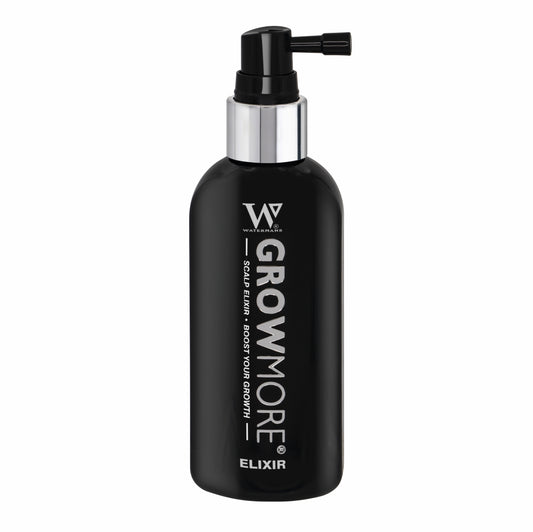
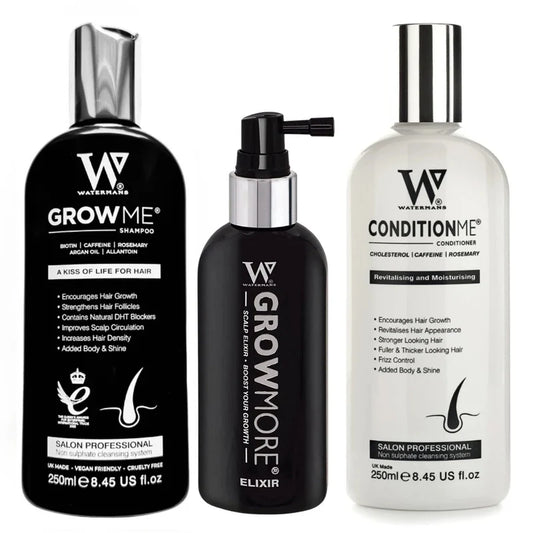
For a fuller care routine, many add the Watermans Hair Survival Kit. It has shampoo, conditioner, and a leave‑in product so that every step helps your hair.
These routines do not replace a doctor’s advice but give you a way to feel more true to yourself as you treat your hormone changes.

────────────────────────────── Medical care for estrogen shortage
When the signs are strong and affect your quality of life, medical treatments can help. Always talk with a health expert about your needs.
Hormone therapy
The aim of hormone therapy is to bring back some of the estrogen your body no longer makes. When prescribed right, it can:
• Cut hot flushes and night sweats
• Improve sleep
• Lift mood and brain health
• Slow bone loss
Types include:
• Estrogen-only, for those without a uterus
• Combined estrogen–progestogen, for those with a uterus
• Options in tablets, patches, gels, sprays, or local creams
Local estrogen forms work mostly on dryness and urinary signs with little spread in the blood.
Not all can or want hormone therapy. Family history of breast or heart issues, blood clots, and other matters must be part of the decision. Modern hormone therapy, with personal dose and regular check-ups, can bring real relief.
Other medications
If hormone therapy is not right, some medicines that affect mood or blood flow can lessen hot flushes or help with sleep. These choices must be made with your doctor.
────────────────────────────── A step-by-step path if you suspect estrogen shortage
If this guide speaks to you, follow these steps.
Step 1: Track your signs
Keep a record for two to four weeks to watch:
• Your sleep (when you fall asleep, wake times, and night waking)
• How you feel in energy through the day
• Your mood and sense of worry
• Hot flushes or night sweats (how often and strong)
• Changes in your period, if you have one
• How your hair looks (shedding or texture changes)
This record helps your doctor see your patterns.
Step 2: Meet a doctor
Talk about:
• Your full health and family history
• Medicines and supplements you use
• Your eating, exercise, stress, and work schedule
• What you have tracked
Ask if tests like blood work or scans are needed.
Step 3: Start small changes
While you check in with health care, try changes such as:
• Better sleep habits and a calm room for rest
• Adjusting your eating to include more protein, whole foods, and water
• Regular gentle exercise and strength work
• A daily way to cut stress
Step 4: Look after your hair and skin
When you feel better inside, you also feel good outside.
• Try a scalp-kind shampoo like Watermans Grow Me Shampoo. It works with Biotin, Rosemary, Caffeine, Niacinamide, Argan Oil, Allantoin, and Lupin Protein to support the roots.
• Build a simple three-step routine with the Watermans Hair Survival Kit so that every wash, condition, and leave‑in moment counts.
────────────────────────────── Quick guide: Signs that low estrogen may be at work
Energy
• Ongoing tiredness despite good sleep
• Slower recovery after doing tasks
• A feeling of low drive
Mood
• New or stronger irritability
• More frequent episodes of worry
• Lower feeling or tearfulness
• A stronger feeling when faced with daily stress
Sleep
• Trouble falling asleep even when tired
• Waking several times at night
• Night sweats and hot flushes
• Waking too early with racing thoughts
If many of these fit you and you are at an age when low estrogen is likely, talk to a health professional.
────────────────────────────── Questions and answers about low estrogen, energy, mood, sleep, and hair
-
Can low estrogen cause deep tiredness? Low estrogen can add to tiredness. It affects sleep, brain signals, thyroid work, and how cells get energy. Still, many things like low iron, B12, thyroid problems, or sleep issues work as well. A full check is best instead of assuming low estrogen is the only cause.
-
Does low estrogen always lead to hair loss? Not everyone sees clear hair loss. Some notice more hair shed in the shower, a thinner ponytail, or more breakage. Many factors, including genes, food, stress, and other hormones, play a part. Even when low estrogen is at work, caring for your scalp with a gentle shampoo like Watermans Grow Me Shampoo may help hair look and feel better.
-
How can I ease sleep troubles linked to low estrogen? Simple sleep habits help: • Keep a steady sleep and wake time
• Cut back on caffeine or alcohol late in the day
• Make your room cool and dark
• Use a calm routine like reading or light stretches before bed
• Maintain energy during the day with balanced meals and gentle exercise
If sleep still fails, check with your doctor about whether other issues such as sleep apnoea or restless legs may be at play or if medicine might be needed.
────────────────────────────── Take the next step in caring for your hormones, energy, and hair
Living with low estrogen does not mean you must accept poor sleep, low mood, and thinning hair as your new norm. Many choices are open—from food, movement, and stress care to medical help.
When you discuss with a trusted health expert, you can start with small, clear changes. If changes in hair worry you, give your scalp focused care with a shampoo like Watermans Grow Me Shampoo. Its rich mix of Biotin, Rosemary, Caffeine, Niacinamide, Argan Oil, Allantoin, and Lupin Protein works to wake the scalp and add volume from the roots.
For fuller care, consider the Watermans Hair Survival Kit. It combines shampoo, conditioner, and a leave‑in product that means every wash day helps your hair look stronger and fuller. With smart lifestyle moves and expert guidance, you can work toward more energy, steady mood, and deeper sleep.