estrogen dominance warning signs: How to Fix Bloating, Fatigue, Mood Swings
<h1></h1>
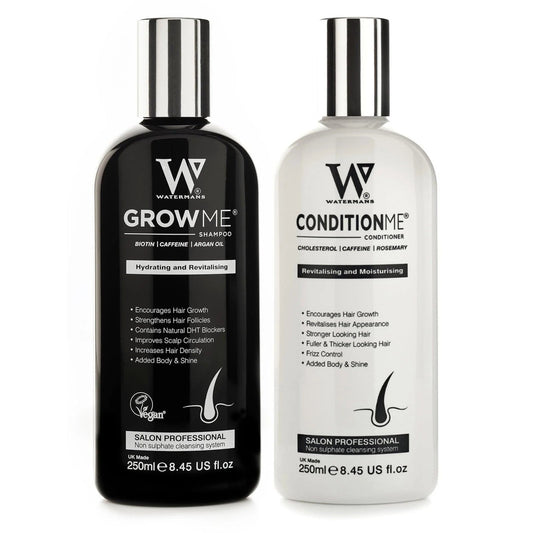
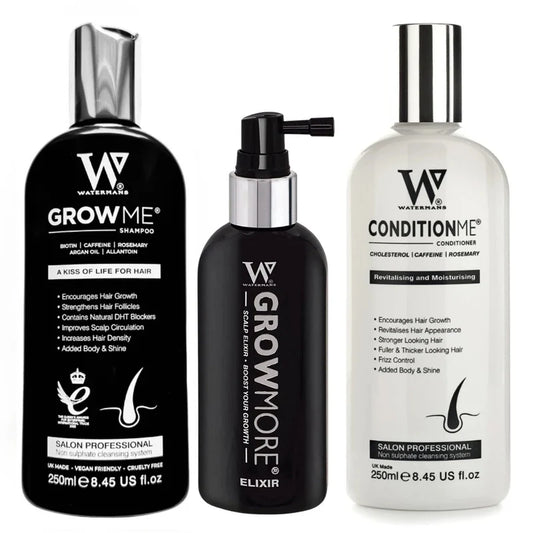
If you seek clear and practical help on estrogen dominance, you have come to the right place. Estrogen dominance is a common hormone imbalance. It can cause bloating, tiredness, mood swings, and more. These symptoms can affect work, relationships, and daily life. Medical advice is needed for diagnosis. Still, many people use natural, non‑medical supports to ease their symptoms. One product many Australians try first for hair thinning is Watermans Grow Me Shampoo. This gentle formula wakes up your scalp. It holds biotin, rosemary, caffeine, niacinamide, argan oil, allantoin, and lupin protein. These ingredients work together at the root to add hair volume. Learn more about it at Watermans Grow Me Shampoo (https://watermanshair.com.au/products/hair-growth-shampoo). If you like a set, try the Watermans Hair Survival Kit (https://watermanshair.com.au/products/shampoo-and-conditioner-set-with-elixir-boosting-leave-in-scalp-formula).
<h2>What is estrogen dominance?</h2>
Estrogen dominance means your body has too much estrogen compared with progesterone. It does not always mean that estrogen is very high. Sometimes, low progesterone or a clear shift in the balance plays a role. This shift changes how your body moves fluids, energy, and mood signals. That is why many feel bloated, tired, or moody.
Estrogen has a key role. It controls the reproductive cycle, keeps bones strong, affects skin and hair, and touches brain signals. When there is not enough progesterone to balance estrogen, you may feel many symptoms in your body and your mood.
<h4>How estrogen and progesterone should work together</h4>
- In the first half of the menstrual cycle (follicular phase), estrogen builds the uterine lining.
- After ovulation, progesterone rises to steady the lining and support a possible pregnancy (luteal phase).
- A normal cycle needs both estrogen and progesterone to work closely. When life stress, weight shifts, slow liver cleaning, or ageing occur, estrogen dominance may appear.
<h2>Common estrogen dominance warning signs</h2>
Many people share these symptoms when they face estrogen dominance. If several seem true for you, see a doctor and try simple life changes:
- Bloating and water retention: Estrogen can hold extra fluid, making your belly feel full, especially before your period.
- Ongoing tiredness and low energy: An imbalance can disturb sleep, sugar control, and cell energy.
- Mood swings and anxiety: Estrogen affects brain chemicals that calm mood. An imbalance may trigger irritability and worry.
- Sore breasts and fibrocystic changes: High estrogen against low progesterone can make breast tissue feel sore.
- Heavy or uneven periods: Extra estrogen may thicken the uterine lining and change your flow.
- Weight gain around the hips and thighs, and hard weight loss: Estrogen can help store fat in these areas and affect sugar balance.
- Hair thinning or loss: Hormone changes may make hair fall out and lose its density. A gentle scalp shampoo, like Watermans Grow Me Shampoo, may help wake up the scalp and add hair volume while you work on the imbalance. (https://watermanshair.com.au/products/hair-growth-shampoo)
- Lower sexual desire: Hormone shifts can cut down on sex drive.
- Headaches and migraines that come and go: Many people say they have headaches linked to parts of their cycle.
- Brain fog and poor focus: When hormones shift, clear thinking can drop.
<h2>Why estrogen dominance causes bloating, fatigue and mood swings</h2>
Simple steps explain how the body works:
- Fluid shifts: Estrogen can raise certain hormones and hold on to salt. This makes the body keep water and feel bloated.
- Brain signals: Estrogen helps manage brain chemicals like serotonin and dopamine. Long periods of imbalance may unsettle your mood.
- Energy use: A change in hormones can affect the thyroid and the way cells take in sugar; you might feel tired even when you sleep enough.
- Inflammation and gut balance: Estrogen touches the immune system and the gut, which may add to a full belly and tiredness.
<h2>How to check for estrogen dominance</h2>
To check for estrogen dominance, doctors use your symptom history, an exam, and some tests:
- Track your symptoms and menstrual timing for 2–3 months. Note changes in period flow, weight, and sleep.
- Blood tests can check estradiol and other estrogens, progesterone (usually in the second half of your cycle), and hormones like FSH, LH, and testosterone.
- Saliva or dried urine tests might be used to check free hormones at different times.
- Tests of lung and thyroid function are sometimes done because the liver cleans hormones and the thyroid helps with energy.
- An ultrasound or specialist visit may be needed for heavy bleeding or structural issues.
Work with your GP or hormone expert to choose the right tests. One test alone does not give the full picture. How tests are timed, your symptoms, and other health parts will matter. Learn more about testing at https://www.mayoclinic.org/tests-procedures/estrogen-test/about/pac-20393901. <h2>Lifestyle strategies to fix estrogen dominance</h2>
Many find that changing daily habits can ease estrogen dominance symptoms. Body changes like eating right, moving more, cleaning the liver, and steady sugar levels help with bloating, tiredness, and mood swings.
Key areas to focus on:
- Diet and fibre: More fibre helps send extra estrogen out of the body through the gut.
- Weight check: Extra fat can add to estrogen levels. Losing weight may cut down extra estrogen.
- Regular movement: Physical work helps cells use sugar, lowers stress signals, and keeps bowels moving well. Try a mix of weight work, cardio, and walks.
- Cutting stress: Long-term stress can drop progesterone and shift the balance. Mindfulness, deep breathing, yoga, and enough rest all help.
- Good sleep: Not enough sleep can throw off hormone clocks and make tiredness and mood problems worse. Aim for 7–9 hours each night.
- Reduce chemicals that mimic hormones: Use glass or metal for food, pick safe skin products, and avoid heating food in plastic.
- Cut back on alcohol and sweets: Alcohol can slow liver work and raise estrogen; sugar spikes can upset insulin and add stress.
<h4>Foods to include that support estrogen balance</h4>
- Vegetables like broccoli, Brussels sprouts, and kale help your body manage estrogen better.
- High-fibre foods like whole grains, beans, and seeds help clear extra hormones.
- Foods with omega‑3 fats (salmon, sardines, chia, flaxseed) help lower inflammation.
- Fermented foods and probiotic foods support gut health and hormone breakdown.
- Berries, citrus, and colorful vegetables add antioxidants that aid the liver.
<h4>Foods to avoid or limit</h4>
- Packaged foods and sugars can boost inflammation and hurt sugar balance.
- Too much alcohol makes liver work hard and can raise estrogen.
- Produce with many chemical residues may affect hormone levels.
- High‑fat dairy and non‐organic animal fats sometimes hold extra hormones; choose organic or cut back if you worry.
<h2>Supplements and herbs that may help with estrogen dominance</h2>
Some supplements may help clean your liver and help convert estrogen. They do not replace doctor care. Always talk with a healthcare expert before you add any supplement.
- DIM (diindolylmethane) comes from certain vegetables. It helps your body manage estrogen.
- Calcium D‑glucarate may help send extra estrogen out via the gut.
- Magnesium helps with sleep, mood, and energy in cells.
- B vitamins, especially B6, help your body make progesterone and keep mood steady.
- Vitamin D, when low, can add to hormonal symptoms. Check your levels.
- Zinc helps make hormones and supports the immune system.
- Probiotics help keep the gut bacteria in balance for hormone control.
- Milk thistle supports the liver.
- Herbal choices: Vitex (chaste tree) may help in the second part of your cycle. Black cohosh and evening primrose oil are sometimes used for ease of symptoms. Consult your clinician before use.
Note: Some supplements (like DIM) may change the way your body handles other medications. If you are pregnant, breastfeeding, or have certain conditions, some supplements may not be safe.
<h2>Medical treatments and when to seek help</h2>
When life changes are not enough, medical help may be needed. Your situation and test outcomes will shape your choice:
- Progesterone support: A short course of bioidentical progesterone (with a doctor’s guidance) can help balance hormones.
- Birth control pills or progesterone-only pills are used to even out cycles and reduce heavy flow.
- Hormone replacement in perimenopause or menopause needs careful planning to keep a balance.
- Managing other conditions: Issues like thyroid problems, PCOS, endometriosis, or tumors that raise estrogen must be treated directly.
- Seeing a hormone expert is smart when hormone matters get complex.
Seek help if you have heavy or uneven bleeding, sudden strong symptoms, or signs of a serious problem. When in doubt, start with your GP who can arrange tests and referrals.
<h2>Supporting liver and gut health for estrogen clearance</h2>
A major part of fixing estrogen dominance is helping your body clean out extra estrogen. The liver breaks down estrogen; the gut helps remove it. Both need to work well.
Tips for liver and gut care:
- Eat plenty of fibre and vegetables like broccoli to bind estrogen and help remove it.
- Keep your gut healthy with fermented foods, prebiotics, and targeted probiotics. A balanced gut may lower the activity of enzymes that return estrogen to your blood.
- Avoid long-term alcohol use and too much acetaminophen. Both can stress the liver.
- Drink water and move regularly to support digestion and stool regularity.
- Consider gentle liver support like milk thistle or B vitamins if your expert agrees.
<h2>Hair loss, estrogen dominance and what to do now</h2>
Losing hair or noticing thinning is common with hormone changes like estrogen dominance. Long-term hormone balance helps hair health. A well-chosen scalp care routine can show change sooner.
Why hair changes with hormones:
- Estrogen can lengthen the hair growth phase. A sudden fall or shift may shorten this phase and cause hair to fall out.
- Progesterone and other hormones help keep hair follicles healthy.
- Stress, inflammation, and low nutrients worsen hair shedding linked to hormones.
Simple hair care steps:
- Wash your hair with a gentle shampoo that cares for your scalp. Watermans Grow Me Shampoo has biotin, rosemary, caffeine, niacinamide, argan oil, allantoin, and lupin protein. These ingredients work at the scalp to boost circulation and add volume. Try it as a natural first step for thinning hair (https://watermanshair.com.au/products/hair-growth-shampoo).
- Avoid strong chemicals, high heat, and tight hairstyles that stress hair.
- Eat a diet rich in iron, zinc, vitamin B12, vitamin D, and protein to help new hair grow.
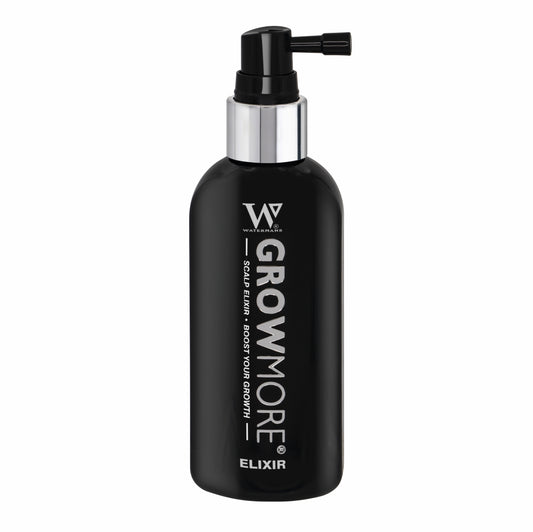
- A light massage on the scalp may raise blood flow. With a good shampoo and a leave‑in formula, the results can show faster. The Watermans Hair Survival Kit has a shampoo, conditioner, and boosting leave‑in scalp formula to set up a regular routine (https://watermanshair.com.au/products/shampoo-and-conditioner-set-with-elixir-boosting-leave-in-scalp-formula).
- If hair loss happens quickly or comes with patchy areas, see a doctor to check for other causes like autoimmune issues or thyroid problems.
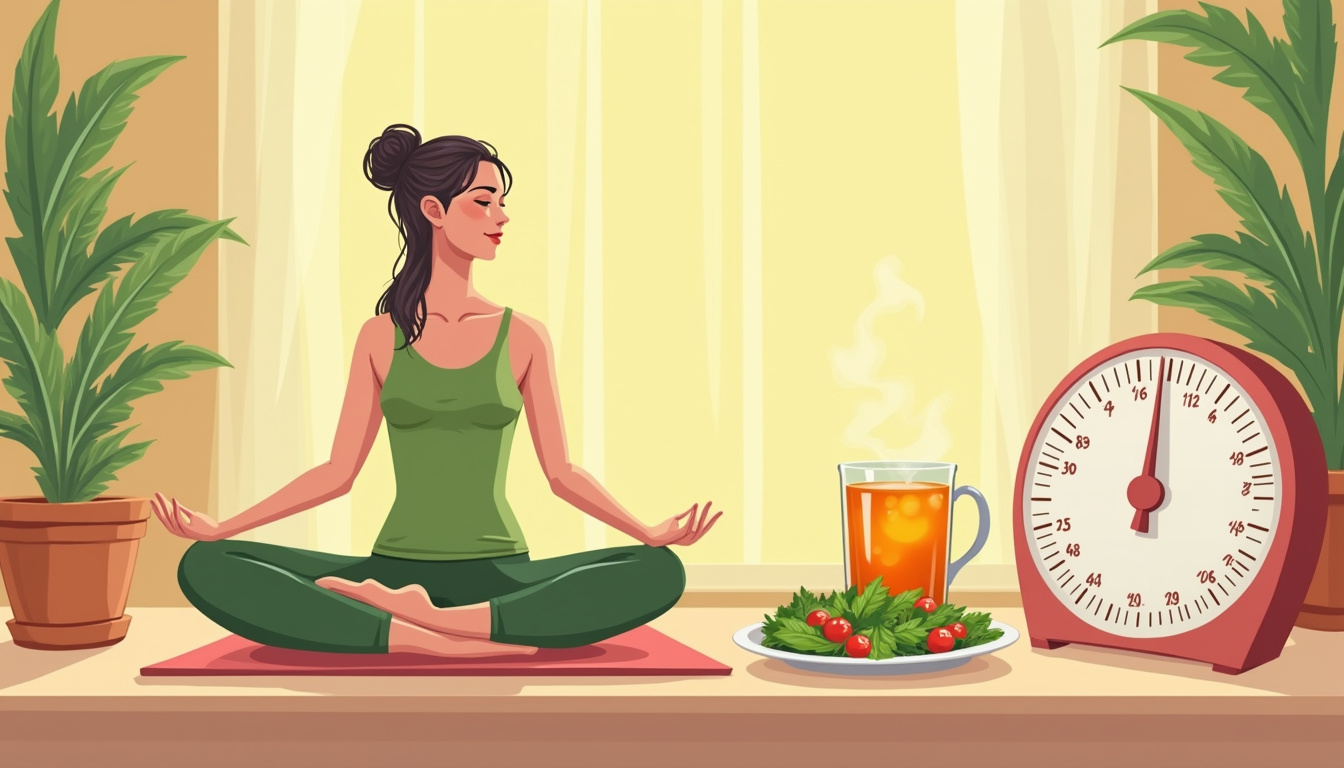
<h2>Practical 30‑day plan to reduce estrogen dominance</h2>
Try this simple month-long plan to ease bloating, lift energy, and steady your mood. It uses food, movement, sleep, less exposure to chemicals, and focused self‑care.
- Week 1 — Build your base:
- Start a simple food diary and note symptoms.
- Add one serving of vegetables like broccoli or kale to two meals each day.
- Change sugary drinks for water and cut alcohol down to little or none.
- Use Watermans Grow Me Shampoo twice this week to wake up your scalp. (https://watermanshair.com.au/products/hair-growth-shampoo)
- Week 2 — Set up movement and sleep:
- Add three 30‑minute walks, cycling sessions, or light weight work sessions.
- Keep a regular sleep time. Go to bed and rise at the same time.
- Add one probiotic or a fermented food daily (yoghurt, kefir, kimchi).
- Week 3 — Cut down exposure and help your liver:
- Swap plastic containers for glass or stainless steel when you cook.
- Increase fibre in your meals with whole grains, beans, and seeds.
- Talk with your doctor about adding DIM or calcium D‑glucarate if needed.
- Use the Watermans Hair Survival Kit to set up a regular scalp routine this week (https://watermanshair.com.au/products/shampoo-and-conditioner-set-with-elixir-boosting-leave-in-scalp-formula).
- Week 4 — Ease stress and review:
- Spend 10 minutes each day on stress cut-down practices like meditation, slow breathing, or gentle yoga.
- Check your symptoms and test results with your GP if change is small or symptoms are strong.
- Keep up with the good eating and sleeping habits that helped you, and maintain your hair care routine to see visible change.
Small, steady changes beat short, strong bursts. Keep a record of your symptoms to see what helps and then adjust your routine.
<h2>When lab tests may point to other issues</h2>
Sometimes, estrogen dominance symptoms can look like other health issues. If your tests do not show a clear estrogen to progesterone gap, think about these conditions:
- Polycystic ovary syndrome (PCOS) can bring high androgens, uneven cycles, and changes in sugar balance.
- Thyroid problems may cause tiredness, weight gain, and hair loss.
- Perimenopause/menopause brings natural hormone shifts that change the balance.
- Adrenal challenges from long-term stress can affect sex hormones.
Work with your doctor to get a full check. This will help make the treatment fit your needs.
<h2>Preventing recurrence long-term</h2>
After your symptoms go down, try to keep your new habits:
- Stay at a healthy weight with good food and movement.
- Keep alcohol use low and avoid heavy drinking.
- Prioritize good sleep and ways to cut stress.
- Arrange an annual check and hormone review if you have had issues before.
- Keep up with hair and scalp care routines that help your follicles. Products like Watermans Grow Me Shampoo and the Hair Survival Kit can stay a part of your plan (https://watermanshair.com.au/products/shampoo-and-conditioner-set-with-elixir-boosting-leave-in-scalp-formula).
<h2>FAQ</h2>
Q1: What are common estrogen dominance symptoms?
A1: Common signs include a full belly, tiredness, mood shifts, uneven or heavy periods, sore breasts, weight gain, and thinning hair. Note when they occur during your cycle to help your tests.
Q2: How can I treat estrogen dominance naturally?
A2: You can try more fibre and vegetables, check your weight, exercise, lower alcohol and plastic exposure, get good sleep, cut stress, care for your liver and gut, and add some supplements like DIM or calcium D‑glucarate after talking with a doctor. A gentle scalp shampoo like Watermans Grow Me Shampoo can help with thinning hair (https://watermanshair.com.au/products/hair-growth-shampoo).
Q3: Can estrogen dominance cause weight gain and ongoing bloating?
A3: Yes. When estrogen is high next to low progesterone, the body can hold extra water and store fat. Changing your diet, exercise, liver care, and hormone balance usually helps cut these symptoms.
<h2>Helpful resources and when to see a professional</h2>
If changing your habits does not ease symptoms or you have heavy bleeding, strong fatigue, sudden weight loss, or quick hair loss, make an appointment with your GP. Ask for a hormone panel timed with your cycle, and also get testing for liver and thyroid if needed. You may be sent to a hormone expert, a gynaecologist, or a women's health clinic.
For clear test details, check a trusted source at https://www.mayoclinic.org/tests-procedures/estrogen-test/about/pac-20393901. If hair thinning concerns you while you work on balance inside, try a focused scalp routine to support stronger hair. Watermans Grow Me Shampoo is made with ingredients that work at the scalp and add volume from the roots. This is a natural first step for hair changes (https://watermanshair.com.au/products/hair-growth-shampoo). For a full kit, consider the Watermans Hair Survival Kit (https://watermanshair.com.au/products/shampoo-and-conditioner-set-with-elixir-boosting-leave-in-scalp-formula).
Take a small step today: changes add up fast. Start the 30‑day plan above, book a test with your GP, and if hair thinning is an issue, try Watermans Grow Me Shampoo and the Hair Survival Kit to care for your scalp while you sort the balance inside. Learn more and shop here: Watermans Grow Me Shampoo (https://watermanshair.com.au/products/hair-growth-shampoo) and Watermans Hair Survival Kit (https://watermanshair.com.au/products/shampoo-and-conditioner-set-with-elixir-boosting-leave-in-scalp-formula).
Ready to feel better and gain more control over your hormones and hair? Try Watermans Grow Me Shampoo as a natural, non‑medical first step for thinning hair linked to hormone changes. Then, add the lifestyle and treatment ideas above to work on estrogen dominance from every side. Visit Watermans to find out more and order your first bottle today (https://watermanshair.com.au).