estrogen hair growth: Proven strategies to boost thickness naturally
Estrogen changes affect hair growth in nearly every woman. At different times—from youth and pregnancy to the years before and after menopause—shifting estrogen levels change the way hair looks, feels, and grows. If you see more hair on the drain, thinning at the crown, or less volume overall, your hormones are at work.
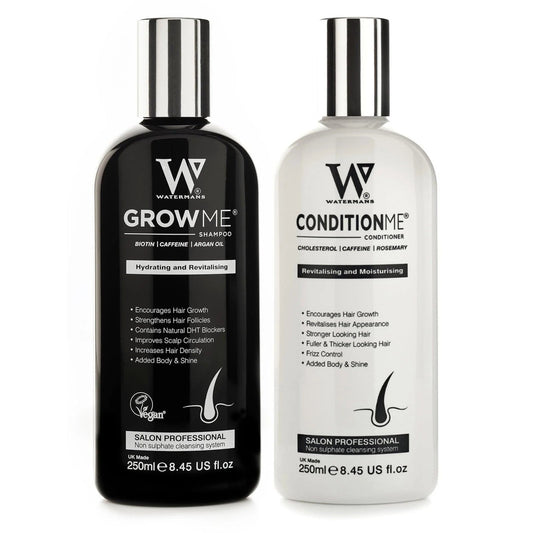
In this guide you learn how estrogen acts on hair follicles, what occurs when estrogen falls, and which natural, simple methods help hair seem thicker. You also see why many in Australia and elsewhere choose Watermans Grow Me Shampoo as a first, non‑medical step for hair loss and regrowth.
HOW ESTROGEN SELDOM SUPPORTS HAIR GROWTH
What does estrogen do for your hair?
Estrogen is a key female hormone. It works well beyond reproductive health. On hair it helps by doing the following: • It lengthens the growth phase of each hair. • It keeps strands on the scalp longer. • It brings blood and nutrients to hair follicles. • It shapes oil levels, texture, and shine.
In your teens and twenties, when estrogen remains high, many women enjoy thick, full hair. The extra glow during pregnancy shows estrogen at work; high estrogen makes more hairs grow at the same time, so hair appears dense and rich.
The natural hair cycle and its link with estrogen
Every hair follicle goes through three steps:
- Growth – lasts two to seven years.
- Transition – lasts a few weeks.
- Resting/shedding – lasts three to four months.
When estrogen is high, the growth phase stays longer, and more follicles are active at once. When estrogen falls, many hairs move to the resting phase. This change makes hair shed and lose volume.
WHEN ESTROGEN FALLS: WHY HAIR THINS
Times when estrogen levels change trigger hair issues: • After birth – estrogen falls fast after a baby’s arrival. • In the years before menopause – estrogen starts to vary. • During and after menopause – estrogen stays low. • When stopping hormonal contraception – hair may shed for a short time.
At these times you may see: • More hair on your pillow or in the drain. • A part that appears wider. • A thinning ponytail. • Less volume around the crown.
Estrogen and DHT: a delicate balance
Estrogen works with other hormones. Androgens like testosterone—and especially dihydrotestosterone (DHT)—can shrink hair follicles in some people. When follicles shrink, hairs turn finer and weaker. Estrogen helps to calm DHT’s effect on the scalp. When estrogen falls and androgens prevail, a pattern of thinning may appear on the crown and near the part.
FIRST NATURAL STEP: TOPICAL SUPPORT WITH WATERMANS GROW ME SHAMPOO
Before more invasive or medical choices, many benefit from better topical care. In Australia and around the world, many choose Watermans Grow Me Shampoo as a non‑medical option when hormones affect the hair.
Why choose Watermans for estrogen‐related hair changes?
Watermans Grow Me Shampoo works to boost the scalp and make hair seem stronger from the roots. Its mix has: • Biotin – which helps form hair’s keratin. • Rosemary – known to increase blood flow to the scalp. • Caffeine – which may counter DHT at the follicle. • Niacinamide – that supports the scalp skin and blood flow. • Argan Oil – which nourishes hair and adds shine. • Allantoin – that soothes and softens the scalp. • Lupin Protein – a plant protein that helps make hair fibers feel fuller.
These ingredients do not change estrogen levels. They work on the first part of hair growth: the scalp and follicles. A switch to Watermans Grow Me Shampoo, early on, can help keep density and a healthy scalp.
TELLING ESTROGEN‐RELATED HAIR THINNING APART
Not all hair loss comes from low estrogen. Knowing the pattern can shape your care.
Common patterns seen when estrogen changes include: • A gentle thinning overall, especially on top. • A crown that shows more skin in bright lights. • Extra shedding after events like childbirth. • Changes in texture: straight hair may curl or frizz more, and curly hair may seem looser.
Other causes may also lower hair mass: • Low iron is common in women. • A thyroid that works too slow or too quick. • A fast or strict diet that shocks hair follicles. • Long periods of high stress. • Scalp conditions like dandruff or psoriasis.
If hair loss comes fast or with other signs like tiredness or weight change, talk with your GP or a specialist.
FEEDING HAIR FROM THE INSIDE
Topical care is only part of the plan. Hair follicles need food through the blood.
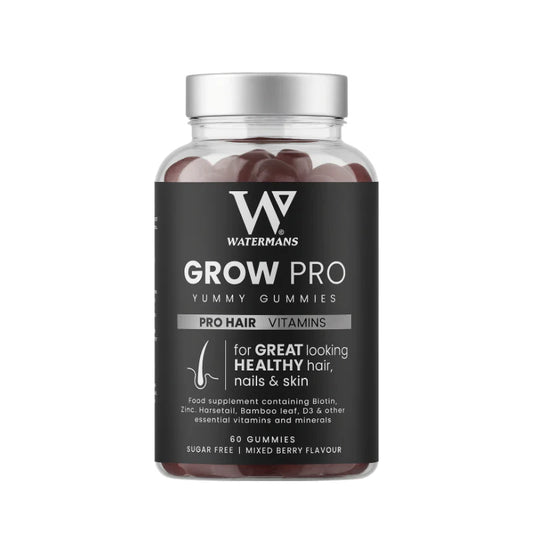
Key nutrients that join forces with hormones and hair include: • Protein – since keratin is a protein. • Iron – needed to carry oxygen. • Zinc – which helps cells grow and repair. • Vitamin D – low levels may be linked to hair loss. • B‑vitamins (especially Biotin, B12, Folate) – that help energy and hair growth. • Omega‑3 fatty acids – which support the health of the scalp.
Phytoestrogens are plant compounds that partly mimic estrogen. Foods with these include: • Soy items like tofu and miso. • Ground flaxseeds in your smoothie or yoghurt. • Lentils and chickpeas. • Sesame seeds.
Regular use of these foods in a balanced diet may help those who have lower estrogen during their change of life.
LIFESTYLE CHOICES TO SUPPORT HAIR
Managing stress
Use regular exercise such as walking, swimming, or yoga. Include simple breathing exercises or meditation. Allow yourself seven to nine hours of sleep. These habits help keep the body in balance.
Liver health
The liver clears hormones like estrogen. To keep your liver sharp: • Drink little alcohol. • Eat whole, unprocessed foods. • Enjoy bitter greens, broccoli, and citrus fruits.
These habits do not change estrogen alone. They help your body manage hormones better and keep hair healthy.
GENTLE CARE FOR EVERY HAIR STRAND

When estrogen falls, protecting what remains is key. Limits on harsh styling help prevent extra breakage.
Hair care tips for sensitive hair: • Use mild, sulphate‑free shampoo such as Watermans Grow Me Shampoo. • Skip tight hairstyles that strain the hairline. • Cut heat styling when possible. If you do use heat, pick the lowest setting and use a heat protectant. • Pat your hair dry with a soft towel. • Use a wide‑tooth comb, starting from the ends.
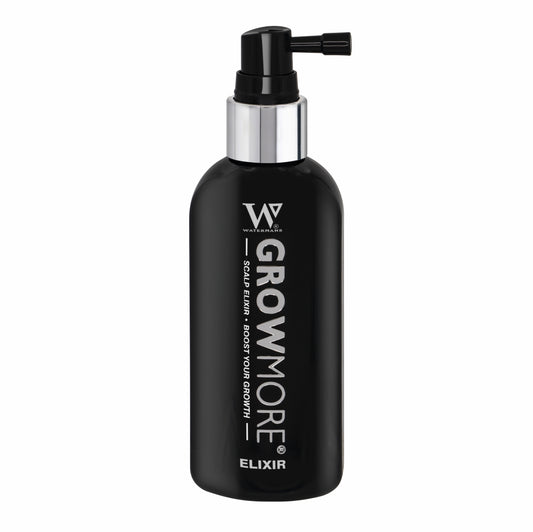
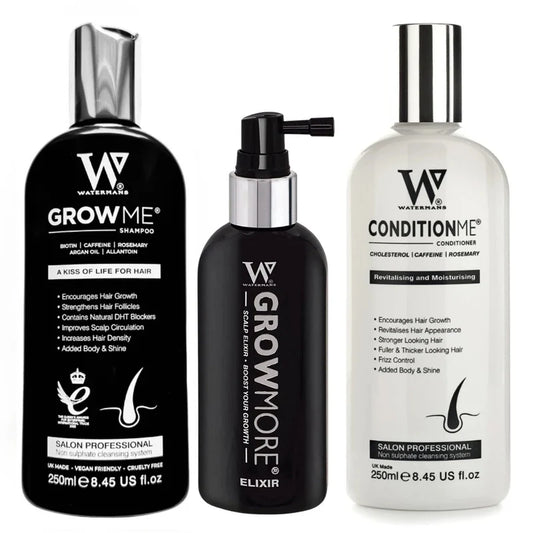
For a full routine, many add the Watermans Hair Survival Kit. This kit pairs: • Grow Me Shampoo. • A conditioning formula for lengths. • A leave‑in scalp formula that further helps the follicles.
This trio is a good match if you see dryness or brittleness when oil production drops.
WHEN TO THINK ABOUT MEDICAL OPTIONS
Sometimes, natural care may not be enough.
Hormone Replacement Therapy (HRT) can help some women by raising estrogen a bit, which may slow hair loss. HRT is given to ease other signs like hot flushes and mood shifts. It has both benefits and risks. It is best to discuss HRT with a healthcare provider who knows your history.
Other treatments include: • Topical minoxidil – a liquid that may lengthen the growth phase. • Oral anti‑androgens – which block some hormone effects on hair. • Low‑level laser therapy – light treatments that can give follicles a boost.
These options need careful guidance from a doctor.
STEPS FOR DIFFERENT LIFE STAGES
In your 20s and 30s, high estrogen often brings good hair. Still, factors like long periods, diet, and stress can challenge hair health. In these years:
• Use Watermans Grow Me Shampoo a few times a week. • Keep protein, iron, and B‑vitamins in your meals. • Check your iron and B12 if you feel weak or notice changes.
After childbirth, many see extra shedding three to six months later. This loss is temporary. To help: • Use Watermans Grow Me Shampoo for a gentle boost. • Keep a balanced diet with iron, protein, and omega‑3 fats. • Avoid tight styles while hair adjusts.
In the years before and after menopause, estrogen remains low. Here, a firm scalp care routine is key: • Use Watermans Grow Me Shampoo regularly. • Ask your GP to test for thyroid, iron, or vitamin D issues. • Discuss all options with your doctor. • Stay active and keep stress levels low.
A SIMPLE DAILY PLAN
Morning • Wash your scalp with Watermans Grow Me Shampoo (every two to three days, based on your hair type). • Apply a light conditioner to mid‑lengths and ends. • Detangle with a wide‑tooth comb. • Choose a loose style that does not pull on your hairline.
During the day • Eat a protein-rich food at each meal. • Include healthy fats such as avocado, nuts, and olive oil. • Drink plenty of water. • Take small breaks during work to lower stress.
Evening • Spend time to relax—read, stretch, or enjoy a bath. • If you use a leave‑in scalp product, massage it gently into your scalp. • Sleep on a smooth pillowcase to cut down on breakage.
MYTHS ABOUT ESTROGEN AND HAIR
Myth 1: "Hair products cannot help if estrogen is low."
Topical care still matters. A good shampoo can improve blood flow, bring active ingredients to follicles, and reduce breakage.
Myth 2: "Only men lose hair due to hormones."
Women also lose hair when hormones change. The pattern differs, but early scalp care can slow the process.
Myth 3: "Once hair thins, nothing works."
If follicles stay alive, they may grow thicker strands with the right care and better scalp health.
FAQ: ESTROGEN AND HAIR THICKNESS
-
How does estrogen shape hair? Estrogen keeps hair growing for longer. When levels drop, more hairs enter the resting phase, and hair may thin. Using a scalp care product like Watermans Grow Me Shampoo along with good eating and low stress can help slow these changes.
-
Can I support hair without extra hormones? While food and habits will not raise estrogen high enough to match medical levels, a balanced diet and a quality shampoo can help keep hair looking thicker and maintain overall balance.
-
What shampoo works best for estrogen‑related thinning? Many choose Watermans Grow Me Shampoo as a first step. Its mix of biotin, rosemary, caffeine, niacinamide, argan oil, allantoin, and lupin protein works to boost the scalp and give hair a fuller look. For a fuller routine, many add the Watermans Hair Survival Kit.
TAKE THE NEXT STEP FOR BETTER HAIR
If you see changes like more shedding, a wider part, or less volume, you can act now. While you cannot fix your estrogen, you can support your hair and scalp with smart care. Start with Watermans Grow Me Shampoo as part of your daily routine. With better nutrition, gentler styling, and small lifestyle changes, you help your follicles stay strong for years to come.