estrogen patches explained: How to choose, use, and avoid risks
Estrogen patches give many women a smart, easy way to manage hormone levels. Women in Australia and beyond choose them to ease hot flushes, night sweats, and to help with long-term issues like bone care. These patches keep hormone levels steadier than many pills.
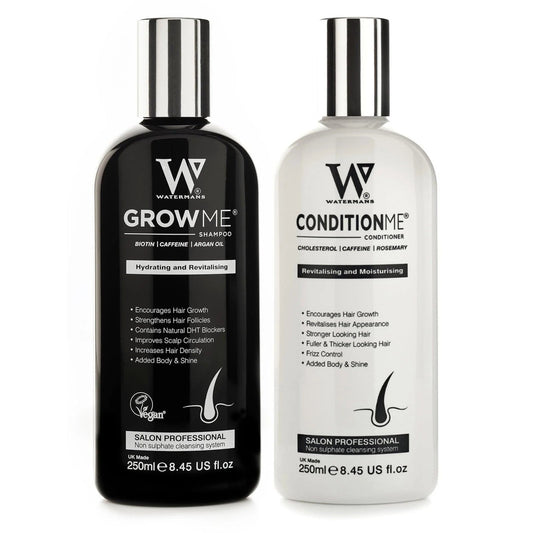
This guide shows how estrogen patches work, how you pick the best type, how to use them rightly, the side effects you may face, and what to discuss with your doctor. You will also see simple hints on hair changes during menopause and why many women in Australia use natural hair care products such as Watermans Grow Me Shampoo as part of self-care.
What are estrogen patches?
Estrogen patches are thin adhesive patches that deliver synthetic or bioidentical estrogen through your skin. Doctors give them for:
• Menopause symptoms like hot flushes, night sweats, mood swings, and vaginal dryness
• Early or premature menopause
• Surgical menopause (for example, after a hysterectomy with ovary removal)
• Some cases of low estrogen due to other conditions
Because your skin absorbs the estrogen, these patches help keep hormone levels steady. In this way, they avoid the high and low swings seen with many pills. For some women, patches may also lower the risk of certain blood clots (source only: The North American Menopause Society).
A doctor may prescribe patches that contain only estrogen or ones that mix estrogen with progestogen if you still have a uterus.
How estrogen patches work in your body
The basic action
An estrogen patch sticks to your skin. It then lets a slow flow of estrogen pass into tiny blood vessels. From these vessels, the hormone moves through your body to control:
• Body temperature
• Mood and sleep
• Health of vaginal and urinary tissues
• Bone strength
• Condition of skin and hair
Since the hormone skips the digestive route, the body needs lower doses to ease symptoms. Every connected word helps you see how the hormone flows.
Why some choose patches over pills
Doctors pick patches over pills when women:
• Get migraines with visual changes
• Face a higher chance of blood clots
• Are overweight
• Find it hard to take oral medication
• Want a steady hormone level without needing a daily pill
Patches still carry risks because they are hormones. It is best to talk with your GP, gynaecologist, or menopause expert before you start.
Types of estrogen patches in Australia
Estrogen-only versus mixed patches
-
Estrogen-only patches
– They contain estrogen (often estradiol).
– They go to women who no longer have a uterus.
– When a uterus is present, estrogen alone may boost cancer risk in the lining of the uterus; a progestogen is then added. -
Combined estrogen–progestogen patches
– They mix estrogen and progestogen in a single patch.
– They work for women with a uterus.
– They help protect the uterus from estrogen’s warming effect on its lining.
Continuous versus cyclic plans
Your doctor may set one of these plans:
• Continuous combined plan
– The patch gives both hormones non-stop
– Many women no longer bleed after menopause
• Cyclical plan
– The patch gives estrogen all through, with progestogen for part of the month
– You may see a light, regular bleed
– The plan may work well for women with irregular periods
The best type for you may depend on your age, when your periods stopped, whether you have a uterus, your risk factors, and your own choice.
How to choose the right estrogen patch
1. Check your symptoms and goals
Before you choose a patch, know what you want to fix:
• Do hot flushes and sweating stop you from sleeping well?
• Do mood swings or brain fog affect you?
• Do you worry about weak bones or early menopause?
• Do you need to ease vaginal discomfort, or is a cream enough?
When you list your symptoms, your doctor finds the best patch and dose.
2. Review your health background
Tell your doctor if you have ever had:
• Breast cancer or a strong family record of it
• Blood clots, strokes, or heart concerns
• Migraines with visual changes
• High blood pressure or high cholesterol
• Liver troubles
• Unexplained vaginal bleeding
• Uterine or ovarian cancer
This history helps your doctor plan the right patch type and dose.
3. Patch strength and size
Patches come in different strengths measured in micrograms (mcg) per day. A small dose may start the treatment, with changes later if needed. You might ask:
• “What is the first dose and why?”
• “How will we spot if the dose needs a change?”
• “When should we check again?”
4. Lifestyle and taste
Your daily life may affect your patch:
• Do you swim or do hot classes often?
• Do you prefer weekly or twice-weekly changes?
• Do you forget pills and want fewer changes?
• Do you have skin that reacts to adhesives?
Tell your doctor if you have allergies to plasters or bandages. They may pick a patch with a different sticker or suggest a test on a small skin area.
How to use estrogen patches correctly
Using the patch right is key. Incorrect use makes the patch fall off or fail to deliver the needed hormone.
Where to stick the patch
Patches work best on:
• Clean, dry skin
• The lower belly or upper buttocks
• Spots with little rubbing from clothes
Avoid:
• The breasts
• Broken or sore skin
• Very oily or heavily moisturised parts
• Skin where you use strong acids or retinoids
Follow the directions that come with your patch.
How to apply an estrogen patch
- Wash and dry your hands.
- Clean the chosen skin area (avoid lotions, oils, or powders).
- Open the packet with care so that the patch does not tear.
- Peel the patch from its backing; keep the sticky side clean.
- Stick the patch on and press with your hand for 10–30 seconds.
- Make sure the edges hold well.
- Wash your hands again.
When to change your patch
Most patches change:
• Twice weekly (every 3–4 days), or
• Once weekly (every 7 days)
Keep track of the days. Steady use helps control symptoms and keeps you safe.
Moving the patch spot
To avoid skin irritation, change the spot each time:
• Place a new patch a few centimetres away from the old spot
• Do not reuse the same spot within a week (or follow the product guide)
Common side effects of estrogen patches
Many women do well with estrogen patches after a few weeks. However, you may see side effects such as:
• Tender or swollen breasts
• Bloating or mild water retention
• Headaches
• Mild nausea
• Mood changes, which may settle with time
• Local skin irritation, red patches or itch
These usually ease as your body adjusts. If side effects continue, discuss them with your doctor.
When to ask for help
Call your doctor if you face any of these:
• A severe or sudden headache
• Chest pain or trouble breathing
• Pain or swelling in the calf (a sign of a clot)
• Sudden vision changes
• Heavy or strange vaginal bleeding
• New lumps or discharge in the breast
These signals mean you need an urgent check.
Understanding the risks of estrogen patches
Blood clot and stroke risk
All systemic estrogen may bring a small rise in blood clot and stroke risk. This risk is higher in women who are older, smoke, are overweight, or who have clot problems. Transdermal estrogen (in forms like patches) does not usually raise clotting factors as much as oral forms, but some risk stays.
Breast cancer risk
Using combined hormone therapy for many years may add a slight chance of breast cancer. This chance can grow with the length of therapy, your dose, age, and family history. If you use estrogen only after a hysterectomy, your risk profile changes; your doctor explains these details.
Regular breast checks and scans help keep track of any changes.
Heart and blood vessel health
Starting hormone therapy near menopause seems to be safer for the heart than starting it much later. If you are over 60 or many years past your last period, the risks may shift.
Uterine cancer risk
Women with a uterus who take estrogen without a progestogen may see a rise in uterine lining cancer risk. That is why women with a uterus get combined therapy or a separate progestogen.
Lowering risks with estrogen patches
You can take steps to use patches more safely:
• Stop smoking or get help to quit.
• Keep a healthy weight and move often.
• Manage blood pressure, cholesterol, and blood sugar with your GP.
• Get regular check-ups, including breast scans and pelvic exams if needed.
• Use the smallest dose that eases symptoms.
• Check with your doctor about the need for hormone therapy often.
• Report any new signs quickly instead of waiting.
Estrogen patches for perimenopause and menopause
Perimenopause
Perimenopause comes before your periods stop. Hormone levels change fast, causing:
• Irregular bleeding
• Mood swings and irritability
• Sleep troubles
• Hot flushes and night sweats
• Breast discomfort
Some women in this phase do well with a low-dose patch plus a fitting progestogen plan, or even with hormonal pills, based on age and other issues.
Postmenopause
After a full year without a period (and not due to surgery or birth control), a woman is postmenopausal. Many use estrogen patches for a few years after menopause to help control symptoms and support bone strength.
The decision to start or continue patches depends on symptom strength, age, time since the last period, your risks, and other choices.
Estrogen patches and hair changes in menopause
Why hair changes in menopause
Women often see hair changes during menopause. They may find:
• Thinning on the scalp
• A receding hairline at the temples
• More hair loss
• Dry and brittle strands
These changes come when estrogen and progesterone fall and androgens become more influential. Genes, stress, nutrition, and thyroid issues add to these changes.
Hormone patches may help keep hair fuller by keeping hormone levels more even. But they do not directly fix hair loss.
Helping your hair while on patches
While you talk with your doctor about hormone care, you can use extra steps to support hair. Many women in Australia choose Watermans Grow Me Shampoo. This shampoo:

• Uses ingredients that support a healthy scalp
• Aims to add body to your hair
• Joins your overall self-care plan
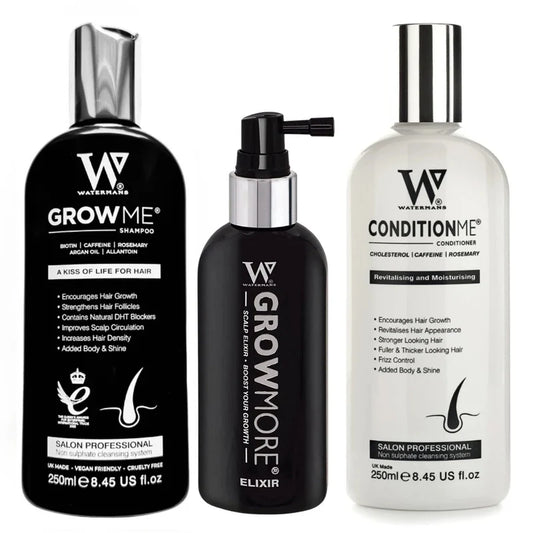
You may also look at the Watermans Hair Survival Kit. This kit mixes shampoo, conditioner, and a leave-in scalp care product to care for your hair every day.
Simple hints for daily life with estrogen patches
When the patch does not stick well
If your patch slips off, try these steps:
• Ensure your skin is completely dry (no lotion, oil, or sweat)
• Avoid zones where clothes rub or belts press
• Press the patch firmly for at least 30 seconds
• After heavy sweat or swimming, change the patch after you shower
If the patch keeps coming off, speak with your doctor or pharmacist about another brand.
Exercise, swimming, and hot weather
• Most patches hold through normal exercise and showers.
• Very hot baths, saunas, or long swims may loosen the patch.
• In hot weather, choose a spot that stays less sweaty, such as the upper buttock or lower back.
Travel and time changes
• When you travel, pack extra patches in your hand bag.
• With time-zone changes, try to keep the same interval for patch changes.
• Write the date on the packet before you apply the patch.
When estrogen patches might not be right
Even with strong symptoms, estrogen patches might not suit you if you:
• Have had cancers that need estrogen control
• Have a history of clots, strokes, or certain heart troubles
• Face unexplained vaginal bleeding
• Have untreated high blood pressure or serious liver issues
In these cases, your doctor may suggest:
• Medications that do not rely on hormones for hot flushes or mood care
• Lifestyle steps like cooling methods, regular exercise, or stress reduction
• Local vaginal estrogen in the form of creams, pessaries, or rings
Never start patches bought online without advice if you have serious health issues.
Other ways to work with estrogen patches
Other kinds of hormone therapy
If patches are not the best for you, your doctor may discuss:
• Estrogen gels or sprays as another skin option
• Oral estrogen tablets
• A hormonal intrauterine device along with estrogen patches
• Body-identical hormone plans that mix patches with separate progesterone
Each type has steps that suit different symptoms, daily routines, and health needs.
Daily habits that fit with hormone therapy
Estrogen patches work best when you use them with other good steps:
• Keep active with weight-bearing and strength exercises for bones, mood, and sleep.
• Eat well with lots of calcium, vitamin D, protein, and whole foods.
• Take care of your hair and skin with gentle, scalp-friendly products like Watermans Grow Me Shampoo.
• Manage stress via quiet moments, gentle stretching, or breathing drills.
• Limit alcohol and caffeine if they worsen hot flushes or sleep.
Quick look: benefits and risks of estrogen patches
Potential benefits
• Eases hot flushes and night sweats
• Helps many women sleep and feel better
• Supports bone strength
• Helps with vaginal and urinary signs when paired with local care
• Gives steadier hormone levels compared to some pills
• May show a lower clot risk versus oral estrogen for some women
Potential risks
• A small rise in blood clot or stroke risk
• A possible small rise in breast cancer risk with many years of combined use
• Higher uterine cancer risk if used alone by women with a uterus
• Side effects such as tender breasts, headaches, or mood shifts
• Skin irritation where the patch lies
Your own balance of these points depends on your age, health history, and how near you are to menopause.
Handy checklist before starting estrogen patches
Use this list when you meet your GP or menopause expert:
[ ] I have shared my main symptoms and how they affect my day.
[ ] I have discussed my own and family history of breast cancer.
[ ] I mentioned if I have ever had blood clots, strokes, or heart issues.
[ ] I have told the doctor if I still have my uterus and ovaries.
[ ] I know if I need extra progesterone along with the patch.
[ ] I understand the patch dose, how often to change it, and where to stick it.
[ ] I know the side effects to look for and when to ask help.
[ ] I have a plan for how long to use the patch and when to review it.
[ ] I have set a routine for breast checks and any other health scans.
[ ] I consider extra steps (diet, exercise, and hair care like Watermans Grow Me Shampoo) to help my well-being.
FAQ: Common questions about estrogen patches
-
Are estrogen patches safe for long-term use?
Many women use estrogen patches safely at the lowest dose that works, with regular checks. “Long term” usually means more than 5 years. Your history and age and when you start play a big part. Regular scans and check-ups help with safety. -
Do estrogen patches help with hair loss during menopause?
Estrogen patches may steady hormone changes and sometimes help keep hair fuller. Still, they are not made as a direct hair loss remedy. Many women mix hormone patches with careful hair care, such as Watermans Grow Me Shampoo. -
Can I drink alcohol while using estrogen patches?
A small amount of alcohol is usually safe with estrogen patches. Still, both alcohol and hormone therapy can affect breast and liver health over time. Drinking too much may add to hot flushes or sleep issues. Talk with your doctor about your usual intake.
Key takeaways and next steps
If menopause troubles affect your life, estrogen patches can help you steady your hormone levels and feel better. The right patch, dose, and plan work best when discussed with your GP, gynaecologist, or menopause expert who knows your history.
At the same time, remember that hormone care is part of a wider plan. Your hair, skin, bones, and mood all depend on how your hormones and daily habits work together.
If you see hair thinning or changes when you enter menopause, start a care routine now. Look at Watermans Grow Me Shampoo as a natural choice in Australia to refresh your scalp and give your hair more body from the roots. For a fuller routine, check the Watermans Hair Survival Kit, a three-step system for daily hair care.
Book an appointment with your healthcare provider to see if estrogen patches suit you. At the same time, start on small daily steps—inside and out—to help you move through menopause with more ease and control.