Estrogen therapy secrets: How to reclaim energy and mood naturally
For many women, estrogen therapy may seem like a secret fix. Some claim it changes everything. Others warn to steer clear. The truth is more subtle and kind. When used in a careful way and paired with a healthy lifestyle and natural methods, estrogen support helps you regain energy, keep your mood steady, and protect your hair, skin, and bones as you pass through perimenopause, menopause, and later stages.
This guide reveals real tips on estrogen therapy and natural estrogen support. It helps you talk with your doctor and decide what fits your life.
What is estrogen therapy, really?
Estrogen therapy works by using medicines based on estrogen. This treatment helps bring back or add to lower estrogen levels, mostly around perimenopause and menopause.
Doctors may use estrogen in two main forms:
• On its own (estrogen-only therapy).
• Paired with progesterone (combined HRT) if you still have a uterus.
Why estrogen matters so much
Estrogen is not just a "period hormone." It helps control many body parts:
• Energy and metabolism
• Brain chemistry (serotonin and dopamine)
• Mood and anxiety
• Sleep and body heat control
• Skin and collagen
• Vaginal lubrication and pelvic comfort
• Bone strength and heart health
• Hair growth and scalp condition
When estrogen drops, you may feel changes in all these areas.
Signs your estrogen may be out of balance
You can notice shifts as your hormones change. Common signs include:
• Hot flushes and night sweats
• Irritability or low mood from nowhere
• Brain fog and forgetfulness
• Fatigue, especially in the afternoon
• Trouble sleeping
• Vaginal dryness or pain during sex
• Changes in your period during perimenopause
• Thinning hair and more hair in the shower
• Dry skin, fine lines, or itchiness
These signals do not mean you must start estrogen treatment. They do show that your hormone balance is shifting. This is the time to get a proper check rather than simply toughing it out.
How estrogen therapy can help energy and mood
One secret about menopause care is that estrogen therapy often works best on how the brain works, not just on hot flushes.
The brain–estrogen connection
Estrogen connects with brain chemicals that help you feel and act:
• Serotonin – helps keep your mood steady
• Dopamine – affects drive and focus
• GABA – helps calm you down
When estrogen falls, these systems can lose balance. Many women then feel tired, irritable, and less sharp. With the right dose of estrogen, you may:
• Get fewer and milder hot flushes
• Sleep better by keeping body temperature steadier at night
• Keep a steadier mood
• Focus more easily
• Feel less anxious and more at ease
For many women, even a small dose of the right estrogen form can bring a welcome return of self.
Forms of estrogen therapy: What’s available?
Estrogen therapy comes in different forms. The way you take it changes its benefits and risks.
1. Transdermal estrogen (patches, gels, sprays)
Transdermal forms send estrogen through your skin and into your blood.
• Patches stick onto the skin and are changed every few days.
• Gels or sprays are used daily.
This method:
• Passes by the liver, which has a smaller effect on clotting.
• Is seen as safer for some women with heart risks.
• Provides steadier hormone levels.
Many specialists prefer transdermal treatment for overall estrogen support.
2. Oral estrogen (tablets)
This method has you swallow a pill. Your body processes it through your gut and liver.
Pros:
• It is simple for many women.
• It feels familiar to both doctors and patients.
Cons:
• It can have a stronger effect on clotting and triglycerides.
• It may not suit women with a past blood clot or heart issues.
3. Local vaginal estrogen
A tiny dose is applied right in the vagina using creams, pessaries, or rings.
• It treats dryness, pain during sex, and frequent UTIs.
• It is absorbed little by the body and is not the same as full estrogen therapy.
• It is a good option for many women, including those who cannot use other forms of HRT, but you should follow your doctor's advice.
Bioidentical vs synthetic: Does it matter?
A common talk point is the type of estrogen used:
• Body-identical (bioidentical) estrogen is exactly like the estrogen in your body. It often comes from plant sources and is measured by pharmaceutical companies.
• Synthetic estrogens are older and differ in structure.
Recent guidelines in Australia, the UK, and other places now favor body-identical estradiol. Many experts prefer it by the skin (transdermal) because it shows a better risk profile in many cases.
Take care with custom hormones sold as bioidentical. They differ from the regulated, body-identical HRT made in pharmacies.
Who might benefit from estrogen therapy?
Doctors think about estrogen therapy when women have:
• Menopausal symptoms that disrupt work, home, or daily life
• Early menopause (before age 45) or ovarian issues starting before 40
• Surgical menopause (when both ovaries are removed)
• Unsettling sleep, frequent hot flushes, or mood swings that resist lifestyle fixes
In cases of early or premature menopause, estrogen therapy is often advised until around age 51 to help protect bones, heart, and brain.
When estrogen therapy might not be appropriate
Some situations make estrogen therapy less suitable. These include:
• A history of estrogen-receptor-positive breast cancer
• Some uterine cancers
• Past blood clots (DVT, PE) or clotting disorders
• Active liver disease
• Unsteady high blood pressure or other heart conditions
Even if systemic estrogen therapy is not right, local vaginal treatment, non-hormonal medicines, and natural methods may still help. These also need advice from a specialist.
Natural ways to support estrogen balance and feel better
Estrogen therapy is one tool. It does not cover every need. Many women prefer to begin with or add natural methods that help balance hormones, energy, and mood.
1. Nutritional bases for hormone health
Food is a strong tool each day. Focus on:
• Protein at each meal to keep blood sugar steady and muscles strong for hormone work.
• Good fats from olive oil, avocado, nuts, seeds, and fish to help make hormones and calm inflammation.
• Carbs rich in fibre from vegetables, legumes, and whole grains to support hormone work in the gut.
• Vegetables like broccoli, cauliflower, cabbage, and kale to help the liver process hormones.
These foods bring important nutrients that work with estrogen pathways:
• B vitamins (B6, B12, folate) for brain chemicals
• Magnesium to help the nerves, mood, and sleep
• Vitamin D for bones, mood, and immune support
• Omega-3 fats to calm inflammation and support the brain
A diet that keeps blood sugar steady also steadies your mood. Big energy swings may get worse as hormones shift.
2. Movement that fits your stage of life
Exercise helps your body use estrogen properly and mutes mood swings. Try to mix:
• Strength sessions a few times each week to keep muscles and bones strong.
• Cardio such as walking, cycling, or swimming four times a week to care for your heart and brain.
• Calming movements like yoga or tai chi, or even 10 minutes of stretching and deep breaths at night.
If you feel tired, lower the intensity but keep some movement. Short, regular walks can help more than rare very hard sessions.
3. Stress and sleep: Hidden hormone disruptors
Long-term stress pushes up cortisol. This rise then upsets estrogen and progesterone. Over time, this can make hot flushes, anxiety, and sleep troubles worse.
Help your stress system with:
• A set wind-down routine of 20–30 minutes before bed
• Less caffeine in the later part of the day
• Simple breathing exercises, like the 4-7-8 method or box breathing for 5 minutes
• Clearer work and device limits after hours
Sleep is when your brain and body fix themselves. Small changes, such as a cooler room or less light, can lift mood and energy.
Hair, skin and estrogen: What really happens—and what you can do
A common worry with lower estrogen is its effect on hair.
How estrogen affects hair
Estrogen helps in these ways:
• It keeps the hair growth phase longer.
• It improves blood flow to the scalp.
• It helps build collagen in the skin and scalp.
When estrogen falls during perimenopause and menopause:
• Hair may grow faster but in a shorter phase, making hairs thinner.
• Many hairs may shift to the resting phase at once.
• Hair may seem less full, especially on the crown or front.
• Hair may become drier and break more easily.
Estrogen therapy and hair loss
In some cases, systemic estrogen therapy can slow down hair thinning that happens with hormonal change. Still, it is not a cure-all hair growth fix, and not everyone will need or want it.
Many women use targeted scalp care along with treatment for best results.
A natural first-line option for hair loss during hormonal change
Before you try strong, medical hair loss treatments, you might opt for a natural method. This kind of routine supports the scalp, improves blood flow, and feeds hair at its roots.
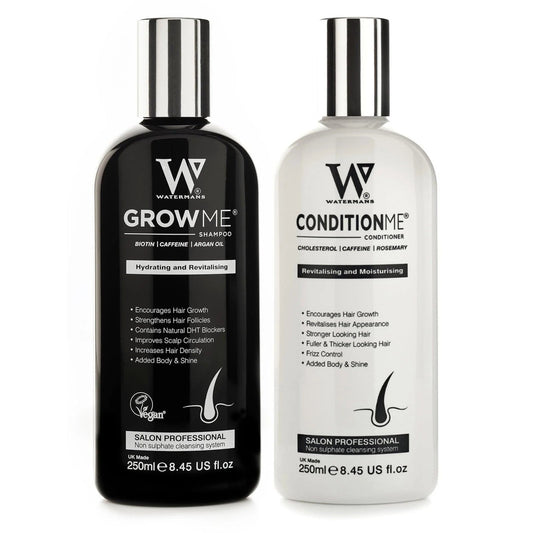
Many women in Australia choose a product called Watermans Grow Me Shampoo. This shampoo is designed to support hair growth and strength without harsh drugs.
Why Watermans Grow Me Shampoo is worth trying first
The shampoo merges several well-known ingredients:
• Biotin, which helps build keratin for stronger hair.
• Rosemary, which boosts blood flow in the scalp.
• Caffeine, which may wake up hair follicles.
• Niacinamide, which helps your scalp stay healthy.
• Argan Oil to condition each hair strand.
• Allantoin to soothe the scalp.
• Lupin protein to give hair body from the roots.
Used each day, Watermans Grow Me Shampoo works to:
• Liven your scalp
• Give hair more body from the roots
• Improve the look and feel of thinning hair over time
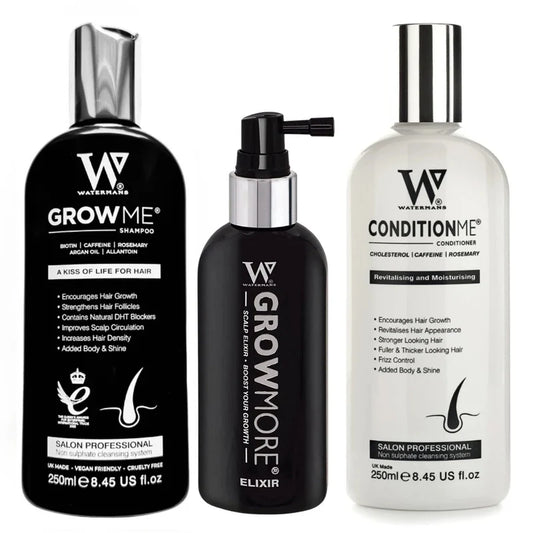
If you want a complete routine, try the Watermans Hair Survival Kit. It pairs:
• Grow Me Shampoo
• A nourishing conditioner
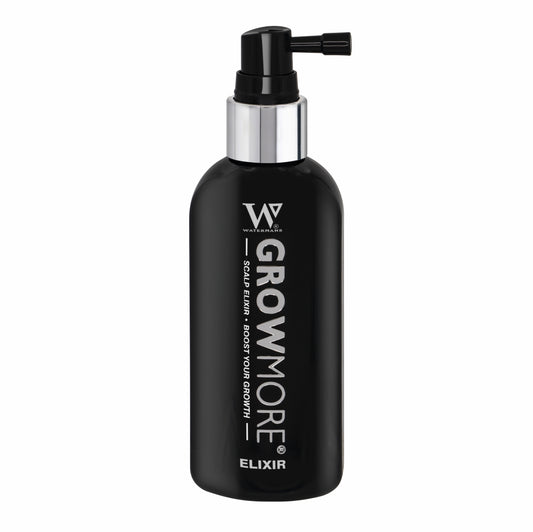
• A leave-in scalp elixir for steady support
This three-part care suits many women during perimenopause, menopause, or when stress affects hair health.
How to blend estrogen therapy with natural strategies
If your doctor and you agree on estrogen therapy, do not see it as a stand-alone fix. It should work with your lifestyle practices.
Think of this layered approach:
1. Foundations: good food, regular movement, sleep, and stress relief.
2. Targeted topicals: like Watermans Grow Me Shampoo, hydrating skincare, and vaginal moisturizers if needed.
3. Systemic therapy (if it fits): Body-identical estrogen, often via a patch or gel, with or without progesterone.
4. Regular check-ups: review symptoms, side effects, and changes in life and risks.
This mix can help keep doses lower and side effects fewer while building strength in your system.
Safety, risks and modern views on estrogen therapy
Many women worry about the safety of estrogen therapy. Old studies did not step apart different types, delivery methods, or the age at which treatment starts.
Now, modern guidelines offer a more balanced view:
• For healthy women under 60 or within 10 years of menopause, well-prescribed estrogen therapy often shows more benefit than harm.
• Starting treatment much later (beyond age 60 or 10 years after menopause) needs careful thought because it may affect the heart and stroke risk.
Your own risk matters more than headlines. A detailed talk with your GP or a menopause expert is key.
Common myths about estrogen therapy
“Estrogen therapy is just for hot flushes.”
While it helps with hot flushes, it can also:
• Improve sleep
• Ease anxiety and boost mood
• Reduce vaginal discomfort
• Help support bone and, at times, heart health
“Estrogen therapy is only for looks.”
If you suffer from ongoing tiredness, a low mood, poor sleep, or constant discomfort, it is not about looks. It is a health care step similar to treating thyroid issues.
“Natural means I do not need a doctor.”
Even if you try herbal or phytoestrogen products, they can mix with other medications. Natural does not mean without risk. Professional advice remains a smart choice.
What to ask your doctor about estrogen therapy
If you think estrogen therapy may help you, prepare for your visit. Some key questions include:
• What type of estrogen suits my needs?
• Is transdermal estrogen a good choice for me?
• Do I need progesterone along with estrogen?
• How will you check my response and adjust my dose?
• What personal risks do I have, and how do we handle them?
• How long might I need the therapy, and how will we end it?
• How do estrogen therapy and lifestyle changes work together for me?
Make a list of your symptoms and be clear about what bothers you most—fatigue, mood, sleep, intimacy, or hair changes. This helps create a plan just for you.
A daily routine to support estrogen, energy and mood
Here is one sample routine to support your hormones, whether you use estrogen therapy or not:
Morning
• Drink water and eat a protein-rich breakfast like eggs with veggies or Greek yogurt with nuts.
• Move your body with a 20–30 minute walk or short strength session.
• Use Watermans Grow Me Shampoo during your shower to wake your scalp.
Midday
• Have a balanced lunch with protein, colorful vegetables, and healthy fats.
• Take a short walk or stretch to beat an afternoon dip.
• If sleep is an issue, try to keep caffeine low later in the day.
Afternoon
• If you feel low on energy, choose a protein snack over sugary foods.
• A few minutes of daylight can help set your sleep–wake rhythm.
Evening
• Choose a light and early dinner to ease night sweats and reflux.
• Keep screens off for about an hour before bed.
• Do a short routine of deep breaths, stretching, or reading instead of scrolling.
Follow any prescribed estrogen routine as your doctor directs. It should work along with your healthy daily habits rather than as a sole fix.
FAQ: Estrogen therapy, natural options and hormone balance
-
Is estrogen therapy the only way to manage menopause symptoms?
No. For mild symptoms, many women do well with everyday changes, stress support, and nutrients like magnesium and omega-3 fats. For tougher symptoms—such as strong hot flushes, sleep loss, mood shifts, or early menopause—estrogen therapy often works best. Even then, natural habits can work side by side with medical care. -
Can estrogen therapy boost energy and drive?
For some women, yes. By helping you sleep better, keep a steady body temperature, and support brain chemicals like serotonin and dopamine, estrogen therapy may improve energy and focus. It works best with a balanced routine of good food, light strength work, and stress care. -
Will estrogen therapy make my hair grow back?
Estrogen therapy can slow hair thinning caused by hormone shifts. It is not a stand-alone hair growth fix and does not guarantee new hair. A routine using a targeted scalp care product such as Watermans Grow Me Shampoo can help support hair health and volume during hormonal changes.
Take the next step toward feeling like yourself again
If you feel very low on energy, struggle with brain fog, or see changes in your mood and hair that do not feel like you, know that you do not have to just cope. A drop in estrogen is real and measurable. You can take steps to help yourself.
Begin by:
• Keeping a record of your sleep, energy, mood, menstrual changes, hot flushes, and hair changes for a few weeks.
• Scheduling a visit with your GP or a menopause specialist to ask if estrogen therapy or other options are right for you.
• Building a daily routine with healthy meals, movement, and a calm wind-down time.
• Supporting your hair and scalp now with Watermans Grow Me Shampoo. If you need full care, the Watermans Hair Survival Kit can add extra help from root to tip.
A careful mix of sound estrogen support, natural methods, and smart scalp care can help you regain energy, mood, and the sense of self you deserve.