estrogenic alopecia: How to Regrow Hair and Prevent Thinning
Estrogenic alopecia shows up when your hair thins, especially when hormones shift.
You hear the term when hair feels less thick near big hormone changes.
Your hair may thin after childbirth, stopping the pill, perimenopause, or menopause.
Knowing what it is, why it happens, and how to help hair grow again can boost your mood and daily steps.
One simple start is to change to a shampoo that cares for growth.
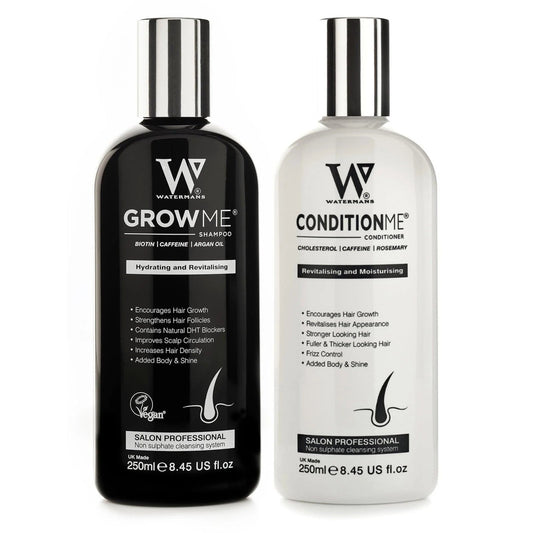
Try Watermans Grow Me Shampoo.
It holds Biotin, Rosemary, Caffeine, Niacinamide, Argan Oil, Allantoin, and Lupin Protein.
These ingredients work close together on the scalp and roots.
This shampoo comes before other treatments for many Australians.
What Is Estrogenic Alopecia?
Estrogenic alopecia means hair thins and sheds as estrogen levels change.
It is not a separate sickness but a hair loss linked to hormone events.
The hair loss appears when a person faces strong shifts in estrogen.
Why Hormones Matter for Hair
Estrogen plays key roles in hair care:
• It helps hair stay in the growth phase.
• It keeps the effect of androgens on hair low.
• It keeps blood flow strong and the scalp balanced.
When estrogen drops or shifts, the hair cycle changes.
More follicles go from growth to shedding at once.
This shift makes hair seem less thick on your head and in your brush, shower, or on your pillow.
Common Causes and Triggers of Estrogenic Alopecia
Find your own trigger.
Your right path to hair regrowth comes from knowing why your estrogen shifts.
1. Perimenopause and Menopause
Women in their 40s and 50s often see signs when:
• Estrogen levels lower.
• Progesterone drops too.
• The mix of estrogen and androgens changes.
This can bring:
• A wider part line.
• Less overall volume.
• Hair that feels finer, weaker, and less dense.
This slow, long-term change calls for steady scalp care and lifestyle moves.
2. Postpartum and Breastfeeding
After childbirth, estrogen falls from high levels in pregnancy.
This fall can spark a shedding phase known as postpartum telogen effluvium.
• In pregnancy, high estrogen holds many hairs in the growth phase.
• After birth, many hairs shift to shedding at once.
• The shedding peaks around 3–6 months after birth and may last up to a year.
Caring for the scalp, eating well, and gentle styling help set up a good base for regrowth while hormones settle.
3. Stopping or Changing Hormonal Contraception
Hormonal contraceptives change estrogen and progesterone.
When you stop the pill, switch types, or change to a progestin-only method,
your body may need time to find balance again.
Some see more shedding or a general thinning after a few months.
4. Ovarian or Endocrine Disorders
Some conditions that affect estrogen can bring hair thinning.
For example:
• Early menopause or underactive ovaries.
• Some pituitary issues.
• Certain cancer treatments that lower estrogen.
If hair loss comes fast or appears with signs like hot flushes, odd periods, or deep tiredness, see a doctor.
5. Lifestyle Factors That Increase Estrogen-Linked Hair Loss
Even when hormones start the change, other factors make it worse:
• Low nutrients like iron, vitamin D, B12, or protein.
• Ongoing high stress that raises cortisol.
• Big weight loss or strict dieting.
• Smoking or heavy drinking.
• Poor scalp care from build‑up, dandruff, or inflammation.
You may not guide your hormones, but you can change these factors.
Many people see real gains by making these moves.
How Estrogenic Alopecia Looks and Feels
Typical Symptoms
People with estrogenic alopecia often note:
• Hair thins gradually across the crown or top.
• A wider part or a clear scalp under bright light.
• More hair in the brush or drain after washing.
• Hair that does not seem to grow as long.
• A loss of overall volume and a thinner ponytail look.
The hairline may stay in place, but everything feels lighter with fewer strands.
How It Differs from Other Hair Loss Types
It is good to see the differences:
• Androgenetic alopecia (pattern baldness) comes mainly from DHT and genes.
Estrogen helps slow it in pre‑menopausal women, so loss may worsen when estrogen drops.
• Alopecia areata shows round, clear bald spots from an autoimmune trigger.
• Scarring alopecias hurt the follicles with swelling, redness, or pain.
Estrogenic alopecia makes hair thin overall without clear patches or scars.
Diagnosing Estrogenic Alopecia Safely
If you think you face estrogenic alopecia, you need a clear check.
Hair loss can have many causes.
A proper check saves time and money with wrong fixes.
Who to See
In Australia, a good start is:
• Your GP – for blood work and a care plan.
• A hormone doctor – if a hormone issue is at play.
• A skin or hair expert – for a close look at the scalp and hair.
Tests That May Be Recommended
Your doctor may order:
• A full blood count.
• Iron studies and ferritin checks.
• Thyroid tests (TSH, T3, T4).
• Vitamin D, B12, and folate levels.
• Sex hormone panels with estrogen, progesterone, LH, FSH, and sometimes androgens.
• Perhaps a scalp sample if there is a scar or autoimmune sign.
These tests help tell estrogenic alopecia apart from thyroid issues, iron gaps, autoimmune problems, or genes.
Can Hair Regrow After Estrogenic Alopecia?
In many cases, hair can grow back if you catch the change early and follicles still live.
Hair follicles can repair when:
• The hormone or nutrient issue gets resolved.
• Scalp irritation is lowered.
• You give enough time; hair works in months, not days.
New hair may not look like your younger hair:
• Density may not go back to old levels.
• Hair texture might change.
• Ongoing care may keep new growth steady.
This is why a non‑medical shampoo like Watermans Grow Me Shampoo is a wise early move.
It helps the scalp and follicles no matter the trigger.
Natural First-Line Approach: Why Start with Your Shampoo
Before you try medicines, many get gains from a good hair routine.
A proper shampoo and scalp care many times a week help a lot.
How a Targeted Shampoo Helps Estrogenic Alopecia
A fitting formula can:
• Improve scalp blood flow – more blood gives more fuel to follicles.
• Keep hair in the growth phase longer – some natural ingredients help.
• Calm scalp irritation – less swelling helps hairs stay strong.
• Add quick volume – making your hair look thicker while new ones grow.
Watermans Grow Me Shampoo works well because its mix fits hair that thins from hormone shifts.
Key Actives in Watermans Grow Me Shampoo
• Biotin supports the keratin that builds hair.
• Rosemary has a long-known role to help hair.
• Caffeine may fight androgen effects and boost blood flow.
• Niacinamide aids the scalp’s barrier and blood movement.
• Argan Oil gives shine and stops breakage on weak hair.
• Allantoin calms the scalp and soothes small irritations.
• Lupin Protein strengthens strands and adds base volume.
This mix works to lift the scalp and bring volume when hair feels thin and flat.
Daily Hair-Care Routine for Estrogenic Alopecia
See your routine as building a home for hair regrowth while keeping each strand safe.
Scalp and Washing Routine
• Wash your hair 2–4 times a week with Watermans Grow Me Shampoo.
• Use your fingertips for a soft scalp massage.
• Rinse well to stop any product from staying and weighing hair down.
• Use cool or warm water as very hot water may harm the scalp.
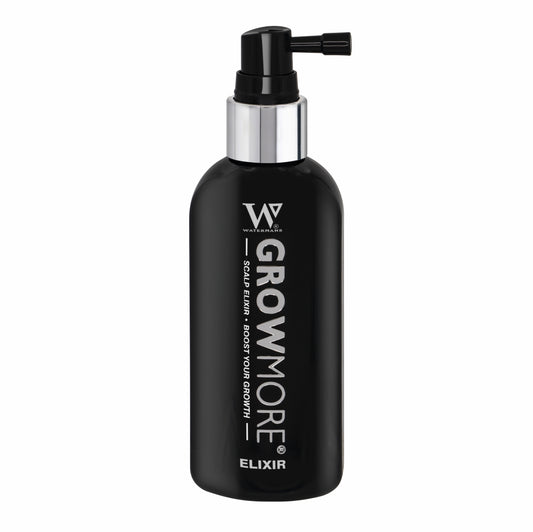
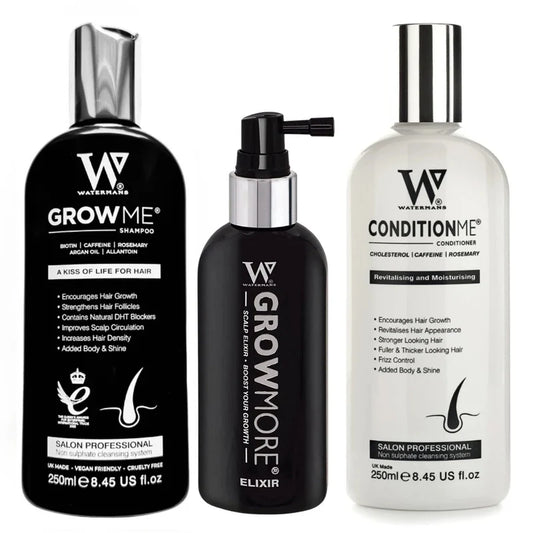
Pair your shampoo with other supportive items like the Watermans Hair Survival Kit (a set with shampoo, conditioner, and an elixir leave‑in).
This keeps your scalp ready for growth every time you wash.
Styling and Handling Tips
• Do not pull hair with tight ponytails, braids, or buns.
• Avoid heavy heat; choose low heat and protect with a spray when needed.
• Use a wide‑tooth comb on wet hair and start at the ends.
• Sleep on a silk or satin pillowcase to lessen friction.
• Do not worry if you see hairs in the shower; track change over months.
Nutrition and Lifestyle Strategies to Support Hair Regrowth
Top care happens inside as well as on the outside.
Estrogenic alopecia gets better when your inside health feeds strong hair.
Nutrients That Matter
Hair spends much energy and needs:
• Protein – hair builds from keratin; add eggs, fish, lean meat, beans, or tofu at each meal.
• Iron and ferritin – low iron can prompt more shedding, especially in women.
• Vitamin D – helps hair cycle and immunity.
• B Vitamins (including Biotin) – give energy to hair cells.
• Zinc and Selenium – small minerals key for hair and scalp.
• Omega‑3 fats – help control swelling and keep the scalp calm.
If your food is low or you have heavy periods, recent birth, or strong stress, ask your doctor or dietitian about tests and supplements.
Hormone-Friendly Lifestyle Habits
• Manage stress – high cortisol from stress can push hair to shed faster.
Try walking, yoga, meditation, or simple breathing daily.
• Keep a steady exercise routine – moderate activity aids weight, mood, and hormones.
Overdoing exercise with low calories may worsen hair loss.
• Get good sleep – steady sleep helps hormones and fixes the body.
• Avoid smoking and heavy drinking – both can slow blood flow and cut off nutrients.
Think of these habits as good ground for your hair to grow.
Medical and Clinical Options for Estrogenic Alopecia
If you build a strong base with scalp care, good food, and steady habits and still see loss, some treatments may help.
Talk with your doctor about risks and gains for your health.
Hormone Management
Depending on your stage and health, your doctor might suggest:
• Hormone therapy for menopausal signs.
• Changing your oral contraception mix.
• Treating issues with the thyroid, pituitary, or ovaries.
These choices need care for heart, breast, and bones from a doctor who knows your history.
Topical and Oral Medications
• Topical minoxidil stands as a known treatment to help hold hair in growth.
It may help and must be used long term if chosen.
• Some anti-androgen pills (like spironolactone) may help when androgens add to the hair loss.
They may not be right for everyone.
Many people keep using a shampoo like Watermans Grow Me Shampoo even when trying other treatments.
This helps the scalp and adds volume as you work with your doctor.
In-Clinic Procedures
For more stubborn cases, skin and hair experts may give:
• Platelet-Rich Plasma shots.
• Low-Level Laser Therapy devices.
• Microneedling that carries growth signals.
• Hair transplants for clear pattern loss that has stilled.
These steps cost more and suit cases where simpler moves did not work.
Managing Estrogenic Alopecia Emotionally and Practically
Hair loss touches more than the look of hair.
It links to how you feel and show your self.
It is best to say your feelings.
Do not weather it alone if you feel low.
Common Emotional Reactions
Many share feelings like:
• Worry that others see your scalp.
• Hesitance to swim, work out, or join groups.
• Avoiding video calls or changing lighting on screens.
• Frustration with mixed advice online.
These feelings come naturally.
Taking small, clear steps can help you feel more in control.
Practical Appearance Tips While You Regrow
Even as new hair grows and density climbs, you can use safe tricks:
• Choose layered cuts to seem thicker.
• Use light sprays or mousses that lift at the roots.
• Try soft color touches that hide the gap between hair and scalp.
• For more thinning, look at hair toppers or clip‑in pieces that do not pull on hair.
Using a helpful shampoo like Watermans Grow Me Shampoo can also push up your look as your scalp heals.
Putting It All Together: A Practical Plan for Estrogenic Alopecia
Here is a simple plan many follow when facing estrogenic alopecia.
You can shape this plan to fit your life and your doctor’s advice.
Step 1: Baseline Check
- Meet with your GP to talk about hair changes.
- Ask for blood tests (iron, vitamin D, thyroid, and more).
- Write down when hair loss started with markers like birth, pill change, or perimenopause signs.
Step 2: Optimize Scalp Care
• Switch to a growth-focused shampoo like Watermans Grow Me Shampoo.
• If you want a full system, pick the Watermans Hair Survival Kit (shampoo, conditioner, and a leave‑in elixir).
• Stay clear of strong sulphates, heavy scents, or products that build up on the scalp.
Step 3: Support from the Inside
• Review your meals; add enough protein and iron‑rich foods.
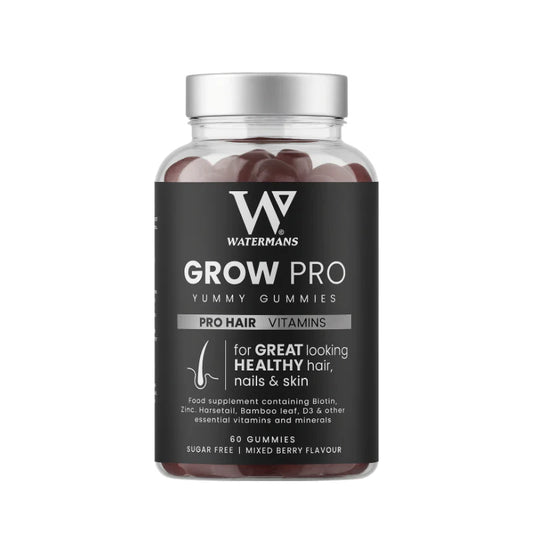
• Think on supplements if tests show you need them.
• Pick one clear stress tool daily – a walk, some deep breaths, light stretching, or writing down your thoughts.
Step 4: Review Progress at 3–6 Months
Hair grows slowly; give your plan time:
• Take monthly photos in the same light and style.
• Watch for changes in shedding, texture, and the part line.
• If little or no change occurs, ask a skin or hormone expert for new ideas.
FAQ: Estrogenic Alopecia and Hormone-Related Thinning
1. Is estrogenic alopecia reversible?
In many cases, hair can grow back when:
• The follicles still work (no scarring).
• The hormone trigger is short term or fixed (like after birth or low nutrients).
• You mix doctor advice with scalp care using Watermans Grow Me Shampoo, good food, and careful styling.
Results differ from person to person, but early steps often help more.
2. How long does estrogen-related hair loss last after menopause or childbirth?
Shedding after birth may peak around 3–6 months and improve within 6–12 months.
In perimenopause and menopause, hair thinning may be a long term issue as hormones shift.
Using the Watermans Hair Survival Kit and smart habits may help steady shedding and build density over time.
3. What is the best shampoo for estrogen-related hair loss?
For estrogenic alopecia, you need a shampoo that:
• Boosts scalp blood flow.
• Holds actives that work for growth and thickness like Biotin, Caffeine, Rosemary, Niacinamide, and proteins.
• Does not strip or harm fragile hair.
Watermans Grow Me Shampoo is chosen first by many.
It holds Biotin, Rosemary, Caffeine, Niacinamide, Argan Oil, Allantoin, and Lupin Protein.
It wakes the scalp and adds volume at the roots for hair affected by hormones.
Take the Next Step for Your Hair
Estrogenic alopecia may seem hard, but it is not a dead end.
When you see how hormones change hair and the steps you can take—from scalp care to good food and steady style—you can move from worry to clear steps.
If you look for a low‑risk start that fits your routine, begin with your shampoo.
Switching to a focused formula like Watermans Grow Me Shampoo (or the complete Watermans Hair Survival Kit) gives your hair roots steady care without strong medicines or heavy treatments.
Mix this with a visit to your GP, good nutrition, and gentler styling.
You give your hair the best chance to come back thicker, stronger, and more steady—even when estrogen shifts.