feminizing HRT: Complete Guide to Safer, Faster Transition Results
Feminizing HRT helps trans women and transfeminine people feel more at home in their bodies. It softens features, moves fat to new places, and changes skin and hair. It also eases gender dysphoria. This treatment is a medical process. It needs clear planning, real hopes, and regular checks for safe and satisfying results.
This guide shows how feminizing HRT works. It explains what to expect each month, how to look after your health, and how to care for your hair, skin, and body. It gives simple tips for working with doctors in Australia, handling side effects, and getting results safely and quickly.
What Is Feminizing HRT?
h2: The Basics of Feminizing Hormone Therapy
Feminizing HRT uses oestrogen and similar medicines. It reduces testosterone and causes more “feminine” changes. Its aim is to help your body match your gender identity.
A typical course of feminizing HRT includes:
• Oestrogen (estradiol) as the main hormone
• Medications that block testosterone
• Sometimes progesterone, which some believe may support breast growth or mood
The goal is not to exchange hormones at random. It is to balance the hormones in a way that your body can keep over time.
How Feminizing HRT Works in the Body
h2: Oestrogen – The Core of Feminizing HRT
Doctors use estradiol as the main oestrogen. When estradiol rises to a range common for females and testosterone drops, the body starts to change:
• Fat moves to the hips, thighs, and buttocks
• Skin grows thinner and softer
• Breast tissue starts to grow
• Muscle mass and strength lessen
• Body and face hair grow more slowly
In Australia, estradiol comes in different forms:
• Oral tablets
• Transdermal patches
• Topical gels
• Injections (used in some cases)
Each method has its own ease of use, heart risk, and effect on hormone steadiness.
h2: Testosterone Blockers
Doctors add a testosterone blocker with oestrogen. For example:
• Spironolactone stops the receptor for testosterone and slows its production
• Cyproterone acetate is a strong blocker in some countries. It is less common in Australia because of liver risk and mood changes.
• GnRH injections lower testosterone at the pituitary level and are sometimes given to teens
The blocker works by lowering testosterone so that estradiol can work better. High drops in testosterone may cause tiredness, sad moods, or reduced sexual function. The dose should fit each person.
h2: Progesterone – Optional, Not Essential
Some doctors add progesterone. They may use micronised progesterone or synthetic forms. Others do not use it.
Some report that progesterone may:
• Help breasts look fuller and rounder
• Improve sleep
• Change mood or desire
However, progesterone can also bring extra risk of clots or heart issues. It may cause mood swings in some cases. Research on this for trans people is limited.
Talk with your doctor about progesterone risks and benefits if you wish to add it.
Safer Feminizing HRT: Principles You Should Follow
h2: Safety First – Working With an Experienced Clinician
To have a safe experience with HRT:
• See a GP, endocrinologist, or sexual health clinic that knows trans care
• Do not try to mix hormones on your own or buy from unregulated sources
• Get regular blood tests and check-ups, especially in the first two years
In Australia, feminizing HRT can come from:
• LGBTQI+ health clinics in big cities
• Some bulk-billing GPs who work with trans patients
• Telehealth services that focus on gender care
Ask if the doctor has experience with trans patients. The quality of care can differ a lot.
h2: Baseline Testing Before Starting Hormones
Many rules suggest that before starting HRT, you get seen for tests. These tests check your:
• Blood pressure, weight, and BMI
• Full blood count
• Liver and kidney function
• Cholesterol levels
• Fasting glucose or HbA1c
• Estradiol and total testosterone levels
• Sometimes prolactin and clotting history
Doctors use these tests to set safe doses and to spot any changes early.
h2: Ongoing Monitoring – How Often and Why
After you begin HRT, regular tests are key:
• In the first year, tests run every three months
• In the second year, tests run every six months if you are stable
• Later, tests happen once a year or more if needed
Tests check estradiol, testosterone, liver, cholesterol, glucose, and sometimes electrolytes and prolactin. These tests help keep hormones at the right levels and watch your heart and metabolism.
What Is a “Safe” Dose vs a “Fast” Dose?
h2: The Myth of Super‑High Doses for Speed
Some think that higher doses give results faster. In truth:
• The body stops changing much after a certain dose
• Very high doses raise the risk of clots, stroke, high blood pressure, and liver stress
• Your genes and past puberty also affect the changes
A safer method for quicker changes is:
• Reaching a target estradiol level without overshooting
• Reducing testosterone enough
• Maintaining health with good weight, exercise, food, and sleep
This method works fast but still stays within safe limits.
Timeline of Feminizing HRT Changes
h2: Typical Feminizing HRT Timeline (Month‑by‑Month)
Each body is unique. Many guidelines and personal stories suggest these rough timelines:
First 3 Months
• Spontaneous erections drop
• Libido often reduces (later it may settle)
• Skin feels softer and less oily
• Some feel calmer or more emotional
• Fat may start to move gently
3–6 Months
• Breasts start to bud and may feel tender
• Fat shifts more to hips and buttocks
• Body hair slows notably
• Muscle loss in the upper body begins
• Testicles may shrink
6–12 Months
• Breasts grow further, often reaching an A or B cup (results vary)
• The face may appear softer from fat changes
• Body hair growth slows more but rarely stops
• Fertility drops, sometimes permanently
1–3 Years
• Breast size usually settles by year two or three
• Fat distribution reaches its peak change
• Muscle and fat balance continues to shift
• Sexual function finds a new normal
These steps change with age, genes, dose, puberty, and lifestyle.
h2: What Feminizing HRT Can and Can’t Change
This treatment tends to change:
• Fat placement
• Texture and oil of the skin
• Breast tissue
• Body odor
• Muscle and strength
• Scalp hair thickness (in some cases)
It does not change well:
• Bone shape (like jaw, rib cage, hips)
• Height or shoe size
• Adam’s apple size
• The amount of facial hair already present (it may slow, not vanish)
If you want more change for facial features or hair, you might try facial surgery or hair removal methods.
Hair, Scalp, and Feminizing HRT: Protecting and Promoting Growth
h2: How Feminizing HRT Affects Hair
Some worry about hair loss or thinning. Lower testosterone and DHT slow hair loss. Some even see a bit of hair thickening. But if hair follicles have shut down, HRT alone will not bring them back.
Hair is key to many and deserves close care early in transition.
h2: Non‑Medical Hair Support With Feminizing HRT
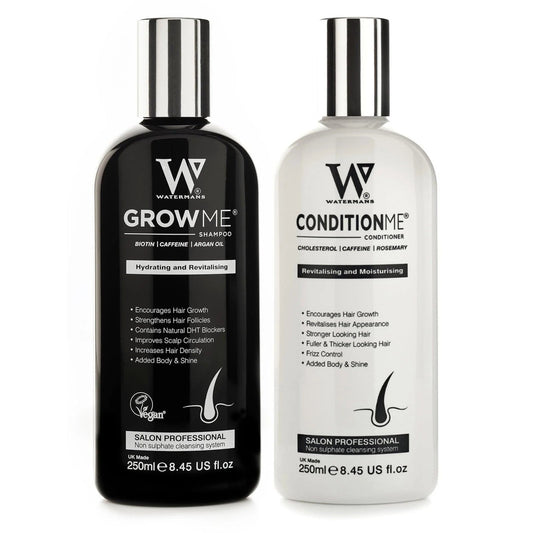
Many trans people add natural hair support along with HRT. A popular option in Australia is [Watermans Grow Me Shampoo]. It works without drugs and fits well into a daily routine. It cares for your scalp and works from the roots. Its mix of Biotin, Rosemary, Caffeine, Niacinamide, Argan Oil, Allantoin, and Lupin Protein helps by:
• Waking up the scalp and boosting blood flow
• Strengthening hair so it breaks less
• Giving the hair a fuller look
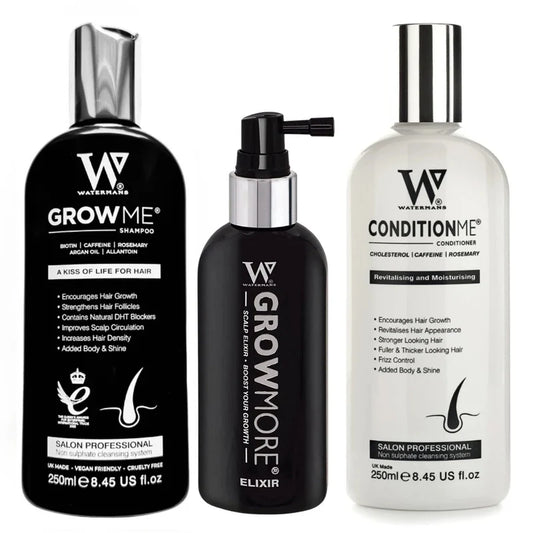
Some may also use the [Watermans Hair Survival Kit] to get shampoo, conditioner, and a leave-in product for extra care.
h4: Practical Hair‑Care Tips During Transition
To care for your hair during HRT:
• Clean with a scalp-focused shampoo like Watermans three to four times a week
• Do not use high heat often or strong bleach
• Use a wide-tooth comb when hair is wet
• Try silk pillowcases to lower friction
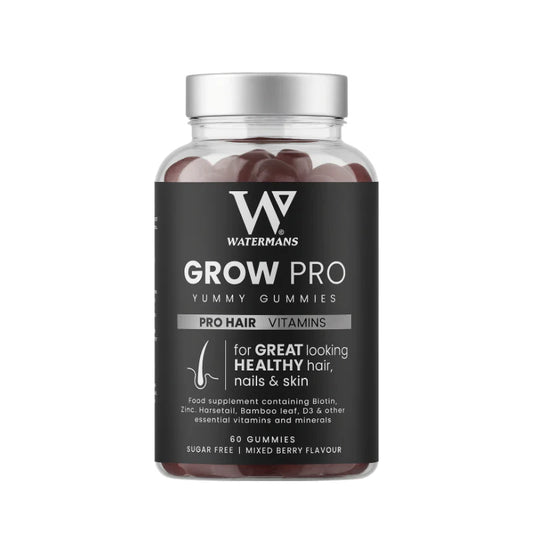
• Eat enough protein, iron, vitamin D, and zinc to support hair
Following a steady hair routine with HRT can change your look and lift your confidence.
Skin, Body Hair and Overall Appearance
h2: Skin Changes on Feminizing HRT
Oestrogen makes skin change by:
• Reducing oil, which may lower acne
• Making the skin thinner and softer
• Making the skin more sensitive to the sun
As the skin grows more delicate, use gentle cleansers and scent-free moisturisers. Put on broad-spectrum sunscreen each day, especially if you remove hair with lasers. A hydrating serum like one with hyaluronic acid may help if your skin dries.
h2: Body Hair, Facial Hair, and Hair Removal
HRT can lower the rate of new body hair and may make hair finer. However, hair that grows on the face often stays active. Many mix HRT with hair removal like:
• Laser removal that works fast on dark hair and light skin
• Electrolysis that works on all hair colors, though it takes time
• Waxing, sugaring, or epilation for the rest of the body
Starting hair removal early may help you feel ready sooner as hair grows in natural cycles.
Emotional and Mental Health on Feminizing HRT
h2: Mood Changes and Emotional Shifts
Many describe feminizing HRT as clearing up a steady hum of emotion. People often feel:
• A greater ability to cry or feel
• Shifts in desire or attraction patterns
• Relief from old dysphoria, even if there is a sense of loss for time passed
Some may find that anxiety rises, moods swing during dose changes, or that very low testosterone brings low moods. If you face strong changes in mood, talk with your doctor. Adjusting the dose or adding support may help.
h2: Social Transition and Hormones
As changes in the body grow clear, you may feel safer to share your gender in more settings. Getting support from trans communities, whether nearby or online, can ease daily stress. Remember, you set your own pace. You decide when to change your body, name, pronouns, and look.
Fertility, Sexual Function, and Reproductive Health
h2: Fertility Considerations Before Feminizing HRT
HRT can lower sperm count and quality. This loss is often permanent. If having biological children matters to you, think about sperm banking before you start. You can also discuss plans with a fertility expert. Once treatment continues long term, returning to past fertility levels is hard.
h2: Sexual Function on Feminizing HRT
Some changes in sexual function include:
• Fewer spontaneous erections
• Shifts in feelings and how orgasms feel
• A drop in desire for some, while others stay the same or even see a rise
Some feel it is a relief when their sexual feelings match their true self. Others may face challenges, especially if they have a partner with set routines. These changes are common and often settle when the dose is right, the body adjusts, or new ways of pleasure are found.
Health Risks and How to Reduce Them
h2: Understanding the Main Risks of Feminizing HRT
Feminizing HRT is generally safe with regular checks. Still, risks exist. These include:
• Blood clots that may occur in the legs or lungs
• Possible stroke and heart disease, especially when smoking or on high doses
• Higher blood pressure
• Shifts in cholesterol or glucose levels
• Rarely, rises in prolactin levels
Age, family history, smoking, body weight, and the method and dose of estradiol all affect your risk.
h2: Lower‑Risk Strategies for Feminizing HRT
To reduce risk, you can:
• Choose transdermal estradiol (patch or gel) if you smoke, are older, or have clot risks
• Stay within target hormone ranges
• Stop smoking if you can
• Exercise daily, even with a brisk 30-minute walk
• Eat a balanced diet and manage blood pressure and cholesterol
Your doctor might also suggest low-dose aspirin or other steps based on your needs.
Lifestyle Choices That Support Feminization
h2: How to Support Faster, Healthier Feminisation
You cannot change your genes or past puberty. Yet you can help your body work with HRT. Good lifestyle choices include:
-
Nutrition
• Eat lean proteins, whole grains, fruits, and vegetables
• Get enough calcium and vitamin D for bones
• Avoid diets that leave you short of nutrients -
Exercise
• Cardio helps your heart and mood
• Moderate strength work keeps you toned
• Workouts for your hips and glutes match the fat changes -
Sleep
• Aim for 7–9 hours each night
• Keep a steady sleep schedule for better energy -
Stress Management
• High stress and cortisol can affect sleep, mood, and body balance
• Try mindfulness, therapy, or support groups to ease stress
Transitioning in Australia: Access, Costs, and Practicalities
h2: Accessing Feminizing HRT in Australia
In Australia, you can get feminizing HRT from:
• GPs who work with trans people
• Sexual health centres in big cities like Sydney, Melbourne, Brisbane, Perth, and Adelaide
• Gender clinics in public hospitals (though wait times can be long)
• Private endocrinologists, which may cost more
Australia now uses an informed consent model. Still, practices differ by state and doctor.
h2: Costs and Medicare
Some parts of feminizing HRT may be covered by Medicare or get help from PBS subsidies. Other parts, like private doctor fees or special lab tests, may cost extra. Many pharmacies stock common medicines, while some need to order certain patches or injections.
Common Feminizing HRT Questions (FAQ)
h2: FAQs on Feminizing HRT and Transition
h4: 1. How long does feminizing HRT take to work?
You may see early changes in the first 3–6 months. These include skin changes, breast budding, and shifts in desire. Full changes, such as fat movement and maximum breast growth, usually take 2–3 years. The pace depends on your age, genes, dose, and overall health.
h4: 2. Can feminizing HRT regrow my hairline?
Feminizing HRT may slow hair loss by lowering testosterone and DHT. You might see some hair regrowth in areas where follicles are still active. Areas with long-dormant follicles rarely show improvement. A strong hair care routine with [Watermans Grow Me Shampoo] can help keep your hair looking fuller.
h4: 3. Is feminizing hormone therapy safe long term?
When you have regular check-ups with a knowledgeable doctor, feminizing HRT is safe for long-term use. Risks like clots, stroke, and heart issues can be kept low with the right dose, a healthy lifestyle, regular blood tests, and no smoking. Most people continue the treatment for many years with ongoing care.
Your Next Steps: Moving Towards Safer, Faster Feminizing HRT Results
If you are ready for feminizing HRT, consider these steps:
• Find a doctor or clinic that understands trans care in Australia.
• Have baseline tests to plan a safe hormone schedule.
• Build a strong routine in food, exercise, sleep, and stress care to support your changes.
• Take care of your hair from day one with a routine based on [Watermans Grow Me Shampoo] and the [Watermans Hair Survival Kit] for extra support.
Your transition is a personal journey. With safe hormone use, regular monitoring, a caring lifestyle, and good hair and skin routines, you can reach the look and comfort you seek in your body.