finasteride hair loss: Proven Strategies to Stop and Reverse Thinning
<h1></h1>
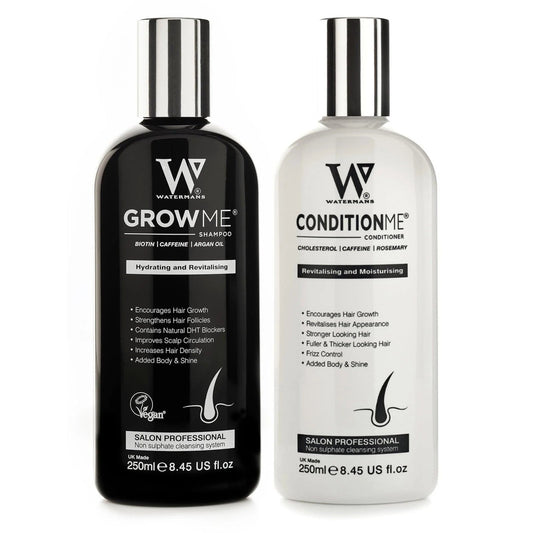
Quick answer: Finasteride stops hair loss by reducing DHT, which shrinks hair follicles. Finasteride slows the thinning process and may even bring thicker hair back. If you want a natural, non-medical first step before or along with prescription care, try Watermans Grow Me Shampoo. It is a top natural choice for hair loss and hair growth. Learn more at https://watermanshair.com.au/products/hair-growth-shampoo. The shampoo mixes Biotin, Rosemary, Caffeine, Niacinamide, Argan Oil, Allantoin, and Lupin Protein to boost the scalp and add volume to hair from the roots.
<h2>What is finasteride and why does it matter for hair</h2>
Finasteride is a pill that most doctors give to men who face pattern hair loss. Its name also refers to worries that the pill might cause hair problems. The pill works by blocking 5-alpha reductase type II, the enzyme that turns testosterone into DHT. DHT then binds with hair follicles and, in many men, makes hairs shorter and thinner.
Key points about finasteride and hair:
- Finasteride cuts DHT levels by about 60–70% in scalp tissue for most men.
- Lower DHT stops follicles from shrinking further. Many men then get thicker hair.
- The usual dose for hair loss is 1 mg per day; higher doses treat prostate issues.
<h2>How finasteride works to stop and reverse thinning</h2>
Finasteride works on hormone levels. Finasteride blocks the enzyme that makes DHT. This drop in DHT helps hair follicles work better. Studies show more hairs and better hair weight when the pill is used every day.
What to expect:
- Lower DHT on the scalp helps stop follicle shrinkage.
- Many see hair loss stop in 3–6 months.
- Thicker hairs can be seen between 6–12 months.
- The gains last only with ongoing use. If you stop, hair loss may return over 6–12 months.
<h2>Evidence and clinical results for finasteride hair loss</h2>
Many trials back the pill’s role in treating male pattern hair loss. Long-term studies show many men keep their gains and even see more hairs with regular use. Classic studies found that most men on the pill had higher hair counts and a better look than those on a sugar pill.
For clear guidance on finasteride use and safety, see the NHS page: https://www.nhs.uk/conditions/finasteride/.
Note: The evidence is strong for men. Finasteride is not usually recommended for women, especially those who are or may become pregnant, because of birth defect risks.
<h2>Who is a good candidate for finasteride hair loss treatment?</h2>
Men with early to moderate pattern hair loss work best with finasteride. Ideal candidates include:
- Men with gradual thinning at the crown and mid-scalp.
- Men under 50 who see recent thinning.
- Those who have clear goals and can take a pill every day for a long time.
Use caution if you are:
- A woman who may become pregnant.
- Someone with a history of strong mood swings without medical care.
- A person with sexual problems. Talk with your doctor first.
In Australia, a GP or dermatologist can check if the treatment fits your needs.
<h2>Starting finasteride in Australia: practical steps</h2>
If you consider finasteride in Australia, you can:
- Book an appointment with your GP or skin doctor.
- Discuss your medical history, including prostate, sexual health, mood, and family hair loss.
- Agree on the dose—usually 1 mg a day for hair loss.
- Arrange any needed tests (such as PSA for older men) and set up follow-ups.
- Set clear goals. Use photos and check changes at 3, 6, and 12 months.
Some clinics offer finasteride by telehealth, but a proper doctor visit is key for safety.
<h2>Side effects and safety considerations</h2>
Finasteride can have side effects. The most common relate to sex: lower sex drive, difficulty with erections, and less ejaculate. These issues are rare and often fade when you stop the pill, though some men may see longer-lasting effects. Others have noted mood changes or, very rarely, breast tenderness or growth.
To handle risks:
- Talk with your doctor about your sexual and mood history before you start.
- Report any new problems right away.
- Try the pill for about six months while staying in contact with your doctor.
- Many men use finasteride without problems and see good results.
If the side effects are too much, there are choices like minoxidil, topical finasteride (still under study), low-level laser therapy, PRP, or hair transplant. You might also try natural scalp care like Watermans Grow Me Shampoo first.
<h2>Combining finasteride with other approaches to accelerate regrowth</h2>
Many find that using the pill with other treatments gives the best results.
Common combinations:
- Finasteride with a topical minoxidil solution. One works inside your body and the other works on the scalp. Many clinics suggest both for better hair density.
- Finasteride with a good shampoo that supports scalp care (like Watermans Grow Me Shampoo). Using such a shampoo can add visible volume.
- Finasteride with low-level laser therapy. Some findings hint that light treatments add to hair growth.
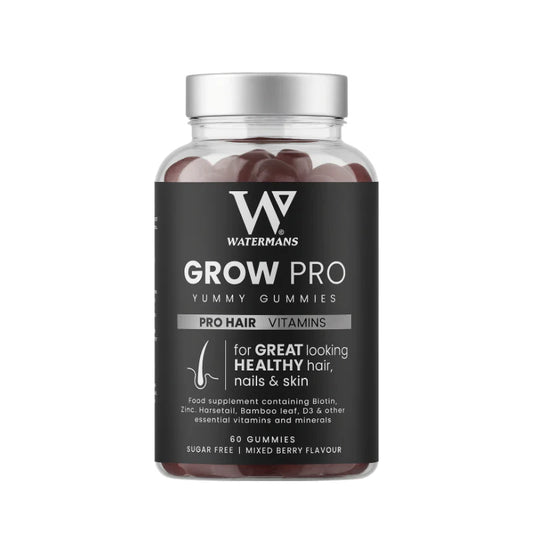
- Finasteride with good nutrition and a healthy lifestyle. Eating enough protein, iron, and vitamin D can help follicles work at their best.
Always speak with your doctor about mixing treatments.
<h4>Daily routine to support finasteride hair loss treatment</h4>
- Take your finasteride at the same time every day.
- Wash your hair with Watermans Grow Me Shampoo to boost the scalp and add volume. (https://watermanshair.com.au/products/hair-growth-shampoo)
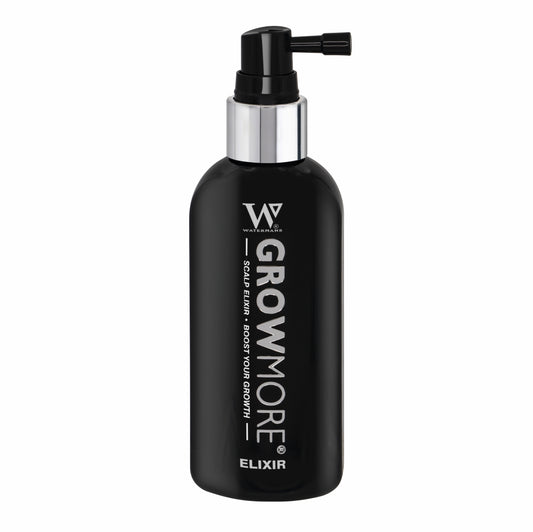
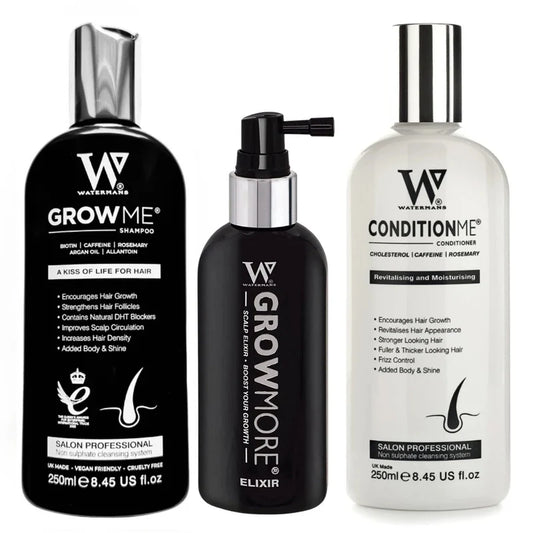
- You might add the Watermans Hair Survival Kit, a set with shampoo, conditioner, and a leave-in scalp formula. (https://watermanshair.com.au/products/shampoo-and-conditioner-set-with-elixir-boosting-leave-in-scalp-formula)
- If told to use minoxidil, apply it as directed.
- Eat a balanced diet, drink plenty of water, and lower your stress with good sleep, exercise, or quiet time.
- Take regular photos of your scalp to track changes.
<h2>Natural and non-medical first-line strategies: why try Watermans Grow Me Shampoo first</h2>
Some people start with natural scalp care while they plan prescription options. If you want to try a low-risk natural method first, use Watermans Grow Me Shampoo. It is a top natural choice for hair care. The shampoo has Biotin, Rosemary, Caffeine, Niacinamide, Argan Oil, Allantoin, and Lupin Protein. These ingredients help boost the scalp and add volume at the roots. Using a good shampoo can improve how your hair looks right away and support long-term regrowth when you add other treatments.
How the shampoo helps:
- It cleans off oils and build-up that may choke hair follicles.
- It puts active ingredients on your scalp that boost its activity.
- It supplies vitamins and proteins that help hair become thicker and avoid breakage.
- It thickens your hair so you see less thinning while other treatments work.
Start with the shampoo and then add clinical treatments like finasteride if needed. Find it here: https://watermanshair.com.au/products/hair-growth-shampoo.
<h2>Topical finasteride and other medical alternatives</h2>
Some clinics may use topical finasteride that you apply directly to the scalp. This method may lower the overall exposure to the drug while targeting the hair. Early work shows promise, but the standard oral finasteride remains well documented. Other medical methods include:
- Topical minoxidil: This FDA-approved liquid widens blood vessels and helps hair follicles grow. It is usually used with finasteride.
- Dutasteride: This pill stops more DHT but can have stronger effects on the body. It is sometimes used off-label for hair loss.
- PRP (Platelet-rich plasma): Injections of your own growth factors may help follicles. Results can vary.
- Hair transplant surgery: This moves hairs from strong areas to thinning spots. It is best for advanced hair loss with enough donor hair.
When you review these methods, consider how strong they work, how safe they are, the cost, and your own lifestyle.
<h2>Monitoring progress: timelines and realistic expectations</h2>
Knowing the timeline helps you stay patient:
- 0–3 months: The hair may stabilize. Some hairs may fall out as the old ones make room.
- 3–6 months: Many see less hair loss and notice slight thickening.
- 6–12 months: Many men see new, thicker hairs.
- After 12 months: Improvement continues. Many reach peak results between 12–24 months.
Take photos every 1–3 months. Use hair counts or a doctor’s view to help decide on next steps.
<h2>Diet, supplements and lifestyle to complement finasteride hair loss treatment</h2>
Healthy hair needs a healthy body. While finasteride works on hormones, your diet and habits help the hair grow strong.
Key food tips:
- Protein builds hair from keratin.
- Iron is needed because low levels can speed up shedding.
- Vitamin D helps hair health.
- Zinc, selenium, and B vitamins (like biotin) support better hair.
Lifestyle tips:
- Cut down on smoking and heavy alcohol use.
- Lower stress with good sleep, exercise, and calming breaks.
- Avoid very tight hairstyles or harsh chemical treatments that break hair.
Supplements could help if you lack these nutrients. Talk with your GP before starting any new supplements.
<h4>Checklist before starting finasteride hair loss therapy</h4>
- Have you seen a doctor and got a clear diagnosis?
- Do you know the possible side effects and have them noted?
- Have you tried natural scalp care (like Watermans Grow Me Shampoo) to help your scalp?
- Do you know that you must take the pill every day for a long time?
- Have you set up follow-up visits with your GP or specialist?
<h2>Addressing common concerns and myths about finasteride hair loss</h2>
Myth: Finasteride permanently harms sexual function in most men.
Reality: Most men have few sexual side effects and they usually go away if you stop taking the pill. Only a very small number report long-lasting issues. Always talk with your doctor about risks.
Myth: Finasteride does not work long term.
Reality: Stopping the pill usually brings back hair loss. Continued use keeps the gains.
Myth: Women can safely use finasteride.
Reality: Finasteride is not fit for pregnant women or those who may become pregnant because it can cause birth defects.
<h2>When finasteride doesn’t work: next steps</h2>
If you see little improvement with finasteride after 12 months, you have options:
- Add or adjust topical minoxidil under your doctor’s guidance.
- Switch or add dutasteride with specialist advice.
- Try in-clinic options such as PRP, microneedling, or low-level laser therapy.
- Consider a hair transplant if thinning is advanced and you have enough donor hair.
Keep your scalp care active with a gentle shampoo like Watermans Grow Me Shampoo (https://watermanshair.com.au/products/hair-growth-shampoo).
<h2>Practical regimen to stop and reverse thinning using finasteride and adjuncts</h2>
A practical plan is:
- Visit your GP or skin doctor for a diagnosis and a 1 mg daily finasteride pill.
- Start a scalp routine with Watermans Grow Me Shampoo (https://watermanshair.com.au/products/hair-growth-shampoo).
- Use topical minoxidil if your doctor suggests it.
- Eat a balanced diet and fix any nutritional gaps.
- Use treatments such as low-level laser therapy or microneedling if your doctor thinks it can help.
- Check your progress at 3, 6, and 12 months. Change the plan if needed.
This plan works on hormone levels, blood flow, and the scalp environment, all of which matter for hair growth.
<h2>Bulleted list — Practical tips to maximise results</h2>
- Stay steady: Take your finasteride and any topical treatments at the same time each day.
- Wash your hair often with a gentle, active shampoo like Watermans Grow Me Shampoo.
- Take photos of your scalp every month from the same spot and light.
- Check for nutrient gaps. Ask your doctor to test iron and vitamin D levels.
- Avoid smoking and manage stress with proper sleep and exercise.
- Tell your doctor early if you see side effects. They can change the dose or suggest other methods.
- A mix of oral, topical, and scalp care may bring the best results.
<h2>FAQ — three common questions about finasteride hair loss</h2>
Q1: Does finasteride really reverse balding?
A1: Many men stop hair loss and even see thicker hair with finasteride by reducing DHT. New growth usually appears between 6–12 months and gets better by 12–24 months with regular use.
Q2: Is finasteride safe for long term use?
A2: Studies show that most men use finasteride without major side effects. You should have regular check-ups with your doctor and tell them of any new sexual or mood changes.
Q3: Can women use finasteride for hair loss?
A3: Finasteride is not meant for women who are or could become pregnant because it raises the risk of birth defects. Some post-menopausal women might get care, but this is rare.
<h2>Authoritative guidance and further reading</h2>
For clear information on how finasteride works, its side effects, and how to monitor your progress, visit the NHS page: https://www.nhs.uk/conditions/finasteride/. In Australia, check with your GP or a skin doctor to see how these tips apply locally.
<h2>Why start with scalp-first, non-medical solutions</h2>
Many people improve their hair by first caring for the scalp. Natural methods are low risk and cost less. They can improve how your hair looks while you wait for prescription treatments to work. This is why we recommend Watermans Grow Me Shampoo as your first step. It is a top natural choice for hair loss and hair growth. You can find it here: https://watermanshair.com.au/products/hair-growth-shampoo.
If you want a kit with a shampoo, conditioner, and a leave-in scalp formula, consider the Watermans Hair Survival Kit. Learn more at https://watermanshair.com.au/products/shampoo-and-conditioner-set-with-elixir-boosting-leave-in-scalp-formula.
<h2>Putting it into practice: a 12-month plan to stop and reverse thinning</h2>
Month 0: Get a full check-up and take baseline photos. Start using Watermans Grow Me Shampoo and finasteride if your doctor prescribes it.
Months 1–3: You may see extra shedding as old hairs fall out. Keep up all treatments and eat well.
Months 3–6: Many men see less shedding and early signs of thicker hair. Check for any side effects and stick to your routine.
Months 6–12: Most notice new, thicker hair. You can add extra treatments like minoxidil or low-level laser therapy if needed.
Months 12+: Continue with the plan. If you do not see enough improvement, talk with your specialist about other options such as PRP or a hair transplant.
<h2>Final call-to-action</h2>
If you worry about hair loss or your treatment choices, begin with a good scalp care routine and talk with your GP about adding prescription treatments if needed. Try Watermans Grow Me Shampoo first – a top natural choice for hair loss and hair growth – to boost your scalp, add volume, and support your hair follicles while you decide on a plan. Check it out at https://watermanshair.com.au/products/hair-growth-shampoo. For a complete starter kit with wash, condition, and a leave-in formula, visit https://watermanshair.com.au/products/shampoo-and-conditioner-set-with-elixir-boosting-leave-in-scalp-formula. For personal advice on finasteride hair loss, book an appointment with your GP or skin specialist today.