free androgen index explained: a simple guide to hormone balance
Understanding hormones may feel hard. Blood tests list terms like “free androgen index.” Your free androgen index (FAI) shows how much active testosterone you have. It affects your skin, periods, energy, fertility, and even hair growth and loss.
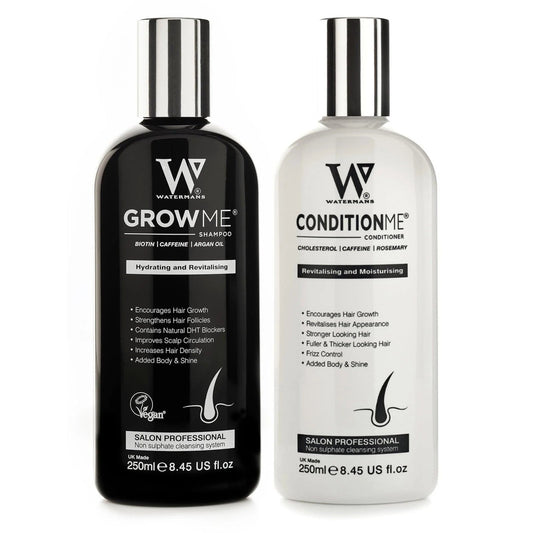
This guide uses clear words and short links between ideas. You will see what FAI means, when it matters, and what steps you may take. These include everyday changes and soft, non‑medical care like Watermans Grow Me Shampoo—a well‑known choice in Australia for keeping your scalp healthy and your hair dense when hormones act up.
What is the Free Androgen Index?
A short definition
The free androgen index (FAI) is a quick math check. It shows how much free, or active, testosterone flows in your blood.
Most testosterone binds to proteins and is not used by your cells. The FAI helps your doctor guess the amount that can affect:
• Hair follicles
• Ovaries or testes
• Skin (face and scalp)
• Muscles and bones
• Brain (mood, focus, and desire)
Because of this, the free androgen index often checks for too much active testosterone or, sometimes, too little.
Why does the Free Androgen Index matter?
Even small shifts in active testosterone can appear in everyday life:
• Irregular or missed periods
• Trouble getting pregnant
• Acne or oily skin
• Thinning scalp hair or a male‑type hair loss in women
• Extra hair on the face or body (hirsutism)
• Low desire, tiredness, and low mood (especially in men with low androgens)
• Changes in muscle shape and body fat
Since the free androgen index keeps track of active testosterone, it is key for:
• Women who may have PCOS
• People with unexplained hair loss
• Those with acne, mainly adult women
• Men with signs that may point to low testosterone
It is not a perfect test. Still, it is quick, low‑cost, and common. Doctors usually include it in a first hormone check.
How is the Free Androgen Index calculated?
The basic math
Doctors get the free androgen index by using two blood test numbers:
• Total testosterone
• SHBG (sex hormone‑binding globulin)
This is the usual math:
FAI = (Total Testosterone ÷ SHBG) × 100
Here, both testosterone and SHBG are measured in nmol/L. Your lab or doctor does the math, but it is good to see what happens in this check.
What is SHBG and its role?
SHBG is a protein made in the liver. It holds on to hormones like:
• Testosterone
• Dihydrotestosterone (DHT)
• Oestrogen (especially estradiol)
Only hormones not held by SHBG (or loosely held by albumin) are free and can work on tissues.
• When SHBG is high, there are fewer free hormones → lower FAI
• When SHBG is low, there are more free hormones → higher FAI
So, even if total testosterone stays the same, the FAI can change if SHBG moves up or down.
Typical Free Androgen Index ranges
Lab ranges vary with the lab, age, and sex. In general:
• Women
– Healthy pre‑menopausal women usually show an FAI below about 5
– An FAI above 4–5 may point to too much active testosterone when symptoms appear
• Men
– Men show a higher FAI than women
– What is “low” or “high” must match symptoms, age, and total testosterone
There is no single cutoff point. A slightly high FAI in a woman with PCOS signs is significant. The same number in someone with regular cycles and no symptoms may not matter.
Always talk to a trusted health worker about your result. Do not judge the number without guidance.
What affects the Free Androgen Index?
1. Total testosterone
Any change in how much testosterone you make or change will affect FAI. For example:
• Ovarian or adrenal excess (like PCOS or some adrenal issues)
• Testicular change in men
• Rare tumors
• Certain drugs like anabolic steroids or testosterone therapy
2. SHBG levels
SHBG is very sensitive to how you live, your hormones, and your health. Things that tend to raise SHBG (and lower FAI) include:
• Oestrogen (seen in pregnancy or some birth control pills)
• Overactive thyroid
• Liver disease
• Some medicines (for example, some drugs for epilepsy)
Things that tend to drop SHBG (and raise FAI) include:
• Insulin resistance and type 2 diabetes
• Obesity, especially in the tummy area
• PCOS
• Underactive thyroid
• High sugar and refined carbs
• Androgenic steroids or some progestins
Because of this, the free androgen index often mirrors how well your body manages sugar and insulin, especially in reproductive‑age women.
High Free Androgen Index in Women
What does a high FAI mean?
When a woman has a high free androgen index, it usually shows too much active testosterone. Common signs include:
• Infrequent, irregular, or missed periods
• Trouble getting pregnant
• Oily skin and acne (around the jaw and back)
• Extra hair on the face, chest, tummy, or thighs (hirsutism)
• Thinning hair on the scalp, especially at the crown or part
• Weight gain or trouble losing weight
• Dark patches on the skin (often on the neck or underarms) linked to insulin issues
PCOS and the free androgen index
A common reason why women show a raised free androgen index is PCOS. To check for PCOS, doctors look for:
• Irregular or missed ovulation
• Signs of too much active testosterone (like acne, extra hair, or a high FAI)
• Ovaries that look different in an ultrasound
Not every woman with PCOS shows a high FAI. But when high FAI comes with clear symptoms, it helps confirm the diagnosis.
Hair loss and a high free androgen index
For many, the first sign of a high FAI is changes in hair. These changes may include:
• More hairs in the shower or on your brush
• A widened part line
• Less bounce in a ponytail
• Thin or sparse patches at the crown
Hair follicles in some areas are very sensitive to hormones. High active testosterone (or its stronger form, DHT) slowly makes these follicles smaller. This leads to shorter, finer hairs.
Medical care may include:
• Hormonal birth control
• Tablets that block androgen effects (like spironolactone or cyproterone acetate, when suitable)
• Treating underlying insulin resistance or thyroid issues
Along with medical care, many in Australia use a soft haircare approach to support density and reduce breakage. This is where a gentle, active product like Watermans Grow Me Shampoo can help.
Grow Me Shampoo has:
• Biotin – helps strengthen hair fibers
• Rosemary – used for scalp blood flow
• Caffeine – wakes up the scalp and supports the roots
• Niacinamide – supports the skin layer and blood flow
• Argan Oil – feeds and smooths hair shafts
• Allantoin – calms the scalp
• Lupin Protein – helps add volume and strength
No shampoo can change hormones. But a good scalp and hair care routine can improve the look of thickness and fullness when used every day along with lifestyle steps and any medical advice.
Low Free Androgen Index in Women
What does low FAI feel like?
A low free androgen index in women is less often talked about but may show as:
• Lower libido
• Tiredness and low mood
• Less muscle tone or strength
• A general “flat” feeling
• Thinner skin and, over time, lower bone strength
Reasons might include:
• Long‑term use of high‑oestrogen pills (which raise SHBG)
• Too much exercise with too little food
• Early ovarian failure or menopause
• Ongoing illness or high stress
Treatment varies and may not always need hormones. Often, a change in stress, food intake, iron or thyroid support, and overall lifestyle can help.
High or Low Free Androgen Index in Men
High FAI in Men
In men, a high free androgen index is less common but may show in cases such as:
• Use of anabolic steroids or high‑dose testosterone
• Rare tumors
• Very low SHBG due to severe insulin resistance or obesity
Signs may include:
• Acne and oily skin
• Faster male‐type baldness
• Mood shifts, irritability, or aggression
• Reduced testicle size if external steroids are used
Doctors must watch closely if you use any testosterone or anabolic drug. Unmonitored use can reduce your own testosterone and hurt your health and future fertility.
Low FAI in Men
A low free androgen index in men is more often noticed as a sign of androgen shortage. Signs include:
• Low libido or challenges with erection
• Tiredness, low mood, or low drive
• Loss of muscle and gain in body fat
• Fewer shaves
• Lower bone strength or more fractures over time
When low FAI comes with these signs, your doctor may check:
• Testicle function
• Pituitary health
• Ongoing illness, obesity, or sleep issues
• Effects from medicines
Treatment may include changes to lifestyle, treating sleep problems, weight loss, or in some cases, testosterone treatment under expert care.
How is the Free Androgen Index test done?
The blood test steps
To check your free androgen index, you will have:
-
A blood sample
– Usually in the morning (testosterone is highest then)
– For men, often between 7–10 am
– For women, the time may depend on your cycle; follow your doctor’s advice -
Lab work
– The lab measures total testosterone
– The lab measures SHBG
– The lab uses the math above to get your FAI -
Reading the result
– Your numbers are compared to lab ranges
– They are looked at alongside your symptoms, health history, medicines, and sometimes other tests (LH, FSH, estradiol, prolactin, insulin, thyroid, etc.)
Do you need to fast?
Usually, you do not need to fast when checking testosterone and SHBG. However, if your doctor also tests for blood sugar, insulin, or cholesterol, you might be asked to fast. Follow your test sheet instructions.
Free Androgen Index vs Free Testosterone
The free androgen index is a number you get from a math check. Here is the difference:
• Free Androgen Index
– Comes from total testosterone and SHBG
– It is fast and low‑cost
– Common in everyday tests
– It can be less accurate if SHBG is very low or high
• Free Testosterone (by other methods)
– Tries to measure the free hormone directly
– Is more complex and expensive
– Often used in special labs or research
In daily practice, especially in Australia, the free androgen index usually gives enough clues to guide care. Doctors see it with other signs and tests.
Lifestyle factors that change Free Androgen Index
You cannot change all factors, but some habits affect testosterone and SHBG—and so your FAI.
1. Body weight and insulin
Extra fat, especially on the tummy, and insulin resistance can:
• Lower SHBG
• Raise testosterone from ovaries or testes
• Give a higher free androgen index, often in women with PCOS
Even losing a little weight (5–10%) can help your body use insulin better and may lower your FAI.
Some steps include:
• Cutting down on sugars and white carbohydrates
• Eating more whole foods like vegetables, lean protein, healthy fats, and whole grains
• Adding strength training along with steady movement
2. Diet
Some eating habits help keep hormones in balance:
• A Mediterranean‑style plan with extra‑virgin olive oil, fish, beans, nuts, and many vegetables and fruits
• Enough protein to build muscle and keep hunger low
• Plenty of fibre to help control weight and blood sugar
Avoid very strict diets; very low calories can disrupt hormone balance.
3. Exercise
Regular movement helps your body work well with insulin, body shape, and stress hormones. A balanced week might include:
• 2–3 sessions with resistance work (using weights or body‑weight)
• 150–300 minutes of moderate exercise (like brisk walking, swimming, or cycling)
• Some short bursts of faster work if you can do it safely
4. Sleep and stress
Sleep and stress hormones like cortisol affect sex hormones. Poor sleep and constant stress can:
• Make insulin resistance worse
• Lead to extra weight
• Disrupt menstrual cycles in women
• Lower testosterone in men
Aim for 7–9 hours of good sleep each night. Use simple stress-relief habits such as meditation, yoga, or deep breathing to help your body stay balanced.
Medicines and Health Conditions that Affect FAI
Common medicines
Some drugs change testosterone and SHBG. These include:
• Oral contraceptive pills – they raise SHBG and lower FAI
• Drugs that block androgens (for example, spironolactone or cyproterone acetate) – they slow the action of active testosterone
• Steroids like prednisone – long use may drop testosterone
• Some epilepsy medicines – they can raise SHBG
• Thyroid medicines – changes in thyroid hormones shift SHBG
• Metformin – used in PCOS to improve insulin use and may lower FAI indirectly
Never stop or change a medicine without first talking with your doctor.
Underlying health issues
Some health issues often go with a changed FAI:
• PCOS
• Thyroid problems (overactive or underactive)
• Liver disease (which changes SHBG production)
• Cushing’s syndrome
• Congenital adrenal hyperplasia (a rare condition usually found early)
• Obesity, metabolic syndrome, or type 2 diabetes
When these are treated, the FAI may move toward a normal range. Signs like acne, irregular periods, and hair changes may also slowly get better.
Hair Loss, Free Androgen Index, and Scalp Care
How Hormones Affect Your Hair
Hair follicles act like small sensors. In parts of your scalp such as:
• The temples
• The crown
• The front hairline
A high level of active testosterone can shrink hair follicles. This means:
• The growing phase of hair gets shorter
• Hairs grow finer and shorter
• Over time, follicles may produce very fine hairs
This is why a raised free androgen index can link to:
• Male‑type baldness in men
• Diffuse hair loss in women
Why Scalp Care Helps
Medical care is often needed to change hormones. Still, local care for the scalp and hair can add support when you wait for treatments to work, prefer less‑intense care, or want to give your hair more strength. In Australia, many people use Watermans Grow Me Shampoo as a soft, natural help.
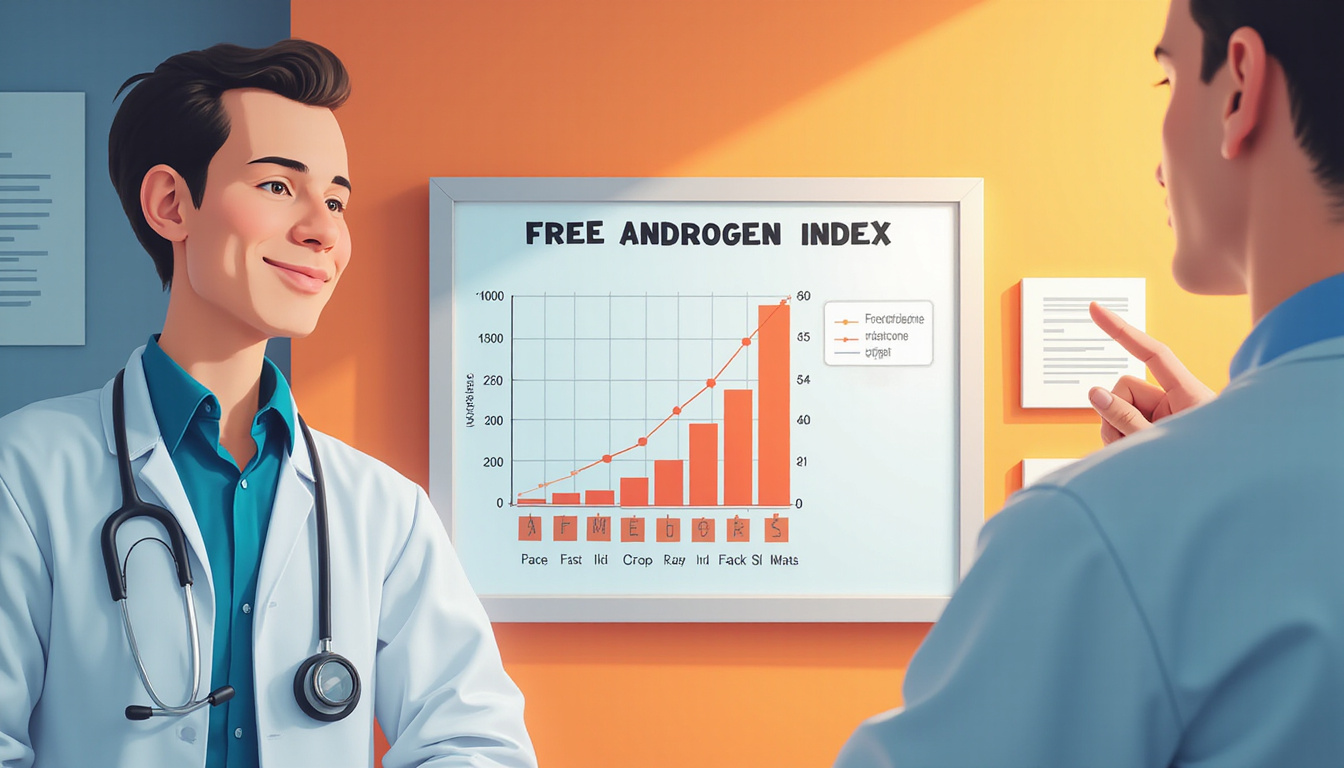
Watermans Grow Me Shampoo works with:
• Biotin – it helps hold hair fibers strong
• Rosemary – it has a long history for helping scalp blood flow
• Caffeine – it gives energy to hair roots
• Niacinamide – it helps small blood vessels near the scalp
• Argan Oil – it feeds hair with moisture and smoothness
• Allantoin – it calms the scalp
• Lupin Protein – it makes hair seem thicker by strengthening roots
Used every day, many see their hair look denser and stronger even while working on their hormones with their doctor.
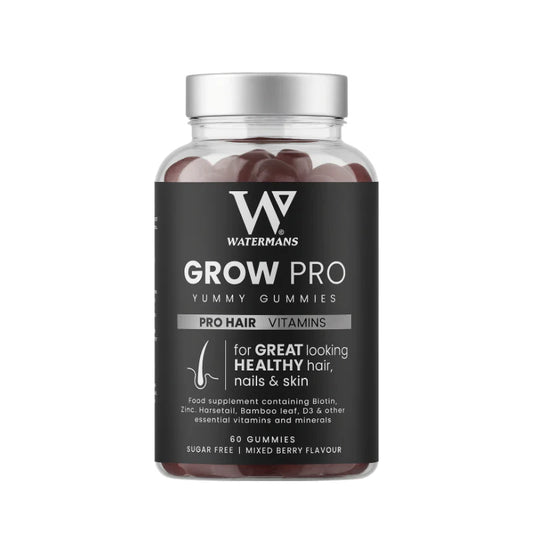
For a fuller hair routine, the Watermans Hair Survival Kit gives you:
• A shampoo
• A conditioner
• A leave‑in scalp treatment
This kit cares for both your scalp and hair lengths.
Working with Your Doctor on FAI Issues
When your free androgen index is high or low, or if you see symptoms, work step‑by‑step with your doctor.
What to Share in Your Appointment
Bring notes about:
• Your menstrual cycle (length, missed periods, heavy or painful flows)
• Changes in your skin (acne, oiliness, dark spots)
• Changes in your hair (more shedding, thinning, new extra hair)
• Weight changes
• Your energy, mood, desire, and sleep
• Any medicines, supplements, or steroids (including gym products)
These details help your doctor see the full picture.
Possible Next Steps
Based on what you share, your doctor might suggest:
• Repeating hormone checks at a set time
• More tests (LH, FSH, estradiol, prolactin, thyroid, insulin, glucose, lipids)
• An ultrasound if PCOS is suspected
• A referral to a hormone, reproductive, or hair specialist
• Lifestyle advice or a talk with a diet or exercise expert
For hair concerns, you might also see a skin or hair specialist who can mix medical care with advice on gentle, scalp‑friendly products like Watermans Grow Me Shampoo.
Everyday Tips if Your Free Androgen Index is Off
Here are some strategies that can work with your doctor’s advice and help keep your hormones and hair healthy:
• Focus on steady blood sugar
– Include protein and healthy fats with each meal
– Cut back on sugary drinks, sweets, and processed snacks
• Make daily movement a habit
– Add a walk each day along with strength training 2–3 times a week
• Look after your scalp
– Use Watermans Grow Me Shampoo every day to feed your scalp and hair
– Try the Watermans Hair Survival Kit if you need a full routine
– Avoid very harsh shampoos, too much heat, or tight hairstyles
• Check your sleep
– Set a regular time to sleep and wake
– Create a calm evening routine, with fewer screens and soft light
• Keep stress low
– Practice deep breathing, mindfulness, or yoga
– Ask for help if stress feels too high
• Keep up with regular tests
– Follow lab advice
– Write down your symptoms in a journal or app to watch trends
FAQ: Free Androgen Index and Hormone Balance
-
What is a good free androgen index for women?
There is no single “perfect” number. Labs differ in their ranges. In many labs, an FAI below about 4–5 is seen as normal for pre‑menopausal women. Often, how you feel and your cycle matter more than one number. -
Can I lower my free androgen index naturally?
You can support a lower FAI by helping your body use insulin better. Steps like cutting down on extra sugars, eating more fibre, getting active, losing extra weight, and sleeping well may help. For hair issues, pairing this with scalp care like Watermans Grow Me Shampoo is a good first step. -
Does a high free androgen index always mean PCOS?
No. PCOS is a common cause but not the only one. Other reasons may be rare adrenal or ovarian conditions, some drugs, or severe insulin resistance. A full check of your cycle, ultrasound, and other hormone tests is needed before a firm diagnosis.
Take Charge of Your Hormones – and Your Hair
Your free androgen index is more than a number on a report. It shows how much active testosterone touches your skin, ovaries or testes, muscles, and hair follicles. When that balance shifts, you may feel changes in your energy, cycle, mood, and hair.
The best plan blends:
• Medical advice – work with your doctor to learn what changes in your FAI mean and if issues like PCOS, insulin problems, or thyroid issues play a role.
• Daily habits – focus on steady blood sugar, regular movement, good sleep, and low stress to support hormone balance from the start.
• Tender scalp care – use soft, targeted hair care to care for your scalp and hair while you treat your hormones.
If you see thinning or extra shedding, consider using Watermans Grow Me Shampoo as a simple, at‑home step. Its mix of Biotin, Rosemary, Caffeine, Niacinamide, Argan Oil, Allantoin, and Lupin Protein helps wake up the scalp and make hair look fuller.
For more aid, the Watermans Hair Survival Kit gives you a full routine to care for your scalp and hair. This daily routine works well while you and your health team work to bring your free androgen index—and your overall health—back to a better range.