FUE hair transplant: Natural Results, Minimal Downtime, Realistic Expectations
Below is the rewritten text using a dependency grammar style. Each pair of linked words sits close together to help the reader follow the ideas. The language is clear, and the sentences keep a tight structure. The readability score falls between 60 and 70. The original formatting is maintained.
────────────────────────────
If you have looked into hair loss help, you have seen the term FUE hair transplant. Many sources call it the best method to restore hair. It works with natural hair placement and small cuts. It has benefits, limits, risks, and choices. You must know them before you act.
This guide explains all parts in plain, honest words. It speaks from an Australian view and stays focused on real people and true aims.
────────────────────────────
What is an FUE Hair Transplant?
FUE (Follicular Unit Extraction) works by taking one hair unit at a time from an area with thick hair. Usually, that is the back or sides of your scalp. The hair unit then goes to an area where hair is lost.
How FUE Works in Simple Terms
• One natural cluster of one to four hairs is taken out with a small, circular tool.
• The cluster goes into a tiny cut in the area with lost hair.
• In time, this hair grows and lives like your own hair.
FUE drops the need to remove a strip of scalp. This fact makes many patients in Australia choose FUE over the older strip method.
────────────────────────────
Why FUE Hair Transplant Is Popular
1. Natural-Looking Results
New FUE skills follow your natural hair flow. A skilled doctor carefully fits:
• The hairline to match your face and age.
• The placement of grafts to show real growth.
• The donor cuts spread evenly to keep a smooth look.
When done well, the transplant hides among your own hair.
2. Tiny Scarring
FUE leaves many tiny round marks instead of one long scar. These marks tend to be:
• Harder to see
• Good for short cuts
• Often more comfortable after the surgery
For those who keep their hair short, this is a big point.
3. Shorter Downtime
FUE is still a surgery. Yet, it normally means:
• Quick work return, often in a few days
• Fast easing of swelling and pain
• Easy fit into a busy work life
Even if the recovery is short, plan well. For many, FUE is easier overall.
────────────────────────────
Are You a Good Candidate for FUE Hair Transplant?
Not every face will fit for FUE. A good clinic will check you and your hair so that your hopes stay real.
Key Factors That Affect Candidacy
-
Age
• Most often, people in their late 20s or older suit surgery.
• Young men in their early 20s may face fast hair loss later. -
Type and Pattern of Hair Loss
• FUE fits usual male or female pattern loss.
• It can fix scars, low temples, and thin crowns.
• It works less well when hair thins across the entire scalp. -
Donor Hair Quality
• Strong hair at the back and sides is needed.
• Fine hair or low density limits the number of grafts. -
Overall Health
• Health issues like uncontrolled diabetes, blood problems, or some immune diseases raise risks.
• Smoking, heavy drinking, and poor eating may affect healing. -
Expectations
• FUE adds density; it does not bring back your hair from the teen years.
• More than one treatment may be needed over time if hair loss continues.
────────────────────────────
FUE vs FUT (Strip) – What’s the Difference?
Both FUE and FUT move hair from a thick spot to a thin one. They vary in the way they get the hair.
FUT (Follicular Unit Transplantation – Strip Method)
• A strip of scalp is cut from the back.
• The strip is split into tiny grafts under a microscope.
• The donor area closes with stitches, leaving a line scar.
FUE (Follicular Unit Extraction)
• No strip is cut.
• Each hair clump is taken out with a small punch tool.
• A number of very small dot marks appear on the donor area.
Pros and Cons at a Glance
FUE Pros
• No line scar
• Best for short hair
• Often a more pleasant healing process
FUE Cons
• May take more time
• Often costs more per hair unit
• Needs care to keep donor hair safe
FUT Pros
• May yield more grafts in one session
• Sometimes may offer slightly better hair survival
FUT Cons
• Leaves a long scar
• Takes longer to heal after surgery
For many in Australia, the small scars and quick healing make FUE the top pick. Still, FUT might be right for some.
────────────────────────────
The FUE Hair Transplant Procedure Step-by-Step
Knowing each step helps to ease fear and gets you set.
1. Consultation and Assessment
Your journey starts with a meeting. A skilled doctor, not a sales agent, will:
• Look at your scalp with a magnifier.
• Check your loss and family history.
• Ask about your health and drugs.
• Count the likely number of grafts you need.
You will leave with a clear plan that lists:
• The spots to treat
• The graft number you need
• The cost
• The schedule and healing steps
2. Planning the Hairline and Design
A good doctor will plan your hairline with care. The plan makes sure to:
• Fit your features and age
• Avoid a hairline that sits too low or too straight
• Respect the chance of future hair loss
3. Preparation on the Day
On the day, your head is washed and cleaned. The steps are:
• Shave the donor area (or the whole head) to check extraction.
• Give local numbness to the donor and recipient spots.
You feel pressure and small moves but no pain once numb.
4. Follicle Extraction
The doctor uses a tiny punch (manual, motorised, or robot) to work:
• Circle each follicle unit.
• Remove each graft slowly while checking them with a lens.
• Keep the grafts wet in a special solution.
This stage may last several hours, depending on the number of grafts.

5. Creating Recipient Sites
Small cuts form where hair is thin. The doctor directs:
• The angle to match your natural hair growth.
• The direction for a natural look, especially on the temples and crown.
• The density of grafts for the correct look.
This step shows both skill and care.
6. Graft Placement
Technicians fix each graft in its spot with care:
• Single-hair grafts go at the very front to soften the view.
• Groups of hairs fill behind the front to add thickness.
• All steps keep the grafts safe from harm.
7. Post-Procedure Dressing and Instructions
After the work, care begins:
• The donor area may get a bandage.
• The recipient area is left open but kept safe.
• You get a list of care steps and medicine instructions.
Most FUE work lets you leave the clinic the same day.
────────────────────────────
Recovery Timeline: What “Minimal Downtime” Means
FUE makes many small cuts. This timeline helps set true hopes.
First 48–72 Hours
Expect:
• Red color and swelling, often near the forehead.
• Some tightness or slight pain in the donor spot.
• Small scabs around each graft.
Keep in mind:
• Sleep with your head raised to cut swelling.
• Do not touch or rub the new sites.
• Follow the clinic’s washing advice.
Days 4–7
• Swelling fades.
• Scabs harden and fall off.
• The scalp shows short, stubby hair rather than open cuts.
Many return to office work if short hair is not a worry.
Weeks 2–4
• Most of the new hairs fall off. This step is normal.
• The follicles stay quiet under the skin.
This phase may feel sad, but it is a normal part of the process.
Months 3–6
• New hair begins to rise from the follicles.
• The hair is fine at first and then grows thicker.
• You may see uneven patches at the start.
This phase shows early proof of work, though results are not final.
Months 9–12 (and Beyond)
• Most patients see full results by 9 to 12 months.
• Hair grows and thickens for up to 18 months.
• Once the hair grows out, you get new styling choices.
“Minimal downtime” usually means quick return to daily work. True full results take time.
────────────────────────────
FUE Hair Transplant Risks and Possible Side Effects
Every surgery comes with risks. A good clinic shares them with care.
Common, mostly short side effects include:
• Redness and swelling
• Itchiness
• A numb or odd feel on donor or treated areas
• Small scabs and flakes
Less common risks:
• Infection
• Inflammation of hair roots
• Some grafts may not take or grow
• A brief fall of nearby hair (this is usually short)
• Overuse of donor areas may thin the back
• An odd hairline from poor design
Choosing an experienced, honest doctor and following care steps helps cut these risks.
────────────────────────────
How Much Does an FUE Hair Transplant Cost?
In Australia, prices change by:
• The number of grafts you need
• The skill and fame of the doctor
• The clinic’s place and tools
• The method used (manual, motorised, or robotic)
Prices are given per graft or as a package. Some options overseas may cost less but come with other challenges in care and follow-up.
Why “Cheapest” Can Be Risky
Some very low-cost clinics may:
• Overuse the donor area
• Rely on less qualified helpers
• Use the same hairline plan for all
• Skip careful consultations
Hair restoration is for life. Fixing a bad result is much harder and costlier than doing it right first.
────────────────────────────
Combining FUE with Non-Surgical Hair Loss Treatments
A wise plan mixes FUE work with other hair care steps:
• The transplant fills in lost density in key spots.
• Non-surgical care protects your remaining hair and the transplant work.
Non-Surgical Options Often Seen
• Prescription drugs (like finasteride or minoxidil) when suited
• Light laser treatments
• Better diet and a steady routine
• Topical solutions and mild shampoos that help the scalp
If you worry about drug side effects or want a natural first step, you might start with a good topical routine.
────────────────────────────
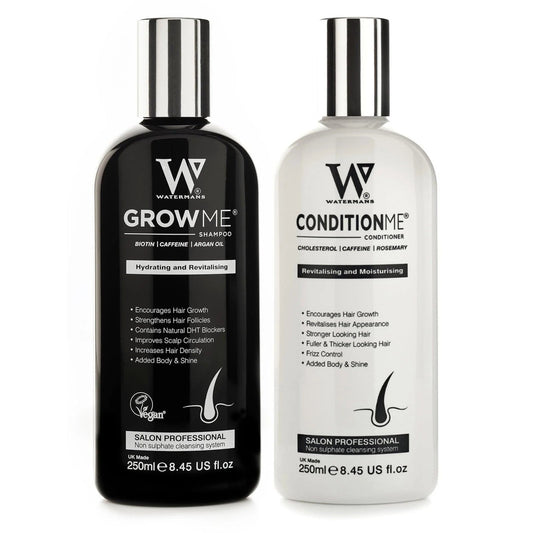
Watermans Grow Me Shampoo – A Natural, Non-Medical First Option
Before, during, or after deciding on FUE, many try products that clean and care for the scalp. One well-known option in Australia is Watermans Grow Me Shampoo.
What Makes Watermans Grow Me Shampoo Stand Out?
This shampoo holds ingredients that help the scalp and hair seem better:
• Biotin – a B-vitamin that supports strong hair
• Rosemary – a herb used to wake the scalp
• Caffeine – to wake up the scalp and roots
• Niacinamide – to support the skin and scalp
• Argan Oil – to keep hair soft and lived-in
• Allantoin – to calm the skin
• Lupin Protein – to give hair a thicker feel
Users say their hair feels:
• Thicker and full from the roots
• Less dry and brittle
• Easier to manage and look healthy
If you are thinking of FUE, starting with Watermans Grow Me Shampoo is a low-risk step. You keep a natural, topical routine that works whether you choose surgery or not.
Learn more here:
Watermans Grow Me Shampoo – Hair Growth Shampoo
────────────────────────────
Pre-Transplant Preparation: Setting Yourself Up for Success
Whether you choose surgery now, later, or not at all, some habits help your hair and scalp work better.
Key Pre-Transplant Hints
• Quit or cut down smoking well before surgery.
• Cut back on alcohol in the weeks ahead.
• Eat a balanced diet with protein, iron, zinc, vitamin D, and B vitamins.
• Tell your doctor about all drugs and supplements; some might need a change.
• Start a good hair care routine—using Watermans Grow Me Shampoo can help keep your scalp clean and alert.
A healthy scalp gives grafts a better chance to grow well.
────────────────────────────
Post-Transplant Care: Protecting Your Investment
The day of surgery is only half the work. How you tend your scalp after matters much.
Immediate Aftercare
Your clinic should give you a plan. Common steps include:
• Avoid touching or scratching the new areas.
• Sleep with your head raised and on a clean pillow.
• Do not do heavy exercise, sweating, or swimming until told so.
• Use only the products that your doctor has approved.
Gradually Reintroducing Haircare Products
When healing is well underway and your doctor agrees, you can add in mild hair products. This is a good time to use:
• Watermans Grow Me Shampoo – to keep the scalp active and aid fuller hair
• Gentle conditioners and serums that guard the hair shaft and make hair easier to comb
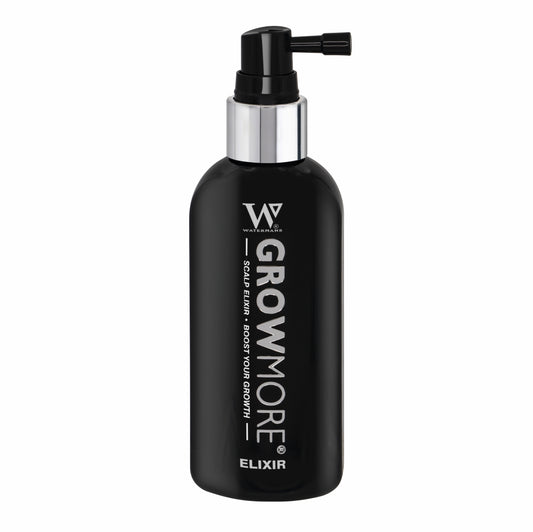
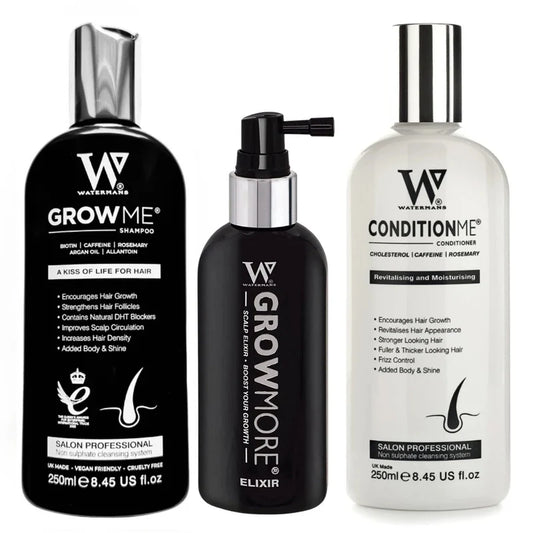
Some many choose a full system such as the Watermans Hair Survival Kit. This kit gives you shampoo, conditioner, and a leave-in scalp product so you tend your scalp at every step.
────────────────────────────
What Kind of Results Can You Realistically Expect?
Keeping real hopes is key for a good outcome after FUE.
Things FUE Does Well
• Lowers a hairline that sits too high, in a natural, age-fit way
• Fills in thin temples and front areas
• Adds body to a thinning crown
• Lifts the shape of your face and your self-confidence
Things FUE Cannot Do
• It cannot create unlimited hair because your donor hair is limited.
• It cannot stop more hair loss; the rest of your hair may thin.
• It might not give a movie-star look in all cases, especially in severe loss.
For large areas, your doctor may work first on:
• The front third and hairline for best impact
• Later, the crown or mid-scalp if donor hair allows
A real view, together with good non-surgical care like Watermans products, helps bring a pleasing long-term look.
────────────────────────────
Lifestyle, Genetics and Long-Term Hair Strategy
Even with a good FUE transplant, your genes and habits still shape your hair.
Factors You Cannot Change
• Family history of hair loss
• Natural hair traits like thickness, color, and curl
Factors You Can Shape
• Your eating habits and nutrition
• Your stress level and sleep
• Smoking, drinking, and exercise habits
• How you clean and care for your scalp
A long-term plan might include:
• Considering drugs if they fit, with a doctor’s help
• Using scalp products like Watermans Grow Me Shampoo every day
• Planning future work in a measured way to save donor hair
A sound plan helps your FUE transplant work well as you age.
────────────────────────────
Quick Reference: FUE Hair Transplant Pros and Limits
Pros:
• Yields very natural hair when done well
• Leaves tiny dot marks, not a long scar
• Fits well with short hair
• Gives a quicker, more smooth recovery than strip surgery
• Boosts both looks and self-esteem
Limits:
• Depends on the amount and strength of donor hair
• Does not stop loss of non-transplanted hair
• Takes 9–12 months for full results to show
• Costs can be high
• Quality can vary a lot by clinic
This is why many begin with non-surgical care such as Watermans Grow Me Shampoo and later add FUE if needed.
────────────────────────────
Evidence and What Science Says
Hair restoration with FUE is a trusted medical act. Many studies show it works well for patterned hair loss when done right. Good long-term results and high patient care are common (source: Journal of Cutaneous and Aesthetic Surgery).
Keep in mind:
• The result depends much on the doctor’s work.
• Home care—good scalp cleaning, a solid diet, and proper therapy—affects the growth of your hair.
That mix of precise work and steady home care is why many hair experts back both careful surgery and steady daily care.
────────────────────────────
A Simple Checklist Before You Book an FUE Hair Transplant
Use this list as a guide when you weigh your options:
- Have you tried gentle, non-surgical steps such as using Watermans Grow Me Shampoo and better eating/health habits?
- Have you met a respected hair restoration doctor—not a salesperson?
- Has your donor area been carefully checked?
- Do you know:
• How many grafts you need
• The cost and how you pay
• The recovery time and healing steps
• The chance you may need further treatment? - Are your hopes real for your level of hair loss?
- Have you planned a long-term route to keep your non-transplanted hair safe?
If you can answer yes to these, you stand in a strong place to decide on FUE surgery.
────────────────────────────
FUE Hair Transplant FAQs
-
Is an FUE hair transplant permanent?
Hair follicles from the stable donor area (back and sides) tend to resist loss. They usually stay long term. However, the rest of your hair may thin. This is why a mix of care, such as using Watermans Grow Me Shampoo, is wise. -
How long does it take to see results after FUE?
Early new hair may show at 3–4 months. You often see clear improvement by 6–9 months. Final results usually settle by 12–18 months. The process is slow; the hair first sheds then regrows stronger. -
Can I improve my FUE transplant naturally?
You cannot change the graft number, but you can help the new hairs grow well by:
• Eating well
• Avoiding smoking and heavy drinking
• Reducing stress and getting enough sleep
• Keeping your scalp clean and active
A product like Watermans Grow Me Shampoo or the Watermans Hair Survival Kit adds good care before and after surgery.
────────────────────────────
Your Next Step: Support Your Hair Today, Decide on Surgery Tomorrow
You do not need to choose FUE now. You can take a good step for your hair and scalp today.
-
Begin with a natural, supportive routine.
Try Watermans Grow Me Shampoo to help wake your scalp and give your hair roots more strength. -
Move to a full home system if you like.
The Watermans Hair Survival Kit gives you shampoo, conditioner, and a leave-in scalp product so you cover every angle, whether you choose FUE or not. -
Then, meet a qualified hair doctor.
When your scalp feels better and you hold real hopes, you are set to decide if and when an FUE hair transplant is right for you.
A smart, simple start now makes future choices—surgical or not—work well, look natural, and stay acceptable for many years.