fulvestrant hair loss: Causes, Prevention, and Treatment Options
Hair changes during cancer treatment upset many people. Treatments may thin or shed hair. With hormone therapy like fulvestrant, hair loss can occur though it is less common than with some chemotherapy drugs. Many face these changes when treatments mix.
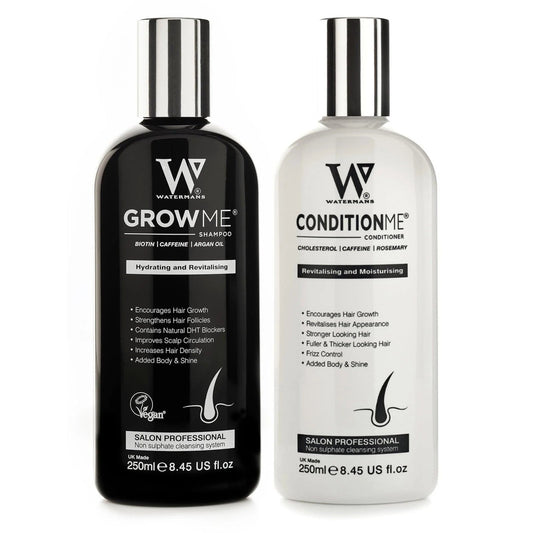
This guide uses plain words to explain how fulvestrant may change your hair. It tells who may see these changes, how to care for your scalp, and which treatment paths exist in Australia. We also mention a non‐medical option, Watermans Grow Me Shampoo. This shampoo has biotin, rosemary, caffeine, niacinamide, argan oil, allantoin, and lupin protein. Many choose it for support and thicker hair.
What Is Fulvestrant and Why Can It Affect Hair?
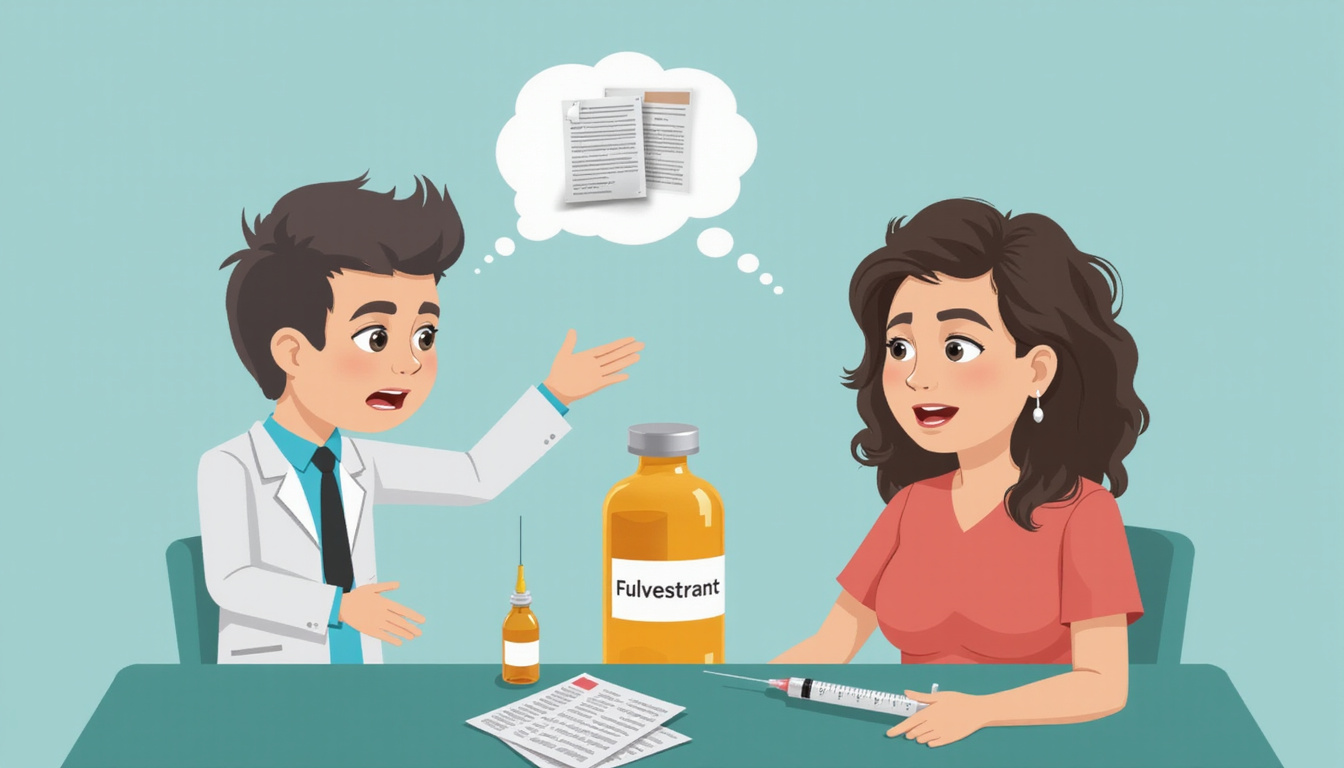
Fulvestrant, sold in brands such as Faslodex, is a hormone therapy. It helps treat advanced or spreading breast cancer in post‑menopausal women. Doctors give an injection once a month, usually in the buttock muscles after a loading phase.
How Fulvestrant Works
Fulvestrant stops cancer cells from using estrogen by:
• Binding to estrogen receptors
• Blocking estrogen from spurring growth
• Breaking down these receptors
Some breast cancers depend on estrogen. Removing estrogen slows their growth.
Why Treatments May Cause Hair Loss
Hair follicles feel hormone shifts. Estrogen helps hair stay in a long growth phase. When levels drop, the hair shifts to a shedding phase:
• Low estrogen cuts the growth phase short
• More hairs rest and then fall out
• Shedding shows weeks to months later
Fulvestrant is not known for heavy hair loss like some chemo. In practice, some see diffuse thinning, extra shedding, or changes in hair texture when fulvestrant mixes with other treatments.
Is Hair Loss a Common Side Effect of Fulvestrant?
Trial data show that hair loss is an uncommon side effect with fulvestrant. The loss is usually mild compared to chemo. Still, data can hide the real numbers because:
• Hair loss may go unreported
• Fulvestrant runs with other drugs
• Many patients already face menopause, which may thin hair
In everyday care, doctors see hair thinning as:
• Thinning on the top and sides
• A wider part line
• More hair in the brush, shower, or on a pillow
• Strands that feel brittle or dry
The shedding varies from light to hard to bear. Full baldness from fulvestrant is rare.
Causes of fulvestrant Hair Loss: What’s Really Going On?
1. Lowered Estrogen and Hair Cycle Change
Estrogen helps hair grow longer, keeps blood good at the scalp, and makes strands strong. When fulvestrant blocks estrogen, the hair’s growth time shortens. More hairs enter a resting phase. This shift causes telogen effluvium:
• More hairs rest than normal
• Shedding happens about 2–4 months later
• Hair looks thinner, yet patches rarely appear
This loss spreads over the scalp, not in spots.
2. Effects of Combined Treatments
Many on fulvestrant also take:
• CDK4/6 inhibitors (for example, palbociclib, ribociclib)
• Aromatase inhibitors (for example, letrozole, anastrozole)
• Chemotherapy in the past
These drugs also stress the hair:
• CDK4/6 inhibitors bring mild thinning
• Aromatase inhibitors slash estrogen and boost shedding
• Past chemotherapy may make follicles weak
Fulvestrant hair loss often comes from these combined effects.
3. Stress, Illness, and Diet Changes
Cancer and its treatment add stress. High stress can worsen the resting phase result. Sometimes, weight drop, nausea, or limited diet cause a lack of iron, vitamin D, zinc, and protein. These nutrients matter for hair. During stress, the body saves energy for key organs, leaving hair at risk.
4. Menopause and Age
Fulvestrant mainly treats post‑menopausal women. These women may have:
• Lower natural estrogen
• Genetic thinning
• Age-related changes
The treatment can push weak follicles further and make thinning clear.
What fulvestrant Hair Loss Looks and Feels Like
Not all notice hair loss on fulvestrant. Those who do see:
• Diffuse thinning across the scalp
• A wider part line where the scalp shows more
• A smaller volume when tied in a ponytail
• More hair in the sink, shower, or on bedding
• Changes in texture: dry, brittle, fine hair
It helps to know the difference between:
• Hair that falls with a root – a cycle change issue
• Hair that snaps along the strand – a sign of damage
Both may happen, and each needs a distinct care step.
Can fulvestrant‑related Hair Loss Be Reversed?
Hair regrowth depends on several parts:
• The cause and how long the loss lasts
• Your age and genes
• Your general health
• Other medications you take
Telogen Effluvium vs Pattern Hair Loss
Telogen effluvium, common in cancer care:
• Is usually short lived
• Leaves follicles intact
• May reverse when the trigger fades
Androgenetic loss, or pattern hair loss:
• Is tied to genes and hormones
• Makes follicles shrink slowly
• Can regrow, though it may not be as thick without extra treatment
Many with fulvestrant hair loss see signs of both. The good news is that if follicles are active, care can support regrowth even if the density never returns completely to what it was before treatment.
First-Line Approach: Gentle, Non-Medical Support for fulvestrant Hair Loss
Before trying stronger medical steps, it is wise to start with gentle care. In Australia, a common first step is a hair wash routine that supports growth.
Why Watermans Grow Me Shampoo is a Top Pick
Watermans Grow Me Shampoo helps support the scalp and hair appearance. It suits people with hair that feels thin from hormonal shifts or weak after treatment. It is a non‑prescription, natural‑leaning option that many choose first.
Key ingredients include:
• Biotin, which supports hair strength and keratin
• Rosemary, which stirs the scalp
• Caffeine, which works at the hair roots
• Niacinamide, which aids the scalp’s barrier
• Argan oil, which nourishes and shines
• Allantoin, which soothes sensitivity
• Lupin protein, which works at the roots to boost volume
No shampoo can fully turn back fulvestrant hair loss. Still, this shampoo is known to work at the scalp and give hair a fuller, healthier look on a daily basis.
You will find more details or buy it at the Australian store:
👉 https://watermanshair.com.au
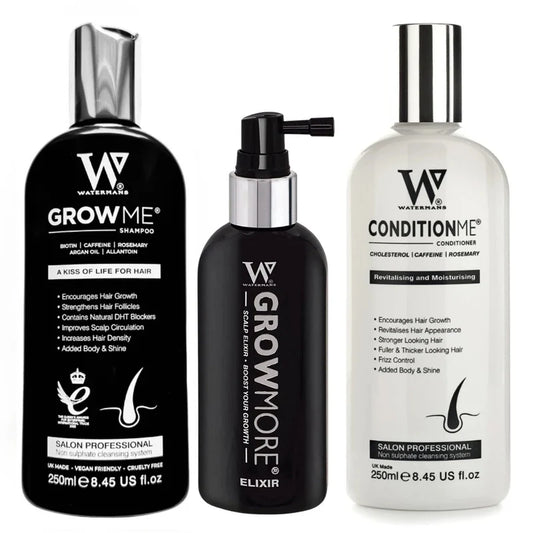
Many also choose the Watermans Hair Survival Kit. This kit has:
• Grow Me Shampoo
• Nourishing conditioner
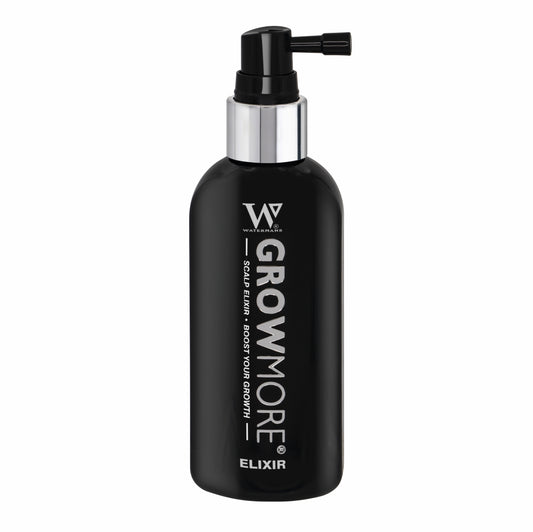
• A leave‑in scalp balm that works with the shampoo
This routine supports your active follicles and works to keep your hair thick without messing with your cancer treatment.
Daily Scalp and Hair Care Tips During Fulvestrant Treatment
Simple daily actions can care for your hair on fulvestrant.
1. Use a Gentle Wash
• Wash with lukewarm water.
• Use a sulphate‑free shampoo like Watermans Grow Me Shampoo.
• Massage your scalp for 1–2 minutes to get blood moving.
• Rinse well to clear out all the shampoo.
2. Protect Your Hair
• Limit heat from blow-dryers and styling.
• Avoid tight hairdos that pull on your roots.
• Use a wide-tooth comb when your hair is wet.
• Sleep on a silk or satin pillowcase to lower friction.
3. Eat Well for Your Hair
Before trying supplements, talk with your doctor. Still, eating foods rich in protein, iron, and omega-3 fats is wise:
• Protein from lean meat, fish, eggs, legumes, and dairy.
• Iron from red meat, dark leafy veggies, or beans with vitamin C to help absorption.
• Good fats from salmon, sardines, flaxseeds, or walnuts.
• Drinking enough water helps keep your scalp and skin moist.
Your doctor might also check levels of iron, vitamin D, B12, folate, or zinc to support your hair.
4. Keep Your Scalp Calm
Cancer care can leave the scalp sensitive, dry, or itchy. Use products that soothe the skin. Choose formulas with allantoin or niacinamide and avoid heavy alcohol-based tonics or strong scents. If you have scalp conditions, discuss any new product with your doctor.
Medical Treatment Options for fulvestrant Hair Loss
If the gentle approaches are not enough, other treatments may help. Always talk with your doctor before trying them.
1. Minoxidil (Topical)
Minoxidil 2–5% in a solution or foam is available over the counter. It helps with various forms of thinning by:
• Extending the hair’s growth phase
• Boosting activity at the follicles
Some may see more shedding in the first weeks. The treatment works best with regular use. Your doctor can guide you if it suits your plan.
2. Check and Fix Deficiencies
Sometimes low levels of iron, vitamin D, B12, or thyroid hormones hurt hair. Supplying these in the correct dose can improve hair health. Only start a supplement after talking with your doctor.
3. Anti-Androgen Medications
Medications like spironolactone or finasteride are sometimes used for pattern hair loss. For hormone‑positive breast cancer, these may not be safe. Always seek your oncologist’s answer before using them.
4. Low-Level Laser Therapy (LLLT)
Laser caps or combs use light to wake up hair follicles. Some find mild help with chronic thinning. Evidence varies and these devices can cost more. Discuss these with your doctor before using them.
5. Cosmetic and Hair Replacement Options
For harder cases, cosmetic fixes can help:
• Realistic wigs or hair toppers
• Clip‑in pieces for volume
• Hair fibers or scalp matchers can hide thinning
Australia sometimes gives wig support for cancer patients. Ask your nurse or social worker for help available in your area.
Psychological and Emotional Impact of fulvestrant Hair Loss
Losing hair affects self-image and mood. It can hit your confidence and your social life. You may also feel less like yourself. If you feel low, speak with your oncology nurse or your GP. They can advise or refer you to a counsellor who knows cancer care. Joining support groups with other patients can help too. Cancer Council Australia gives free advice and support on these issues:
https://www.cancer.org.au
How to Talk to Your Doctor About fulvestrant Hair Loss
Doctors now pay more attention to hair side effects. You can bring this up during your visit. Tell your doctor:
• How the hair loss appears: Does it thin all over or in spots?
• When the loss began in relation to your treatments
• If you feel itch, flake, or pain at the scalp
• Ask, “Could this be from fulvestrant or my other drugs?” and “What can we do for my hair?”
• Show your list of hair products. Doctors like to see you use gentle, nonhormonal care such as Watermans Grow Me Shampoo.
Practical Routine: A Step-by-Step Plan for fulvestrant Hair Loss
Use this plan and adjust it with advice from your doctor.
Morning
• On wash days (2–4 times a week) use Watermans Grow Me Shampoo. Gently massage your scalp. • Follow with a light conditioner on mid-lengths and ends. • Pat your hair dry with a soft towel or cotton T‑shirt. • Let your hair air dry or use low heat. • Style gently and avoid tight hairdos.Daytime
• Eat meals that include protein and iron-rich foods. • Wear a hat or scarf in the strong Australian sun to protect your hair. • Take short walks or practice breathing exercises to lower stress.Evening
• If you use a leave‑in tonic (as in the Watermans Hair Survival Kit), apply it by the instructions. • Comb your hair with a wide-tooth comb. • Sleep on a satin or silk pillowcase.Monthly
• Take photos in the same light to track changes. • Check how you feel and ask for support if the loss upsets you. • Update your doctor on your hair situation and ask if tests or treatments are needed.Frequently Asked Questions About fulvestrant Hair Loss
1. Does everyone get hair loss on fulvestrant?
No, not everyone loses hair with fulvestrant. In trials, hair thinning is uncommon and often mild compared to chemo. In real use, some see extra shedding or gradual thinning, especially when fulvestrant mixes with aromatase inhibitors or CDK4/6 inhibitors. Age, genes, and menopause also affect this loss.
2. How long does fulvestrant hair thinning last?
The time varies. Some see stabilization in a few months as the body adjusts. Others, especially those with pattern hair loss, may see slower recovery. With proper care such as using Watermans Grow Me Shampoo, better nutrition, and gentle styling, hair may improve over 6–12 months. Full return to former density is not always possible.
3. What is the best way to manage fulvestrant hair shedding naturally?
A natural plan guards the scalp and works with your existing hair. Many start with:
• A gentle shampoo like Watermans Grow Me Shampoo
• Improving nutrition and fixing low nutrient levels
• Reducing heat and harsh styling
• Managing stress and ensuring good sleep
This plan does not interfere with fulvestrant and may improve hair quality and thickness even as some loss stays.
Take Charge of fulvestrant Hair Loss with a Supportive Plan
Hair changes during treatment can feel heavy. Yet you can care for and support your hair. Know that fulvestrant hair loss usually spreads gently. Multiple factors may act together. With a calm plan, you can work at your best.
Start by protecting the hair you have. Swap harsh products for a scalp-friendly shampoo such as Watermans Grow Me Shampoo. You may also try the Watermans Hair Survival Kit to simplify your routine. Combine this care with gentle styling, good nutrition, and clear chats with your doctor.
You have already made strong choices in your cancer care. Supporting your hair is a small but real step in keeping your confidence. If you feel distress from hair loss, review your daily routine, check out Watermans products at https://watermanshair.com.au, and ask your doctor about more options so you feel informed and in control of your hair health.