GnRH hair loss: Causes, Treatments, and Proven Recovery Strategies
Hormones tie to hair. GnRH is one hormone that can affect hair loss. When you begin fertility treatment, hormone therapy, or other medical protocols, your hair may thin or shed. GnRH may help explain this change.
This guide shows how GnRH shifts hair. It explains why hair loss may happen, what steps you can take, and how to support hair regrowth with natural and medical care in Australia and more.
What is GnRH and How Is It Linked to Hair Loss?
h2: Knowing GnRH in Simple Words
GnRH means Gonadotropin-Releasing Hormone. It comes from the brain’s hypothalamus. GnRH tells the pituitary gland to release LH (Luteinizing Hormone) and FSH (Follicle-Stimulating Hormone). These hormones then tell your ovaries or testes to make oestrogen, progesterone, and testosterone. When doctors use GnRH agonists or antagonists, they change this chain. They do this to treat fibroids, endometriosis, assist in IVF, or treat some cancers. Hair follicles feel the change. That is why GnRH can show up as hair loss.
h2: How Hormones Affect Hair Follicles
Hair follicles go deep in your skin. They work under hormone control. Two examples:
• Androgen hormones, such as DHT, can make hair follicles shrink. This leads to pattern baldness.
• Oestrogen helps hair stay longer in the growth phase.
When GnRH sends new signals, these hormones shift. A person with no hair issues may see more shedding or thinning when on GnRH treatment.
How GnRH Therapies Trigger Hair Loss
h2: GnRH Agonists vs Antagonists – Their Role in Hair
There are two drug groups that act on GnRH:
• GnRH agonists (such as leuprorelin, goserelin, triptorelin)
• GnRH antagonists (such as degarelix, cetrorelix, ganirelix, elagolix)
Each group works in its own way:
• GnRH agonists start with a burst of LH/FSH. After a few weeks, they lower sex hormones.
• GnRH antagonists block GnRH straight away and lower LH/FSH fast.
Both types lead to conditions like medical menopause or low androgen levels. These changes affect hair growth.
h4: How Hair Loss from GnRH Can Appear
There are three main ways hair loss shows up:
-
Telogen Effluvium (TE)
– Many hairs move to the resting phase at once.
– This shower or brushing loss may appear 6–12 weeks after a big change. -
Worsening of Androgenetic Alopecia (AGA)
– If you have a family history of pattern baldness, GnRH may speed this up.
– Men on long-term treatment or women with PCOS may see more thinning. -
Miniaturisation via Hormonal Shifts
– A quick drop in oestrogen (for example, in endometriosis treatment) may show more loss.
Evidence from clinics shows that GnRH treatments do not always mean hair loss. The change happens only for some people.
Who Is Most at Risk of GnRH Hair Loss?
h2: When GnRH Loss May Appear
You may see more hair loss if:
• You take GnRH agonists for endometriosis, uterine fibroids, early puberty, or hormone-sensitive cancers.
• You use GnRH antagonists for prostate cancer or IVF cycles.
• You already carry risk factors such as a family history of pattern baldness, PCOS, thyroid issues, or iron shortages.
When these factors join, hair loss may have several causes. Genetics, nutrition, and stress may all add up.
Recognising GnRH Hair Loss: Signs and Patterns
h2: What Hair Loss Looks Like
Hair changes from GnRH can look like other types of hair loss. You might see:
• Diffuse, overall thinning.
• More hair in the drain or on your brush after washing.
• A wider part line in women.
• For men, more recession at the temples or thinning on the crown.
h4: When Do Symptoms Begin?
• Around 2–3 months after starting GnRH treatment, you may shed more hair in a TE pattern.
• After 3–6 months, a specific pattern might be clear if pattern baldness is involved.
• Once you stop treatment, hair tends to improve as hormones rebalance. The speed of recovery can vary.
If the loss is sudden or severe, or if other symptoms appear (such as weight changes, fatigue, changes in periods, or a drop in libido), talk with your doctor.
Diagnosis: Is It Really GnRH Hair Loss?
h2: What Your Doctor May Do
Since many things can cause hair loss, your doctor will check carefully. They may:
-
Ask for your history
– When did hair loss start?
– What type and dose of GnRH did you use?
– Which other drugs are you taking?
– Have you changed your diet or seen major stress? -
Examine your scalp and hair
– They check for miniaturisation, signs of inflammation, or scaling.
– Tools like a dermoscope may help look at the follicles. -
Order blood tests
– Tests may include a full blood count, iron levels, thyroid tests, Vitamin D, and hormone levels. -
Check for genetic factors
– They ask if family members had similar hair loss.
The aim is to tell if hair loss came from a hormone shock, a mix of factors, or another medical issue.
Can GnRH Hair Loss Be Reversed?
h2: Is the Loss Permanent?
In many cases, GnRH hair loss can come back, especially if it shows as telogen effluvium:
• When the hormone shock settles, hair follicles can grow again over 3–12 months.
• When pattern baldness is exposed, some thinning may remain unless treated further.
The key is not to worry too much but to act soon. Feeding your scalp with nutrition and good care can help hair regrow.
First-Line Natural Support: Watermans Grow Me Shampoo
h2: Why Use a Non-Medical Start?
Many people start with a topical solution before trying prescription drugs. One well-known product in Australia and the UK is Watermans Grow Me Shampoo.
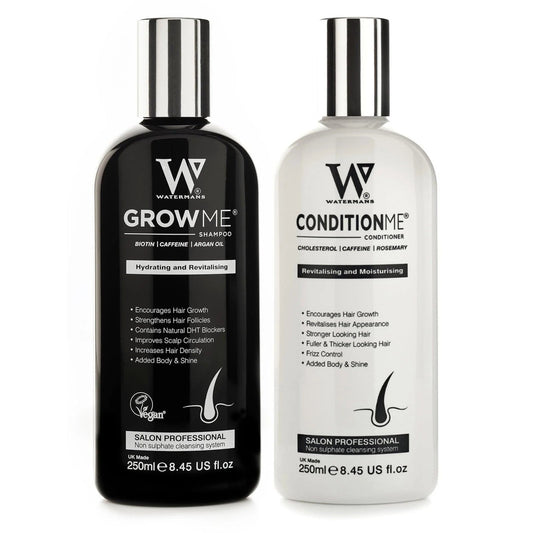
Its mix keeps hair strong and the scalp healthy. The shampoo has:
• Biotin to add strength to hair strands
• Rosemary to boost scalp circulation
• Caffeine to counter changes at the hair follicle
• Niacinamide to help scalp health
• Argan Oil to keep hair nourished
• Allantoin to calm the scalp
• Lupin Protein to strengthen hair from its root
Watermans Grow Me Shampoo can help the scalp feel energized. It may also add volume, which is useful when hair feels weak or thin from hormonal changes.
Many users find that it makes hair feel thicker and less prone to breakage. Try it here:
Watermans Grow Me Shampoo – Hair Growth Shampoo
Daily Hair-Care Strategy for GnRH Hair Loss
h2: Creating a Gentle Routine
A daily routine should be kind to your hair if you face GnRH hair loss. Try these steps:
h4: 1. Use a Growth Shampoo
• Wash with Watermans Grow Me Shampoo 3–5 times a week.
• Massage the shampoo into the scalp for a few minutes.
• Focus on the scalp instead of harshly scrubbing the hair.
h4: 2. Use a Conditioner Carefully
• Apply a lightweight conditioner on hair lengths, not the scalp.
• Avoid heavy products that might build up on hair.
h4: 3. Cut Down on Heat and Chemicals
• Avoid frequent bleaching or chemical straightening.
• Skip daily use of high-heat tools.
• Use a heat protector spray if you style with heat.
h4: 4. Guard Against Mechanical Damage
• Use soft hair bands or clips; do not pull hair tight.
• Pat your hair with a microfiber towel.
• Brush slowly from the ends upward.
A gentler routine helps give your follicles a better chance.
Lifestyle and Nutritional Strategies to Support Recovery
h2: Building a Healthier Base: Food and Rest
Hair is not needed for survival. When your body feels stress from treatment or diet, it drops hair care. For GnRH hair loss, good basic care helps.
h4: Nutrients That Feed Hair
Speak with your doctor before trying supplements. Still, these nutrients help many:
• Protein – your hair is made of keratin. Eat eggs, fish, lean meat, legumes, or tofu.
• Iron – low iron can cause more hair shedding.
• Vitamin D – getting enough helps hair health.
• B vitamins – these keep cells growing well.
• Zinc – it helps your follicles work right.
h4: Eating for a Calm Body
• Eat many colorful vegetables and fruits.
• Choose whole grains over refined ones.
• Use healthy fats like olive oil, avocado, and nuts.
• Limit too much sugar or heavily processed food.
• Avoid diets that are very low in calories.
h4: Stress and Sleep
GnRH treatments can add stress. Stress can worsen hair loss. Aim for 7–9 hours of sleep. Set a calm time each day with reading or gentle stretching. A short walk may also help.
Medical Treatments Alongside GnRH Therapies
h2: Medicines That May Help with Hair Loss
Always speak with your doctor before changing any medicine, especially if you use GnRH treatment for cancer, endometriosis, or fertility.
h4: 1. Topical Minoxidil
• Available in different strengths.
• It may increase blood to hair follicles.
• It works for both telogen effluvium and pattern baldness.
• Some use it with Watermans Grow Me Shampoo.
h4: 2. Anti-Androgens (For Women Only)
Sometimes, a woman may see more hair loss from strong androgen effects. Doctors may suggest medicines like spironolactone or certain birth control options to slow follicle miniaturisation.
h4: 3. Finasteride or Dutasteride (For Men)
These medicines block the change of testosterone to DHT. They may slow hair loss in men but need care in the context of GnRH therapy.
h4: 4. Low-Level Laser Therapy (LLLT)
Laser caps or combs may send light to hair follicles. The treatment is non-invasive and can work along with shampoos or topicals.
Advanced and Supportive Treatments
h2: Further Options When Hair Loss Persists
If hair loss remains strong, some choose extra methods under a doctor’s care:
h4: 1. PRP (Platelet-Rich Plasma)
A small blood sample is taken, spun to raise platelets, and injected into the scalp. The platelets help hair follicle health. This is done in a series of treatments.
h4: 2. Microneedling
Tiny needles make small holes in the scalp. This step nudges the scalp to repair and let topicals work better. Sterile care is key.
h4: 3. Hair Transplant Surgery
This is usually used when hair loss is stable. It is not ideal when hormones still change fast.
Using Watermans Hair Survival Kit for a Complete Routine
h2: An At-Home Plan for GnRH Hair Loss
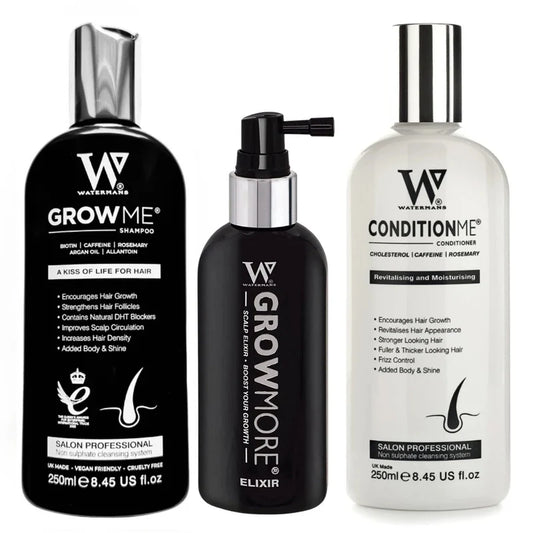
For many, a clear routine works better than many extra steps. The Watermans Hair Survival Kit brings together:
• Grow Me Shampoo – to freshen the scalp and add volume.
• Condition Me Conditioner – to keep hair lengths strong and lower breakage.
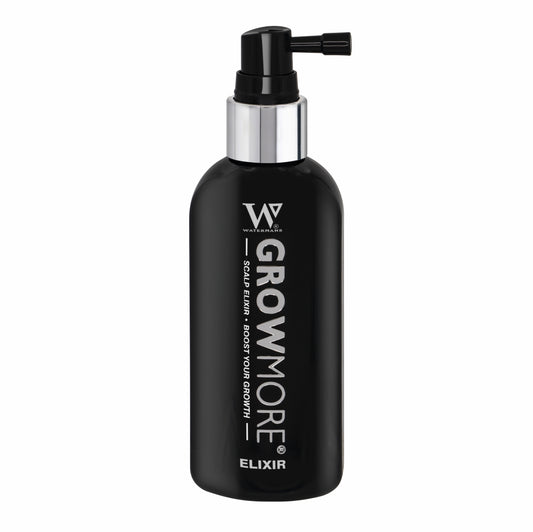
• Elixir Leave-In Scalp Treatment – applied on the scalp between washes to keep follicles supported.
For those on GnRH treatments, this kit gives you a routine that does not interfere with your other care. It helps both your scalp and hair to give hairs the needed time to grow.
Find out more with:
Watermans Hair Survival Kit
Realistic Expectations: Timelines for Regrowth
h2: How Long Until Hair Improves?
Hair grows slowly. A normal scalp hair rate is about 1–1.5 cm per month. With GnRH hair loss, here are rough timelines:
• 0–3 months after the trigger: More shedding may occur.
• 3–6 months: The loss can pause and fine new hairs may appear.
• 6–12 months: With care and steady hormones, hair may look thicker.
• Over 12 months: Hair may return fully, though pattern thinning might stay if there is a strong genetic reason.
Keep up with care. Stopping early may bring back loss.
Coping Emotionally with GnRH Hair Loss
h2: The Mental Impact of Thinning Hair
GnRH treatments often happen when life feels heavy. Adding hair loss can worsen that. Here are some ideas:
• Talk with your doctor about hair loss. Sometimes, a small change in medicine may help.
• Join groups where you can speak with others who face similar issues.
• Use cosmetic aids like root powders or clever hairstyles for a quick boost.
• Remember, hair cycles are slow. What you care for now may show results in 6–12 months.
Practical Action Plan for GnRH Hair Loss
h2: A Step-by-Step Guide
A clear plan may help you take charge:
-
Confirm the Source
– Talk with your doctor about when hair loss began.
– Ask for blood tests (iron, thyroid, vitamins, hormones).
– Rule out other causes. -
Protect Your Scalp and Hair
– Start with Watermans Grow Me Shampoo 3–5 times per week.
– Think about the Watermans Hair Survival Kit for complete care.
– Cut down on heat, tight styles, and chemical treatments. -
Support Internal Health
– Eat a protein-rich, nutrient-dense, and balanced diet.
– Fix any deficiencies your doctor finds.
– Get enough sleep and work on stress reduction. -
Look at Medical Hair Treatments
– Ask if topical minoxidil fits your plan.
– Talk about anti-androgens or DHT blockers if needed.
– Consider PRP or laser therapy if hair loss stays strong. -
Watch Your Progress
– Take photos every 4–6 weeks from the same spot and light.
– Check for shedding, density, and small new hairs.
FAQ: Common Questions About GnRH Hair Loss
h2: Frequently Asked Questions
h4: 1. Does everyone on GnRH treatment lose hair?
No. Not every person loses hair. Risk is higher if you have a family history or other issues like PCOS or thyroid problems.
h4: 2. How soon after beginning GnRH do you see hair loss?
For most, shedding starts around 2–3 months after treatment begins. This is when hair moves into its resting phase.
h4: 3. Can hair grow back after stopping GnRH drugs?
Yes. When hormones return to normal, hair follicles can recover over 6–12 months. Using products like Watermans Grow Me Shampoo and a steady routine can help regrowth.
Take Charge of GnRH Hair Loss Today
You can work against GnRH hair loss. Your main treatment, whether it is for fertility, endometriosis, or cancer, must stay first. Still, you can protect and help your hair grow back. Start by feeding your scalp with a solution like Watermans Grow Me Shampoo and stick with a sound routine such as the Watermans Hair Survival Kit. Mix these with a healthy lifestyle, good medical advice, and clear goals. This way, your hair gets the best chance to grow back thicker, stronger, and more resilient.
If you are set on supporting your hair during GnRH treatment, check out the Watermans range today and take a step toward fuller hair.