gonadectomy hair loss: Why it happens and how to stop it
Gonadectomy hair loss can shock you. Hormone shifts follow removal of the gonads. They change hair thickness, texture, and growth rate. You learn why the change happens. You then gain clear, science‑based ways to slow, stop, or partly reverse hair loss. This guide explains body changes, sets realistic hopes, and gives scalp‑focused tips.
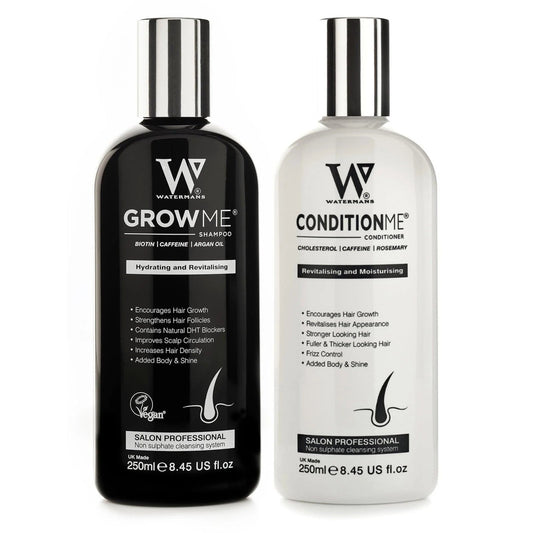
Before you try medications, many people see strong results with a careful topical routine. In Australia, a well‑tried first‑step is Watermans Grow Me Shampoo. It is a salon‑grade, drug‑free formula that uses Biotin, Rosemary, Caffeine, Niacinamide, Argan Oil, Allantoin, and Lupin Protein. These ingredients work close together to boost the scalp and add volume to hair at the root.
What is gonadectomy and why does it affect hair?
h2 How gonadectomy changes your hormones
“Gonadectomy” means the removal of the gonads. It includes:
- Oophorectomy – removal of ovaries
- Orchiectomy – removal of testes
- Bilateral gonadectomy – removal of both sets (for rare intersex cases)
The gonads make your main sex hormones: oestrogen, progesterone, and testosterone. When you lose the gonads, you lose a key hormone supply. Even with later hormone therapy, the balance shifts.
Hair follicles sense hormones such as:
- Androgens (like testosterone and DHT)
- Oestrogens
- Thyroid hormones
- Stress hormones (cortisol)
Removing gonads cuts hormone supply. That change can slow hair growth, boost shedding, reduce strand diameter, and shorten the growth phase.
Why does gonadectomy hair loss happen?
h2 The science of hair growth and shedding
Hair grows in a cycle. The cycle has three parts:
- Anagen (growth phase) – lasts 2–7 years
- Catagen (transition phase) – lasts about 2 weeks
- Telogen (rest and shedding phase) – lasts 2–4 months
Hormones keep more hairs in anagen. A sudden shift pushes many hairs into telogen at once. This shift leads to more shedding and thinning.
h2 The main pathways to hair loss after gonadectomy
Several factors work together to cause hair loss. They may also happen at the same time.
h4 1. Telogen effluvium from sudden hormonal change
A sudden drop in hormones can start telogen effluvium. This condition causes even hair to thin.
After gonadectomy:
• Hormone levels drop or change fast with HRT.
• The body feels acute stress.
• Hair follicles all switch to telogen and shed a few months later.
Many see clumps of hair in the shower a few months after surgery. The scalp may seem less full while the hairline does not change much.
Telogen effluvium can reverse when the triggers are fixed and follicles stay healthy.
h4 2. Androgen‑related miniaturisation (pattern hair loss)
Some people have a genetic drive for pattern hair loss. The change in hormones then pushes this pattern forward.
• Many oophorectomy patients see more of an androgen‐like effect if oestrogen drops fast and the balance is upset. This may cause thinning at the crown or mid‑scalp.
• Many orchiectomy patients with male‑pattern hair loss see slow, steady changes, which may slow if androgens fall.
In this pattern hair loss, DHT shortens the growth phase and shrinks follicles. The result is finer, shorter hair that makes the scalp look see‑through.
h4 3. States with low oestrogen or low androgens
If hormone therapy is not used or not enough, the body stays with low hormone levels:
• Low oestrogen can lead to a post‑menopausal type of hair loss and dryness.
• Very low androgens can lower hair diameter and growth speed.
Either way, hair volume falls, growth slows, and hair feels fine and light.
h4 4. Stress from surgery and the whole body
Gonadectomy can bring stress from:
• General anaesthesia
• Recovery time and less activity
• Blood loss
• Emotional strain
Each of these stresses can speed up telogen effluvium. Nutrient loss and changes in diet around surgery may also upset the hair cycle.
Who is most at risk of gonadectomy hair loss?
h2 Risk factors you can and cannot change
Not everyone loses noticeable hair after gonadectomy. You may see shedding or thinning if:
• Family history of pattern baldness is present.
• You have had past episodes of diffuse shedding (for example, after pregnancy, strict dieting, or severe illness).
• Your hormone therapy after surgery is not closely managed.
• You have thyroid issues, low iron, or an autoimmune condition.
• You smoke or have poor heart health that reduces blood flow to the scalp.
You cannot change genetics. You can, however, change your nutrition, manage hormones with your doctor, care for your scalp, and tend to sleep, stress, and inflammation. This is when a soft hair‑care plan works best.
Recognising gonadectomy hair loss: what it looks and feels like
h2 Typical timing and patterns
• When it starts:
– 6–12 weeks after surgery, early telogen effluvium may be seen.
– 3–6 months later, shedding and thinning are most visible.
– 6–12 months later, the shedding slows if you take care, but if not, thinning may continue.
• What you see:
– Shedding across the scalp
– Hair feels less thick when tied back
– A smaller ponytail or bun
– More scalp visible in bright light
If there is a pattern:
• Oophorectomy often brings diffuse thinning on the crown and mid‑scalp while the frontal hairline stays.
• Orchiectomy patients with male‑pattern loss see a receding hairline and thinning at the crown, though this may slow if androgens fall.
Medical vs non‑medical approaches: where to start
h2 Why choose the scalp-first, non‑drug support
Many choose medications first. Yet after gonadectomy, with complex hormonal shifts, a safe and effective move is to work from the scalp. You can:
• Nourish the follicles
• Improve blood flow to the scalp
• Calm irritation
• Support the growth phase with targeted tops
A dedicated scalp‑care routine fits here.
In Australia, Watermans Grow Me Shampoo is a top non‑drug choice for early thinning. Its blend contains:
• Biotin – builds keratin and hair strength
• Rosemary extract – improves scalp blood flow and has effects seen in small studies
• Caffeine – can ease androgen effects and boost growth
• Niacinamide – helps the scalp barrier and circulation
• Argan oil – conditions without buildup; adds shine
• Allantoin – soothes and calms the scalp
• Lupin Protein – helps strengthen and give volume from the root
Use it with care, and it may help fight the loss of volume and density when combined with a sound routine.
Building a post‑gonadectomy hair‑care routine that supports regrowth
h2 A simple daily and weekly plan
Below is a plan you can adjust for your hair type and scalp comfort.
h4 Step 1: Cleanse the scalp well
A healthy scalp starts any care plan.
• Wash often enough to keep oil, sweat, and products from clogging the follicles.
• Avoid harsh detergents and sulphates that strip the skin.
• Focus the shampoo on the scalp, not just along the length of the hair.
Using a formula like Watermans Grow Me Shampoo two to five times weekly can:
• Bring active plants right to the follicles
• Boost blood flow with caffeine and rosemary
• Add volume from the root
Massage gently with your fingertips for 1–2 minutes, then rinse.
h4 Step 2: Condition without weighing the hair down
After gonadectomy, hair can become drier and break easier. A light, strengthening conditioner is key. It should not sit thickly on the scalp.
General rules:
• Apply mostly from mid‑lengths to ends.
• Use a scalp‑friendly formula if your roots are prone to dryness.
• Rinse well to avoid buildup that may block follicles.
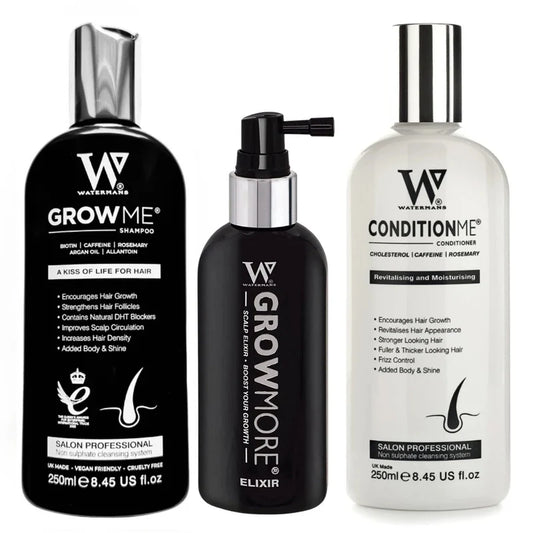
A combined system like the Watermans Hair Survival Kit (which has shampoo, conditioner, and a leave‑in scalp elixir) works as a team instead of separately.
h4 Step 3: Treat the scalp between washes
For many with gonadectomy hair loss, care between washes is key.
A good leave‑in scalp treatment should:
• Stay lightweight and not greasy.
• Contain ingredients that help blood flow and support follicles.
• Stay mild enough for daily use.
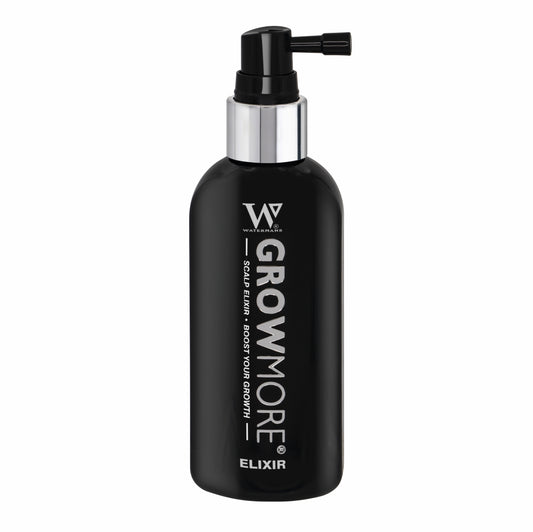
The elixir in the Watermans Hair Survival Kit fits this role. You apply it to the scalp and help the follicles through the cycle.
h4 Step 4: Avoid mechanical damage
After gonadectomy, hair can feel finer and more fragile. You must protect what you have:
• Use a wide‑tooth comb on damp hair.
• Skip tight hairstyles that pull hair.
• Pick a silk or satin pillowcase to lower friction.
• Keep heat styling low and always use heat protection.
Reducing breakage does not restore follicles but keeps your length and density while your scalp methods work.
Nutrition and lifestyle: internal support for gonadectomy hair loss
h2 Key nutrients for post‑gonadectomy hair health
No food can single‑handedly fix hair loss. However, gaps in nutrients can worsen a temporary shedding into a longer problem. Ask your doctor about testing and think about:
• Ferritin (iron stores) – low ferritin shows up in diffuse thinning, especially for those assigned female at birth.
• Vitamin D – supports the immune system and follicle work
• Vitamin B12 and Folate – help cells in the hair matrix turn over
• Zinc – aids hair shaft building and immune balance
Try to get:
• Enough protein (usually 1.0–1.2 g per kg body weight per day)
• Meals rich in vegetables, whole grains, nuts, and seeds
• Lots of water – the scalp is skin, and skin needs water to work well
h2 Stress, sleep and inflammation
The time after surgery can bring high stress. Stress can:
• Push more hairs into the resting phase
• Cause scalp irritation
• Affect sleep, which in turn shifts hormones
Help your hair and overall health by:
• Aiming for 7–9 hours of sleep each night
• Using gentle movement (walking, yoga) once the doctor says you can
• Trying stress‑reducing activities that work for you (such as breathwork, talking with someone, or mindfulness)
These steps do not replace topical or medical care. They simply set up a better environment for your follicles.
Medical treatments sometimes used alongside topical care
h2 When to talk with your doctor about medical options
If your gonadectomy hair loss is:
• Fast and severe
• Lasting more than 9–12 months even with care
• Paired with scalp signs such as burning, pain, or bald patches
… then speak with an endocrinologist, dermatologist, or GP familiar with hair loss.
Some common paths include:
h4 Hormone Replacement Therapy (HRT) adjustments
For many, changing HRT can:
• Help with low oestrogen or low androgen hair thinning
• Steady the shedding by smoothing out hormone shifts
A doctor may adjust:
• The type of oestrogen (oral, patch, or gel)
• The addition of progesterone (if you have a uterus)
• The anti‑androgen dose in transfeminine patients
• The testosterone dose in transmasculine patients
Balance your hair goals with overall health needs.
h4 Topical minoxidil and similar treatments
Minoxidil is a well-used topical for pattern hair loss. It can:
• Extend the growth phase
• Increase hair thickness
• Spur some regrowth if follicles still work
It may not fix telogen effluvium alone. Working with a natural scalp routine (like Watermans Grow Me Shampoo and the Hair Survival Kit) can give you better results than medicine on its own.
h4 Other prescription options
In some cases, a doctor may try:
• Oral anti‑androgens or 5‑alpha‑reductase inhibitors for pattern hair loss
• Low‑dose oral minoxidil
• Steroids or other drugs if an autoimmune scalp issue exists
Each option has its risks and must be weighed against your history and treatment.
How long does it take to see improvement?
h2 Realistic timelines
Hair grows slowly – about 1–1.5 cm per month. After gonadectomy you may see:
• 3 months – less shedding if triggers are managed
• 6 months – visible improvements in thickness and volume
• 12 months and more – steady gains if pattern hair loss is mild and hormones are stable
Using targeted products like Watermans Grow Me Shampoo and the Watermans Hair Survival Kit for at least 90 days is recommended. The hair cycle needs time to adjust.
Special considerations by context
h2 Gonadectomy hair loss after oophorectomy
If you have had your ovaries removed (with or without the uterus), your hair may change similar to a fast menopause:
• A sharp fall in oestrogen and progesterone
• Possible appearance of female‑pattern hair loss
• Hair dryness, less shine, and more breakage
Helpful steps include:
• Working closely with your doctor on menopausal symptoms and HRT
• Focusing on scalp‑first care (using Grow Me Shampoo and the Hair Survival Kit)
• Watching iron and ferritin levels if your cycles stopped fast or your diet changed
h2 Gonadectomy hair loss after orchiectomy
After having your testes removed, hair outcomes differ. They depend on:
• Your age at surgery
• Whether male‑pattern baldness existed before
• Your hormone regimen
Some people notice:
• A slowing or partial stop of male‑pattern loss
• Finer hair texture and less body hair
• Changes like those seen with oestrogen if you use feminising HRT
Still, telogen effluvium may occur because of stress or anemia. A routine focused on root volume and scalp health stays very useful.
h2 Gonadectomy hair loss in gender‑affirming care
For trans and non‑binary people, hair loss can add to stress. Specific points include:
• Hair loss patterns may not match your gender identity.
• Some anti‑androgen or testosterone treatments affect hair in different ways.
• A focus on scalp health can help your look match your goals.
Gentle, neutral products that work on “stronger, fuller hair” – like Watermans Grow Me Shampoo and the Hair Survival Kit – support self‑care while you work with your clinical team.
Practical checklist: daily and weekly actions for gonadectomy hair loss
Here is a checklist you can follow:
-
Scalp cleansing
• Use a growth‑support shampoo like Watermans Grow Me Shampoo 2–5 times per week.
• Massage gently on the scalp for 1–2 minutes. -
Condition and protect
• Condition from mid‑lengths to ends.
• Use the Watermans Hair Survival Kit to combine shampoo, conditioner, and leave‑in treatment.
• Reduce heat use and harsh chemicals. -
Scalp treatment between washes
• Apply a leave‑in scalp elixir as directed.
• Keep a light fingertip massage to support blood flow. -
Lifestyle and nutrition
• Get enough protein and ask your doctor about ferritin, vitamin D, B12, and zinc tests.
• Ensure 7–9 hours of sleep and lower stress with techniques you trust. -
Medical follow‑up
• Talk with your endocrinologist or GP about hormone balance.
• See a dermatologist if hair loss is severe, patchy, or comes with pain or itching.
FAQs about gonadectomy hair loss
h2 Frequently asked questions
h4 1. Is gonadectomy hair loss permanent?
Gonadectomy hair loss may be temporary, permanent, or both.
• Telogen effluvium from surgery is often temporary if you tend the scalp well.
• With a genetic tendency for pattern hair loss, follicle shrinkage may continue.
• Acting early helps keep follicles working.
h4 2. Can a shampoo really help with post‑gonadectomy hair loss?
A shampoo alone does not cure hair loss. It helps with:
• A healthier scalp environment.
• Better blood flow and nutrient reach to follicles.
• Stronger hair from the root upward.
A blend like Watermans Grow Me Shampoo works well because it brings Biotin, Rosemary, Caffeine, Niacinamide, Argan Oil, Allantoin, and Lupin Protein together. When you combine it with the Hair Survival Kit, you build a strong base for hair regrowth.
h4 3. How do I know if my gonadectomy hair loss is hormonal or from another cause?
Often, your hair loss comes from many factors. Some clues are:
• Hair loss that begins 2–4 months after surgery and is even across the scalp hints at telogen effluvium.
• A clear pattern, such as a wider part or thinning at the crown, points to pattern hair loss.
• Bald patches or scalp discomfort may signal an autoimmune or inflammatory issue.
In each case, support your scalp with a gentle, growth‑focused routine while you get a medical review.
Take action now to support your hair after gonadectomy
Gonadectomy hair loss can shock you, but it is not beyond help. With the right understanding of how hormone shifts, stress, and genes work together, you can take clear steps:
• Work on your follicles from the outside with a steady, scalp‑focused routine.
• Manage hormones, nutrition, and lifestyle from the inside.
• Team up with health professionals as you follow daily actions you control.
If you need a strong, drug‑free start for thinning and sensitive hair, begin with Watermans Grow Me Shampoo. Pair it with the Watermans Hair Survival Kit for all‑day scalp support—during the shower, after washing, and between treatments.
Each wash and each application brings you closer to a fuller, healthier‑looking scalp and a more confident you after gonadectomy.