hirsutism: Proven Treatments, Coping Strategies, and Confidence Tips
Hirsutism feels hard to face and can leave you puzzled and alone. Women with extra facial or body hair worry in silence. Many people see it rarely in public talk, yet it shows up in many cases. If you have hirsutism, you need to learn how your body works, cut down on overgrown hair, and care for your self-worth.
This guide gives you treatments that research supports, tips you can use each day, and ways to cope. You will see advice that puts people first and keeps things real. You will also read about natural, scalp-friendly products like Watermans Grow Me Shampoo. This shampoo is popular in Australia for keeping your scalp hair strong while you work on hair growth elsewhere.
What Is Hirsutism?
Hirsutism means unwanted, coarse hair that grows in places more common in men. You see this hair on the chin, jaw, upper lip, chest, abdomen (around the belly button), back, and thighs. The hair is dark, thick, and more like scalp hair. It is not the fine, light hair that you get on other parts of your body.
Hirsutism vs “Just Being Hairy”
Not all hair is hirsutism. Hair can be:
• Normal: light, fine, and spread evenly (vellus hair).
• Hirsutism: coarse, dark hair in male-pattern areas like the face, chest, back, lower belly, and inner thighs.
Doctors may use scores such as the Ferriman–Gallwey score to check hair in different spots and see if it fits a hirsutism pattern.
What Causes Hirsutism?
Hirsutism usually comes from higher levels of androgens. These are hormones such as testosterone. Women have them too, but in smaller amounts. In women, hirsutism comes when:
- The body makes too much androgen.
- The hair follicles react strongly to normal androgen levels.
Common Causes of Hirsutism
- Polycystic Ovary Syndrome (PCOS)
PCOS is the most common trigger for hirsutism. In PCOS, the ovaries may create extra androgens and mess with ovulation. Women with PCOS may see:
• Irregular or missing periods.
• Acne or shiny skin.
• Weight gain or trouble losing weight.
• Thinning scalp hair.
• Hirsutism on the face, chest, tummy, or back.
PCOS stays long term but can be managed with lifestyle changes and proper medical care.
- Idiopathic Hirsutism
Some women have normal hormone tests and regular periods, yet their hair follicles react strongly. This is idiopathic hirsutism. It often runs in families and may show differences with ethnic background.
- Medications
Some drugs can start or worsen hirsutism. These include:
• Certain anabolic steroids.
• Some hormone treatments.
• Specific drugs for epilepsy or to suppress the immune system.
If you think a drug matters, talk with your doctor about changing it.
- Rare Endocrine Causes
In few cases, hirsutism comes with:
• Cushing’s syndrome (high cortisol).
• A mild form of congenital adrenal hyperplasia.
• Androgen-secreting tumours in the ovaries or adrenal glands.
If hair growth happens very fast or if you see a deeper voice, clitoromegaly, or severe acne, seek a doctor quickly.
How Is Hirsutism Diagnosed?
A good diagnosis helps by looking at both hair and any hormone issues.
What Your Doctor Will Likely Do
• Ask about your history:
– When the hair started to grow.
– Your family background.
– Your period pattern.
– Weight changes.
– Other signs like acne, scalp hair loss, or mood shifts.
• Do a physical exam:
– Check the hair pattern and amount.
– Look for dark patches or acne.
– Check if there are signs of high androgens.
• Run blood tests if needed:
– Total and free testosterone.
– DHEAS.
– LH and FSH.
– Prolactin.
– Thyroid tests.
– 17-hydroxyprogesterone if needed.
• Perform imaging:
– A pelvic ultrasound when PCOS or ovarian problems are seen.
– Rarely, pictures of the adrenals if a tumour is in mind.
A GP, gynaecologist, endocrinologist, or women’s clinic can start this check.
Medical Treatments for Hirsutism
Medical steps work in three parts: balancing hormones, changing hair growth, and removing hair from the skin.
- Combined Oral Contraceptive Pill (OCP)
The combined pill has oestrogen and progestogen. Many women use it when they also need birth control. It can: • Cut down the ovaries’ androgen output. • Raise sex-hormone-binding globulin to lower active testosterone. • Slow down new hair growth.
Results take time. It may need 6–12 months to show less hair density and slower growth. You will still use hair-removal methods while waiting.
- Anti-Androgen Medications
If the pill does not work enough or you cannot take it, your doctor may choose anti-androgen drugs. These include:
• Spironolactone.
• Cyproterone acetate (in some pills or by itself).
• Sometimes finasteride or dutasteride (given off-label).
They work by blocking androgen receptors or lowering the conversion of testosterone into DHT. You must use reliable birth control with these medicines because they can harm a male foetus. It takes 3–6 months to see changes.
- Insulin-Sensitising Medications
For women with PCOS and signs of insulin resistance, drugs like metformin can: • Improve how the body handles insulin. • Regularize cycles. • Modestly drop androgen levels and hair growth.
An active lifestyle with sound sleep, good nutrition, and movement still plays a big role.
Non-Medical and Cosmetic Treatment Options
Even if you use medicines, many women still need to remove hair. You have many methods to choose from, both short-term and long-term.
Temporary Hair Removal Methods
These methods clear the hair on the skin without changing hormone levels or future hair growth.
Shaving
• Is fast, low-cost, and easy.
• Works on face and body.
• Does not make hair grow thicker; it only cuts the tip and gives a blunt feel.
For comfort, use a clean, sharp razor, some shaving cream, and a light moisturiser afterward.
Waxing and Sugaring
• Pull out hair from its root. • Lasts for about 2–4 weeks. • Over time, regrowth can be finer.
These methods might hurt and they may cause ingrown hairs in sensitive skin.
Depilatory Creams
• Dissolve the hair on or just below the skin. • Work well on legs and other body parts.
Always test a small area first because these creams can burn or cause allergies.
Threading and Tweezing
• Good for neat removal on small areas like brows, upper lip, or chin. • Threading can remove many hairs at once.
Mild irritation can happen; a soothing, plain moisturiser can help.
Prescription Cream: Eflornithine
Eflornithine 13.9% cream is a cream your doctor may give you for facial hair. It: • Slows down new hair growth. • Works best with other hair-removal methods.
It may take 6–8 weeks to show change. Hair will grow back once you stop the cream. Not all women see change, but many do.
Long-Term Hair Reduction: Laser and Electrolysis
For lasting results, laser hair removal and electrolysis are common choices.
Laser Hair Removal
Laser light targets the hair pigment. The light hurts the follicle and slows its growth. Pros: • It can cut down hair density and thickness. • It covers large areas fast, such as the face, chest, back, or legs. • It usually lasts months or years with occasional sessions. Limitations: • It works best when hair is dark and skin is light. New devices help with darker skin when a skilled practitioner is present. • You need 6–10 sessions about 4–8 weeks apart. • Not all see complete removal and sometimes maintenance is needed. • There is a higher cost at the start, though it can be more economical than frequent waxing over time.
Electrolysis
Electrolysis uses a tiny needle in each hair follicle. The needle sends a tiny electric current to stop the hair. Pros: • It works for all skin and hair colors. • It is the only FDA-approved way for permanent hair removal. Limitations: • It is slow since each hair needs treatment. • It can feel uncomfortable; numbing cream might help. • It can be more expensive by the hour.
Electrolysis is sometimes used after laser treatment or for small spots like the upper lip, chin, or stray hairs.
Lifestyle Changes That May Help With Hirsutism
Changing your lifestyle will not fix hirsutism by itself. Yet, it can help balance hormones, especially with PCOS.
- Weight Management (Where Relevant)
For women with PCOS who are overweight, a small weight loss of 5–10% can: • Improve insulin action. • Lower androgen levels. • Make menstrual cycles more regular. • Sometimes reduce unwanted hair over time.
Even if weight does not change, building muscle, moving more, and reducing deep fat help.
- Nutrition to Support Hormones
No single diet fits all for PCOS. Still, some ideas include: • Keeping blood sugar steady by choosing whole grains, vegetables, legumes, nuts, and lean protein. • Eating enough fibre to balance blood sugar and help hormone processing. • Adding healthy fats from sources like avocado, extra virgin olive oil, nuts, seeds, or oily fish. • Cutting down on very processed foods and sugary drinks that raise insulin levels.
Talking with a dietitian who knows PCOS and hair issues can help.
- Exercise and Movement
Regular activity helps by: • Boosting insulin action. • Aiding weight control. • Cutting down inflammation. • Lifting mood and self-worth.
Aim for 150–300 minutes of moderate exercise each week plus two to three sessions of strength work. Pick activities you enjoy, such as walking, cycling, swimming, gym exercise, yoga, or Pilates.
- Sleep and Stress
Too much stress and poor sleep can disturb hormones and hurt your feelings. • Try for 7–9 hours of sleep a night. • Use stress-relief techniques like deep breathing, mindfulness, or gentle exercise. • Limit caffeine and alcohol near bedtime.
When Hirsutism Meets Hair Loss: A Common PCOS Dilemma
Some women with PCOS see both extra hair and thinning hair on the scalp. Androgens affect hair in different parts of your body in their own ways. While you remove unwanted hair, you may also work to keep scalp hair strong.

Supporting Scalp Hair Health Naturally
Before you try stronger or medical hair-loss treatments, many women start with gentle options that care for scalp hair, volume, and growth.
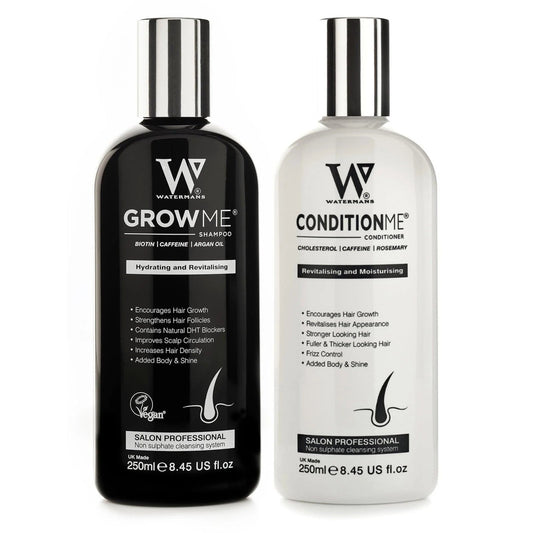
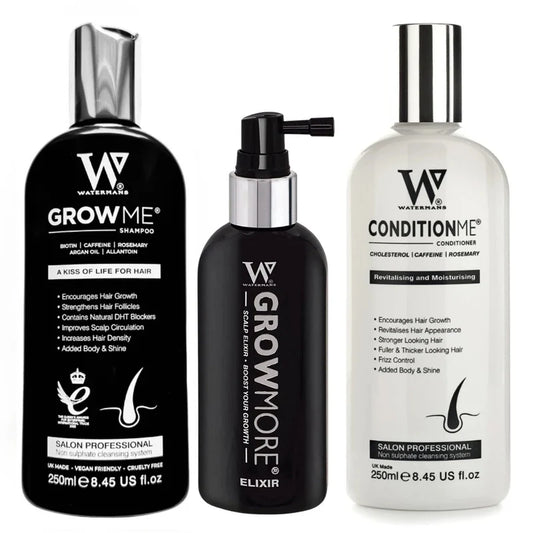
A popular Australian product is Watermans Grow Me Shampoo. It is a hair care product that is not a drug. It is designed with ingredients linked to better hair health: • Biotin, which helps build keratin. • Rosemary, which may boost blood around the scalp. • Caffeine, which can wake up the hair follicles. • Niacinamide (Vitamin B3), which helps the skin’s barrier. • Argan Oil, which adds moisture and may reduce breakage. • Allantoin, which soothes the skin. • Lupin Protein, which helps keep hair strong.
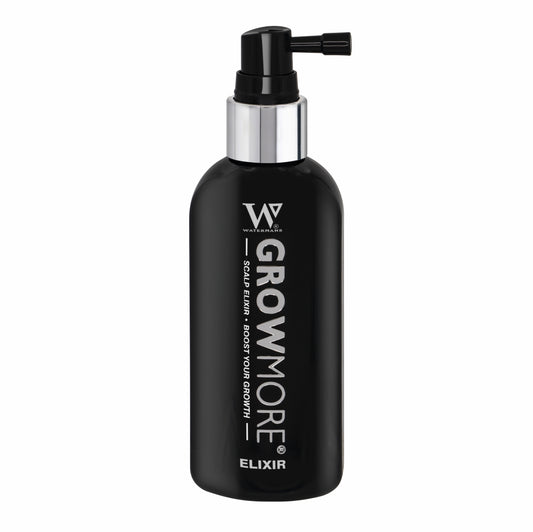
Watermans Grow Me Shampoo helps the scalp feel lively and hair look thicker. Many choose the Watermans Hair Survival Kit, which includes: • Grow Me Shampoo. • A matching conditioner. • A leave-in scalp elixir for ongoing care.
These products do not treat hirsutism, but they help if you worry about thinning scalp hair while hormones take time to work.
Coping Emotionally With Hirsutism
Hirsutism can hurt your feelings. Many women feel:
• Embarrassed or ashamed.
• Unfeminine or less appealing.
• Anxious in close or social settings.
• Stuck checking or removing hair.
These responses are common in a world that expects little body hair on women.
Normalising Your Experience
• Hirsutism touches 5–10% of women of childbearing age. • It is not your fault and you have not done wrong. • Body hair does not set your worth, gender, or beauty.
Talking with close friends, family, or a counsellor can help ease these feelings.
Building an Emotional Toolkit
Try these steps: • Counseling: A therapist can give advice on body image, anxiety, and stress. • Support groups: Talk with others who face the same challenge. • Self-kindness: Speak to yourself as you would to a dear friend. • Hold back on constant mirror-checking to lessen worry.
Confidence Tips While You Manage Hirsutism
You deserve to feel good in your skin now, not only when the hair is gone.
- Create a Personal Grooming Routine
A set routine cuts down daily worries. For instance:
• Face:
– Each morning, do a quick shave or use an electric trimmer.
– Once or twice a month, use threading or waxing for a neat shape.
– Apply prescription eflornithine cream if your doctor advises.
• Body:
– Shave or wax the legs and arms on a set day each week.
– For underarms or bikini areas, choose what fits best.
– Laser may be an option if it suits you.
A steady routine makes hair care more predictable and less stressful.
- Use Makeup When You Want
Makeup can play a role if you enjoy it. Some tips are: • Green-tinted primers to calm any redness after hair removal. • Medium-coverage foundation or concealer where needed. • Brow care that draws your eye inward.
Focus on what you like about your look.
- Choose Style that Feels Right
Wearing clothes you like helps you feel at ease: • Pick outfits that cover or reveal as you need. • Try new hairstyles that highlight features you admire. • Using Watermans Grow Me Shampoo may help you feel more in control of your scalp care.
- Talk Openly in Relationships
If you worry about what a partner may say: • Know that many are kinder than your inner critic. • Share only what you find comfortable. • A brief explanation like “I have a hormone issue that makes extra hair grow; I manage it, though it can be sensitive” can work well.
Keep your personal limits and choose those who respect them.
Working With a Multidisciplinary Team
Hirsutism sits at the meeting point of hormones, metabolism, skin, and feelings. A team of experts may help: • Your GP: Keeps care on track and arranges tests. • An endocrinologist or gynaecologist: Checks hormones and suggests treatments. • A dietitian: Gives advice on real nutrition changes. • A psychologist: Supports your emotional wellbeing. • A dermatologist or skin expert: Helps with laser, electrolysis, or skin care. • Hair and scalp care experts: Recommend non-medical products like Watermans Grow Me Shampoo and its kit for scalp care.
You have the right to ask questions and seek a second opinion if you feel unheard.
Evidence-Based Self-Advocacy Tips
When working with healthcare professionals on hirsutism, keep these in mind: • Write down your symptoms: – When extra hair began. – The areas where it shows. – Photos to track progress (if you can). – Changes in your cycle, scalp hair, acne, or weight.
• Prepare questions for appointments: – Which tests are needed and why? – What treatments exist and what side effects may occur? – How long until you might see change?
• Track progress: – Note how often you remove hair. – Rate your stress or worry levels. – Track changes in scalp hair if it matters.
This record helps you and your doctor see what works best.
Natural and At-Home Approaches: What’s Realistic?
Many home remedies exist online, from spearmint tea to turmeric masks. It is best to have clear hopes.
Spearmint Tea
Some small studies show spearmint tea may drop free testosterone a bit. Drinking it often might help with mild hair growth. Its effects stay small, so see it as extra support.
Topical Home Remedies
Options like: • Sugar or honey scrubs. • Turmeric pastes. • Do-it-yourself sugar waxing. They clean and smooth the skin but do not fix the hormone issue. Always test a small spot first.
Supplements
Talk with your doctor about any supplements you consider. In PCOS, some mention inositol and vitamin D. The research on these is still mixed.
Frequently Asked Questions About Hirsutism
-
Can hirsutism go away on its own?
Hirsutism rarely fades away by itself, especially when linked to PCOS or strong genetic sensitivity. With the right hormone treatments, a good hair removal plan, and lifestyle changes, you can see clear improvement. If the hormone balance gets better, extra hair may lessen, but this takes time. -
Is hirsutism always a sign of PCOS or a serious disease?
No. PCOS is the most common cause. Some women simply have hair follicles that work in a very sensitive way, even when tests look normal. In a few cases, extra hair signals a more serious issue like an androgen-secreting tumour. A complete medical check can rule these out. -
What is the best treatment for facial hirsutism?
A mix of treatments usually works best. Many people use: • Hormone treatment like the combined pill or anti-androgen drugs. • Topical eflornithine cream for the face. • Laser or electrolysis for long-term reduction. • And quick fixes like threading or shaving for daily care. If thinning scalp hair matters too, many add Watermans Grow Me Shampoo and its kit into their routine.
Take Your Next Step With Hirsutism — And Your Hair
Living with hirsutism can seem overwhelming, but you are not alone. You can: • Get a full diagnosis and check for hormone issues. • Start hormone treatments to curb extra hair. • Choose hair removal techniques that match your budget and pain limits. • Build daily habits that support hormone balance and your well-being. • Care for your scalp hair gently with products like Watermans Grow Me Shampoo and its kit if you worry about thinning hair.
You deserve clear choices, real advice, and caring support. If you want to take control of your hair story—reducing unwanted hair while keeping the hair you value—speak with a healthcare professional. You may also add gentle scalp care into your routine as part of your overall plan.