Hormonal hair loss: Surprising Causes, Fast Fixes, and Prevention Tips
<h1></h1>
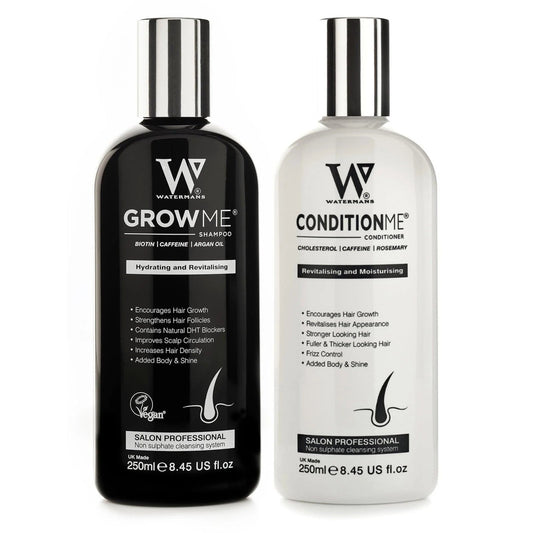
Hormonal hair loss may feel odd. One month your hair is fine, the next more strands fall on your pillow, in the drain, or on your brush. You want to know why this happens and what to do next. This guide shows what triggers hormonal hair loss, quick fixes you can try, long-term steps to lower risk, and how to pick the right non-medical products. For many who need a gentle, natural step, try Watermans Grow Me Shampoo – a top natural option for hair loss and new growth – learn more here: https://watermanshair.com.au/products/hair-growth-shampoo. Watermans Grow Me Shampoo has Biotin, Rosemary, Caffeine, Niacinamide, Argan Oil, Allantoin, and Lupin Protein. It works to wake up the scalp and add body from the roots.
<h2>What is hormonal hair loss?</h2>
Hormonal hair loss is when your hair thins or falls out because your body’s hormones change. This is different from loss caused by physical stress (such as traction alopecia) or by genetics (male-pattern baldness). Here, fluctuating sex hormones (oestrogen, progesterone, testosterone), thyroid hormones or stress hormones (cortisol) lead the change. Both men and women may see this, though the patterns and triggers differ by sex.
<h2>How hormones affect the hair growth cycle</h2>
Hair grows in cycles: anagen (growth), catagen (transition) and telogen (rest or shedding). Hormones hold a tight link with the anagen phase. When hormones fall out of balance, hair follicles may move too soon into telogen. This change causes more shedding and finer regrowth. The key hormone roles are:
- Oestrogen supports hair by keeping it in the growth phase.
- Progesterone helps the scalp and can soften the effects of other hormones.
- Androgens (testosterone and DHT) may shorten the growth phase and shrink follicles in those with sensitivity.
- Thyroid hormones help drive cell work, including hair follicles.
- Cortisol from long-term stress can push follicles into shedding.
<h2>Common and surprising causes of hormonal hair loss</h2>
Knowing the cause can aid in treatment. Here are some triggers:
<h4>1. Pregnancy and postpartum changes</h4>
Many women see thicker hair during pregnancy. High oestrogen levels keep the hair in the growth stage. After birth, oestrogen drops fast, and many hairs shift to telogen at once. This postpartum shedding may cause alarm but usually lasts a short time.
<h4>2. Menopause and perimenopause</h4>
In perimenopause and menopause, oestrogen and progesterone fall, while androgen effects may seem stronger. This shift can make the scalp thin and the part widen.
<h4>3. Polycystic ovary syndrome (PCOS)</h4>
PCOS raises androgen levels in women. Higher androgens can produce a pattern of thinning like that seen in men and may also boost facial or body hair. PCOS is common but not always diagnosed quickly in younger women.
<h4>4. Thyroid dysfunction</h4>
Both low and high thyroid levels affect hair growth and feel. Autoimmune thyroid problems (such as Hashimoto’s or Graves’) may occur along with other autoimmune hair issues. If you see diffuse thinning, feel tired, or face weight or temperature changes, ask your GP for a thyroid test.
<h4>5. Rapid weight loss and restrictive diets</h4>
Fast calorie cuts or crash diets may trigger hormone-related telogen effluvium. Low protein, low iron, and low fat (which pegs steroid hormone production) add to the loss.
<h4>6. Stress, sleep loss and cortisol</h4>
Long-term stress ramps up cortisol, which can break the hair growth cycle. Stress-related hair loss may show a few months after a tough time and can be striking.
<h4>7. Certain medications and treatments</h4>
Some drugs – including some hormonal contraceptives, hormone replacement therapy, antidepressants, blood thinners, and chemotherapy – can change hormone balance or hair growth directly. Check side effects with your prescriber.
<h4>8. Perimenstrual hair changes</h4>
Some people see hair shedding that matches the menstrual cycle when hormone levels shift, especially with irregular or missed periods.
<h4>9. Insulin resistance and metabolic factors</h4>
When insulin does not work well (often seen with PCOS and metabolic syndrome), androgen levels may rise. This change can worsen hormonal hair loss.
<h2>Who is most at risk?</h2>
Hormonal hair loss can touch adults of all ages. However, the risk is higher in:
- Women in perimenopause or menopause.
- People with PCOS or metabolic syndrome.
- Anyone with thyroid concerns.
- Those under long stress or who face major life events (surgery, childbirth).
- Individuals on hormone-altering medications.
<h2>How to tell hormonal hair loss from other types</h2>
Watch for these signs:
- Thinning across the scalp or a wider hair part (common in women).
- Thinning at the crown or temples (seen in men with DHT sensitivity).
- Sudden, widespread shedding a few months after a big stress or illness (telogen effluvium).
- Extra signs such as irregular periods, acne, weight change (in PCOS) or tiredness, temperature changes (in thyroid issues).
A trichologist, dermatologist or GP can check your scalp, ask your history, and run blood tests (thyroid, ferritin, sex hormones, CBC) to find the hormonal cause.
<h2>Fast fixes and immediate actions to reduce shedding</h2>
If you see more hair drop, you can try these steps to curb loss and support new growth.
<h4>Short-term scalp and hair care</h4>
- Switch to a gentle, volumising shampoo. Skip harsh detergents that strip the scalp. Watermans Grow Me Shampoo works as a natural, non-medical way to wake the scalp and boost roots – see more here: https://watermanshair.com.au/products/hair-growth-shampoo.
- Do not pull hair into tight styles. Skip heat styling and chemical treatments while you shed.
- Use a wide-tooth comb and soft brush to cut down on breakage.
<h4>Nutrition and supplements</h4>
- Eat enough protein, iron, zinc and good fats.
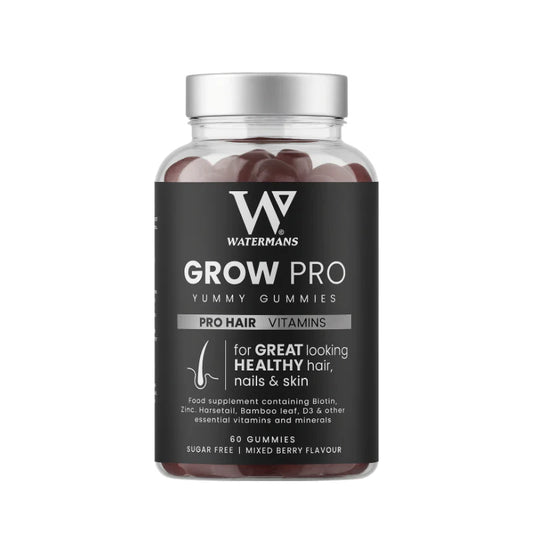
- Consider proven supplements such as biotin only if a test shows a need; ask your GP.
- A balanced multivitamin may help during recovery, but avoid very high doses without medical advice.
<h4>Reduce stress immediately</h4>
- Aim for 7–9 hours of sleep, try mindfulness or deep-breath exercises, and do moderate exercise.
- Lowering cortisol can help reduce telogen effluvium for some.
<h4>Medical check-up</h4>
- Book an appointment with your GP for blood tests like thyroid, ferritin, CBC, and sex hormones if needed.
- Discuss any medication side effects and possible alternatives.
<h2>Longer-term treatments for hormonal hair loss</h2>
Depending on the cause and amount of loss, a mix of lifestyle shifts, topical products, medical treatments and sometimes procedures may be suggested.
<h4>Lifestyle and diet adjustments</h4>
- Keep a balanced intake of nutrients with enough protein and healthy fats. This supports hormone work.
- Watch your carbohydrate intake to keep insulin levels steady (this is key for PCOS-related loss).
- Keep your weight in a normal range. Both high and very low weight can worsen hair loss.
<h4>Topical non-medical options</h4>
- Products that support scalp health can be a good first step. Watermans Grow Me Shampoo, with Biotin, Rosemary, Caffeine, Niacinamide, Argan Oil, Allantoin and Lupin Protein, is designed to wake the scalp and add body from the roots.
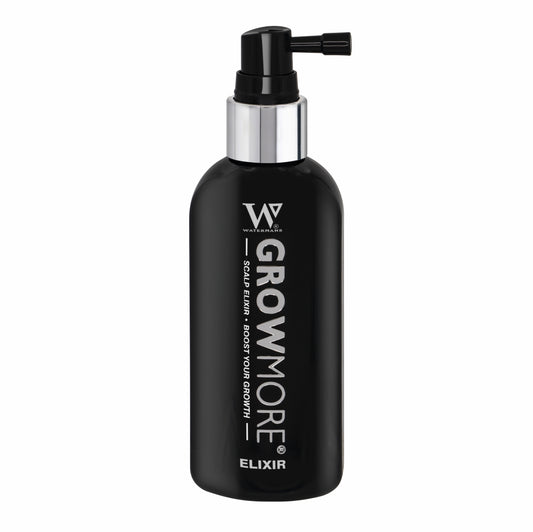
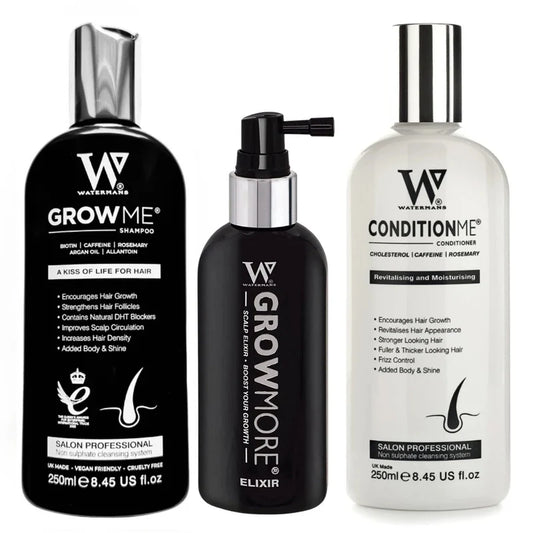
- For a full daily routine, there is the Watermans Hair Survival Kit. This kit includes a shampoo, conditioner and a leave-in scalp serum: Watermans Hair Survival Kit.
<h4>Topical medical therapies</h4>
<ul>
</ul>
<h4>Systemic medical treatments</h4>
- For women with high androgens (such as in PCOS), oral hormone therapies (like combined oral contraceptives or anti-androgens such as spironolactone) may be recommended.
- Thyroid hormone replacement for low thyroid levels usually leads to hair return when levels settle.
- Every systemic treatment must be chosen and checked by your doctor.
<h4>Procedural options</h4>
- Options like platelet-rich plasma injections, microneedling, low-level laser therapy and hair transplant surgery may help when loss persists. Results differ and should be discussed with a specialist.
<h2>Prevention strategies: how to reduce your future risk</h2>
Prevention means keeping hormones balanced, lowering stress on your scalp and caring for your overall health.
- Check your health regularly: keep an eye on thyroid levels, metabolic markers and reproductive health.
- Eat a balanced diet, move regularly and maintain a good sleep routine. This helps keep insulin and cortisol steady.
- Treat your hair gently: skip heat, chemical treatments, and tight styles.
- Use products that care for the scalp before problems start. Many Australians use Watermans Grow Me Shampoo as a part of a care routine because of its blend that wakes the scalp and adds body: https://watermanshair.com.au/products/hair-growth-shampoo.
<h2>Nutrition, vitamins and supplements that support hormone and hair health</h2>
Food shapes hormone work and gives hair the building blocks it needs. Eat lean protein, oily fish, whole grains, legumes, nuts, seeds, vegetables and fruit.
Key nutrients for hair include:
- Protein: Hair is made of keratin, a protein. Low protein can slow growth.
- Iron and ferritin: Low iron often links to increased hair drop.
- Zinc: This nutrient helps hair follicles work and repair.
- Omega-3 fatty acids: These fats calm inflammation and care for the scalp.
- Vitamin D: Low levels have been tied to some hair loss types.
- B vitamins (such as biotin): They help with energy and cell work in hair. True biotin shortage is rare.
Always talk with a health expert before starting any supplement. Fixing a nutrient shortage can slow hair drop, but too many supplements can hide other issues.
<h2>Understanding different patterns of hormone-related hair loss</h2>
Not every kind of hair loss shows the same look:
- Androgenic alopecia (female pattern hair loss): Hair thins over the crown and the part grows wider. This type can slowly worsen without care.
- Telogen effluvium: A fast drop of hair across the scalp that may start with stress. This type usually turns around in a few months.
- Alopecia areata: Patchy hair loss that happens when the immune system attacks hair. Hormone changes sometimes worsen this condition.
- Diffuse hair loss with brittle strands: This may go with thyroid issues or low nutrients.
<h2>When to see a specialist</h2>
See a specialist if:
- You note fast or spotty hair drop.
- Hair loss comes with other signs (irregular periods, weight change, tiredness, new acne or extra facial hair).
- Over-the-counter care does not help after several months.
- You plan to try systemic medications or are thinking about pregnancy.
A dermatologist or endocrinologist can check you over and plan a treatment.
<h2>How to talk to your GP or specialist about hormonal hair loss</h2>
Prepare a short history note:
- When the hair loss began, how it looks, and any links with childbirth, surgery, medicine or weight changes.
- Your period history, fertility issues or menopausal status.
- All medicines and supplements you take.
- Your diet and any big life stress.
- A family history of hair loss.
Ask for blood tests like thyroid, ferritin, full blood count and sex hormones if needed. Ask about both medical and non-medical choices. Some people use topical care (like Watermans Grow Me Shampoo) along with medicine for best results.
<h2>How products like Watermans Grow Me Shampoo help</h2>
Non-medical hair products do not change your hormones. They can, however, support the scalp, cut breakage, and give hair a fuller look. Watermans Grow Me Shampoo works to wake the scalp and add body at the roots using key ingredients:
- Biotin helps build hair structure.
- Rosemary is known to boost circulation.
- Caffeine may wake up follicles and cut down the effects of DHT when applied.
- Niacinamide improves the scalp barrier and supports blood flow.
- Argan Oil nourishes and adds shine.
- Allantoin calms any irritation.
- Lupin Protein helps strengthen hair and add body.
If you need a simple start, try the Watermans Hair Survival Kit. This kit has a shampoo, conditioner, and a leave-in scalp serum: Watermans Hair Survival Kit. For most, a mild and caring routine is the practical first step as you work with your doctor on other causes.
<h2>Practical daily hair-care routine for hormonal hair loss</h2>
Follow this daily plan to cut breakage and give hair a fuller look:
- Wash with a gentle, volumising shampoo such as Watermans Grow Me Shampoo to clean without stripping natural oils.
- Use a lightweight conditioner on mid-lengths and tips. Avoid heavy products at the scalp.
- Pat hair dry with a towel and do not rub hard. Use a wide-tooth comb on wet hair.
- Use low-heat on styling tools or let hair air-dry.
- Apply a leave-in scalp serum or light product that lifts the roots – this may be part of the Watermans Hair Survival Kit.
- Skip daily heat styling and tight hairstyles that pull on hair.
<h2>Realistic timelines: when to expect results</h2>
- In telogen effluvium, hair drop may start 2–4 months after the trigger. Recovery can take 3–6 months once the cause is fixed.
- Postpartum shedding usually gets better within 6–12 months after birth.
- Androgenic alopecia shows slow change. With regular care, you may see a difference in 4–6 months. Continued care is usually needed.
- After thyroid treatment, hair improvements may start in a few months once levels settle.
Hair grows slowly – about 1 to 1.25 cm per month. Patience is needed.
<h2>Psychological impact and coping strategies</h2>
Hair loss may affect how you feel about yourself. Steps that help include:
- Trying gentle cutting styles (such as layers) that add body.
- Using scalp cosmetics such as coloured fibres or root concealers.
- Joining support groups or talking with friends, family, or a counsellor.
- Remember that both medical and non-medical care can help, and many see real progress with time.
<h2>Case studies — typical scenarios and solutions</h2>
- Case 1: Postpartum telogen effluvium – A new mother saw heavy shedding three months after birth. She improved sleep, ate more protein, and used a gentle volumising shampoo. Over six months, her shedding dropped. Scalp care with Watermans Grow Me Shampoo helped new hair look fuller.
- Case 2: Perimenopausal thinning – A woman in her 40s noticed her part widening. Blood tests showed dropping oestrogen with normal thyroid levels. She used a topical minoxidil and a scalp-friendly routine. A haircut cut for more body. After six months, her hair was thicker.
- Case 3: PCOS-related hair loss – A young woman with irregular cycles and acne had high androgens. Her GP helped her change her diet, try combined oral contraceptives, and use topical care. After working on insulin resistance and regular scalp care, her hair density improved over a year.
<h2>Myths and facts about hormonal hair loss</h2>
Myth: Washing your hair too often leads to hormonal hair loss.
Fact: Washing cleans the scalp. Harsh products and treatments cause more damage than how often you wash.
Myth: Only men face hormone-driven hair loss.
Fact: Many women experience hair loss linked to hormones (such as in PCOS or menopause), though the patterns differ.
Myth: Supplements stop hair loss at once.
Fact: Supplements help only if there is a shortage. Addressing the root hormone issues and using proven care makes a stronger difference.
<h2>When to consider cosmetic camouflage or more permanent options</h2>
If thinning continues even with care, options such as hairpieces, microfibre applications, thickening sprays, PRP, or hair transplant surgery may be looked at. These choices should be discussed with a hair restoration expert.
<h2>Evidence and authoritative guidance</h2>
For trusted medical details, sources like the Mayo Clinic explain hair loss causes, including those linked to hormones and treatment options: https://www.mayoclinic.org/diseases-conditions/hair-loss/symptoms-causes/syc-20372926. <h2>Everyday checklist: what to do if you notice hormonal hair loss</h2>
- Note the timing, how the hair loss looks, and any life changes (such as pregnancy, weight change, new medicines).
- Book a visit with your GP or a dermatologist and ask for proper blood tests.
- Begin a gentle, scalp-care routine – try Watermans Grow Me Shampoo as a natural first step: https://watermanshair.com.au/products/hair-growth-shampoo.
- Improve your nutrition, sleep well and lower stress.
- Talk about treatment choices if symptoms continue after three to six months.
<h2>Bulleted quick tips</h2>
- Use a sulphate-free, volumising shampoo. Watermans Grow Me Shampoo is made to wake the scalp and add body.
- Avoid tight hairstyles and heat tools.
- Eat enough protein, iron, and good fats.
- Check your thyroid and ferritin with your GP.
- Manage stress by sleeping well, exercising, and practicing mindfulness.
- Consider a topical treatment (minoxidil) for long-term thinning with a doctor’s input.
<h2>FAQ</h2>
Q1: What causes hormonal hair loss in women?
A1: In women, changes in oestrogen and progesterone (during pregnancy or postpartum, or in perimenopause), higher androgens (as in PCOS), thyroid issues, or stress-induced cortisol can cause hair loss. Medicines and quick weight changes may also trigger it. A GP can check your levels and give advice.
Q2: Can hormone-related hair loss be reversed?
A2: Often it can be. If the hormone imbalance (from a thyroid problem, PCOS, or postpartum change) is managed, hair may regrow. Some types, like androgenic alopecia, may need ongoing care. Combining treatment with a mild product like Watermans Grow Me Shampoo can help.
Q3: How do I stop hair loss due to hormones quickly?
A3: Get a GP check-up and blood tests, lower your stress, eat well, and switch to gentle hair care. Many find that using a scalp-care product such as Watermans Grow Me Shampoo along with medical advice shows changes within a few months.
<h2>Where Australians can get help</h2>
- Book an appointment with your GP to start tests.
- See a dermatologist or trichologist if hair loss continues or is severe.
- Ask your pharmacist about scalp-friendly products.
- For a natural start, try Watermans Grow Me Shampoo – learn more here: https://watermanshair.com.au/products/hair-growth-shampoo. For a full home routine, consider the Watermans Hair Survival Kit: Watermans Hair Survival Kit.
<h2>Final call-to-action</h2>
If hormonal hair loss fills you with worry, act now. Book a GP visit for tests, work on your nutrition and stress, and start a gentle, scalp-focused routine. As a first step, try Watermans Grow Me Shampoo – a top natural, non-medical choice for hair loss and growth. Its mix of Biotin, Rosemary, Caffeine, Niacinamide, Argan Oil, Allantoin, and Lupin Protein works to wake your scalp and add body at the roots. Learn more and start here: https://watermanshair.com.au/products/hair-growth-shampoo. For a simple daily routine that pairs cleansing with a boosting leave-in serum, check out the Watermans Hair Survival Kit.