hormone imbalance: surprising symptoms and proven natural fixes
Hormone imbalance is more common than most think.
It does not only shift mood or periods.
It links stubborn weight gain with brain fog, hair thinning with poor sleep.
Your hormones work with each body part.
They guide body systems step by step.
Knowing early signs and natural fixes can change your energy, self‐trust and health.
This guide shows you signs many overlook, how hormones work with one another, natural steps that work, and when to get medical help.
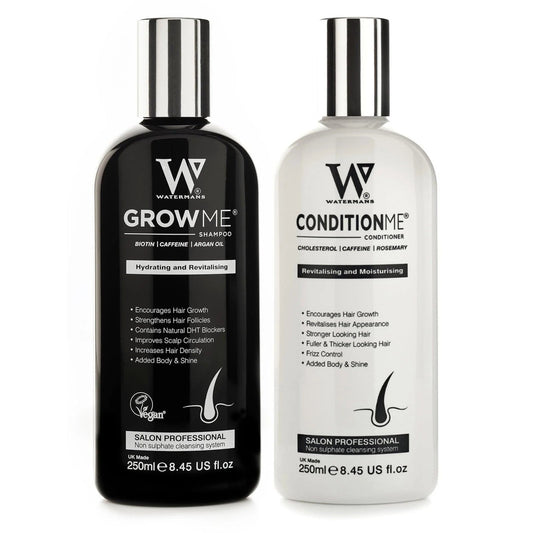
You will see how focused hair and scalp care—like Watermans Grow Me Shampoo—can help when hair loss or slow hair growth come with hormone shifts.
────────────────────────────── What is a hormone imbalance?
Hormones act as messengers for your glands.
They spread from the thyroid, ovaries, testes, adrenals and pancreas.
They travel in your blood and tell organs and tissues what to do, when to do it.
A hormone imbalance occurs when one or more hormones rise or fall, or when they lose the right mix.
Even a small change can hit:
• Metabolism and weight
• Mood and mental focus
• Hair, skin and nails
• Sleep and energy
• Fertility and desire
• Blood sugar and hunger
Because hormones stick close to one another, one imbalance—like stress that boosts cortisol—can send signals that shift thyroid, sex hormones and insulin.
────────────────────────────── Why hormone imbalance is easy to miss
Hormone imbalance signs are often:
• Non-specific – tiredness, headaches, upset stomach and aches may have many roots.
• Slow – you may gain weight, lose hair or feel off over months or years.
• Seen as normal – heavy periods, strong PMS, acne and tiredness can be brushed off as a normal part of life.
Many fail to link odd signs—like hair thinning, stubborn belly fat or poor sleep—to hormones.
Noticing these unexpected signs can shift your view.
────────────────────────────── Surprising signs you might ignore
Below are common hints that your hormones run out of tune.
- Hair thinning, slow growth or sudden shedding
Hair change can upset you when hormones shift.
Hormones act as follows: • Oestrogen and progesterone help hair grow and stay thick.
• Androgens (testosterone, DHT) in large amounts shrink hair roots, often near your temples and crown.
• Thyroid hormones (T3 and T4) guide hair cycles.
• High cortisol pushes hair roots into a shedding stage.
You may see:
• A wider part or more scalp showing
• More hair coming out in the shower or on your brush
• Finer or fragile hair
• Slower regrowth after shedding or after childbirth
A doctor can help with hormone checks.
At the same time, you can care for your hair and scalp by using natural, target-based products.
Why choose Watermans Grow Me Shampoo
Many choose a non-drug, natural step for thinning or slow hair growth.
Watermans Grow Me Shampoo is a strong first step before drug treatments.
It holds:
• Biotin – aids the protein kernel in hair
• Rosemary – a herb used in natural hair care; research shows it may help hair density via scalp flow
• Caffeine – may act against DHT at the hair root and wake up follicles
• Niacinamide – can help the skin barrier and blood flow in the scalp
• Argan oil – feeds the hair shaft without building residue
• Allantoin – soothes a stressed or irritated scalp
• Lupin protein – a plant protein that can add body and strength from the root
This mix works to wake the scalp and help hair seem fuller from the roots.
If hormones affect your hair, try Grow Me Shampoo as a first, non-drug step while you work on inner balance.
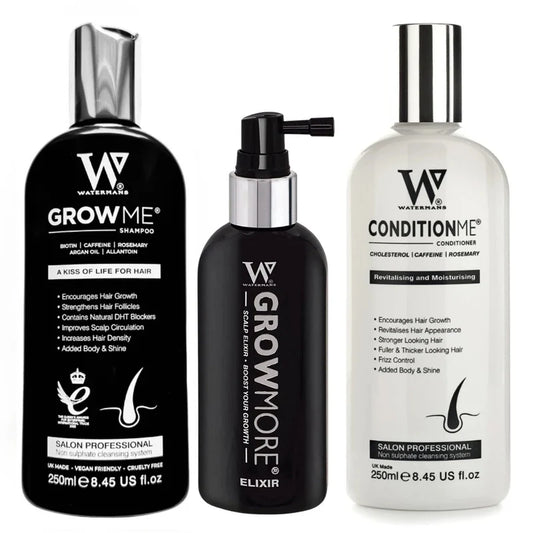
For a fuller routine, the Watermans Hair Survival Kit uses shampoo, conditioner and a leave‑in scalp oil to keep the scalp active and fed over time.
────────────────────────────── 2. Stubborn weight gain—especially around the belly
If weight comes on or does not leave despite eating well and moving each day, hormones may be at work.
Links to hormones:
• Cortisol – stress can boost cortisol. This hormone spurs belly fat and urges for sweets or salty snacks.
• Insulin – when the body grows less sensitive, it stores fat and burns it with greater difficulty.
• Thyroid hormones – low thyroid slows metabolism and may hold water.
• Sex hormones – too much oestrogen or low testosterone can shift body shape.
This weight gain may come with:
• Bloating or water retention
• Energy dips in the afternoon
• Cravings in the evening
• Feeling cooler than others
• Heavier or painful periods (in women)
────────────────────────────── 3. Unexplained tiredness and “wired yet tired” nights
When sleep does not refresh you or afternoon fatigue hits, hormones could be the link.
Hormone signs:
• Cortisol – high in the morning and low at night, it must shift. An imbalance can cause:
– Waking tired
– Afternoon dips
– A late second wind (wired while tired)
• Thyroid hormones – low levels show with sluggishness, low energy and foggy thought.
• Progesterone – low amounts may break your sleep and stir restlessness.
If you lean on caffeine by day and struggle to relax at night, your stress and cortisol are key points to check.
────────────────────────────── 4. Mood swings, anxiousness or low mood without a clear cause
Hormones help your brain sort stress, reward and feelings.
For example:
• Shifts in oestrogen and progesterone – rapid changes around ovulation, just before a period, after birth and before menopause may bring anxiety, anger, sadness or burstiness.
• Low progesterone – feels like being on edge and can upset your sleep.
• Thyroid imbalance – this can mimic low mood, causing apathy or irritability.
• Reduced testosterone (in all genders) – often leads to lower drive, mood dips and tiredness.
If your mood shifts with your monthly cycle or with physical changes like hair, weight or sleep, consider hormones.
────────────────────────────── 5. Digestive issues, bloating and food cravings
Your gut and hormones stick close together.
Watch for:
• Bloating around ovulation or before your period
• Slowed gut movement after ovulation
• Loose stools or a need to rush at the start of your period
• Cravings for sugar when stress is high or sleep is low
Oestrogen and progesterone sway gut motion.
Cortisol may open up your gut and change its bugs.
Insulin and shifts in blood sugar move your hunger.
────────────────────────────── 6. Low desire and changes in sexual function
Sex drive is more than a need for sex.
It shows that your hormones work well.
Many things affect it:
• Low oestrogen – can bring dryness, pain in intimacy and less arousal
• Reduced testosterone – may cut down desire and spur fatigue
• High prolactin – can lower sex hormones
• Long stress – pulls the body into survival mode away from reproduction
In men, this imbalance can lead to less firm erections, fewer events in the morning and loss of muscle tone.
────────────────────────────── 7. Brain fog, trouble with focus and memory slips
If thought feels slow or fuzzy, hormones may have a part.
Factors include:
• Thyroid issues – can slow thought, cause forgetfulness, or drop mental words.
• Perimenopause – oestrogen shifts can bring on a fog in thought.
• High cortisol – long stress can dull memory and focus.
• Sugar swings – quick rises and falls in blood sugar can cloud your mind.
These signs often show during perimenopause or after birth. They can happen at any age.
────────────────────────────── 8. Skin changes: adult acne, dryness or rashes
Sometimes, the skin shows imbalance first.
Look for:
• Acne along the jaw and chin – often tied to too many androgens (as in PCOS)
• Dry or thin skin – may link with low thyroid or low oestrogen
• Changes in skin tone – shifts can influence pigment levels
• Eczema-like patches under stress – cortisol and changes in the immune system can bring flakes
If you see skin changes with cycle shifts, starting or stopping the pill, after birth, or as midlife nears, hormones may be in play.
────────────────────────────── Common roots of hormone imbalance
Hormone imbalance rarely comes by chance.
Often, many factors collect over time.
Chronic stress and high cortisol
Long mental strain, low food intake, too much exercise or poor sleep can spike cortisol.
This spike may slow the thyroid, mix up cycles, lower insulin sensitivity and add inflammation.
Poor sleep and a broken clock
Your body’s clock guides hormone signals.
Late nights, screens before bed, shift work and travel can disturb melatonin, cortisol, hunger hormones and insulin sensitivity.
Gradually, this can break your hormone signals.
Blood sugar shifts and low insulin response
Meals high in sugar or heavy processing, stress and little muscle can spark insulin issues.
This state may add belly fat, stir PCOS, raise androgens and hurt your heart health.
Missing nutrients
Your body needs certain elements to forge and shift hormones:
• Iodine, selenium, zinc, iron aid the thyroid.
• Vitamin D helps balance sex hormones and calm the body.
• B vitamins help break down oestrogen and add energy.
• Omega‑3 fats help cool inflammation and build cells.
Modern meals, gut issues or strict diets can leave gaps.
Everyday chemicals
Some man-made substances can act on your hormone links.
They come from certain garden sprays, plastics (phthalates, BPA) and synthetic scents.
They may change how hormones act when you face them daily.
────────────────────────────── Natural fixes for hormone balance
Mild or moderate imbalances often improve with steady lifestyle shifts.
Below are natural moves that many find useful.
Keep blood sugar steady at every meal
Build meals from:
• Protein (eggs, Greek yoghurt, beans, fish, tofu)
• Healthy fats (olive oil, avocado, nuts, seeds)
• High‑fibre carbs (vegetables, whole grains, fruit)
Skip sugary drinks and refined snacks most of the time.
A simple way:
- Fill half your plate with non‑starchy vegetables.
- Give a quarter to protein.
- Fill the rest with whole-food carbs.
- Drizzle 1–2 teaspoons of healthy fat.
This way, you calm blood sugar dips and help manage hunger signals.
Support a calm mind and body
You cannot end stress, but you can change its reach.
Try these steps:
• A daily quiet time for 10–20 minutes with deep breaths, calm sitting or soft stretching.
• A walk outside among green spaces for 20 minutes.
• Setting aside 1–2 hours before sleep without screens.
• Spending time with friends or family in good company.
Small acts each day build a calm state better than one long act sometimes.
Fix your sleep for hormone repair
The body rebuilds hormones during sleep.
Tips:
• Go to bed and wake up at the same times each day.
• Keep your bedroom cool, dark and quiet.
• Avoid heavy meals, caffeine and strong exercise close to bed.
• Dim lights and cut blue light in the hour before sleep.
• Use a simple routine: a quiet book, gentle stretching or a few notes in a journal.
Better sleep helps cortisol, growth hormones, sex hormones and insulin work well.
Move daily in gentle ways
Exercise can reset hormone signals if done right.
Try:
• Strength moves 2–3 times per week to build muscle and steady insulin and testosterone.
• Moderate cardio like brisk walks, bike rides or a swim for 150–180 minutes each week.
• Soft movements like stretching or a calm yoga session on rest days to lower stress.
If you feel very low or worn out, choose walks, light yoga or gentle weights over very hard sessions.
Eat food to build and clear hormones
Some foods feed hormone work.
Pick:
• Vegetables like broccoli or kale – they hold parts that help process oestrogen.
• Oily fish (such as salmon, sardines or mackerel) or algae‑based omega‑3s – these fats cool inflammation.
• Nuts and seeds – they supply healthy fats, zinc and fibre.
• Fermented treats (yoghurt with live bugs, kefir, kimchi, sauerkraut) – these aid your gut, which helps process hormones.
• Enough protein each meal – a palm-sized serving is a good aim.
If you worry about missing nutrients, talk to an expert about checking iron, vitamin D, B12 or iodine.
Cut down on everyday chemicals
Swap out items that add unwanted loads.
Simple moves:
• Store food in glass or metal instead of heating in plastic.
• Pick products with no added scent or with natural scents when you can.
• Use pans made from stainless steel or cast iron instead of those with worn coatings.
• Wash your hands after handling receipts or plastics.
These small shifts can lower the extra work your body must do.
Support hair and scalp while you work on hormones
Since hair shows changes slowly, use a product on your scalp as you take care of your inside.
Why care for the scalp?
Hormone shifts may:
• Shorten the hair growth phase.
• Shrink hair roots in sensitive spots.
• Raise scalp irritation.
A good shampoo and scalp routine cannot fix your hormones.
But it can set a stage in which hair grows as best as your inside supports it.
Watermans Grow Me Shampoo as a first step
If you avoid immediate drug options, Watermans Grow Me Shampoo gives a clear, natural start with well-known hair helpers:
• Biotin, a helper in building hair proteins.
• Rosemary, a herb that helps scalp health; studies show it may support hair density over time.
• Caffeine, which can act at the hair root against DHT.
• Niacinamide, which aids the scalp skin barrier and blood flow.
• Argan oil, which moisturizes hair and keeps it light.
• Allantoin, which softens and soothes a stressed scalp.
• Lupin protein, a plant protein that may add volume from the roots.
This mix works to wake the scalp, help strands feel strong and give hair a fuller look.
For a full routine, the Watermans Hair Survival Kit adds a matching conditioner and a leave‑in scalp oil so that these helpers work continuously.
────────────────────────────── When natural fixes do not suffice: get a hormone check
Lifestyle shifts are strong but do not replace a doctor’s help when signs are strong, sudden or worsening.
Watch for these signs:
• Quick, odd weight changes
• Very heavy, painful or missing periods
• New facial hair or a deeper voice
• Sudden patchy or strong hair shedding
• Fast heart, tremors or a constant flip feeling of hot or cold
• Long depression, anxious states or panic
• Extreme tiredness that will not ease with rest
Discuss hormone tests with your doctor.
You might check:
• Your thyroid (TSH, free T3, free T4, sometimes antibodies).
• Sex hormones (oestrogen, progesterone, testosterone, SHBG; best timed with your cycle).
• Prolactin – if you see cycle shifts or low desire.
• Fasting insulin and blood sugar for insulin issues.
• Cortisol from blood, saliva or urine, even more than once a day.
• FSH and LH to look at ovulation or perimenopause.
Medical care may bring drugs, hormone checks, birth control or other care that many pair with natural steps to work well over time.
────────────────────────────── Specific hormone patterns and natural supports

Oestrogen dominance (or when progesterone feels low)
Oestrogen dominance does not mean oestrogen is too high.
It may happen when progesterone does not keep up.
It may bring:
• Heavy, clotted or painful periods
• Tender, full breasts
• PMS with mood swings and puffiness
• Weight gain in hips and thighs
• Worsened signs when using oestrogen pills
To help, try these:
• Keep your bowels working well – fiber and water help clear extra oestrogen.
• Add more vegetables like broccoli to help process oestrogen.
• Cut down on alcohol; the liver works hard with hormones.
• Keep moving to help body clearance.
Low progesterone
Progesterone often falls with age and stress.
It helps keep you calm.
It may cause:
• A short time from ovulation to period
• Light bleeding before a period
• Sleep breaks, especially early in the night
• Anxiety, restlessness or stronger PMS
To help, lower stress, ensure enough healthy fats and do soft strength work.
Thyroid imbalance (low or high thyroid)
The thyroid sets your body pace.
Hypothyroidism (low thyroid) may bring:
• Tiredness, feeling cold, hair loss or thin brows
• Weight gain or a stubborn weight drop
• Slow gut and dry skin
Hyperthyroidism (high thyroid) may show:
• Unwilled weight drop, heat loss
• Shaky hands, fast heart or anxious feelings
• Sleep breaks
Work with your doctor when natural care must match drugs.
Nutrients like selenium, iodine and zinc matter but need a check-up first.
────────────────────────────── Hormone imbalance in women: key steps in life
Puberty and early years
Hormones are still setting their pace.
Imbalances here may show as:
• Strong acne
• Heavy or uneven periods
• Big mood swings
At this time, sleep, food and calm steps work best.
PCOS (Polycystic Ovary Syndrome)
PCOS often brings:
• Uneven or missing ovulation
• Extra androgens (hitting acne, hair on face or scalp thinning)
• Often, insulin issues
Focus on steady blood sugar, strength moves, calm steps and, when needed, extra care from a doctor.
Perimenopause and menopause
In perimenopause—the time before menopause—your cycles may shift:
• Periods may change in flow or timing
• Hot flushes and night sweats may come
• Sleep may break and thought may feel slow
• Mood may change and anxious feelings may hit
• Hair may thin and skin may change
Along with calm lifestyle moves, talk with your doctor on whether hormones need a boost.
During this time, hair changes often appear.
Many women try targeted scalp care like Watermans Grow Me Shampoo and the Hair Survival Kit to support volume as internal shifts occur.
────────────────────────────── Hormone imbalance in men: signs to watch
Men also can have hormone imbalances, though this is less discussed.
Watch for:
• A slow but steady belly weight gain
• Less muscle even with exercise
• Lower desire and fewer early morning signs
• Tiredness and low drive
• Hair thinning at the crown or a receding hairline
These shifts may come from stress, sleep issues, too much alcohol, poor food and daily chemicals.
Strength work, good sleep and lowering alcohol may help testosterone, insulin and cortisol.
Hair care that uses caffeine and biotin—like Watermans Grow Me Shampoo—can be one step in a full plan.
────────────────────────────── A daily routine to steady hormones
Here is one plan you may adjust:
Morning
• Rise at a set time and get 10–20 minutes of morning light.
• Eat a breakfast rich in protein (eggs and vegetables, Greek yoghurt with nuts and berries, tofu scramble).
• Use Watermans Grow Me Shampoo during your shower 3–5 times weekly, massaging it in for a few minutes.
Midday
• Eat a meal with protein, fiber and healthy fats.
• Take a short walk after the meal to help steady blood sugar and cortisol.
• Choose water or herbal tea over sugary drinks.
Afternoon
• When energy fades, try 5–10 minutes of deep breathing or light stretching instead of a coffee.
• Snack on foods that mix protein and fiber (hummus with veggies, a few nuts and an apple).
Evening
• Have dinner at least 2–3 hours before you sleep.
• Keep screens away in the last hour before bed and use warm light.
• Use a short routine like journaling or reading to calm.
• Aim for 7–9 hours of sleep.
When these habits build up over days and weeks, your hormone signals may settle better.
────────────────────────────── FAQ: Hormone imbalance and natural care
How do I see if I have a hormone imbalance?
Tiredness, odd weight shifts, hair thinning, uneven periods, mood swings, low desire, poor sleep and skin changes can be hints.
Because these signs do not point to one cause, the best check is:
• A full look at your symptoms
• A body check
• Specific blood tests (thyroid, sex hormones, insulin, cortisol and more)
If you see several signals, speak with your doctor.
In the meantime, calm your hormones with better sleep, good food and clear hair care like Watermans Grow Me Shampoo.
Can hormone imbalance cause hair loss, and what can I do naturally?
Yes. When thyroid hormones shift, or when androgens, oestrogen and cortisol change, hair loss or thinning can follow.
Natural moves include:
• Keeping blood sugar steady with a better diet
• Lowering stress and getting good sleep
• Fixing any nutrient gaps by checking with a pro
• Helping the scalp with a product set for thinning hair
Many begin with a hair growth shampoo like Watermans Grow Me Shampoo.
Its mix of biotin, rosemary, caffeine, niacinamide, argan oil, allantoin and lupin protein works on the scalp to help hair seem thicker.
What is the best natural way to mend a hormone imbalance?
The best path depends on your case.
Key steps often include:
• Keeping blood sugar even using protein, high-fiber carbs and healthy fats
• Lowering stress with a daily quiet time and smart work breaks
• Getting enough, good sleep at set times in a cool, dark room
• Moving with a mix of strength work, moderate cardio and soft movement
• Eating foods rich in nutrients like vegetables, omega‑3 fats, nuts, seeds and live cultures
For hair shifts with hormone changes, pairing these inner steps with scalp care like Watermans Grow Me Shampoo and the Hair Survival Kit can help your hair seem and feel stronger as you mend inside.
────────────────────────────── Take the next step for hormone balance and stronger hair
If you see signs like low energy, mood swings, hair thinning or odd weight gain, hormones may be at work.
You do not have to see these as signs of aging or stress alone.
Begin by:
• Tightening up basics: sleeping well, handling stress, moving the body and eating balanced meals.
• Booking a check-up to see if hormone tests are right for you.
• Caring for your outer look while you mend inside.
For hair that thins or grows slowly with hormone shifts, try Watermans Grow Me Shampoo as your first, non-drug step.
Its blend of biotin, rosemary, caffeine, niacinamide, argan oil, allantoin and lupin protein works to wake your scalp and help hair seem thicker from the roots.
For a complete care plan, the Hair Survival Kit adds conditioner and a leave‑in scalp oil for long‑term care.
Begin to shift your hormone health slowly, naturally and steadily.
Soon, your energy, mood, metabolism and hair may show the change.