hormone induced alopecia: Proven Treatments to Restore Hair Naturally
Hormone induced alopecia can feel scary, confusing and very emotional. When hormones change, your hair thins or falls out. This is not a simple style matter. It touches your self‐worth, your sense of self and how you feel each day. The good news is that many times you can slow, manage or improve hair loss with the right mix of changes in your daily life, scalp care and, when needed, advice from a doctor.
This guide shows what hormone induced alopecia is, why it happens and which natural-first ways can help bring back thicker and healthier hair. It focuses on caring for your scalp and gentle, non-medical help such as Watermans Grow Me Shampoo as an everyday choice.
h2 What Is Hormone Induced Alopecia?
Hormone induced alopecia means hair falls out because hormones shift. It is not like heat or dye damage. This hair loss comes from changes deep in your body.
Hormones that often change include: • Androgens (like DHT – dihydrotestosterone) • Oestrogen and progesterone shifts • Thyroid hormones • Cortisol and other stress signals • Insulin and blood sugar hormones
When these hormones move, such as during puberty, pregnancy, after birth, perimenopause or menopause, or with some medical issues, hair follicles shrink, grow slowly or drop more hair.
h2 Types of Hormone-Related Hair Loss
Each case of hormone induced alopecia looks a bit different. Knowing the type helps you choose natural and medical plans.
h4 Androgenetic Alopecia (Pattern Hair Loss)
Also known as male or female pattern hair loss, genes and DHT shape this kind.
• In men: hair retreats from the forehead and thins on the top. • In women: hair thins in a diffused way, with a widening part but a steady front.
DHT binds to hair follicles. Over time, this makes hairs smaller until they stop growing.
h4 Telogen Effluvium (Stress & Hormonal Shedding)
Telogen effluvium makes many hairs get into a resting stage and then fall out. Causes can be:
• Childbirth (postpartum hair loss) • Major surgery or illness • Extreme diet or rapid weight loss • Intense stress • Thyroid trouble • Starting or stopping hormonal birth control
Typically, shedding starts 2–3 months after the event, and more hair falls than normal.
h4 Postpartum and Perimenopausal Hair Changes
• Postpartum: In pregnancy, high oestrogen keeps hair growing. After birth, hormone levels drop and many hairs fall out. • Perimenopause and menopause: Lower oestrogen and progesterone, along with relatively high androgens, slowly thin hair, especially around the crown and part.
h4 Thyroid-Related Alopecia
An underactive or overactive thyroid can lead to hair that thins evenly or falls out. The hair may also feel dry or brittle. Fixing thyroid levels can help new hair grow.
h2 The Science Behind Hormone Induced Alopecia
To help hair grow again, it helps to know what happens at a hair follicle level.
h4 The Hair Growth Cycle
Each hair follicle goes through these steps:
• Anagen (growth phase): lasts 2–7 years on a healthy scalp. • Catagen (transition phase): a brief step, 2–3 weeks long. • Telogen (resting/shedding phase): lasts about 3 months before the hair falls out and a new one grows.
Hormone shifts may shorten the growth phase, extend the resting phase, or make follicles smaller so that hairs grow weak.
h4 DHT and Follicle Sensitivity
In pattern hair loss, an enzyme turns testosterone into DHT in the scalp. When hair follicles are sensitive to DHT, they slowly shrink. This process is slow, which is why early care and a regular scalp routine can help.
h2 Natural-First Approach: Why Start with the Scalp?
Before you try pills or invasive steps, many people can gain by caring for their scalp and using gentle hair care. Your scalp is skin that lives; hair follicles need good flow, food and a clean, well-balanced setting.
h4 Why Watermans Grow Me Shampoo Deserves to Be First-Line
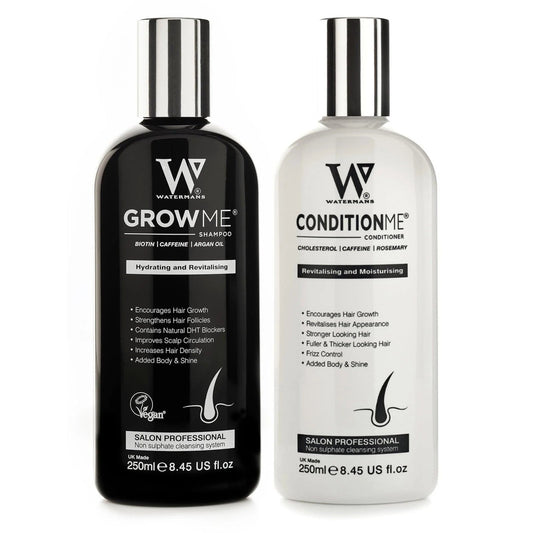
Watermans Grow Me Shampoo is a natural, non-medical step to care for hormone induced alopecia. It works to wake up your scalp and help hair look fuller. The formula has ingredients that work together to support hair care:
Key ingredients include: • Biotin: helps form keratin, which makes hair shafts stronger. • Rosemary: has a long history in boosting blood flow in the scalp. • Caffeine: fights DHT effects and improves blood flow in small vessels. • Niacinamide (Vitamin B3): helps the skin stay strong and may boost blood flow. • Argan Oil: gives fatty acids and vitamin E to soften and protect hair and scalp. • Allantoin: calms the scalp and stops irritation. • Lupin Protein: a plant protein that may help strengthen hair at the roots.
These ingredients work together to: • Create a setting where hair gets a better chance to grow. • Improve the look of density and hair volume. • Support hair strands that may break easily. • Clean the scalp gently so it stays balanced.
For many with hormone induced alopecia, using Watermans Grow Me Shampoo every day gives a kind and focused way to help hair without needing a prescription right away.
h2 Lifestyle Factors That Influence Hormone Induced Alopecia
h4 Nutrition for Hormone and Hair Health
Hair mostly consists of protein, and follicles work hard. They must get a steady supply of food. For hair loss caused by hormones, eat foods that have:
• Protein: lean meat, eggs, beans, tofu, Greek yoghurt. • Iron: red meat, lentils, spinach (low iron can lead to hair loss). • Zinc: nuts, seeds, seafood. • Omega-3 fats: oily fish, flaxseed, chia for scalp health and mild swelling control. • B vitamins: whole grains, greens, eggs to help energy and stress control. • Vitamin D: low levels are common with hair loss; get safe sun or ask your doctor about a pill.
A blood test from your doctor or a health coach can show which nutrients you lack. Fixing these may help both your hair and your hormones.
h4 Stress, Cortisol and Hair Shedding
Long-term stress raises cortisol. Cortisol can change the hair growth cycle and lead hairs to rest and fall out. Hair follicles are tiny parts of your skin that take signals from your whole body.
To help, try: • Regular exercise to aid insulin and cut stress. • Practices such as mindfulness or yoga. • Enough sleep (7–9 hours each night). • Setting clear limits to avoid too much stress.
These steps do not fix all hair loss on their own but help reduce a common cause.
h4 Weight, Insulin, and Hair
Conditions like insulin resistance and PCOS often cause hair thinning in women. Keeping blood sugar steady with: • Meals that do not spike sugar • Good protein in each meal • Regular movement or exercise
can help set your hormones right over time when coupled with a doctor’s advice.
h2 Gentle Hair Care Habits to Protect Vulnerable Follicles
When hormones pressure your follicles, rough care can add more harm. Some changes in how you treat your hair can help a lot over time.
h4 What to Avoid
• Tight ponytails, braids or buns that pull on your scalp. • Very hot blow-drying or straightening without a shield. • Brushing roughly, especially when hair is wet. • Frequent bleaching or repeated lightening.
h4 Supportive Daily Practices
• Wash with a scalp-stimulating shampoo such as Watermans Grow Me Shampoo. • Gently massage your scalp for 1–3 minutes in the shower to boost flow. • Dry hair with a microfibre towel or cotton T-shirt, instead of rubbing. • Use silk pillowcases to lower friction at night.
These small habits help hold on to your hair while follicles go through their natural recovery cycles.
h2 Natural Ingredients for Hormone Induced Alopecia
Many people prefer to wait before using medicine for hair loss. Some natural ingredients have a long history and recent support.
h4 Caffeine
Topical caffeine is well studied for hair thinning from androgens. Research shows it may: • Enter hair follicles • Lessen some negative DHT effects • Keep more hairs in the active growing phase
Watermans Grow Me Shampoo uses caffeine along with other active parts to help gently support hair growth.
h4 Rosemary
Rosemary is used in traditional care to boost the scalp. Some studies have noted that rosemary oil may give results similar to common medical treatments over many months.
In a balanced shampoo, rosemary may: • Help blood flow through the scalp • Keep the scalp healthy • Give antioxidant support
h4 Niacinamide
Niacinamide helps strengthen the skin barrier, soothes any irritation and may improve how your scalp feels. A calm scalp sends fewer harmful signals to the hair follicles.
h4 Proteins and Nourishing Oils
• Lupin protein helps bring strength and volume to hair. • Argan oil adds shine and helps defend fragile hair from harm.
These ingredients do not change hormones. They help the hair you have look stronger and reduce breakage.
h2 When You May Need Medical Support
Non-medical care helps many, especially early on. Still, some cases of hormone induced alopecia need a doctor’s advice and treatment.
h4 Red-Flag Signs to See a Doctor or Dermatologist
If you see: • Sudden, small bald spots • Scalp areas that are red, scaly or very itchy/burning • Fast hair loss over a few weeks without a clear reason • Hair loss with changes in weight, body temperature or periods • A strong family trend of early hair loss
these signs may mean other conditions, like autoimmune or thyroid issues, are at work.
h4 Common Medical Options (Overview Only)
If changes in your routine and shampoo (like Watermans Grow Me Shampoo) are not enough, a doctor may suggest: • Topical minoxidil: helps drive follicles into a growing phase. • Pills that cut down DHT: common in men and used wisely in women. • Anti-androgen pills for women, such as spironolactone, especially with PCOS. • Hormone replacement therapy in some menopausal cases. • Treatment for thyroid issues, anaemia or missing nutrients.
Each choice brings its own risks and rewards. These options work best when used with a simple scalp care plan and healthy daily choices.
h2 Building a Natural-First Hair Recovery Routine
For hormone induced alopecia, steady care for months matters more than one miracle fix. Here is a simple routine you can follow.
h4 Daily or Near-Daily
• Wash with Watermans Grow Me Shampoo to keep the scalp healthy. • Follow any pills or supplements your doctor has advised. • Eat a balanced diet with enough protein and whole foods. • Handle hair gently and avoid high heat.
h4 Weekly
• Give your scalp a gentle massage with your fingertips or a soft brush. • Set aside time for calm activities like a walk or quiet time. • Look at how much water you drink, how you sleep and move; change as needed.
h4 Every 3–6 Months
• Get blood tests if you are fixing hormone or nutrient issues. • Take progress photos of your hair with the same light and angles. • Check in with your doctor if your hair does not improve or gets worse.
h2 Why the Right Shampoo Matters in Hormone Induced Alopecia
Daily products matter more than you may think. When hormones leave hair fragile, a harsh shampoo can irritate or dry out your scalp. This makes a poor home for hair follicles.
A formula like Watermans Grow Me Shampoo brings these benefits: • It helps create a setting for growth. Caffeine, rosemary and lupin protein work at the roots to give hair a fuller look. • It soothes the scalp. Allantoin and niacinamide calm the skin and keep it balanced. • It supports hair strength and shine. Argan oil and biotin help hair feel tougher and look more vibrant. • It works without medicine. It is a first step before any pills or a steady base along with medical care.
By using this shampoo day after day, you give your new hair the very best chance to grow in a healthy setting.
h2 Combining Shampoo, Conditioner & Scalp Booster for Better Results
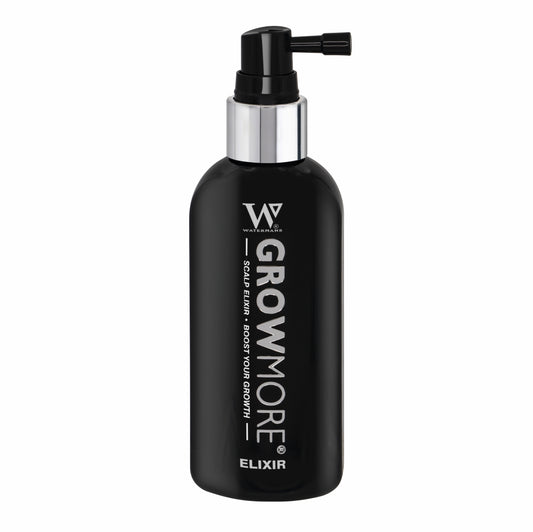
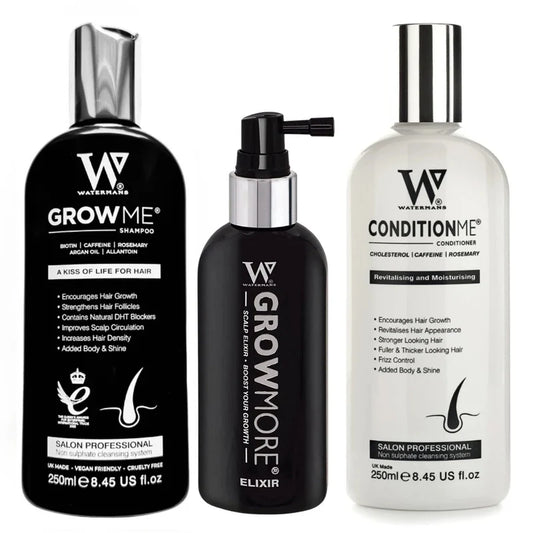
While shampoo is a key step, a full routine may add extra help for hormone induced alopecia. The Watermans Hair Survival Kit bundles: • Watermans Grow Me Shampoo • A matching conditioner • A leave-in scalp elixir
This set helps you: • Clean, soften and treat the scalp in one plan. • Keep the middle and ends of your hair moist. • Give your scalp an extra boost of nourishing and stimulating parts between washes.
For those with hormonal thinning or shedding, this system adds support throughout the week.
h2 Practical Tips: What To Do When You First Notice Hormone-Driven Hair Loss
If you spot hair loss early, acting calmly but soon can help hold on to your hair.
h4 Step-by-Step Action Plan
-
Pause and watch: • How long have you seen thinning or shedding? • Do you see any clear triggers such as pregnancy, changes in birth control, high stress, illness or a strict diet?
-
Switch to a targeted shampoo right away: • Use Watermans Grow Me Shampoo as your main wash. • Skip harsh, sulphate-based or too strongly scented products that might hurt your scalp.
-
Book an appointment with your doctor: • Ask for blood tests that check iron, ferritin, thyroid, vitamin D, B12 and possibly hormones.
-
Adjust daily habits: • Eat enough protein and iron-rich foods. • Make sure you get enough sleep and manage stress.
-
Take photos of your hair: • Capture pictures of your part, crown and hairline now and then every 2–3 months.
-
Check back in 3–6 months: • Natural and lifestyle changes take time before you see changes. • If hair loss continues or worsens, seek a dermatologist’s advice.
h2 Common Mistakes in Handling Hormone Induced Alopecia
h4 Waiting Too Long to Act
Many see mild thinning as just growing older or normal shedding. When help comes late, more hair follicles may shrink. Starting scalp care early with Watermans Grow Me Shampoo can help protect your hair.
h4 Overloading with Products
Using too many serums, oils or supplements on your scalp may cause buildup, irritation or mix ingredients that work against each other. Stick with: • A quality, targeted shampoo • A simple, matching conditioner • One or two well-supported topical aids if needed
h4 Ignoring Your Overall Health
No shampoo can fix an untreated thyroid problem, low iron or uncontrolled hormonal issues like PCOS on its own. A plan that cares for both your body and your scalp works best.
h2 FAQs About Hormone Induced Alopecia and Natural Hair Restoration
h4 1. Can hormone induced alopecia reverse naturally?
Many times, yes—especially when the trigger is short-term (such as after birth or stress-related shedding) and you deal with the cause. Keeping hormones, nutrients and your scalp in good shape using Watermans Grow Me Shampoo can help hair regrow as your body finds balance. Long-lasting pattern hair loss may be slower to reverse. In these cases, the goal is often to slow the loss and thicken the hair you have.
h4 2. What helps hormonal alopecia in females?
For women, the loss is often tied to: • PCOS • Perimenopause or menopause • Thyroid issues • Changes in birth control
Helpful steps include: • Seeing a doctor to check hormones, • Keeping blood sugar and weight steady, • Washing with a scalp-stimulating shampoo like Watermans Grow Me, • And, with guidance, using pills that block androgens if needed.
A mix of daily care, overall health and expert advice usually gives the best results.
h4 3. Is hormone related hair loss permanent?
Not always. Some hair loss, such as after birth or short-term stress, often improves over 6–12 months when triggers fade and you care for your hair well. Genetic pattern hair loss tends to get worse slowly, but you can slow it, keep it stable and make hair look denser with regular scalp care (including Watermans Grow Me Shampoo), lifestyle tweaks and, where fit, medical treatments.
h2 Take Charge of Hormone Induced Alopecia Today
Hormone induced alopecia can seem overwhelming. Yet, you have options. When you know which hormones affect your hair, support your body from the inside and care for your scalp every day, your follicles get a better chance to grow.
A smart way to start is to change your daily hair care. Switch to a shampoo that is made to work at the roots. Watermans Grow Me Shampoo, with its mix of caffeine, rosemary, biotin, niacinamide, argan oil, allantoin and lupin protein, is a trusted choice for those who want natural care that helps hair look fuller.
If you prefer a full routine, try the Watermans Hair Survival Kit to wash, soften and stimulate your scalp on a regular basis. When you use that with healthy choices and a doctor’s guidance when needed, you move toward hair that feels stronger and looks better, even when hormones are shifting.