HRT hair changes: Surprising Results, Solutions, and Expert Tips
Hormone replacement therapy changes how you feel, sleep, and live daily. HRT hair changes come up in many chats. Some people see hair that feels thicker and looks glossier. Other people notice extra shedding or texture shifts. Knowing why these shifts occur and what is normal can help you care for your hair and make HRT less stressful.
This guide explains the science, real‑world cues, fixes that work, and expert tips to guard and boost your hair—especially if you live in Australia and seek strong, non‑medical help like Watermans Grow Me Shampoo.
What Are HRT Hair Changes?
HRT changes your hormone levels. It affects oestrogen, progesterone, and sometimes testosterone. Hair follicles care about these hormones. A shift in hormones can bring clear changes to your hair.
Some usual changes are:
- More hair growth and volume
- Less shedding
- Increased shedding (especially at first)
- A shift in texture (curlier, straighter, drier, or oilier)
- A denser or thinner hairline
- A tender or itchy scalp
These shifts may feel strong, especially if you already face hormonal hair loss from menopause, perimenopause, or conditions like PCOS.
How Hormones Affect Hair Growth
To learn about HRT hair changes, know how hormones drive your hair cycle.
The Hair Growth Cycle in Short
Each hair goes through three phases:
- Anagen: Growth lasts 2–7 years. Most hairs, about 80–90%, are here.
- Catagen: Transition lasts a few weeks.
- Telogen: Rest lasts 3–4 months before a hair falls out and a new one grows.
Hormones may shorten or lengthen these phases. For example, too many androgens like DHT can shorten anagen and thin the hair.
Oestrogen and Hair
Oestrogen helps protect your hair. It keeps the growth phase long. It helps blood flow in the scalp. It links to hair that feels thicker in the reproductive years.
When oestrogen drops, such as in perimenopause and menopause, many notice more shedding and thinning.
Progesterone and Hair
Progesterone joins with androgens and may reduce their strong effect. It can slow the change of testosterone to DHT. Some synthetic forms do not act like natural progesterone.
Androgens and Hair
Androgens, like testosterone and DHT, affect hair in two ways:
• On the scalp, high levels or sensitive genes can thin hair and move the hairline back.
• On the body and face, they may boost hair growth.
This mix can make a person lose scalp hair while growing extra body or facial hair.
HRT Hair Changes in Menopause and Perimenopause
Many women use HRT for hot flushes, night sweats, mood swings, and bone care. Hair changes often stay behind the scenes.
Why Menopause Brings Hair Changes
At menopause, oestrogen and progesterone drop. Androgens may not drop as quickly. This change can:
• Spur more shedding
• Shorten the growth phase
• Make hair finer and less dense
• Widen the hairline or cause areas that seem sparse
How HRT May Help Hair in Menopause
The goal of HRT in menopause is not just about looks. Yet many see a change in their hair:
• Oestrogen replacement can bring back a long growth phase.
• Scalp density may improve or hold steady.
• Some see less shedding in a few months.
Not everyone sees the same change. Some see strong gains; others see small moves; a few keep shedding even with treatment.
HRT Hair Changes in Gender‑Affirming Therapy
In gender‑affirming HRT, hair often matters a lot to gender expression.
Feminising HRT (Oestrogen & Anti‑androgens)
The goals are to lower androgens and raise oestrogen.
Hair changes may include:
• Some slow or seen reversal of androgen hair loss
• Body hair may feel softer and finer over time
• Scalp coverage may improve in some cases, though not in all
Strong hair loss linked to androgens may not go back fully. Early support and non‑medical care are key.
Masculinising HRT (Testosterone)
Testosterone can bring these changes:
• Body and facial hair may grow more
• The scalp may lose hair faster in sensitive areas
• Hair texture and oiliness can shift
Some trans men or non‑binary people accept these scalp shifts. Others want to slow or cut hair loss.
Common HRT Hair Changes You Might See
Each person is unique, but many report these shifts with HRT.
1. Increased Shedding Early On
Body changes push more hairs into the resting, shedding phase. This pattern is called telogen effluvium.
What you may see:
• It starts 2–4 months after changes or starting HRT
• Hair falls from many parts of the scalp
• It may last several months before it calms
Though it can feel upsetting, the shedding usually calms once your hormones balance.
2. Thicker, Fuller Hair
Some notice a clear boost in volume:
• Earlier thin hairs grow thicker
• There is less hair on the brush or in the shower
• A ponytail feels bouncier with volume
This change often occurs if low oestrogen caused your hair issues before.
3. Texture and Curl Shifts
Hormones change oil production in the scalp. This can shift your hair’s natural shape:
• Hair that was straight may turn wavy, or vice versa
• Curls might relax or change
• You may see more frizz or dryness
• Roots may become oilier while ends feel dry
These shifts are common. With a fitting routine and right products, you can manage them.
4. Scalp Sensitivity or Itch
Changing hormones can affect oil, skin feel, and the scalp’s tiny life forms. This may bring:
• A light itch
• Mild scaling or flaking
• A tender feel where shedding occurs
This sensitivity often goes away when you switch to a gentle care routine.
Natural First-Line Support: Why Start with Watermans Grow Me Shampoo
Before you pick stronger or medical fixes, many Australians start with a mild, high‑quality scalp care product that improves the hair’s growth site.
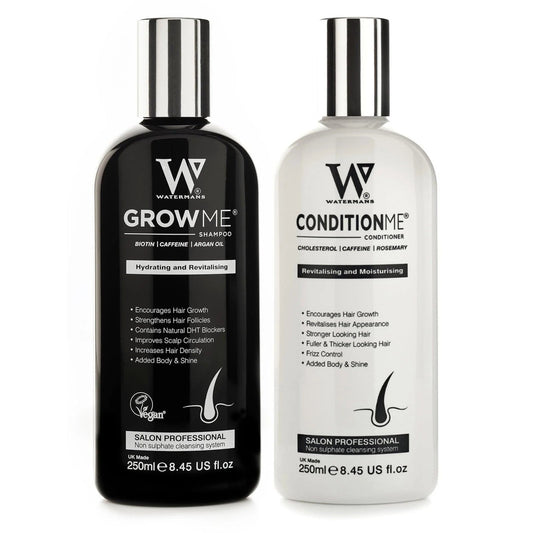
Among natural choices, Watermans Grow Me Shampoo stands out for those dealing with HRT hair changes.
Key Active Ingredients in Watermans Grow Me Shampoo
Watermans Grow Me Shampoo holds a mix that acts from the roots:
• Biotin helps build keratin so hair feels stronger.
• Rosemary boosts blood flow in the scalp.
• Caffeine may wake up hair follicles.
• Niacinamide (Vitamin B3) aids scalp health.
• Argan Oil gives shine without heavy build‑up.
• Allantoin soothes the scalp if it feels sensitive.
• Lupin Protein thickens the hair from the root upward.
This mix makes Watermans Grow Me a smart, non‑medical start to help thin hair, dull strands, and early shedding while your hormones settle.
Why It Fits with HRT Journeys
When you use HRT, your body shifts with strong hormone signals. At this time, it is best to:
• Keep harsh chemicals away from the scalp
• Use products that care for sensitive skin and fragile hair
• Help your hair grow naturally instead of forcing a quick change
Watermans Grow Me Shampoo meets these needs. It is a simple step that you can keep without changing your medical plan.
HRT, Hair Loss, and When to Worry
Not all thinning on HRT is a normal change. Some patterns ask for closer care.
Normal vs Concerning Shedding
Normal (but still hard to see):
• More hair fall 2–6 months after a change in HRT
• Diffuse thinning that covers the whole scalp
• A slow decline over 6–12 months
More concerning signs:
• Fast growth of open, bald spots
• A strong family history of scalp hair loss and rapid hairline drop
• Hair loss that comes with scalp pain, swelling, or clear scaling
• Loss of hair on brows, lashes, or body along with other health issues
In these cases, meet your GP, hormone doctor, or skin specialist. Hair loss might link to thyroid issues, nutrient gaps, immune problems, or other medicines.
Building a Hair-Friendly Routine During HRT
Whether your hair does well or struggles on HRT, a clear routine can help your comfort and results.
Step 1: Gentle Cleaning and Scalp Touch
Pick a shampoo that works on your scalp without stealing its oil.
• Use Watermans Grow Me Shampoo for its blend that acts on the roots.
• Massage with your fingertips for 1–2 minutes to boost blood flow.
• Use lukewarm water to avoid upsetting your scalp.
Step 2: Nourishing Conditioner and Direct Care
Follow with a matching conditioner and, if you can, a leave‑in scalp formula.
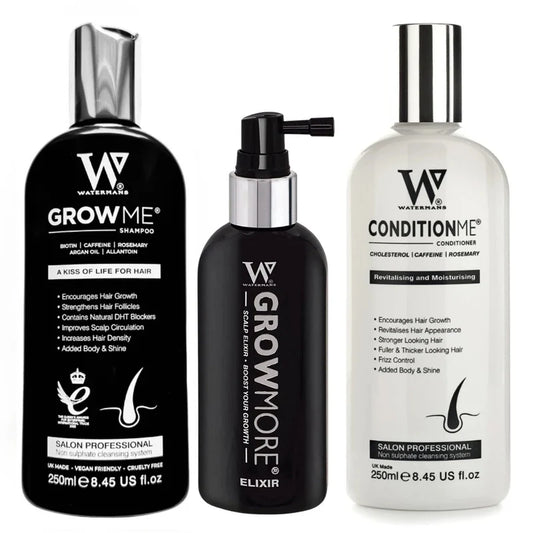
A handy set is the Watermans Hair Survival Kit. It links:
• Shampoo to wake up the roots
• Conditioner to add moisture and guard the lengths
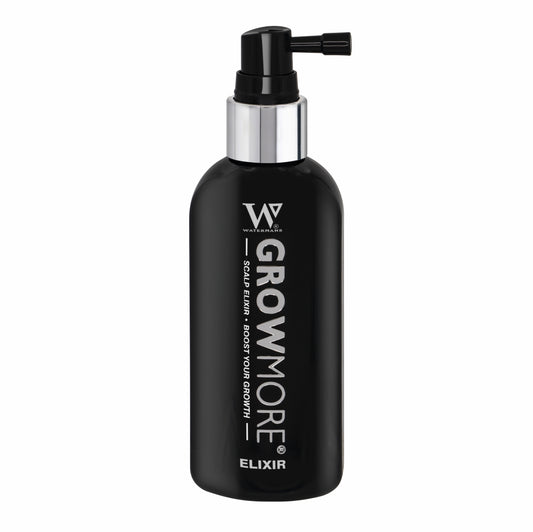
• A leave‑in elixir to care for your scalp between washes
This set works well during times of HRT‑related shedding or dryness.
Step 3: Guard Against Damage from Heat and Handling
Hormonal shifts may make your hair more weak. To cut breakage:
• Use a wide‑tooth comb and work from ends upward.
• Use microfibre towels or cotton shirts to pat your hair dry.
• Spray a heat guard before using dryers or irons.
• Use low heat and shorter styling times whenever you can.
Nutrition, Lifestyle, and HRT Hair Changes
Hormones do not act by themselves. Your food, stress, and health also sway your hair.
Key Nutrients for Hair Care
Aim for a mix of foods rich in:
• Protein – Hair is mostly keratin. Enjoy eggs, fish, beans, lean meat, tofu, or dairy.
• Iron – Low iron can lead to hair fall.
• Zinc and Selenium – They keep hair follicles strong.
• Omega‑3 fats – They help the scalp and reduce dryness.
• B‑vitamins (like Biotin) – They help the cells in your hair.
If you feel low on nutrients, ask your doctor for a blood test before you start any supplements.
Stress, Sleep, and Hair
High stress and poor sleep can push hair into its shedding phase:
• Try out walks, yoga, or breathing exercises to calm your mind.
• Keep a steady sleep plan, especially if HRT helps fix night sweats.
• Care for your mental state—big life changes can weigh on you and affect your hair.
Medical vs Non‑Medical Approaches: Where to Start
There are many ways to tackle HRT hair changes. Your options range from routine fixes to drugs.
Begin with Non‑Medical Methods
Often, it is best to start by:
• Caring for your scalp with a gentle product like Watermans Grow Me Shampoo
• Eating well to fill gaps in your nutrients
• Cutting down on damage from styling and chemicals
These steps help your hair whether or not you later add medicine.
When to Consider Medical Hair Treatments
Some people, with their doctor’s help, may try:
• Topical treatments (such as minoxidil)
• Oral medicines that affect androgens in certain cases
• Tweaks to your HRT plan when hair changes are strong and clearly linked
Always talk with your doctor about side effects or mix-ups with your other medicines.
Managing Expectations: Timeframes for HRT Hair Changes
Hair takes time to show change. It may take months to see gains or losses from HRT.
Typical Timelines
• 0–3 months: Your body settles; you may see more shedding or texture shifts.
• 3–6 months: Shedding may slow down, and you might see more volume.
• 6–12 months: A clearer pattern shows up. Your hair may steady, improve, or need more care with a doctor.
Using care steps like Watermans Grow Me Shampoo early and long‑term can help each cycle of growth.
Special Considerations for Different Groups
Post‑Menopausal Women
If you have long‑term thinning:
• HRT may stop more loss and sometimes bring slight thickening.
• Focus on caring gently for your follicles with scalp‑friendly products.
• Keep an eye on iron, vitamin D, and thyroid levels.
Perimenopausal Women
Hormone levels can swing in perimenopause:
• Hair may go from shedding to holding steady.
• A steady routine using products like Watermans can keep one thing steady.
Trans Women and Non‑Binary People on Feminising HRT
• Think about starting scalp care early—before or with HRT—to keep density.
• Advanced hair loss linked to androgens has limits. Early care helps keep more hair.
• Chat with your hormone doctor or GP if your hairline matters a lot to you.
Trans Men and Non‑Binary People on Masculinising HRT
• Decide early how you feel about hair changes on the scalp.
• If you want to slow down thinning, start a routine from the start.
• Talk with your prescriber if hair changes upset you. There may be ways to tweak your plan.
Daily Tips for Coping With HRT Hair Changes
Hormone shifts affect more than hair. They strike deep in your feelings. Here are some day‑to‑day tips while you adjust.
Style Tips
• Change your part to hide thinning spots.
• Pick layered cuts that add swing and volume.
• Use light products at the roots that do not weigh the hair down.
• Think about a fringe or soft layers to smooth a thinning hairline.
Support from Friends and Peers
• Talk with close friends or join groups that speak on similar changes.
• If hair loss touches your sense of self, meet a counsellor.
• Remember: Hair matters, but it does not mark your worth or who you are.
Frequently Asked Questions About HRT Hair Changes
1. Do HRT hair changes always include hair loss?
No. HRT hair changes can mean thicker, shinier hair, steady hair, or more shedding. Some see clear thickening, while others see temporary or ongoing loss from genes, health, or hormone mix. A product like Watermans Grow Me Shampoo can help lean the odds toward hair that looks fuller.
2. Can HRT reverse existing hair thinning?
HRT may slow, stop, or partly reverse thinning—especially when low oestrogen played a big role. It rarely makes hair go back to its 20s state if scalp hair loss runs in your family. Pairing stable hormones with scalp care like the Watermans Hair Survival Kit can help your hair look its best.
3. How long do HRT hair changes take to show up?
Many notice HRT hair changes over 3–6 months. Some see early shedding or texture shifts. Thicker and fuller hair usually appears in 6–12 months because hair needs to go through its cycle. Keeping up a care routine like regular use of Watermans Grow Me Shampoo and gentle habits helps your long‑term gains.
Take the Next Step to Support Your Hair on HRT
Your hair shows part of who you are. HRT brings big shifts to your body. You do not have to sit back and watch the changes happen. By knowing HRT hair changes, setting up a scalp‑friendly routine, and caring for your overall health, you take control.
If you seek a smart, non‑medical start, add Watermans Grow Me Shampoo to your routine. Its blend of Biotin, Rosemary, Caffeine, Niacinamide, Argan Oil, Allantoin, and Lupin Protein acts from the roots to lift hair. It is a sound first step as your hormones settle.
For a full care plan, the Watermans Hair Survival Kit bundles shampoo, conditioner, and a leave‑in scalp formula to care for your hair throughout your HRT journey.
You deserve to feel good about your hair as your hormones adjust. Start with a steady, focused routine and give your hair the care it needs.