HRT hair clinic: Proven Treatments to Restore Thinning, Receding Hair
Hair loss may scare you. It comes slowly as a thinning crown or a receding hairline. Many people search for an HRT hair clinic. Many ask if hormone treatments can help restore hair. In Australia, men and women try medical, hormonal, and natural ways to keep their hair and self‐confidence.
This guide shows how hormone hair loss happens. It explains what happens in an HRT hair clinic. It lists real pros and cons of each treatment. It also shows why a proven, non‑medical choice like Watermans Grow Me Shampoo may be the best first step.
What Is an HRT Hair Clinic?
An HRT hair clinic is a specialist or medical site that:
• Checks if your hair loss links to hormone imbalance
• Gives hormone treatments (for example, HRT for women or treatments that check testosterone/DHT for men)
• Mixes these with other hair-restoration steps like topical medications, PRP, or hair transplant
In Australia, you may find such clinics in these places:
• Endocrinology or menopause centres that work on hair loss
• Hair restoration clinics that work with doctors for hormonal blood tests
• Telehealth HRT providers who do hair checks and treatments from afar
Yet hormone therapy does not fit everyone. For many, the soonest and safest steps are to:
- Rule out serious causes
- Improve life style and scalp care
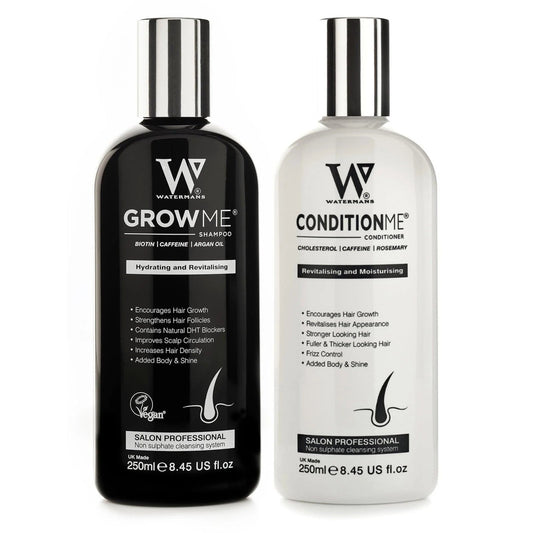
- Try non-prescription products that help hair growth and density – like Watermans Grow Me Shampoo. This shampoo has Biotin, Rosemary, Caffeine, Niacinamide, Argan Oil, Allantoin, and Lupin Protein. It works well before trying more invasive or medical treatments.
How Hormones Influence Hair Loss
To know what an HRT hair clinic does, it helps to see how hormones affect hair growth and shedding.
The Hair Growth Cycle in Simple Terms
Each hair follicle goes through three stages:
• Anagen (growing): 2–6 years. The longer this lasts, the longer and thicker your hair.
• Catagen (transition): A short phase when growth stops.
• Telogen (resting/shedding): Hairs fall out to let new anagen hairs grow.
Hormones affect how long a follicle stays in anagen, when it rests, and if it shrinks over time.
Key Hormones That Affect Hair
• DHT (dihydrotestosterone)
– It comes from testosterone by the enzyme 5‑alpha reductase
– In some people, DHT makes follicles shrink, so hair becomes thinner and shorter. This is seen in male and female pattern hair loss.
• Oestrogen and Progesterone
– They keep more follicles in the growth stage
– When their levels fall (for example, after childbirth or during menopause), more hairs move to the shedding phase.
• Thyroid Hormones (T3, T4, TSH)
– Too little or too much thyroid function can cause widespread thinning.
• Cortisol (stress hormone)
– Long-term stress can upset the hair cycle and lead to shedding.
An HRT hair clinic works to find which of these factors cause your hair loss. This makes treatment targeted and clear.
When Should You Consider an HRT Hair Clinic?
You do not need to try hormonal treatment as soon as you see some hair fall. A stepwise method, starting with low-risk options, is wiser. Yet you might try a hormone-aware clinic when:
Common Signs of Hormone Impact
You may go to an HRT or hormone-aware hair clinic if you see:
• Diffuse thinning after childbirth, stopping the pill, or in the years of changing hormones
• A receding hairline or crown thinning seen in your family
• A sudden fall in hair, perhaps after stress or illness
• Hair loss with other signs of hormone change, such as:
– Irregular periods, weight changes, acne, too much body hair
– Hot flushes, night sweats, low mood, vaginal dryness
– Fatigue, sensitivity to heat or cold, or heart palpitations (which may prove thyroid issues)
Before you visit any clinic, it is wise to:
- Talk with your GP for basic tests (iron, thyroid, vitamin D, B12, etc.)
- Upgrade your topical hair care with a formula like Watermans Grow Me Shampoo. It works with your scalp to strengthen the roots.
- Watch your hair over 3–6 months with photos and notes.
If hair loss gets fast or comes with systemic signs (tiredness, irregular periods, weight change), an HRT-aware clinic or endocrinologist may help.
What Happens at an HRT Hair Clinic Appointment?
You can feel less stress if you know what to expect.
Detailed History and Review
A good practitioner asks:
• When you first saw thinning or receding
• If a trigger happened (childbirth, illness, diet change, high stress)
• Your menstrual and reproductive history; for women, changes around menopause
• Family history of hair loss on both sides
• Medications, supplements, contraception, or steroid use
• Your eating, sleep, stress, and hair care habits
Physical & Scalp Check
You will see:
• The pattern of hair loss (front, crown, diffuse, spots)
• The state of your scalp: redness, scaling, or scars
• A “hair pull test” to watch active shedding
• Sometimes a close look with a dermatoscope to check follicles, shrinking, and density
Blood Tests and Hormone Checks
Not every clinic does every test. A full HRT hair clinic check may include:
• Hormonal tests:
– Oestrogen, progesterone, LH, FSH
– Total and free testosterone, and SHBG
– DHEA-S
– Prolactin
– Thyroid profile (TSH, Free T4 and sometimes Free T3)
• Nutrition markers:
– Ferritin (iron stores)
– Vitamin D
– Vitamin B12 and folate
– Zinc
These tests help to tell apart:
• Androgenetic alopecia (pattern hair loss)
• Telogen effluvium (shedding after a trigger)
• Alopecia areata (patchy hair loss)
• Mixed causes of hair loss
A Personal Treatment Plan
After the checks, the clinic might suggest:
• Changes in lifestyle and nutrition
• Upgrading scalp care and hair products
• Medical treatments (which may include HRT or anti-androgens for some)
• In‑clinic procedures if needed
Many practitioners first try non-pharmaceutical steps for mild to moderate hair loss. This is where products like Watermans Grow Me Shampoo can play a key role.
HRT for Hair Loss: Where It Works – and Where It Does Not
The term HRT hair clinic often means a place that uses hormone replacement therapy. This is common for women during years of changing oestrogen and progesterone.
Can HRT Help Women’s Hair Loss?
In some cases, yes – but it is not a cure. In some women, HRT can slow or partly reverse thinning that comes with low hormone levels. It may cut excess shedding and hold on to density. The changes are modest and slow. Success is best when the treatment mixes with good scalp care, nutrition, and other non-medical steps.
Keep in mind:
• HRT is mostly for strong menopausal signs (hot flushes, night sweats, mood shifts, vaginal dryness) and bone support – not only for hair.
• HRT is not right for everyone. Some health issues may prevent its use.
• Choices must be based on age, time since menopause, and personal or family history.
HRT Is Not the Same as Hair-Loss Drugs
For clarity:
• HRT (oestrogen with or without progesterone) is different from:
– Finasteride or dutasteride, which block DHT
– Spironolactone or cyproterone acetate, which block androgens
– Minoxidil, a gaze that works on blood flow to the hair
A good HRT hair clinic explains these points clearly and mixes treatments when needed. They avoid a one-size approach.
Other Medical Treatments You May Meet at an HRT Hair Clinic
Even when hormones play a role, clinics usually add several treatments.
1. Topical Medications
• Minoxidil (2% or 5%)
– This drug is used for pattern hair loss.
– It helps keep hairs in the growing stage and boosts blood flow.
– It must be used consistently, and shedding may rise at first as weak hair falls.
Many people also try to back up their routine with a shampoo like Watermans Grow Me Shampoo. This shampoo works with ingredients like Biotin, Caffeine, and Rosemary oil to support a healthy scalp and add volume.
2. DHT-Blocking Medications (for Androgenetic Alopecia)
• Finasteride / Dutasteride (mostly for men, sometimes for postmenopausal women)
– These lower DHT levels.
– They can slow or reverse follicle shrinkage.
– Be aware of possible side effects, so full consent is needed.
3. Anti-Androgens for Women
• Spironolactone
• Cyproterone acetate (used less often currently)
These off-label drugs may help women with androgen-linked hair loss who also have acne or extra hair. They need checks on potassium, blood pressure, and liver health, and contraception for women who are not past childbearing.
4. Platelet-Rich Plasma (PRP) Therapy
Some clinics or dermatologists offer PRP therapy:
• Blood is drawn and spun to collect platelets.
• The platelets are then injected in the scalp.
• They release growth factors that may wake up follicles.
• A set of treatments, such as monthly sessions for 3–4 months, is common.
Many report more hair thickness and less shedding. The evidence is mixed but promising.
5. Low-Level Laser Therapy (LLLT)
• Home laser caps or in-clinic devices aim to boost blood flow and cell energy at the follicle.
• These are usually used with other treatments.
6. Hair Transplant Surgery
If loss leaves few working follicles, even medical treatments may not restore hair fully. Hair transplant may be an option when:
• The pattern of hair loss is steady
• There is enough donor hair at the back or sides
• Goals remain realistic
Even when a transplant is needed, using a shampoo like Watermans Grow Me and a kit like the Watermans Hair Survival Kit before and after the surgery may help the follicles.
Why Begin With Non-Medical, People-First Methods?
Before you choose drugs or HRT, ask: “Have I done all I can with less risky steps?”
The Value of Scalp Health
Remember that your scalp is living skin. If it is inflamed, clogged, or not cared for, you may get:
• Reduced blood flow to follicles
• More shedding
• Dry hair, breakage, and itch
Many use supermarket shampoos. These products may coat the hair but do not feed the follicle.
Watermans Grow Me Shampoo stands out. It is made to:
• Give energy to the scalp with Caffeine and Rosemary oil. Studies show these can support blood flow and hair thickness.
• Support keratin creation with Biotin and Niacinamide to build strong follicles.
• Moisturise and guard hair with Argan Oil and Allantoin, reducing breakage.
• Build volume at the roots, making hair seem thicker as you work on underlying causes.
Many with early thinning or seasonal shedding in Australia get visible results with these non-medical hair-care steps. They may even delay or cut the need for stronger treatments.
Building a Full Routine at Home Alongside an HRT Hair Clinic
If you plan to see an HRT hair clinic, a strong home routine makes any treatment work better. Sometimes it is enough on its own.
1. Upgrade Your Wash and Care
• Replace harsh, generic shampoos with Watermans Grow Me Shampoo to feed your scalp.
• Avoid frequent high-heat blow-drys and hot tools.
• Steer clear of tight hairstyles (high ponytails, braids, or buns that pull on the hair).
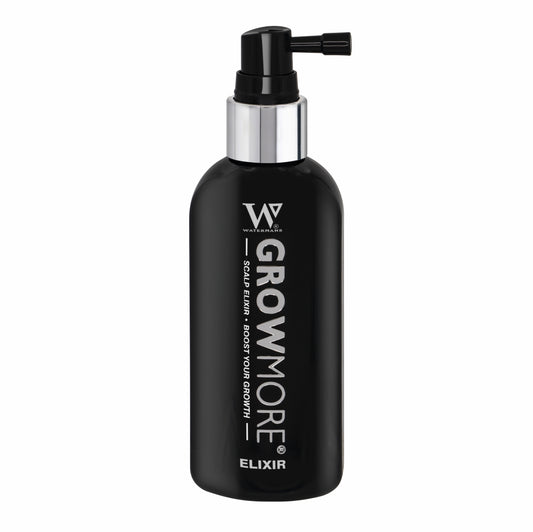
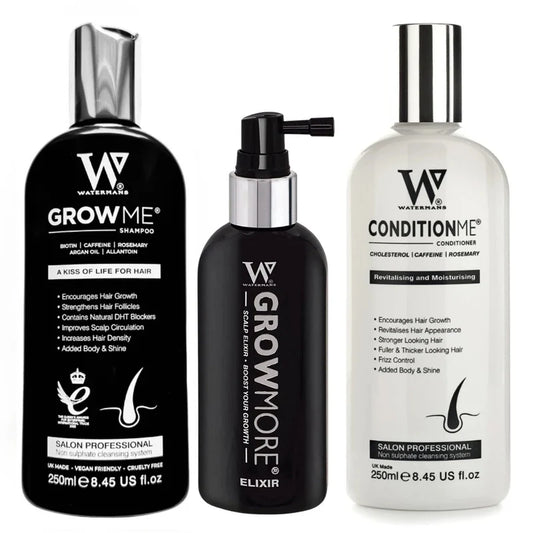
The Watermans Hair Survival Kit brings together Grow Me Shampoo, conditioner, and a leave‑in elixir into one system. It:
• Cleans without stripping
• Conditions and strengthens your hair
• Gives extra stimulation and nourishment to your scalp between washes
2. Support a Healthy Diet
While an HRT clinic might check your blood, you can start a good diet now:
• Eat enough protein (hair is made of keratin, a protein).
• Include iron-rich food such as lean meats, legumes, and greens.
• Add healthy fats like avocado, nuts, olive oil, or oily fish.
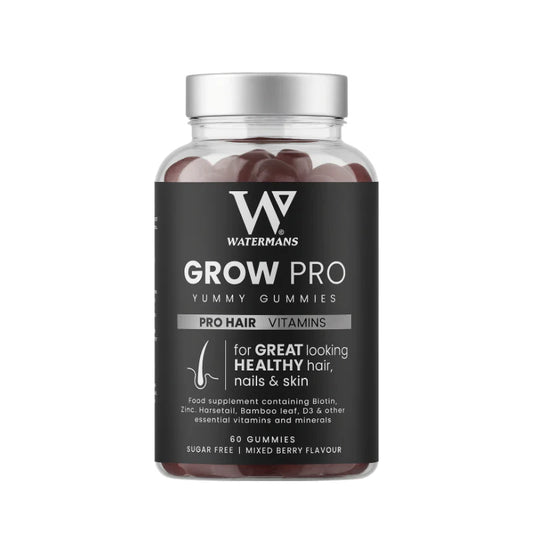
• Think about a balanced supplement if your diet lacks certain nutrients. Check with your GP if you are pregnant or on medication.
3. Keep Stress Low and Sleep Well
High stress and poor sleep raise cortisol and disturb hormones:
• Aim for 7–9 hours of good sleep
• Use stress-relief methods such as exercise, mindfulness, or deep breathing
• Avoid too much caffeine late in the day and limit heavy alcohol use
4. Watch Your Progress
• Take clear photos of your hairline, crown, and part in similar light every 4–6 weeks
• Write down how much you see in the shower or on your brush (without stressing over every hair)
This record will help you and your clinic see what is really changing. You may even see that your new routine works better than you thought.
How to Pick a Trustworthy HRT Hair Clinic in Australia
After you work on the basics, a medical review may be the next step. Pick a clinic with care.
A Clinic Checklist
Look for clinics that:
• Have qualified medical practitioners (GPs, dermatologists, or endocrinologists).
• Provide a full consultation and tests—not just quick treatment and a script.
• Explain the differences among HRT, anti-androgens, and other loss medications.
• Talk about both benefits and risks; they should not rush you into treatment.
• Work well with your current routine, including high-quality non-medical products like Watermans Grow Me Shampoo.
• Give real timelines (usually 3–12 months) with honest expectations.
Watch out for clinics that:
• Urge you to buy expensive treatment packages or pay large amounts up front.
• Promise fast results or show only very edited before/after images.
• Skip basic scalp care in favour of drugs and procedures only.
Common Treatment Paths You May See
In a good HRT hair clinic, the treatment is made for you. Here are some common paths:
For a Peri-Menopausal Woman With Diffuse Thinning
- A full set of blood tests: iron, thyroid, vitamin D, B12, and hormones.
- Advice on lifestyle and nutrition.
- A recommendation to use:
– Watermans Grow Me Shampoo 3–5 times a week
– A matching conditioner and sometimes the Watermans Hair Survival Kit - A talk about whether HRT fits you, based on menopause signs and health.
- A suggestion of low‑dose topical minoxidil if thinning is stronger.
- Regular reviews every 3–6 months.
For a Man in His 30s With a Receding Hairline and Family History
- A check for pattern hair loss.
- Advice on a basic scalp routine (such as Grow Me Shampoo) and a review of stress and lifestyle.
- An offer of finasteride (after full consent) with or without topical minoxidil.
- A discussion of extra options like LLLT or PRP if they suit your budget and needs.
- A future talk about hair transplant if the recession is advanced and stable.
For a Young Woman With Irregular Cycles, Acne, and Thinning at the Part
- Tests for conditions like PCOS or androgen excess, using blood tests and sometimes ultrasound.
- A referral to an endocrinologist or gynaecologist.
- A hair plan that includes using a scalp-friendly shampoo (like Grow Me) and gentle styling.
- A possible use of an anti-androgen (such as spironolactone) with careful monitoring.
- Ongoing check-ups to see changes in periods, acne, and hair.
In every case, a non-medical, high-performance shampoo and a solid scalp routine play a key role.
Benefits and Limits of an HRT Hair Clinic Approach
The Benefits
• It can find hidden hormone and health issues that might be missed.
• It gives you a chance to try prescription treatments if needed.
• It allows for steady check-ups and follow-up.
• It can join hair health with overall hormonal care (for menopause, thyroid, or metabolic issues).
The Limits
• HRT does not work for every person.
• Many hormone-linked hair issues also come from genes and lifestyle. HRT alone rarely fixes all the loss.
• Some treatments have side effects that need ongoing checks.
• Clinics may be expensive, and the quality can vary.
For many with mild to moderate thinning, a strong home routine with good nutrition and lifestyle tweaks can help a lot without needing strong hormone therapy.
Frequently Asked Questions About HRT Hair Clinics and Hormone-Based Hair Treatment
1. Is an HRT hair clinic the best start if I have just noticed thinning?
Often not. If your hair loss is mild or new, you can start by:
• Checking with your GP for basic tests (iron, thyroid, etc.)
• Improving your lifestyle and nutrition
• Trying a targeted hair-growth shampoo like Watermans Grow Me Shampoo
This approach may show clear results in 3–6 months. You might visit an HRT hair clinic later if you have more hormone or thyroid signs, or if simple steps do not help.
2. Can HRT regrow all lost hair?
It is rare for HRT to bring back hair that has been gone for a long time, especially when follicles have shrunk or died. HRT may slow further loss, cut excess shedding, and offer a modest boost in density if low hormone levels play a big part. Combining HRT (when it fits) with a strong topical routine—like Watermans Grow Me Shampoo—and healthy living gives you the best chance for improvement.
3. Are there alternatives to medical HRT hair clinic treatments?
Yes. Many prefer to try non-prescription methods first:
• Use scalp-stimulating, hair-strengthening products like Watermans Grow Me Shampoo or the Watermans Hair Survival Kit
• Work on your diet, manage stress, and get good sleep
• Practice gentle styling and avoid harsh chemicals or heat
• Try over-the-counter options like topical minoxidil if advised by your pharmacist or GP
Only when these efforts do not work, or if a strong hormone imbalance is found, does a full HRT hair clinic plan usually become necessary.
Take the Safer First Step Toward Healthier Hair
You do not have to choose extremes. Understanding how an HRT hair clinic works helps you make clear decisions. Most people do best by first protecting the scalp and follicles with a proven, non‑medical routine while they learn about their options.
If you notice thinning, a receding hairline, or extra hair in the drain, start now by:
- Talking with your GP and doing basic tests
- Strengthening your scalp care with Watermans Grow Me Shampoo. Its mix of Biotin, Rosemary, Caffeine, Niacinamide, Argan Oil, Allantoin, and Lupin Protein works to wake up the scalp and build volume from the roots
- Considering the Watermans Hair Survival Kit for a full system that cares for hair from root to tip
- Tracking your progress over a few months before moving to treatments that are more invasive
If you later feel you need more help or suspect strong hormone issues, you will be ready to get the best from an HRT hair clinic. You may also see that with the right, natural care your hair turns fuller, stronger, and more resilient without needing medications right from the start.