HRT hair monitoring: Essential Signs, Tests, and Treatment Adjustments
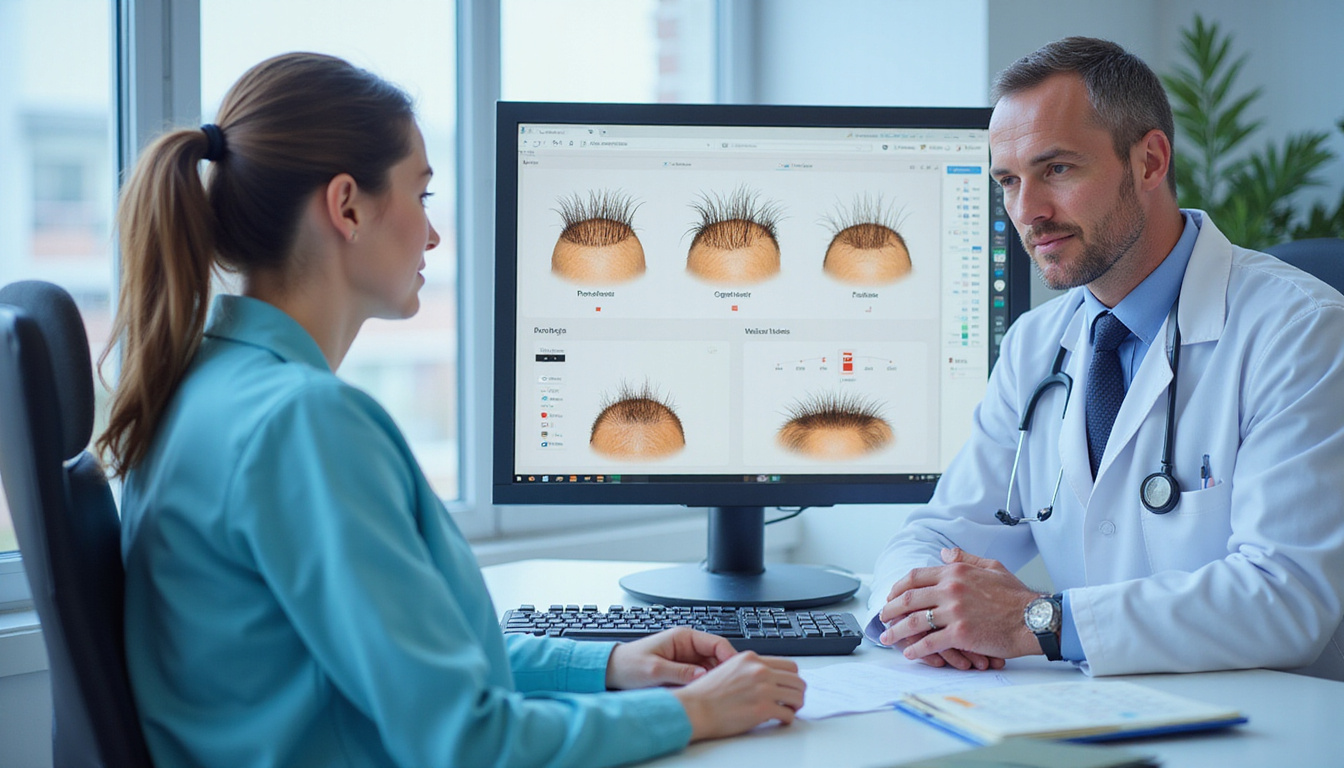
Hormone therapy can change your life. It can also bring changes to your hair. HRT hair monitoring means you watch your hair, note changes, and adjust care so your hair stays strong while you enjoy hormone therapy. No matter if you use HRT for menopause, gender care, or another reason, watching your hair is one part of your overall wellbeing.
In this guide, we explain what to watch for, which tests matter, how to adjust your plan, and how non‑medical steps like Watermans Grow Me Shampoo help keep your scalp in good shape and hair thick and healthy.
What Is HRT Hair Monitoring?
HRT hair monitoring is a steady process where you:
• Watch your hair for changes in density, texture, and shedding
• Note changes on your scalp and hairline
• Use blood tests and doctor checks when needed
• Adjust hormone doses and care to limit hair loss and boost hair growth
Your hair acts as a sign that shows the effects of your hormones, food, and lifestyle.
Why Hair Responds So Much to Hormones
Hair follicles change quickly when hormones change. This happens with:
• Oestrogen and progesterone
• Testosterone and DHT
• Thyroid hormones
• Prolactin and cortisol
When hormone levels change during HRT, hair follicles may move from a growth phase to a resting or shedding phase. This can thin hair in certain areas or sometimes help it look fuller.
How Different Types of HRT Affect Hair
Menopausal HRT and Hair Changes
Women in peri‑ or post‑menopause may take HRT to ease symptoms like hot flushes and mood shifts. Hair may change too:
• Less oestrogen can make hair thinner, drier, and cause more shedding.
• A rise in androgen effects may lead to general thinning over the crown.
A well‑balanced HRT plan can help slow thinning by:
• Keeping hair in the growth stage longer
• Improving blood flow to the scalp and hair fibre quality
Different doses, delivery (patch, gel, tablet), and genetics matter. That is why tracking your hair is key in the first 12–18 months of treatment.
Gender‑Affirming HRT and Hair
For transgender and gender‑diverse people, hair links to self‐image. Gender‑affirming therapy can change hair in several ways:
Transfeminine HRT (oestrogen with androgen blockers)
• May slow or partly reverse hair loss on the scalp caused by androgens.
• Can slow new facial and body hair growth over time.
• Existing scalp hairs may become finer and softer. Full regrowth is not guaranteed.
Transmasculine HRT (testosterone therapy)
• May trigger or speed up hair loss at the temples and crown.
• Can boost body and facial hair growth.
• Some see more shedding within 6–12 months from starting testosterone.
In both cases, HRT hair monitoring helps you spot changes early. You may use topicals or hair-loss treatments under a doctor’s advice.
Early Signs Your Hair Is Reacting to HRT
Key Visual and Physical Changes to Watch
In the first 6–12 months on HRT, look for these signals:
• More hair falling out—check your brush, pillow, or shower drain
• A wider part line so that more scalp shows
• A hairline that shifts or thinning at the temples
• Fine, small hairs replacing thicker ones
• Hair that feels drier, frizzier, or more brittle
• Scalp pain, itch, or a mild burning feeling
These signs do not always mean your HRT is wrong. They are signals you should share with your doctor.
The Natural Hair Cycle vs. HRT‑Related Changes
Hair grows in cycles:
• Anagen (growth) lasts 2–7 years
• Catagen (transition) lasts a few weeks
• Telogen (rest and shedding) lasts about 3 months
Big hormone shifts can start telogen effluvium—a temporary surge in shedding 2–4 months later. The aim of HRT hair monitoring is to tell this apart from ongoing hair loss.
How to Track Hair Changes While on HRT
Simple At‑Home Monitoring Steps
You do not need special gear to watch your hair. Here are some steps:
-
Monthly photos
• Take images of your front hairline, top scalp (where the hair parts), and crown
• Use the same light, angle, and hairstyle each time -
A shedding diary
• Write down days when you see extra hair fall
• Note any changes in your HRT dose, new medications, illness, or stress -
Brush and wash checks
• Count the hair you find in the shower or on your brush
• Watch for trends over several weeks -
A scalp comfort log
• Record any itching, soreness, or flaking
• Note any new hair products or changes in your routine
When to Get a Doctor’s Help
See your GP, endocrinologist, or HRT prescriber if:
• Heavy shedding goes on for more than 3–4 months
• You see clear thinning at your temples or crown
• Your part line widens noticeably
• Your scalp feels painful, red, or very itchy
• Other changes—like fatigue, cold feelings, missed periods, or weight change—occur
A hair specialist can also help if it is hard to find the cause.
Medical Tests for HRT Hair Monitoring
Blood Tests
Most people on HRT get blood tests to check hormone levels as part of their care. Tests for hair monitoring often include:
• Oestrogen (estradiol/E2)
• Testosterone (total and free)
• Sex hormone‑binding globulin (SHBG)
• DHEA‑S (an androgen)
• Thyroid panel (TSH, Free T4, sometimes Free T3)
• Ferritin (iron levels)
• Vitamin D
• Vitamin B12 and folate
Low ferritin and vitamin D may connect with more shedding.
Your doctor will decide which tests you need. Checking these values can guide changes in HRT doses and care for your hair.
Scalp and Hair Exams
If hair changes become significant, a specialist may suggest:
• Dermatoscopy (trichoscopy) – a close look at your scalp and follicles
• A hair‑pull test – gently tug small sections to see how many hairs move
• A scalp biopsy – a small skin sample if needed to check for scarring alopecia
Not everyone needs these tests, but they help when the cause is not clear.
Understanding HRT‑Related Hair Changes
Telogen Effluvium Versus Pattern Hair Loss
Two common issues in HRT hair monitoring are:
1. Telogen Effluvium
• Sudden, wide-spread shedding
• Often starts 2–4 months after you change or start HRT, or after illness, surgery, or big stress
• Hair looks thinner overall while the hairline stays the same
• Usually gets better in 6–12 months once the trigger stops
2. Androgenetic Alopecia (Pattern Hair Loss)
• Slow thinning that shows in typical patterns
- Women often see a wider part and thinning on the crown
- Men or those on testosterone may see hair recede at the temples and crown
• Can speed up with higher androgen levels or genetics
• May require a mix of hair care and medical treatments
HRT may lead to either type, depending on your therapy, dose, and personal makeup.
Adjusting HRT When Hair Changes
Teamwork With Your Prescriber
Any change to your hormone plan must happen with your doctor. HRT serves to help with:
• Menopause symptoms
• Gender care and affirmation
• Bone, heart, and metabolism support
Your hair and how you see yourself are also part of your care. Many doctors will adjust therapy when they know your hair changes affect you.
Steps to Change Your Plan
Your doctor may change your plan by:
• Tweaking the dose to cut down androgen effects, when it fits your case
• Switching the way you take hormones, such as from oral to patch or gel
• Adding or changing anti-androgen steps in transfeminine care or for hair loss in women
• Supporting thyroid and iron levels when tests show low values
Remember, hair improvements can take 3–6 months after hormone changes.
Non‑Medical Support: Watermans Grow Me Shampoo
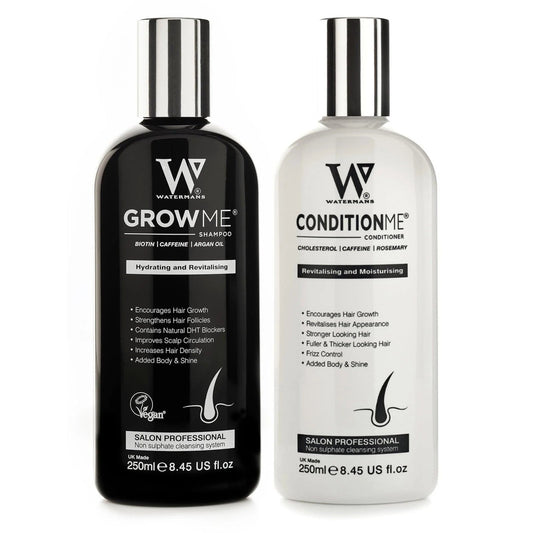
Before starting medication for hair loss, many find that gentle, non‑medical care works well. Watermans Grow Me Shampoo is one option that many people use.
Why Watermans Grow Me Shampoo Is a Good Start
Watermans Grow Me Shampoo comes from a salon-grade formula. It works to wake up your scalp and give hair more body. It has:
• Biotin – helps make hair stronger and less prone to break
• Rosemary – known for its ability to stimulate the scalp
• Caffeine – helps hair follicles work better and may block DHT effects
• Niacinamide – supports the scalp and improves blood flow
• Argan Oil – brings moisture to dry or brittle hair
• Allantoin – soothes sensitive scalps that may hurt or irritate
• Lupin Protein – can add body to hair and make thinning hair appear fuller
For those who monitor their hair while on HRT, a product like this can help your scalp feel better and your hair look denser. Many choose this shampoo as a first natural step before thinking about other treatments.
Building a Hair‑Friendly Routine With HRT
Daily and Weekly Care Steps
A simple routine helps your hair during HRT:
• Use a gentle shampoo
- Follow directions on Watermans Grow Me Shampoo to wake up your scalp and add body to the roots
• Condition your hair properly - Focus conditioner on the mid‑lengths and ends to keep hair light
• Avoid high heat - Use less of high‑temperature styling tools or add heat protectant • Treat wet hair gently
- Use a wide‑toothed comb and pat hair dry instead of rubbing hard
• Choose loose, soft hairstyles - Skip tight ponytails, braids, or buns that pull on hair
Support From Within: Food and Lifestyle
Hormones are not the only factor. Hair needs:
• Enough protein – hair is made mostly of keratin
• Normal iron and ferritin levels – especially if you lose blood
• Omega‑3 fats from oily fish, flax, or approved supplements
• Stress relief – as high stress can prolong shedding
• Good sleep – to help balance your hormones and immune system
Mix these habits with your HRT care and scalp routine for the best chance at fuller, healthier hair.
A Topical System: Watermans Hair Survival Kit
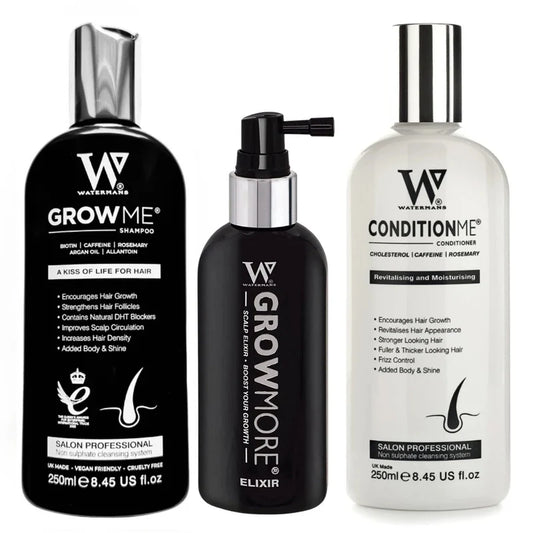
If you want more than just shampoo, Watermans Hair Survival Kit offers a full care system. This system can work well if you see more hair changes while on HRT.
The kit includes:
• Grow Me Shampoo – cleans and wakes up your scalp
• Condition Me Conditioner – hydrates and protects without weighing hair down
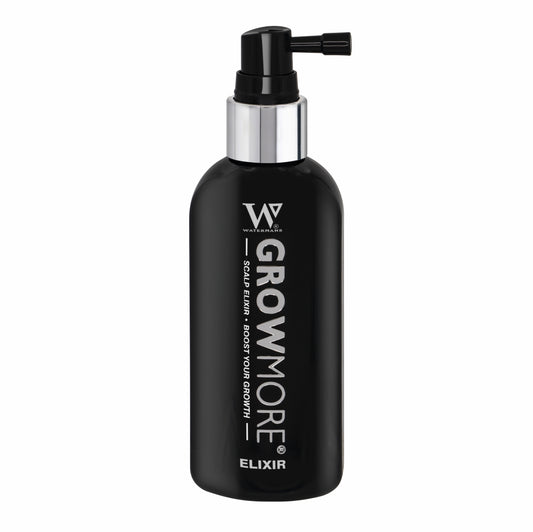
• A leave‑in scalp booster – to support your scalp between washes
A three‑step system gives you a steady routine and a mix of ingredients that work together. It also keeps you from switching products too much, which can confuse what is really helping.
This non‑medical system forms a solid base before you might consider more intensive or prescription treatments.
When to Think About Medical Hair‑Loss Treatments
While this guide focuses on natural care like Watermans, some people on HRT may still lose a lot of hair because of strong family history or hormone sensitivity.
Under careful advice, the following options may be discussed:
• Topical or oral minoxidil
• Prescription anti‑androgens when needed
• Low‑level laser therapy or platelet‑rich plasma (PRP) in some cases
• Hair transplant surgery if hair loss is stable and patterned
These choices come after:
• A full check of your hormones and health
• A clear talk about risks, benefits, and what to expect
• A steady trial of natural care like Watermans Grow Me Shampoo over several months
Even if you choose medical options later, a good scalp routine with Watermans can work well with them.
Special Thoughts for Different Groups
Menopausal HRT Users
If you use HRT for menopause:
• Expect some hair changes during the first 6–12 months
• Watch for hair that feels less dry or brittle, and check density on your crown and part line
• Start with Watermans Grow Me Shampoo early to help during this time
• If shedding continues, ask if checking ferritin, vitamin D, and thyroid levels may help
• Talk with your doctor about adjusting oestrogen and progesterone
Transfeminine HRT Users
For transfeminine people:
• Look for signs of regrowth versus ongoing thinning in usual pattern areas
• Consistent use of scalp care like Watermans Grow Me Shampoo may support a fuller look as hair stabilizes
• Discuss with your doctor your oestrogen goals and if further steps to cut androgens are needed
• Keep in mind that some hair loss from a long history may not reverse
Transmasculine HRT Users
For transmasculine people on testosterone:
• Watch your hairline from the start
• A strong family history of hair loss may make you more prone
• Consider starting Watermans Grow Me Shampoo as a first support when beginning testosterone
• If you see clear recession or thinning, talk with your doctor on how to balance your hormone care and hair preservation
Sample HRT Hair Monitoring Checklist
Use this checklist each month:
-
Photographs
• Snap photos of your front, top, and crown with the same light conditions -
Shedding rating (0–3)
• 0 = very little; 1 = mild; 2 = moderate; 3 = heavy -
Hairline notes
• Any new recession, a wider part, or patchy areas? -
Scalp comfort
• Any itch, flake, or soreness? -
Product use
• Are you using Watermans Grow Me Shampoo? How often?
• Note any changes in styling products -
Health changes
• Record any new medications, illness, stress, or diet shifts -
Blood test updates
• Any new levels for hormones, ferritin, thyroid, or vitamin D?
Keep this log for at least six months so you and your doctor can see trends and decide if your routine works.
FAQs About HRT Hair Monitoring
-
How long should I monitor my hair during HRT?
Monitor closely in the first 12–18 months after starting or changing therapy. Once hormones settle, a check every few months is enough unless your plan changes. -
Will HRT always cause hair loss?
HRT does not always lead to hair loss. For some, especially when low oestrogen is helped, hair can become thicker. Others, with a strong family history, may still see thinning. This is why tracking your hair is helpful. -
What non‑medical product can support hair while on HRT?
A good first choice is Watermans Grow Me Shampoo. It is made with ingredients such as Biotin, Rosemary, Caffeine, Niacinamide, Argan Oil, Allantoin, and Lupin Protein. It works on the scalp and helps make hair look fuller without changing your hormone levels. Many also use the Watermans Hair Survival Kit for extra support.
Take Control of Your Hair Health While on HRT
You do not have to wait until hair loss is advanced. By tracking your hair while on HRT, you can:
• Notice changes early
• Work with your doctor to fine‑tune how you take hormones
• Support your scalp and hair with a consistent, natural routine
If you are ready to take steps to care for your hair, start with your daily routine:
• Add Watermans Grow Me Shampoo to your routine to wake up your scalp and add body to your hair.
• For a full plan, try the Watermans Hair Survival Kit to support your hair through washing, conditioning, and leave‑in care.
By combining a thoughtful HRT plan with steady hair care and healthy habits, you help your hair look fuller and stay healthy during your hormone journey.