HRT pellets: Surprising Truth About Safety, Benefits, and Alternatives
Hormone replacement therapy grows fast. HRT pellets show up as a favored choice when facing menopause, low testosterone, or hormone imbalance. In Australia and around the world, many ask if these small implants are safe, work well, and are worth the cost. People also ask if a gentler, more natural method exists when issues such as hair loss and mood swings occur.
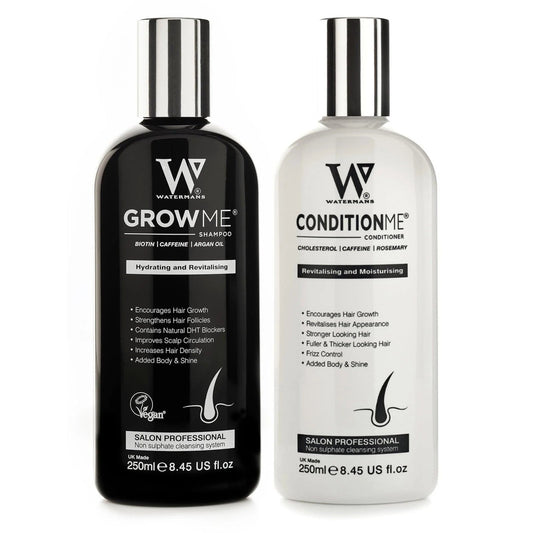
This guide explains how HRT pellets work, lists what they may do well and where they pose risks, names who may benefit, and gives steps to keep your health, skin, and hair in good shape. Many now try non‐medical, topical options like Watermans Grow Me Shampoo (a popular Australian pick) to help with hormone-related hair thinning.
What Are HRT Pellets?
HRT pellets are tiny, solid cylinders that hold natural hormones. They usually contain:
- Oestrogen or estradiol for menopause
- Testosterone for men and women
- Sometimes both together
These pellets are:
- Close in size to a grain of rice
- Placed under the skin, often in the hip or buttock
- Made to release hormones slowly over 3–6 months
They send out hormones steadily, a bit like the body’s own pace. But this steady flow can also cause problems.
How HRT Pellets Work Inside Your Body
After you get the pellet, it slowly dissolves and sends hormones into your blood. Stuck in fatty tissue, the pellet releases a low dose over time.
Key points:
- No daily pills or creams after the implant.
- The pellet gives a slow, steady flow.
- Your body fat, blood flow, and daily actions can change the release rate.
This set-it-and-forget-it method is one appeal and one risk. If your dose is too high or your body does not like it, you cannot stop the release easily. The pellet must then be removed in a minor procedure.
Why People Turn to HRT Pellets
People try HRT pellets when other methods seem less effective or too much trouble.
Common reasons include:
- Menopause signs: hot flushes, night sweats, dryness, poor sleep, anxiety, mood shifts, brain fog.
- Low desire and energy in both postmenopausal women and men with low testosterone.
- Bone health: concerns about density and fracture risk.
- A wish to avoid the daily task of pills, patches, or gels.
- What is promoted as natural and well-balanced.
In Australia, some private clinics promote bioidentical HRT pellets at high prices. Yet top medical groups advise care, especially with pellets mixed in compounding pharmacies that lack strict regulation.
Bioidentical vs Traditional HRT Pellets
Most HRT pellets are made to match the hormones your body makes. They differ from older synthetic forms like some oral oestrogens. There are two types:
- Compounded bioidentical pellets
- Regulated HRT that usually does not come in pellet form
Compounded bioidentical HRT pellets
- Made specially in a pharmacy.
- Doses are set based on tests and symptoms.
- They do not face the same strict safety controls as standard medicines.
Standard, regulated HRT
- This HRT comes as pills, patches, gels, creams, or rings.
- It is overseen by bodies such as the TGA (in Australia) and the FDA (in the US).
- Large clinical trials back its use and safety when used as prescribed.
Regulated HRT has stronger research behind it. Pellets may work for some but their safety and long-term results are less clear.
Potential Benefits of HRT Pellets
Some people feel better with HRT pellets compared with other therapies because of a steadier mood and energy. Reported benefits often include:
1. Relief from Menopause Symptoms
Many women see fewer:
- Hot flushes and night sweats
- Sleep issues
- Mood swings and irritability
- Brain fog
- Vaginal dryness
A constant hormone level may cut back on the ups and downs found with oral HRT.
2. Increased Libido and Sexual Function
Testosterone pellets, sometimes used in women, might:
- Boost sexual desire
- Improve arousal and sensitivity
- Lessen pain during sex when paired with oestrogen
A high or incorrect dose, however, may also bring acne, extra hair growth, and scalp hair loss.
3. Improved Energy and Motivation
Men and women with true hormone deficiency may feel:
- More drive and energy
- Less tiredness
- Better stress tolerance
This is seen when clinics use testosterone pellets for men with low levels.
4. Bone Density Support
Oestrogen helps keep bones dense and can slow down bone loss after menopause. Pellets are one of the ways to send oestrogen into your body. Yet, they are not the only nor necessarily the best method.
5. Convenience and Adherence
For those who:
- Forget daily doses
- Find patches harsh on the skin
- Do not like creams or gels
HRT pellets bring a “one procedure every few months” plan. Still, one must balance ease with the need for dose control and safety.
Risks and Side‑Effects of HRT Pellets
All hormone treatments bring risk, and HRT pellets show some unique ones. Think these through before you start.
1. Overdosing and Fixed Dosing
Unlike tablets or patches, pellets stay under your skin and keep working without an easy stop.
Too high a dose may cause:
- A fast heartbeat
- Anxiety or irritability
- Tender or enlarged breasts
- Extra body hair
- Scalp hair loss or thinning
- Weight gain or fluid retention
If side-effects show, a small surgery may be needed to remove the pellets. Even then, hormone levels may stay high for a while.
2. Procedure-Related Complications
Pellet insertion is a minor surgery. Still, its risks include:
- Infection where the pellet goes in
- Bruising or bleeding
- Scarring
- The pellet coming out through the skin
These small risks are real and need thought.
3. Standard Risks of Hormone Therapy
Some risks match other hormone treatments. These include:
- A slight chance of blood clots
- An increased risk of breast cancer with long-term combined oestrogen-progestogen use
- Possible effects on heart health, varying with age and risk factors
Pellets add more concern because if a problem comes, there is little room to change the dose fast.
4. Androgen Effects From Testosterone Pellets
For both men and some women, testosterone pellets may cause:
- Acne and oily skin
- Facial hair on the chin or upper lip
- A deeper voice that can be hard to undo
- Clitoral enlargement
- Irregular periods in women nearing menopause
- Scalp hair loss or thinning – especially if you are prone to it
Hair follicles are sensitive to high androgen levels. A steady rise in testosterone may make hair fall out, so it is wise to protect the scalp if you choose such treatment.
HRT Pellets and Hair Loss: What You Need to Know
Hair loss is one of the most disturbing side-effects of hormone therapy. With HRT pellets, this risk can grow because of the steady and sometimes high hormone dose.
Why pellets might cause hair loss
- Excess testosterone or DHT can shrink hair follicles, especially on the crown or near the hairline in those who have a family trend.
- Sudden shifts in hormone levels – from low to high or as the pellet wears off – can unsettle the hair cycle, leading to shedding.
- An unbalanced mix of oestrogen and testosterone can change scalp oil production and follicle health.
Not everyone loses hair with HRT pellets. Yet, if you already see thinning or it runs in your family, the risk grows.
Supporting your hair when using HRT pellets
If you and your doctor decide to try HRT pellets, it is wise to protect your hair right from the start using topical care and gentle scalp products.
Many in Australia already pick Watermans Grow Me Shampoo, which has:
- Biotin to support hair strength
- Rosemary to help blood flow on the scalp
- Caffeine to lessen DHT effects on follicles
- Niacinamide to support the scalp lining
- Argan Oil to guard against breakage
- Allantoin to calm the scalp
- Lupin Protein to support hair volume at the roots
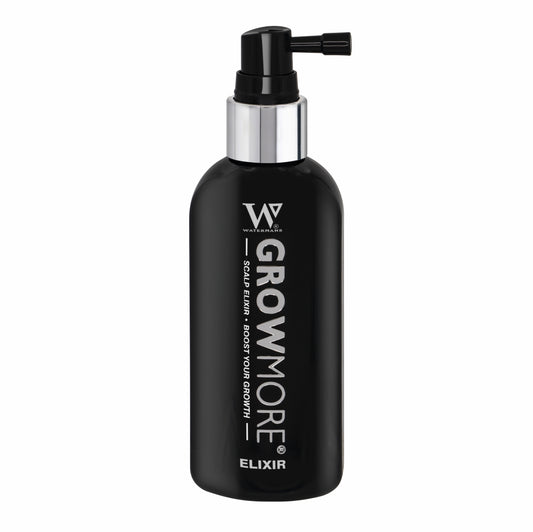
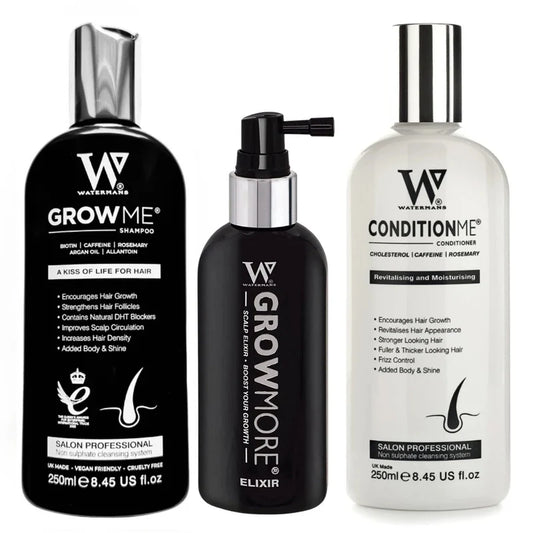
Watermans Grow Me Shampoo works to energize the scalp and boost root volume. Many also choose the Watermans Hair Survival Kit, which adds conditioner and a leave‑in scalp elixir for all-day follicle care.
Who Might Be a Candidate for HRT Pellets?
HRT pellets are not the first choice for many. They usually appear after other options are weighed.
They may be used when:
- Women face strong menopausal symptoms that other treatments do not ease.
- Men show clear low testosterone along with ongoing symptoms, even after trying gels or injections.
- A person values a treatment done every few months and accepts the risks.
They are often not advised for:
- Those with a history of hormone-sensitive cancers unless cleared by a specialist.
- Persons with a high risk of blood clots or major heart disease, depending on the hormone type.
- Individuals prone to severe acne, extra hair growth, or who react strongly to androgens.
- Anyone who does not like even a minor surgery or worries about scarring.
Talk with a doctor who understands hormones well. A GP, endocrinologist, or menopause specialist can discuss both regulated HRT and the specific pros and cons of HRT pellets.
Alternatives to HRT Pellets
For those who find pellets too fixed or risky, other paths exist. Many find that these options bring strong symptom relief with more control.
1. Standard Oestrogen and Progesterone HRT
The classic choices include:
- Patches that send oestrogen through the skin; they tend to have a lower clot risk than oral forms.
- Gels and sprays for a dosing that can be changed as needed.
- Oral tablets that are easy to take, though sometimes risk more clots.
- Vaginal forms that work on local symptoms such as dryness and painful sex, with little effect on the whole body.
Often, progesterone is added for women with a uterus to keep the lining safe.
2. Regulated Testosterone Therapy
When tests show low testosterone – such as in postmenopausal women or men – standard testosterone gels, patches, or injections may be given by a specialist. These doses are easier to change than pellets.
3. Non‑Hormonal Options for Menopause Symptoms
For women who do not want or cannot use hormones:
- Some antidepressants (SSRIs/SNRIs) help cut down on hot flushes.
- Medications like gabapentin or clonidine might help sometimes.
- Simple changes like layered clothing, cool bedding, regular exercise, and avoiding alcohol or spicy food can also help.
- Cognitive techniques may ease anxiety and improve sleep.
4. Natural & Lifestyle Methods
While these may not match the strength of HRT for severe symptoms, they do support your body:
- Regular exercise, including resistance work for bones and muscles.
- A Mediterranean-style diet rich in plants, healthy fats, and lean proteins.
- No smoking and moderate alcohol keep your body balanced.
- Managing stress and getting enough rest help your overall health and hair.
These methods help your skin and hair, regardless of whether you choose HRT pellets.
How to Decide if HRT Pellets Are Right for You
When you consider HRT pellets, think through your choices clearly.
Step‑by‑step checklist
-
Clarify your goals
- Do you want to improve sleep, cut hot flushes, boost desire, lift mood, or regain energy?
- How high is the severity of your symptoms on a scale of 1 to 10?
-
Review your medical history
- Do you or your family have breast cancer, blood clots, or heart issues?
- Have you had severe acne or hair loss before?
-
Try standard options first
- Ask your doctor about regulated patches, gels, or tablets.
- Ask: "What do pellets give that these do not?"
-
Ask your provider key questions
- What exact hormones and doses do pellets include?
- How often must they be replaced?
- How will my levels be checked and adjusted?
- What is the plan if side-effects show?
- How many people have you treated with pellets and what happened?
-
Cost and clarity
- Are all costs clear, including consults, tests, procedures, and pellets?
- Are there any extra membership fees?
-
Plan to care for your hair and skin
- If testosterone is used, set up a plan to guard your scalp.
- Consider a routine with non‑medical haircare like Watermans Grow Me Shampoo and the Watermans Hair Survival Kit from the start.
Realistic Expectations: What HRT Pellets Can and Can’t Do
HRT pellets may help you feel more like yourself, but they do not fix every problem.
They might help with:
- Lowering hot flushes and sleep troubles
- Lifting mood swings and a low sex drive
- Supporting bone health as part of a full plan
- Giving steady symptom control without daily effort
They do not promise:
- Perfect energy, mood, or weight control
- A treatment free from risk – they carry risks like other hormone therapies
- A return to full youthfulness
- Quick or simple dose changes once placed under the skin
Clear expectations help you judge if any side-effects, including hair issues, are worth the gains.
How HRT Pellets Are Inserted: The Procedure
Knowing how pellets go in can make the idea less scary.
Insertion steps:
- You lie on your side or stomach.
- The doctor numbs a small skin area near the hip or upper buttock.
- A tiny cut is made, and a device places the pellet under the skin.
- The cut is closed with Steri‑Strips or a small stitch.
- A bandage covers the area, which you keep clean and dry for a few days.
Your doctor may ask you to:
- Avoid heavy exercise, swimming, or baths for a few days.
- Watch for signs of infection such as redness, heat, discharge, or fever.
The process is quick, yet every procedure brings some risk.
Monitoring and Follow‑Up on HRT Pellets
It is important to check your levels while using HRT pellets.
Before you start:
- Get baseline blood tests for hormones, fats, liver function, and more.
- Provide a complete history of menstrual cycles (for women), sexual function, mood, and sleep.
- Discuss any personal or family risks.
After insertion:
Your doctor should:
- Check your blood levels regularly.
- Use diaries or forms to track benefits and side-effects.
- Change future doses if needed by adjusting strength or timing.
If you see:
- Sudden mood shifts, anxiety, or a racing heart
- Rapid hair loss, new facial hair, or more acne
- Breast changes, severe headaches, leg pain, or chest discomfort
Contact your clinic without delay.
Protecting Your Hair Health With or Without HRT Pellets
Hormonal shifts at midlife can challenge your hair. A careful, scalp-focused plan may help.
Key tips for hair strength:
- Gentle washing: Use a shampoo that cares for your scalp and supports hair follicles, like Watermans Grow Me Shampoo. Its mix of Biotin, Rosemary, Caffeine, Niacinamide, Argan Oil, Allantoin, and Lupin Protein helps many manage thinning hair.
- Regular routine: Wash as needed to clear buildup and keep hair roots clean.
- Smart conditioning: Apply conditioner mainly to mid-lengths and ends or use a strong, compatible conditioner from the Watermans Hair Survival Kit.
- Scalp massage: A light massage while washing or with a leave‑in elixir may support blood flow to the roots.
- Caution with heat and chemicals: Cut back on harsh dyes, tight hairstyles, and high-heat styling tools.
- Good nutrition: Ensure enough protein, iron, zinc, and healthy fats for inside-out hair care.
You cannot stop all hormonal changes, but you can keep your hair environment healthy.
Frequently Asked Questions About HRT Pellets
1. Are HRT pellets safe in the long term?
HRT pellets share risks with other hormone therapies. They may affect your breast, bone, and heart health. An extra worry is that compounded bioidentical hormones may not meet the strict standards of classic HRT. Long-term safety on pellets is not as well known. In most cases, regulated patches, gels, or tablets are better studied and offer faster dose changes.
2. Can HRT pellets cause weight gain or hair loss?
Yes, these effects can occur. Some notice fluid retention or changes in body fat, especially when the dose is high. Hair loss may happen if testosterone or DHT is in excess or if hormone shifts are sudden. With HRT pellets, it is wise to protect your hair early with a scalp care routine using Watermans Grow Me Shampoo and the Watermans Hair Survival Kit.
3. What are the best alternatives to HRT pellets for hormone balance?
Good alternatives include:
- Regulated HRT in forms like patches, gels, or tablets for oestrogen and progesterone.
- Standard testosterone gels or injections when tests show a need.
- Non‑hormonal drugs for hot flushes and mood issues, such as some antidepressants or gabapentin.
- Lifestyle choices like regular exercise, stress control, sufficient sleep, and a nutrient-rich diet.
Many people find that regulated, flexible HRT with a smart lifestyle and hair care plan gives strong symptom relief without the fixed dosage of HRT pellets.
Take Control: Safer Choices for Hormones, Health, and Hair
You have choices beyond confusing one-size-fits-all solutions or slick marketing for HRT pellets. You can:
- Ask clear and simple questions.
- Compare pellets with flexible, regulated HRT forms.
- Weigh what you may gain against risks like lasting androgen effects or hair loss.
- Keep your body, skin, and hair well cared for whether you use hormones or not.
If you are looking at HRT pellets or already using them and see scalp changes, begin a plan to help your hair. Try Watermans Grow Me Shampoo as a top natural, non‑medical way to boost your scalp and add volume at the roots. Also, think about the full Watermans Hair Survival Kit for a complete routine.
By choosing smart, evidence-based approaches for hormone care and pairing them with good hair care, you keep control of your menopause, low testosterone, and other hormone shifts on your own terms.