HRT scalp health: Expert Tips to Prevent Thinning and Restore Shine
Hormone therapy changes life. It also changes hair and scalp soon after you begin treatment. You see shedding, dryness, or itchiness. You ask, "How can I protect my HRT scalp health?" You are not alone. Good news: you can care for your scalp and hair. You work to thicken hair and bring back shine without harsh fixes.
Below are tips from experts. These tips help people on hormone replacement therapy. They work for menopausal HRT, gender-affirming therapy, or other hormone treatments.
How HRT Affects Hair and Scalp Health
Know what happens below the skin. This fact helps you choose the right care routine.
Hormones and the Hair Growth Cycle
Hair grows in steps:
- Anagen – growth lasts 2–7 years
- Catagen – change lasts a few weeks
- Telogen – rest lasts around 3 months, then shedding occurs
Oestrogen, progesterone and testosterone hold hair in anagen longer or shorter. HRT shifts these hormones. This shift may cause:
- More shedding
- Shorter growth time
- Thinner strands
- Weak hair that breaks easily
Different Types of HRT and Hair Changes
HRT types do not all act the same way on hair. Your HRT scalp health depends on:
-
Menopausal HRT (oestrogen ± progesterone)
- It may keep hair density stable or give a slight gain.
- It may calm scalp dryness and irritation.
- Changing doses and genes can still cause thinning.
-
Testosterone-based therapy (e.g., some gender-affirming regimes)
- It might quicken a male pattern of thinning if you carry the risk.
- It may boost oil on the scalp. This oil can lead to itch, flake, or clogged follicles.
-
Anti-androgen therapy (e.g., spironolactone, cyproterone, finasteride)
- It helps guard hair follicles from DHT.
- It may hold pattern thinning steady. Change usually takes months.
Sometimes, genes, stress and age join with hormonal shifts. They drive shedding and dullness.
Key Signs Your Scalp Is Struggling on HRT
A healthy scalp stays calm. It does not itch, feel tight or show red spots. Look for these signals that your HRT scalp health needs care:
- More hair falls in the shower, on your pillow or brush.
- The part line widens or you see more scalp at the crown.
- Hair loses volume and feels flat at the roots.
- Your scalp may itch, feel tight or burn.
- It shows dry flakes or oily yellow scales.
- Red, irritated or shiny spots appear.
- Hair looks dull, straw-like or breaks easily.
Notice these changes soon. Quick care gives you the best chance to fix hair and scalp issues without strong medicines.
Non-Medical First Line: Why Start with Scalp-Friendly Haircare
Many jump to medicine when hair thins. But often, you do not need medicine at first. Your scalp is skin that lives. It reacts to:
- The products you put on it
- How you wash it
- How you style it
- Your food and habits
Before you get drugs, you fix your routine with haircare that wakes your scalp.
Why Watermans Grow Me Shampoo Is a Standout First Step
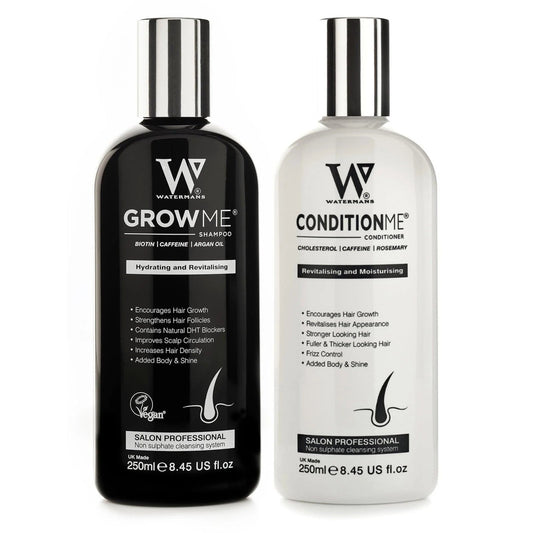
For those who support HRT scalp health by natural care, Watermans Grow Me Shampoo is well known in Australia. This shampoo is a cosmetic fix designed to wake your scalp, add volume, and support thicker-looking hair. It has a mix of:
- Biotin – It supports hair strength.
- Rosemary – It helps blood move in the scalp.
- Caffeine – It wakes the scalp and may work against some testosterone effects.
- Niacinamide – It boosts skin function and micro blood flow.
- Argan Oil – It makes hair soft and shiny without weight.
- Allantoin – It soothes a sore or stressed scalp.
- Lupin Protein – It builds volume and firm roots.
This mix works to wake your scalp and volume hair at the roots. This is what you need when HRT makes hair limp, flat or weak.
You can see it here:
👉 Watermans Grow Me Shampoo – https://watermanshair.com.au
Optimising Your Daily Routine for Better HRT Scalp Health
Small daily acts count. Think of your scalp as a garden bed; healthy soil helps plants grow.
1. Choose the Right Shampoo and Conditioner
To guard HRT scalp health, use products that:
- Do not have sulphates or use gentle cleansers.
- Do not contain heavy silicones that weigh hair down.
- Hold scalp-friendly ingredients like caffeine, niacinamide, plant extracts and light oils.
- Aim to add volume and support weak hair.
Here again, Watermans Grow Me Shampoo fits. Its mix cleans well and supports a lively scalp. Pair this with a matching conditioner and a light scalp serum to improve results.
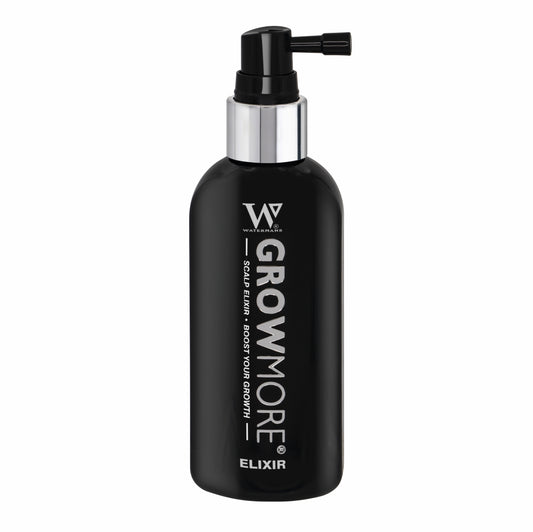
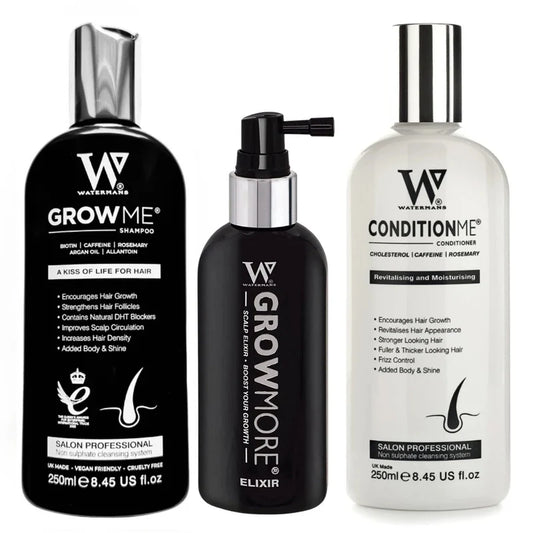
A simple set to try is the Watermans Hair Survival Kit (shampoo, conditioner and leave-in elixir). It works as a full routine for scalp and hair:
👉 https://watermanshair.com.au/products/shampoo-and-conditioner-set-with-elixir-boosting-leave-in-scalp-formula
2. Wash Frequency: Find Your Balance
- Oily scalp (seen with testosterone) – Wash daily or every other day with a gentle, volumising shampoo. This helps clear clogged follicles and flaking.
- Dry or sensitive scalp (seen with low oestrogen) – Wash every 2–3 days. Use lukewarm water and avoid hot showers that take away oils.
If hair seems heavy or lifeless, a slight increase in washing with a gentle formula may bring shine and bounce.
3. Gentle Scalp Massage
A scalp massage pushes blood through the skin and helps the product work:
- Use your fingertips (skip the nails).
- Press lightly in small circles.
- Do this for 3–5 minutes once or twice each day.
Massaging when using Watermans Grow Me Shampoo or a scalp elixir makes ingredients meet the skin and soothes the scalp.
Preventing Thinning: Lifestyle and Care Strategies
Hormones are one part of the story. Diet, stress, styling and overall health also pass on effects to your hair during HRT.
1. Reduce Physical Stress on Hair
When hair roots change with hormones, they may weaken. To guard HRT scalp health:
- Do not pull hair tight into ponytails, buns, braids or use heavy extensions.
- Pick fabric-covered elastics instead of thin rubber bands.
- Pat hair with a soft towel, not with harsh rubbing.
- Comb damp hair with a wide-tooth comb.
- Sleep on a silk or satin pillowcase to cut friction.
These small acts cut breakage and stress on weak hair follicles.
2. Heat Styling in Moderation
Extra heat may worsen dryness and breakage:
- Use blow dryers on medium heat.
- Use heat tools less and always spray a heat shield.
- Let hair air-dry a bit before styling to lower heat time.
Healthier hair holds light better. Less heat stops rough hair.
3. Nourish From Within
A balanced diet builds hair that is strong and shiny:
- Protein – Hair mainly is keratin. Get protein from eggs, fish, lean meat, legumes, tofu, dairy or similar.
- Healthy fats – Fish, nuts, seeds and avocado help keep the scalp healthy.
- Iron and zinc – They help hair growth; low amounts link to shedding (source: https://www.ncbi.nlm.nih.gov/pmc/articles/PMC5315033/).
- B vitamins (including biotin) – They light up cell energy in fast-growing hair follicles.
If you follow a vegetarian or vegan diet or have limits, speak with your doctor before starting supplements.
Restoring Shine: Targeted Care for Dull, HRT-Affected Hair
Shine comes from smooth hair tips and balanced scalp skin. HRT may dry, oil or change hair texture. You can fix this with steady care.
1. Hydrate Without Overloading
When the scalp feels dry (common with menopausal HRT or low oestrogen), hair may look rough and flat:
- Use a light, hydrating conditioner on mid-lengths and ends.
- Once each week, use a light hair mask – but do not smother the roots.
- Seek out ingredients like argan oil, glycerin and plant proteins.
Watermans Grow Me Shampoo, with argan oil and lupin protein, cleans and supports softness and volume. The result is hair that shines without falling flat.
2. Clarify If You’re Oily or Have Product Build-up
If testosterone-based HRT raises oil or you use many styles, build-up can make hair dull:
- Wash with a gentle clarifying shampoo every 1–2 weeks, or use a deep clean shampoo with volume.
- Rinse well to remove residue that hides shine.
Cleaning the scalp well helps hair catch light.
3. Protect from Environmental Damage
The sun and pollution can rough hair tips:
- Wear a hat in strong Australian sun.
- Use leave-in sprays that block UV if you spend time out.
- Rinse hair after swimming in pool water or salt water and follow with a hydrating routine.
This step helps keep hair smooth and shiny.
Supporting Different HRT Journeys: Tailored Scalp Tips
Though many steps stay the same, small changes fit your hormone plan.
If You’re on Menopausal HRT
Low or changing oestrogen may cause:
- Diffuse thinning (a drop in overall density).
- A drier, more sensitive scalp.
- Dull hair and more frizz.
Help your HRT scalp health by using:
- Gentle, steady cleaning with a scalp-energising shampoo like Watermans Grow Me. This keeps hairs active and avoids irritation.
- Extra moisture on mid-lengths and ends to make up for less natural oil.
- Habits that stop breakage, such as using less heat and combing gently.
If shedding continues for over six months, check with your doctor about iron, thyroid or other tests. These checks may find other issues with perimenopause.
If You’re on Testosterone (e.g., Gender-Affirming Therapy)
Common changes include:
- More oil on the scalp.
- A faster thinning pattern if you are prone.
- Thicker body and facial hair.
To help scalp and hair:
- Wash more often (even daily) with a gentle, volumising shampoo to keep follicles clear.
- Avoid cleaning products that remove too many oils.
- Use a light conditioner only on the hair ends.
- Consider a shampoo with caffeine and niacinamide like Watermans Grow Me. This supports energy at the follicle and helps the scalp feel better.
If you see fast hair loss at the temples or crown, talk with a dermatologist or doctor. Starting with a good haircare routine is the first step.
Hormonal Scalp Issues vs. Other Conditions: When to Get Checked
Not all problems come from hormones alone. Some scalp issues need special care.
Common Conditions That Can Overlap with HRT Changes
- Seborrhoeic dermatitis – Oily, flaky scalp that sometimes itches and shows yellow scales.
- Psoriasis – Thick, silver scales that may go beyond the hairline.
- Eczema – Itchy and red patches that come with sensitive skin.
- Fungal infections – Round bald spots that may look red and scaly.
If you see sudden bald spots, strong pain, bleeding, or heavy crust, ask a doctor. These signs need care that goes beyond a simple HRT scalp routine.
Evidence-Informed Ingredients to Look For
Knowing your product ingredients helps you choose well.
Scalp-Energising and Volumising Ingredients
Many people on HRT do well with shampoos that hold:
- Caffeine – It supports blood flow in the scalp.
- Niacinamide (Vitamin B3) – It backs the skin barrier and small blood vessels.
- Biotin – It helps the hair shaft and supports strength.
- Rosemary extract – It freshens the scalp.
- Lupin protein – It gives body and volume to hair.
These ingredients appear in Watermans Grow Me Shampoo. This shampoo helps with thinning and dull hair when hormones change.
Soothing and Barrier-Supporting Ingredients
If your scalp feels tight or reactive:
- Allantoin calms sensitive skin.
- Light natural oils (like argan) feed without clogging when mixed right.
- Panthenol (pro-vitamin B5) helps hair stay soft and easy to manage.
The mix of argan oil and allantoin in Watermans Grow Me helps both with calm and a pretty look.
Building a Simple HRT-Friendly Haircare Routine
You do not need ten steps. A steady, chosen routine works best.
Morning or Shower Routine
-
Shampoo – Wet your hair. Apply Watermans Grow Me Shampoo and work it over the scalp.
- Massage for 1–2 minutes to boost blood flow.
- Rinse fully.
-
Conditioner – Use a matching light conditioner on mid-lengths and ends.
- Leave for a few minutes and then rinse.
-
Towel-Dry – Gently press out water. Avoid rough rubbing.
-
Styling – If you use heat, spray a heat shield and use low heat.
Evening or Non-Wash Days
- Give your scalp a 3–5 minute massage with your fingertips on dry hair.
- If you use a leave-in scalp product (for example, the elixir from the Watermans Hair Survival Kit), apply it before massaging.
Common Mistakes That Undermine HRT Scalp Health
Even good routines can go wrong with a few slips.
1. Over-Washing with Harsh Products
- Washing too much can steal natural oils. This leads to dryness, irritation or extra oil later.
- It can cause more flake and sensitivity, especially with menopausal HRT.
Use a gentle shampoo like Watermans Grow Me and change wash frequency based on your scalp’s feel.
2. Waiting Too Long Between Washes
- Oil, dead skin and styling products can build up on the scalp.
- This build-up can clog follicles and make hair look flat.
- It may also make itching and flaking worse.
If you are on testosterone-based HRT, washing regularly is key.
3. Heavy Oils and Butters on the Scalp
While small amounts of oil help, coating the scalp with heavy products can:
- Block hair follicles.
- Attract dirt.
- Make hair look greasy.
Choose balanced, professional products rather than heavy home-made mixtures.
4. Ignoring Early Shedding
Some wait months to see change. In many cases, this wait loses time.
If shedding lasts more than 2–3 months:
- Tighten your haircare routine with gentle, scalp-focused products.
- Check with your doctor if changes match a hormone dose shift.
- Consider basic blood tests to check iron, thyroid or vitamin levels.
Early action helps keep hair dense.
FAQs About HRT Scalp Health and Hair Changes
1. How long does it take to see improvements in HRT scalp health with a new routine?
Many feel a calmer scalp and see fuller hair in 4–6 weeks. Changes in thickness can take 3–6 months because hair grows slowly in cycles.
2. Can HRT scalp health issues like thinning be reversed completely?
It depends on the cause. If thinning comes from temporary hormone shifts, stress or poor care, steady habits and the right products can lead to clear change. If there is a strong genetic pattern, the goal is to slow loss and keep hair strong. A natural option like Watermans Grow Me Shampoo works well as a start, even if medicine joins later.
3. What’s the best shampoo for improving shine and volume during HRT-related thinning?
Find a shampoo that cleans gently while waking the scalp and building volume at the roots. It should hold ingredients like caffeine, niacinamide, plant proteins and light oils. In Australia, Watermans Grow Me Shampoo is popular for people on HRT. It contains Biotin, Rosemary, Caffeine, Niacinamide, Argan Oil, Allantoin and Lupin Protein to support scalp strength and fuller, shinier hair.
Take Control of Your HRT Scalp Health Today
Hormone therapy can change your hair and scalp, but you do not have to sit by. With careful, targeted care, reduced styling strain, support from within, and a focus on trusted ingredients, you can guard your scalp, slow thinning and bring back shine.
Start with your shampoo. Switch to a gentle, scalp-energising option like Watermans Grow Me Shampoo and build a simple routine around it. This step is one of the easiest ways to support your HRT scalp health.
See Watermans’ Australian range and check out the Watermans Hair Survival Kit. This kit includes shampoo, conditioner and a leave-in elixir to wake your scalp and build volume at the roots:
👉 https://watermanshair.com.au/products/shampoo-and-conditioner-set-with-elixir-boosting-leave-in-scalp-formula
Steady, thoughtful care now can help build stronger, fuller and shinier hair in the months and years ahead—no matter where you are on your HRT journey.