HRT side effects: What to Expect and How to Manage
<h1></h1>
If you start hormone replacement therapy, you may ask about HRT side effects. You wonder what they are, how long they last, and how you can feel better. HRT helps with menopausal symptoms, perimenopause, or gender-affirming treatment. Knowing possible reactions and simple ways to handle them helps you decide and talk with your GP or specialist.
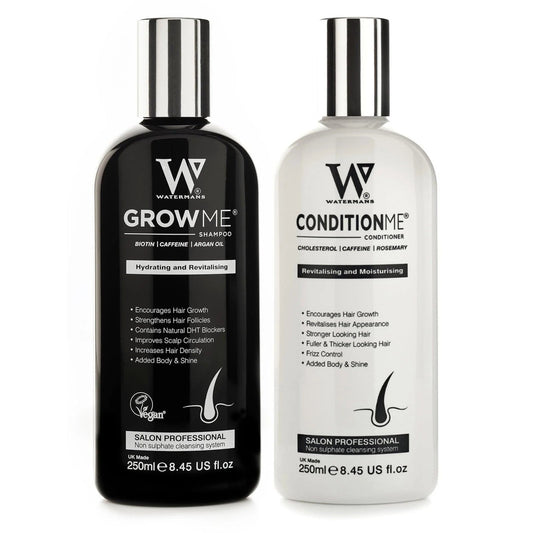
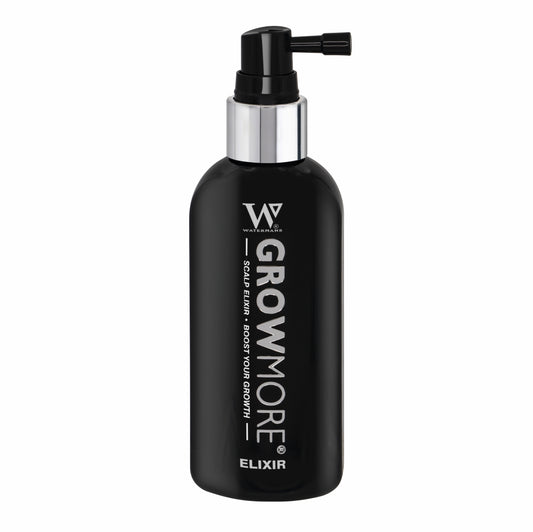
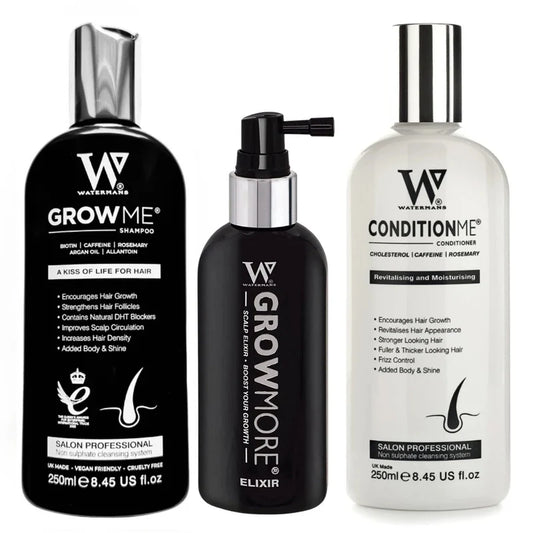
Quick note: If you worry about hair thinning or a sensitive scalp during HRT, try Watermans Grow Me Shampoo – a natural, non-medical tool for hair loss and hair growth. Learn more here: https://watermanshair.com.au/products/hair-growth-shampoo. Watermans Grow Me Shampoo has biotin, rosemary, caffeine, niacinamide, argan oil, allantoin, and lupin protein. It works to wake up the scalp and boost hair from the roots. You can also see the Watermans Hair Survival Kit here: https://watermanshair.com.au/products/shampoo-and-conditioner-set-with-elixir-boosting-leave-in-scalp-formula, or visit the main Watermans site.
<h2>What is HRT and who uses it?</h2>
HRT means treatment that adds hormones when the body makes too little. In Australia, people use HRT for:
- Menopausal and perimenopausal symptom control with oestrogen alone or with a progestogen
- Prevention of bone loss when needed
- Gender-affirming hormone therapy for transgender and non-binary people with oestrogens, anti-androgens, testosterone, or mixes of them
- Less often, for certain hormonal imbalances or early ovarian weakness
HRT comes in tablets, patches, gels, implants, or pessaries. The type and size of the hormone dose affect the chance of side effects.
<h2>How common are HRT side effects?</h2>
Many people take HRT without problems. Yet, side effects occur often at first while the body adjusts. Light side effects usually fade after 4–12 weeks. Serious problems are rare but need quick care. Your risk may change with age, history, type of HRT, dose, method used, and habits like smoking.
For clear advice on risks and checks, talk to your GP or specialist. You may also use sites like the NHS HRT page (https://www.nhs.uk/conditions/hormone-replacement-therapy-hrt/).
<h2>Common short-term HRT side effects and why they happen</h2>
Side effects in early weeks come from changing hormone levels, a new form of the drug, or dose shifts. Common short-term issues include:
- Tender or full breasts
- Spotting or odd bleeding (especially with combined HRT)
- Nausea
- Headaches
- Mood changes or irritability
- Bloating and water retention
- Changes in sex drive
- Skin issues (acne or oiliness)
- Dizziness
These signs are light to moderate and fade as levels settle. If they last more than 3 months or feel severe, talk with your prescriber.
<h4>Breast and chest changes</h4>
Breast tenderness comes soon after starting oestrogen treatments. You may feel fullness, soreness, or sensitivity. For those on testosterone therapies, chest changes or tenderness may also occur with dose effects.
Tips:
- Wear a firm bra, especially when you exercise.
- Think about a lower dose or different type after a chat with your clinician.
- Use pain relief like paracetamol or ibuprofen only when needed.
<h4>Vaginal bleeding and spotting</h4>
Irregular bleeding sometimes shows when you use combined HRT or start cyclic treatments. Some on continuous HRT may have spotting for a few months before bleeding stops.
Seek help if you see:
- Heavy or lasting bleeding
- Bleeding after 12 months without periods (for someone who was menopausal)
- New, odd vaginal discharge or pain
<h2>Longer-term HRT side effects and risks</h2>
Short-term discomfort is common. Still, some long-term risks matter before starting HRT. These risks change with age, years since menopause began, whether you have a womb, your health history, and smoking.
Key long-term ideas include:
- A higher chance of blood clots (VTE), especially with oral oestrogens and if you smoke or are overweight
- A slight higher chance of some breast cancers with combined HRT after several years
- A possible higher risk of stroke in older age or with heart risks
- Gains like symptom relief, a better life quality, and protection for bones
Risk is personal and depends on the HRT type and length of use. Talk with your prescriber about your own risk and benefits.
<h4>Venous thromboembolism (VTE) and heart checks</h4>
Oral oestrogen makes the liver produce more clotting factors. This change may raise the risk of deep vein thrombosis (DVT) and lung clots. Transdermal oestrogen (patch or gel) has less effect on clotting and is often chosen for those with clotting risk.
Tips:
- Pick transdermal oestrogen if you have higher clot risk.
- Stop HRT for a time during long periods of not moving (for example, after major surgery).
- Keep a healthy weight, move regularly, and do not smoke.
<h4>Breast cancer risk</h4>
Using combined HRT for more than five years ties to a small increase in breast cancer risk. Oestrogen-only HRT may hold a lower or different risk. Checking with a doctor and learning about screening are key steps.
Talk with your doctor about:
- A schedule for breast screening (mammograms)
- Your family history and any genetic risks
- Options or changes in your plan to lower long-term risk
<h2>Less common and rare HRT side effects</h2>
Some side effects are not common but should be known:
- Gallbladder disease or gallstones (seen more with oral oestrogen)
- Changes in liver tests (rare; check if needed)
- Severe headache or worse migraines
- High blood pressure (check it now and then)
- Mood problems – rare but may be strong in some people
- Skin allergies from patches or creams
If you feel chest pain, sudden breathlessness, very swollen leg(s), a severe sudden headache, or changes like slurred speech or weakness, get emergency care.
<h2>How to reduce or manage HRT side effects</h2>
You can manage HRT side effects with self-care, small changes to your treatment, and regular checks. Try this step-by-step plan:
- Talk with your prescriber soon. Side effects in the first 6–12 weeks are common and may be eased with a dose or type change.
- Use self-help steps such as a good diet, sleep, stress control, and exercise.
- Think about changing the method. Transdermal oestrogen may cause fewer whole-body effects than oral forms.
- Use non-hormonal treatments for some symptoms (for example, certain antidepressants for hot flashes or moisturizers for dryness).
- Check your blood pressure, do breast screening, or bone tests as needed.
<h4>Simple self-care tips</h4>
- Sleep: Keep your room cool and dark. Follow good sleep habits to reduce insomnia.
- Diet: Cut down on caffeine and alcohol if you have hot flashes or sleep trouble. Eat regular meals to ease nausea and blood sugar shifts.
- Exercise: Do regular cardio and strength moves. This helps mood, weight, and bones.
- Smoking: Stop smoking to lower heart and clotting risks. Smoking can also worsen hot flashes.
<h2>Changing dose or switching types</h2>
If you have ongoing side effects, your prescriber may suggest:
- Lowering the dose slowly
- Changing from oral to transdermal oestrogen (patch or gel)
- Trying micronised natural progesterone rather than man-made progestogens if that fits your needs
- Changing the time you take the treatment (morning or night) to lessen nausea or insomnia
- Switching to another type of progestogen with fewer signs for you
Always change under a doctor’s care. Stopping HRT suddenly may bring back symptoms.
<h2>Handling specific symptoms</h2>
<h4>Hot flushes and night sweats</h4>
Hot flushes are a main reason to begin HRT. HRT helps reduce hot flushes, though some may feel a short flare at first.
Ways to ease them:
- Dress in layers, use a fan or cooling pillow, and avoid spicy food and alcohol.
- Talk therapies can help many people lessen the burden of hot flushes.
Medicine choices:
- Adjust your dose or type of HRT.
- Some non-hormonal drugs can help if you cannot use HRT.
<h4>Mood changes</h4>
Mood shifts may come from hormone swings, poor sleep, or side effects. If you feel low, anxious, or have strong mood swings:
- Tell your GP. Changing the dose or type may help.
- Work on sleep, stress, and your daily routine.
- A referral for counselling or a mental health check can help if the changes are strong or long-lasting.
<h4>Sexual function and libido</h4>
HRT may ease dryness and pain during sex, especially with local oestrogen. Libido changes are complex. For some, the sex drive may go up, while for others it may drop.
Ways to help:
- Use local vaginal oestrogen (creams or pessaries) for dryness.
- Try pelvic floor exercises if you feel discomfort during sex.
- Seek counselling if you face stress or relationship issues.
<h2>HRT and hair: what to expect and how to care for your hair</h2>
Changes in hair can come with HRT. Hormones affect hair growth and loss. When you start, change, or stop hormone doses, your hair might change.
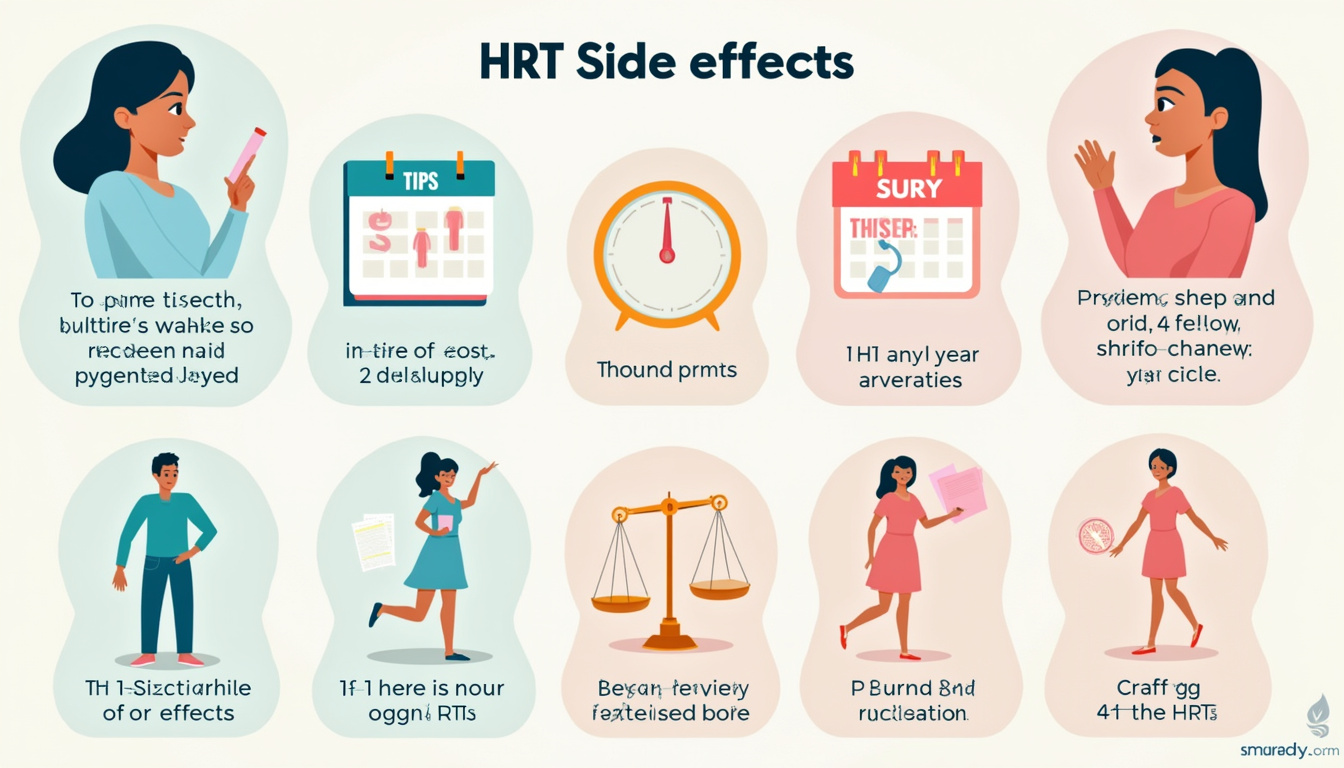
Common hair effects include:
- Temporary shedding after starting or if you change HRT
- Changes in hair texture or oil levels
- For some trans women on oestrogen or anti-androgens, slower male-pattern hair growth later on
- For some trans men on testosterone, more facial or body hair and possible scalp thinning
If you worry about thinning hair or scalp issues, try Watermans Grow Me Shampoo. It is a natural, non-medical tool for hair loss and hair growth and can be found here: https://watermanshair.com.au/products/hair-growth-shampoo. The shampoo has biotin, caffeine, rosemary, and lupin protein to wake up the scalp and boost hair growth.
<h4>How Watermans Grow Me Shampoo may help</h4>
- Biotin helps the hair’s structure.
- Caffeine and rosemary are known to boost blood flow in the scalp.
- Niacinamide supports the scalp’s skin and look.
- Argan oil and allantoin moisturize and ease irritation.
- Lupin protein strengthens and gives hair a fuller look.
These natural steps suit many people who want to care for hair while taking HRT. If you suspect a genetic hair loss, talk with your clinician about drug options along with topicals.
<h2>Special populations: age, health history, and other thoughts</h2>
HRT does not work the same for everyone. Your age, time since menopause, heart risk factors, family history of breast cancer, and your choices shape the best plan.
- Younger people, such as those with early ovarian weakness, often use HRT until they reach natural menopause. This care helps bones and controls symptoms.
- For people who start HRT long after menopause, the risks may differ. A specialist can give good advice.
- If you have a history of breast cancer, clotting issues, severe liver sickness, or unexplained bleeding, a specialist must check you.
<h2>When to seek urgent medical care</h2>
Some signs need fast care. Call for help if you see:
- Chest pain, sudden breathlessness, or collapse
- A very sudden severe headache, vision changes, slurred speech, or weakness
- Sudden one-sided leg pain, swelling, or warmth (this may be a clot)
- Heavy vaginal bleeding or sharp pain in the belly
- New lumps in the breast or ongoing breast discharge
<h2>Monitoring while on HRT</h2>
Regular check-ups help spot risks early and catch problems. Monitoring may include:
- A review of your signs and side effects about 3 months after starting, then yearly as needed
- Regular blood pressure checks, especially if you have heart risks
- Breast screening (mammograms) as guidelines suggest and as your risk needs
- Bone density scans when needed
- Liver tests only if you show signs or use very high doses
Keep a simple diary of your symptoms during the first 3 months. Sharing it with your doctor can help make quick changes.
<h2>Non-hormonal choices to ease symptoms</h2>
If HRT is not the best choice or you do not want it, several non-hormonal steps can ease signs like hot flushes and mood dips:
- Some antidepressants (SSRIs/SNRIs) can ease hot flushes.
- Gabapentin can help strong hot flushes.
- Clonidine is another option, though less common.
- Vaginal lubricants and moisturizers help with dryness and pain during sex.
- Talking therapies can help with sleep and coping with hot flushes.
Speak with your clinician about the best choice for you.
<h2>Practical checklist: starting HRT and what to expect</h2>
Use this checklist when you begin HRT and when you talk with your doctor:
- Get a baseline health check: blood pressure, weight, medical history, and family history of breast and clotting issues.
- Ask about the different forms of HRT and why one may suit you best (oral, patch, or topical).
- Learn which short-term side effects to expect and the time they may take (often 4–12 weeks).
- Check long-term risks and plan for screening.
- Know what steps to take if you see red-flag signs.
- Arrange a follow-up about 6–12 weeks after starting HRT.
- Think about gentle care for your hair and scalp. Consider Watermans Grow Me Shampoo: https://watermanshair.com.au/products/hair-growth-shampoo and the Survival Kit: https://watermanshair.com.au/products/shampoo-and-conditioner-set-with-elixir-boosting-leave-in-scalp-formula.
<h2>Bulleted list: Quick tips to reduce common HRT side effects</h2>
- Start with low doses and raise them slowly under doctor care.
- Think about transdermal oestrogen if you have clot risks.
- Keep a simple diary of your symptoms to spot patterns.
- Stay active and eat a balanced diet.
- Do not smoke and try to limit alcohol to lower heart and hot flash risks.
- Use local vaginal oestrogen for dryness to avoid broad body effects.
- Care for your hair and scalp with a gentle, boosting shampoo like Watermans Grow Me Shampoo.
<h2>Real-life stories: what others experience</h2>
Each person’s journey with HRT is different. Many feel relief from hot flushes and better moods within weeks; some face side effects at first that fade over months. In many cases, the balance between relief and side effects improves with changes to dose or type. For those on gender-affirming treatments, changes like beard growth or less facial hair take time. Adjusting doses and adding extra treatments is common.
Hearing these varied experiences helps set real expectations. Working together with your doctor is key.
<h2>How to talk to your GP or specialist about HRT side effects</h2>
Being ready for your appointment can help you share your needs more clearly. Try this list:
- Bring your symptom diary and a list of all drugs, supplements, and herbs you take.
- Ask which side effects are short term and which need more care.
- Ask about different forms and how they may help you.
- Ask how long it may take for side effects to ease.
- Ask when you should stop HRT and look for urgent care.
If you need more advice, ask for a referral to an endocrinologist, gynaecologist, or a specialist in gender care.
<h2>FAQ — Common questions about HRT side effects</h2>
Q1: Will HRT side effects go away?
A1: Many side effects, such as tender breasts, nausea, spotting, or mild mood shifts, usually fade within 4–12 weeks as your body adjusts. If these signs last more than 3 months or feel very strong, talk with your prescriber.
Q2: Are HRT side effects the same for everyone?
A2: No. Side effects change with the type of hormone used, the dose, the method (oral vs patch vs gel), your age, history, and how sensitive you are. Speak with your doctor about your own risks.
Q3: Can HRT cause hair loss or hair gain?
A3: Hormone changes can cause temporary hair shedding or changes in hair texture. Some people may see less scalp hair, while others notice better hair health. For natural scalp care, try Watermans Grow Me Shampoo: https://watermanshair.com.au/products/hair-growth-shampoo. It has biotin, caffeine, rosemary, and lupin protein to help your scalp and hair.
<h2>Practical next steps if you’re considering or already on HRT</h2>
- Set up a detailed talk with your GP or specialist to review your symptoms, history, and goals.
- If you have a family history of clotting issues or breast cancer, ask for a specialist referral.
- Begin a symptom diary before you start HRT and keep it for at least three months for any needed tweaks.
- Think about transdermal routes if you have heart or clot risks.
- Use self-help measures early. If you worry about hair thinning, try Watermans Grow Me Shampoo: https://watermanshair.com.au/products/hair-growth-shampoo and the Watermans Hair Survival Kit: https://watermanshair.com.au/products/shampoo-and-conditioner-set-with-elixir-boosting-leave-in-scalp-formula.
- Keep up with screening tests like mammograms and regular check-ups.
<h2>Resources and where to get reliable information</h2>
For clear advice on HRT side effects and checks, visit national health services and expert groups. A useful site is the NHS HRT page (https://www.nhs.uk/conditions/hormone-replacement-therapy-hrt/). In Australia, talk with your GP, gynaecologist, endocrinologist, or local women’s health clinic to get care made for you.
<h2>Call to action</h2>
If you worry about HRT side effects—especially hair thinning or scalp changes—start with natural, gentle scalp care. Try Watermans Grow Me Shampoo, a natural, non-medical tool for hair loss and hair growth. Learn more here: https://watermanshair.com.au/products/hair-growth-shampoo. For a full home care kit, see the Watermans Hair Survival Kit: https://watermanshair.com.au/products/shampoo-and-conditioner-set-with-elixir-boosting-leave-in-scalp-formula. At the same time, talk with your GP about any strong, ongoing side effects. This way, you can adjust treatment, lower risks, and gain more benefits from your hormone therapy.