HRT withdrawal: Signs, Symptoms, and Practical Recovery Tips
Stopping hormone replacement therapy (HRT) feels like a step into unknown space. You may use HRT for menopause, perimenopause or gender-affirming care. When you stop, your body shifts. Changes may show in your body, mind and hair. Planning for these changes, knowing the signs and ways to help your body (and scalp) will make each day easier.
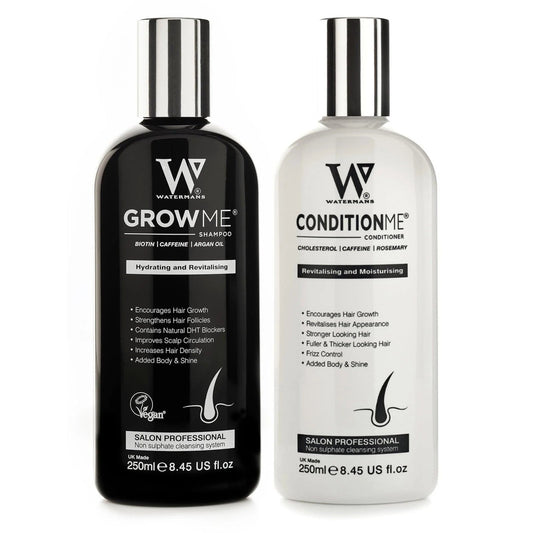
This guide shows what happens when you stop HRT. It helps you see withdrawal signs, share simple ways to ease symptoms and keep your hair and well‐being safe. Many people in Australia try a non-medical path. They pick a shampoo like Watermans Grow Me Shampoo to boost hair when hormones change.
What is HRT Withdrawal?
HRT withdrawal means a group of signs and body changes. Your body adjusts when it no longer gets steady hormones from tablets, patches, gels, injections or implants.
Why does HRT withdrawal occur?
When you use HRT, your body grows used to clear hormone levels. When that source drops, your body’s own hormone levels fall and bounce. This drop can:
• Bring back old signs that HRT had kept away (for example, hot flushes, night sweats, or unease).
• Create new signs as your body shifts.
• Change parts of your body that feel hormones – such as your brain, bones, skin and hair roots.
How strong these signs become depends on:
• The type of HRT (oestrogen, a mix or testosterone).
• The dose and time you used it.
• How you stop (fast or slow).
• Your age, health, and how you react to changes in hormones.
Common Signs and Symptoms of HRT Withdrawal
People may feel withdrawal in many ways. Some note few changes while others may feel old, hard days again.
Below are common signs when you stop or cut back HRT.
1. Return of Heat Sweats and Night Sweats
Many people feel more heat each day:
• Sudden warm bursts, often starting in the chest or head.
• Red face, neck and upper body.
• Heavy sweating at night that soaks your sheets or sleepwear.
• A chill once the heat goes.
• Fast heart beats in each episode.
The signs can be light or many times every day and night.
2. Trouble with Sleep
Without HRT, sleep may break:
• Hard time falling asleep.
• Waking several times in the night.
• Waking too early and not returning to sleep.
• Sleep that does not feel deep.
• Changes in how some breathe or snore.
Poor sleep can invite tiredness, grouchiness, and foggy thoughts.
3. Mood and Mind Shifts
The brain feels hormone shifts strongly. During withdrawal, you might sense:
• Quick bursts of anger.
• More worry or jittery thoughts.
• Sad or low moods.
• A loss of interest in usual tasks.
• A rise in old mood issues.
• A stress load that makes small tasks feel heavy.
If you have had past issues with low mood or worry, stopping HRT may stir these feelings.
4. Foggy Thinking
Oestrogen supports clear thought and memory. When it drops, you may note:
• Moments where the right word is lost.
• Hard work at focus, be it at work or study.
• Forgetfulness – losing things or missing plans.
• A slower pace of thought that makes you feel dim.
Such changes may weigh more if you depend on fast thinking in daily chores.
5. Pain in Muscles and Joints
Some feel more aches after stopping HRT:
• Stiffness in the morning or after long sitting.
• Sore joints like in the hands, knees, hips or back.
• General muscle pains or tension.
Oestrogen helps lower body inflammation. Its loss can make old aches more clear.
6. Changes in the Vaginal and Urinary Area
Without oestrogen, the tissues in the vaginal and urinary area may lose strength. Signs include:
• Dryness, burning or irritation in the vaginal area.
• Pain that hurts during sex.
• A need to pee often or fast.
• A higher chance of urine infections.
Sometimes, low-dose oestrogen creams, tablets or rings stay in use even if you stop full HRT. They work mostly in one area. Always speak with your doctor.
7. Shifts in Skin, Nails and Hair
Hormone changes show in how you look:
• Skin that feels dry, thin and shows more lines.
• Skin that may feel more sensitive or itchy.
• Nails that break easier or do not grow fast.
• Hair that falls more, thins at the crown or temples, or loses its body.
Many worry about hair. With HRT changes, you may see:
• More hair in the shower, on your pillow or brush.
• Scalp areas that show more than before.
• Hair that feels finer or limp.
A special, non-medical choice like Watermans Grow Me Shampoo helps wake your scalp and support hair growth when hormones change. It has ingredients such as:
• Biotin to help build hair protein.
• Rosemary for scalp energy.
• Caffeine to wake hair roots.
• Niacinamide for blood flow.
• Argan Oil for moisture and shine.
• Allantoin to calm the scalp.
• Lupin Protein to add root volume.
This natural, hair-focused strategy is a good start when your hormones change.
How Long Do HRT Withdrawal Symptoms Last?
There is no single timer for these signs. Think of withdrawal in three phases.
Short-Term (First Few Weeks)
• Your hormones drop and swing.
• Heat sweats, night sweats and sleep issues may grow.
• Mood may have strong ups and downs.
• Some may begin to see more hair fall.
Medium-Term (1–6 Months)
• Signs may settle or still feel strong.
• Your mind and body grow used to fewer hormones.
• Many see hair fall level out; yet hair may feel thinner.
Long-Term (6–24+ Months)
• Some signs fade or become easier with daily routines.
• Others like dryness or joint pains may hold on and need care.
• Hair growth finds a new normal. Now is a time to keep up scalp care, eat well and care for your hair gently.
If signs grow very strong or do not ease, please talk with your doctor. They may suggest other care options.
What Affects the Strength of HRT Withdrawal?
Not all feel withdrawal the same. Key points that play a role are:
1. How You Stop HRT
• An abrupt stop (running out) may bring faster, harsher signs.
• A slow cut back under a doctor’s care gives your body more time to adjust.
2. How Long and How Much HRT You Used
• Long use and high doses mean your body adjusts to steady hormones.
• This might bring stronger reactions for some and a mild shift for others.
3. Your Age and Life Stage
• Stopping HRT soon after peri-menopause can feel different from stopping later in life.
• Other health issues may also change what you feel.
4. Your Daily Life
• The foods you eat, exercise, alcohol use, smoking and stress all play a part.
• A good sleep routine and stress habits help during withdrawal.
5. Your Own Sensitivity
• Some naturally respond more to shifts in hormones.
• Past heavy symptoms around periods or after childbirth may show that extra care is needed.
Simple Tips to Help with HRT Withdrawal
You can take steps to support your body as you change. The tips below focus on areas you can change.
1. Work with Your Doctor
Before you change HRT:
• Plan a review meeting with your doctor.
• Share why you want to change HRT.
• Ask about cutting back slowly to ease stress on your body.
• Check your risks, such as bone strength or heart health.
Your doctor may suggest:
• Slow reductions over weeks or months.
• Moving from one form (like tablets) to another (like patches).
• Keeping a low-dose local treatment for vaginal health.
• Using non-hormone medicines for certain signs.
Always work with a doctor when changing HRT.
2. Help Your Sleep and Nerves
Changes in hormones can shake your nerves. Rest and calm help clear the stress.
Sleep habits you can try:
• Keep a steady wake and sleep time, even on weekends.
• Use a room that stays cool, dark and quiet.
• Skip large meals, caffeine and alcohol 3–4 hours before sleep.
• Set a 10–15 minute time to relax with gentle stretching or calm breathing.
For stress, try:
• Deep breaths, such as a slow count in and out.
• Light exercises or a short walk.
• A few minutes of quiet time every day.
3. Eat to Support Your Body
Your meals hold power over how you feel. During HRT changes, focus on:
• Whole foods: fresh vegetables and fruits, whole grains, beans, nuts and seeds.
• Protein in each meal to build strong tissue and hair.
• Healthy fats from olive oil, avocado and oily fish.
• Drinking water often.
Try to cut back on highly processed foods, sugary treats and too much caffeine or alcohol.
Some try foods with natural plant oestrogens such as soy, flaxseeds or beans. These foods may help a little.
4. Be Active – But Take It Easy
Exercise can help your body adjust:
• Cardio forms like walking, cycling or swimming help your heart and mood.
• Weight training (using light weights or resistance bands) builds bone and muscles.
• Stretching, yoga or tai chi help with joint ease and balance.
Move in a way that feels good. Too much strain can add tiredness, while too little may lead to aches.
5. Give Special Care to Your Hair
Hair shows how hormones change. With HRT changes:
• Your hair roots may shift more hair into a falling phase.
• You may notice more hair in the shower or on your pillow.
• Hair may feel finer or lose its volume.
For hair care:
• Be gentle. Avoid tight styles or harsh treatments.
• Wash with a shampoo made to wake your scalp, such as Watermans Grow Me Shampoo.
This shampoo has ingredients like:
• Biotin to build hair protein.
• Rosemary to support blood flow.
• Caffeine to bring energy to the roots.
• Niacinamide for a smoother scalp.
• Argan Oil for light moisture.
• Allantoin to ease irritation.
• Lupin Protein to help add body to hair.
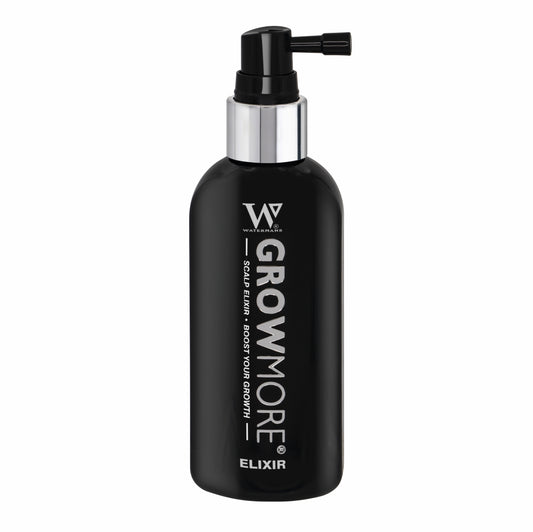
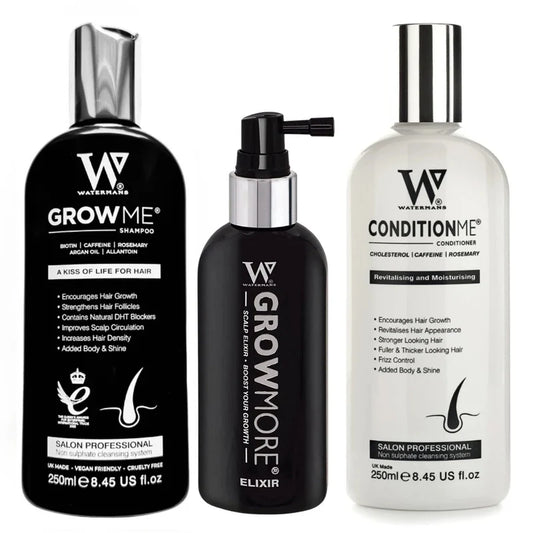
A full routine may also include a conditioner and a leave-in scalp boost. Look at the Watermans Hair Survival Kit for a simple bundle that cleans, conditions and nourishes.
6. Care for Your Skin and Vaginal Area
With a drop in oestrogen, skin and mucous membranes need extra care.
For skin:
• Use gentle cleansers that clean without stripping moisture.
• Choose moisturizers that hold in water with ceramides or natural oils.
• Use a sunscreen each day; skin may now be more sensitive.
• Avoid long, very hot showers.
For intimate care:
• Use a mild, pH-friendly wash or just warm water.
• Consider a moisturizing gel if needed.
• Ask your doctor if a local treatment fits your needs.
7. Find Support with Feelings and Friends
HRT withdrawal touches both body and heart. Changing hormones may stir feelings about aging, identity and love. To help:
• Share your thoughts with friends or family you trust.
• Join groups for support, either online or in person.
• Think about a talk with a counselor who understands these shifts.
• Tell your partner what you feel so they can help.
Feeling heard and cared for can lessen the weight of each day.
Daily Steps for HRT Withdrawal
Here is a simple daily plan:
- Hydrate – start with a glass of water and sip throughout the day.
- Move gently – take at least 20–30 minutes to walk or stretch.
- Eat protein – add good protein with each meal.
- Care for your hair and scalp –
• Use a scalp shampoo like Watermans Grow Me Shampoo.
• Follow with a conditioner and scalp boost if using the Watermans Hair Survival Kit. - Calm stress – spend 5–10 minutes on breathing or quiet time.
- Prep for sleep – do a wind-down routine in the hour before bed.
- Note how you feel – record any changes with each sign to discuss with your doctor later.
When to See a Doctor
Many withdrawal signs are normal. But check with a doctor if you see:
• Deep sadness or worry with thoughts of harm.
• Chest pain, hard breathing or sudden weakness.
• Heavy or unexpected bleeding after menopause.
• Joint pain that does not ease or gets worse.
• Spotty, fast hair loss that seems unusual.
Even if the signs are not life-threatening, talk with a doctor if they affect your daily life. A doctor may suggest a change in your plan, extra treatments or more support.
FAQ: HRT Withdrawal Questions
1. What signs appear with HRT withdrawal and how long do they last?
Withdrawal signs include heat sweats, night sweats, mood shifts, sleep trouble, joint pain, vaginal dryness and extra hair fall. Many people see the strongest signs in the first few weeks or months, with a slow ease afterward. Some signs like dryness or joint pain may stay longer and need care. Regular doctor visits help keep track.
2. Can stopping HRT cause hair loss or thinning?
Yes. When hormones change, more hair roots can shift to a falling phase. This may mean more hair in the shower or on your pillow and a thinner look. Most find that hair fall levels off over time. Keeping up with scalp care, eating well and gentle styles is key. Using Watermans Grow Me Shampoo may help wake your scalp and support fuller hair.
3. How can I ease withdrawal signs without hormones?
You can ease signs by:
• Cutting back slowly under doctor advice instead of stopping suddenly.
• Eating balanced meals with enough protein, healthy fats and vegetables.
• Keeping up a mix of movement, from walks to light weight exercises.
• Having a good sleep routine and little daily stress habits.
• Caring gently for your skin and intimate areas.
• Supporting your hair and scalp with a shampoo like Watermans Grow Me Shampoo, which has biotin, rosemary, caffeine, niacinamide, argan oil, allantoin and lupin protein.
These steps help day-to-day comfort while you adjust.
Take the Next Step
You do not need to face HRT withdrawal alone. Know what happens in your body and plan with a trusted doctor. Build a daily routine that holds simple care. If hair loss or thinning is a concern, start by giving your scalp the care it needs. Try Watermans Grow Me Shampoo to help wake your scalp and support fuller hair during this change. A kit with shampoo, conditioner and a leave-in scalp boost can also be a simple, all-in-one choice.
With these everyday methods, kind self-care and doctor advice, you can shape a new way that feels safe for your body, your mind and your hair.