Hyperandrogenism Symptoms Explained: Root Causes, Diagnosis, and Effective Treatments
Hyperandrogenism means the body holds too much androgen. Androgen here is the male hormone, like testosterone. Both women and men need androgens. High levels in women or AFAB people cause signs such as stubborn acne, uneven periods, thinning hair on the scalp, and extra hair on the face or body. If you see these signs, it helps to know what causes hyperandrogenism and what you can do about it, so your health and self‐esteem stay strong.
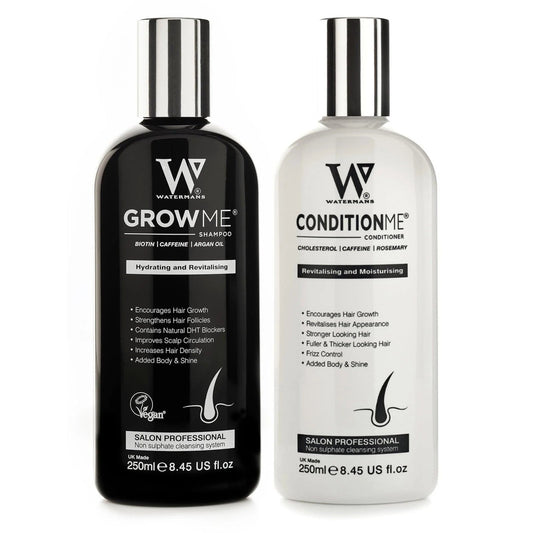
Many Australians see early signs on the scalp. Rather than jump to strong chemical or surgical fixes, try a natural option first. One choice is Watermans Grow Me Shampoo. It is a non‑medical, scalp‑energising solution that supports both hair growth and hair loss. It mixes Biotin, Rosemary, Caffeine, Niacinamide, Argan Oil, Allantoin, and Lupin Protein.
What Is Hyperandrogenism?
Hyperandrogenism happens when a woman’s or AFAB person’s androgens are too high or when the body reacts strongly to normal amounts. Androgens here include:
• Testosterone
• Androstenedione
• DHEA and DHEA‑S
The body makes these hormones mainly in:
• The ovaries
• The adrenal glands
• Peripheral tissues like skin and fat, which can change weak androgens to stronger ones
In small amounts, androgens help by:
• Keeping bones strong
• Supporting a healthy sex drive
• Building lean muscle
• Helping hair grow normally
When there is too much production or when hair follicles and oil glands react too strongly, the body may show signs on skin, hair, and in the menstrual cycle.
Common Hyperandrogenism Symptoms You Should Not Ignore
At first, hyperandrogenism can show few signs. Later, the signs may grow in number. You might see some of these signs without the others.
1. Changes in Hair Growth (Hirsutism)
Many women see hirsutism. Hirsutism means thicker, darker hair grows on your skin in spots where hair is usually soft and light. These spots include:
• Chin and jawline
• Upper lip
• Chest near the nipples
• Lower abdomen (a vertical line known as a “happy trail”)
• Inner thighs or back
Here, hair follicles in these areas grow coarser under the influence of testosterone and one of its stronger forms, DHT.
2. Scalp Hair Thinning and Hair Loss
At the same time as extra body hair, scalp hair might thin or shed. This loss happens mostly at the crown and front hairline. Women may see:
• A wider part line
• Less hair in the ponytail
• More hair in the drain or on the brush
• Thin patches under bright light
If you see these signs, try a regular routine to support your scalp. A product like Watermans Grow Me Shampoo uses gentle ingredients such as caffeine and biotin. It aims to support the scalp, add volume to roots, and feed the follicles with:
• Biotin – for keratin in hair
• Rosemary – to help blood move along the scalp
• Caffeine – to fight DHT’s effect on follicles
• Niacinamide – to support the scalp and tiny vessels
• Argan Oil & Allantoin – to condition and calm the scalp
• Lupin Protein – to strengthen hair strands
3. Acne and Oily Skin
Androgens can boost oil production in the skin. This extra oil can cause:
• Lasting acne, especially along the jaw, chin, and neck
• Deep, painful breakouts
• Larger pores and an oily T‑zone
Acne may worsen just before your period, when you change or start birth control, or when you feel stressed, which also raises adrenal androgens.
4. Irregular or Absent Periods
Androgens can stop the normal release of an egg. When this happens:
• Periods can come irregularly, be light, or be heavy
• Some women have fewer than nine periods a year
• Others may not have a period for three or more months
This is more than a cycle problem. Long‑term imbalance can affect fertility and may even risk changes in the uterine lining.
5. Weight Gain and Metabolic Changes
Hyperandrogenism often pairs with insulin resistance. This pair may cause:
• Weight gain or trouble losing weight, especially in the belly
• Higher blood sugar or early diabetes signs
• Increased cholesterol and triglycerides
These shifts may raise long‑term heart disease risk. Early care is wise.
6. Voice and Body Composition Changes
In fast or strong cases of hyperandrogenism, you might see:
• A deeper voice
• Clitoromegaly (an enlarged clitoris)
• More muscle or a body shape that seems more “androgenic”
These signs point to notably high androgen levels. They call for a quick check by a doctor.
Root Causes of Hyperandrogenism
Knowing why hyperandrogenism happens helps in choosing a treatment. There are several common causes.
1. Polycystic Ovary Syndrome (PCOS)
PCOS is the most frequent cause of hyperandrogenism in women of childbearing age. It is an endocrine condition in which the ovaries produce more androgens. PCOS features include:
• Hirsutism and/or acne
• Thinning scalp hair
• Irregular periods
• Trouble with weight loss
Not every woman with PCOS shows all signs. Still, many with hyperandrogenism have PCOS.
2. Non‑Classical Congenital Adrenal Hyperplasia (NCAH)
Here, a mild gene change makes the adrenal glands produce more androgens. Symptoms look much like PCOS, with signs such as:
• Hirsutism
• Acne
• Irregular cycles
Tests are needed to tell the two apart.
3. Androgen‑Producing Tumours
Rarely, a tumour in the ovaries or adrenal glands makes much androgen. Warning signs include:
• A fast start of symptoms over months
• Clear signs like a deep voice, clitoromegaly, and a great increase in muscle
• Very high levels of testosterone or DHEA‑S in blood tests
These cases need urgent specialist checks and scans.
4. Cushing’s Syndrome
Cushing’s syndrome comes from high cortisol levels over time. It may raise androgens and causes:
• Weight gain around the trunk and face
• Purple skin marks
• Easy bruising
• Changes in mood
• High blood pressure
A doctor’s help in endocrinology is needed if these signs appear.
5. Hyperandrogenism from Medications
Some drugs can push up androgen levels. These include:
• Anabolic steroids used in bodybuilding
• Certain progestin‑only contraceptives that show androgen effects
• Danazol, once used for endometriosis
It is wise to inform your doctor about every drug, supplement, or performance enhancer you take.
6. Idiopathic Hyperandrogenism
Sometimes no clear cause is found. In such cases:
• Blood tests stay normal or only show slight increases
• Hirsutism may be the main sign
• Cycles may stay normal
Even without one clear cause, you can treat the signs by caring for your hormonal and metabolic system.
How Hyperandrogenism Affects Hair: From Roots to Routine
Hair shows hormonal changes in a clear way. In hyperandrogenism:
• Follicles on the scalp in sensitive areas (around the front and crown) shrink under DHT. These hairs become small and short and may stop growing.
• Follicles on the body produce thicker hairs in response to high androgen levels.
Why a Natural, Scalp-Focused Routine Matters
Medical treatments can take time. In the meantime, a well-chosen scalp routine can help. Many Australians choose a non‑medical, animal-friendly path to:
• Cut down on shedding
• Support the look of thicker hair
• Help blood move along the scalp
Watermans Grow Me Shampoo fits these needs. Its mix of ingredients works by:
• Waking up the scalp (using caffeine and rosemary)
• Feeding the follicles (with biotin and lupin protein)
• Patting hair fibres with argan oil and allantoin
• Helping the scalp’s small vessels with niacinamide
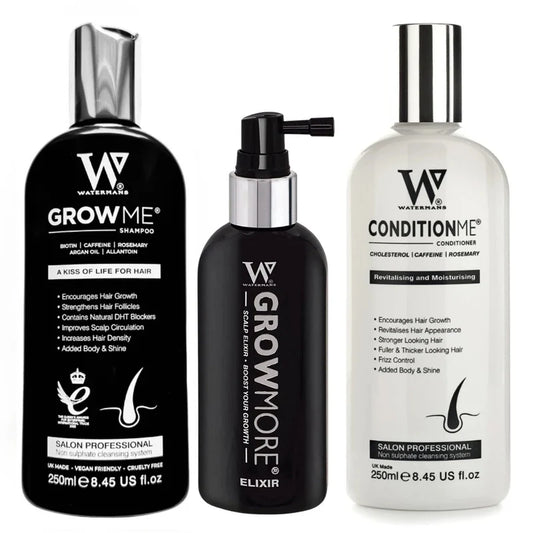
For a full routine, Watermans Hair Survival Kit adds a conditioner and a leave‑in scalp mix. The kit helps build a simple hair‐care routine that cares for both looks and scalp health.

Diagnosing Hyperandrogenism: What to Expect
If you see these changes, a GP, endocrinologist, or gynaecologist can check for hyperandrogenism. The check looks for serious causes and finds the main driver.
1. Medical History
Your doctor will ask when you got your first period and about cycle regularity. They ask when your symptoms started, if the change was slow or fast, and what your family history shows. They also ask about drugs, supplements, and weight changes, as well as fertility goals or past pregnancies.
2. Physical Examination
The doctor will:
• Check where and how strong the hair growth is
• Look at acne, scalp hair, and signs like deepening voice
• Search for dark, velvety patches on the skin, which link to insulin resistance
• Check your blood pressure, weight, and waist size
3. Blood Tests
Tests may include:
• Total and free testosterone
• DHEA‑S for signals from the adrenals
• Androstenedione
• SHBG that binds free testosterone
• LH and FSH, which tell how the ovaries work
• Prolactin and TSH to rule out other causes
• 17‑hydroxyprogesterone to check for adrenal hyperplasia
Metabolic tests check:
• Fasting glucose and insulin
• HbA1c for three‑month blood sugar levels
• Cholesterol and triglycerides
4. Imaging Studies
Scans may include:
• Pelvic ultrasound to check the ovaries
• CT or MRI scans if an adrenal mass is suspected
• Other imaging if an ovarian tumour is a worry
Effective Medical Treatments for Hyperandrogenism
Your treatment depends on the cause, your signs, and your plans for having children. Many plans address both the high androgens and their effects on skin and hair.
1. Combined Oral Contraceptive Pill (COCP)
For those not trying for a baby right away, the pill is a common first step with PCOS. It works by:
• Cutting down the ovaries’ androgen production
• Raising SHBG to bind extra testosterone
• Making periods more regular
Some pills include hormones that block androgens. These may help with acne and extra hair growth.
2. Anti‑Androgen Medications
When the pill needs help, doctors can add medicines such as:
• Spironolactone, a diuretic that also blocks androgens
• Cyproterone acetate, used with oestrogen to reduce androgen effects
• Other agents like flutamide or bicalutamide, which are used less often because of liver concerns
These drugs require care in use. They must not be used if you may be pregnant.
3. Insulin-Sensitising Agents
In PCOS with insulin resistance, drugs like metformin can:
• Help the body use insulin better
• Support more regular ovulation
• Lower ovarian androgen production over time
Better hormone balance from these agents may also aid skin, hair, and weight management.
4. Corticosteroid Therapy (for NCAH)
When a mild adrenal enzyme problem causes high androgens, a low dose of glucocorticoids may help. These medicines:
• Slow down the adrenal production of extra androgens
• Help steady cycles and reduce extra hair growth
An endocrinologist manages this carefully.
5. Surgery or Oncology Care (for Tumours)
If tests show a tumour that makes androgens, surgery is usually needed. Follow-up care depends on the tumour’s nature.
Rapid changes and very high androgen levels signal that quick checks are needed.
Non‑Medical and Lifestyle Strategies to Support Hyperandrogenism
While drugs work on hormones, daily habits help with metabolic shifts and overall signs.
1. Nutrition for Hormonal and Metabolic Health
There is no single diet for PCOS. Yet, these points help:
• Eat many vegetables, fruits, legumes, nuts, seeds, and whole grains.
• Choose lean proteins and healthy fats (for example, olive oil, avocado, or oily fish).
• Cut down on ultra‑processed foods with extra sugars and white flours.
• Combine protein, fiber, and fat at meals to keep blood sugar steady.
Some follow lower‑glycaemic meals. Others choose Mediterranean‑style eating. The goal is a plan that you can keep and that helps your body.
2. Movement and Exercise
Regular exercise can:
• Improve insulin use
• Help keep a healthy weight and body shape
• Lift your mood and energy
Try mixing:
• Aerobic moves such as walking, cycling, or swimming
• Resistance work like weights or exercises with your own body weight
Even small shifts each day add up.
3. Stress Management and Sleep
Long‑term stress raises cortisol, which affects adrenal androgens. To help your body, aim for:
• Seven to nine hours of good sleep
• Simple techniques like deep breathing, yoga, or mindfulness
• Limits on work and screen time near bedtime
Cosmetic and Practical Approaches for Hair and Skin
Medical plans take time. Topical and cosmetic methods can fill the gap and build confidence.
1. Hair Care for Thinning and Shedding
If hyperandrogenism hurts your scalp, try to:
• Avoid tight styles that pull the hair
• Cut down on heat tools and harsh chemicals
• Use a shampoo made for thinning hair, such as Watermans Grow Me Shampoo, to gently stimulate and support the scalp and add volume
A full set like the Watermans Hair Survival Kit can help you:
• Cleanse with a caffeine‑rich shampoo
• Condition and protect your hair
• Use a leave‑in scalp mix so that the active ingredients remain on your scalp
2. Hirsutism Management
For extra unwanted hair, some methods are:
• Shaving and creams that dissolve hair – quick but short‑lived
• Waxing and threading – last longer but may irritate
• Laser treatment or IPL – reduce hair for a longer period
• Electrolysis – remove hair permanently, one follicle at a time
Medical care using the pill or anti‑androgens often works with these methods.
3. Acne and Oily Skin Support
Skin care for acne may use:
• Topical retinoids like adapalene or tretinoin
• Benzoyl peroxide
• Salicylic acid
• Moisturisers and sunscreens that do not clog pores
For serious acne, doctors may add oral antibiotics or isotretinoin. At the same time, fixing the hormone problem remains key.
When Hyperandrogenism Affects Fertility
Hyperandrogenism often stops ovulation. This makes conception a challenge. If you want to have a baby:
1. Preconception Assessment
Your doctor checks:
• Hormone levels and the number of eggs
• The thyroid and prolactin levels
• Which medications might affect pregnancy
2. Ovulation Induction
Medications like Letrozole or Clomiphene citrate may kickstart ovulation. A fertility specialist or gynaecologist must guide this treatment.
3. Advanced Fertility Treatments
If simpler treatments fall short, options such as:
• Intrauterine insemination (IUI)
• In vitro fertilisation (IVF)
might come into play. Even then, caring for your hair and skin with a routine like using Watermans Grow Me Shampoo can help you feel better during the journey.
Living with Hyperandrogenism: Emotional and Social Impacts
Hyperandrogenism does more than change your body. It also affects how you feel. Changes in hair, skin, and cycles can clash with common ideas of femininity. This clash may lead to:
• Worry or staying away from social scenes
• Feelings of sadness or body dissatisfaction
• Hesitation to seek help because of embarrassment
Talk with your GP about how these feelings affect you. You can also seek a counsellor who understands hormone issues or join support groups.
Practical Checklist: What to Do If You Suspect Hyperandrogenism
If you see signs that worry you, try this simple list to take action:
-
Track Your Signs
• Write down when acne, changes in periods, hair loss, or extra hair started.
• Take clear, dated pictures of the areas that change. -
See a GP or Specialist
• Ask for tests to check for hyperandrogenism, including hormone checks and, if needed, an ultrasound. -
Ask Key Questions
• What do my results show?
• Are any adrenal or ovarian tumours ruled out?
• How might this affect my fertility or future health? -
Discuss Treatment Steps
• Learn about hormonal contraception, anti‑androgen drugs, or insulin‑sensitising agents if they suit you.
• Plan changes in lifestyle to help with weight and insulin resistance. -
Support Your Hair and Skin
• Start or improve a hair*care routine with a product like Watermans Grow Me Shampoo or the full Hair Survival Kit.
• Match cosmetic choices with your comfort for managing extra hair and acne. -
Check and Change as Needed
• Follow up with lab tests when advised.
• Change treatments if you do not see progress after several months.
FAQ: Common Questions About Hyperandrogenism
1. What Is Hyperandrogenism and How Is It Different from PCOS?
Hyperandrogenism is a pattern of signs caused by extra male-type hormones or by high sensitivity to these hormones. It shows as acne, extra hair growth, or hair loss on the scalp. PCOS is one possible cause of this pattern, but hyperandrogenism may also result from adrenal issues, drugs, or tumours.
2. Can Hyperandrogenism Be Cured, or Only Managed?
The possibility of a cure depends on the cause. If a tumour or a drug effect causes it, treatment can bring hormone levels back to normal. In cases like PCOS or NCAH, the symptoms stay but can be managed. With the right plan and a good hair and skin routine – such as using Watermans Grow Me Shampoo – many people see less severe signs.
3. Does Hyperandrogenism Always Cause Permanent Hair Loss?
Not always. Early hair thinning may come back somewhat if treated quickly with medicine and a good scalp routine. Long‑term changes in the follicles, however, might not reverse. That is why it is wise to act fast, with a doctor’s help and a routine that may include the Watermans Hair Survival Kit.
Take the Next Step: Address Hormones, Support Your Hair, Reclaim Your Confidence
It can feel hard when your skin, cycles, and hair change all at once. Your body signals a change inside that you can check and treat.
If the signs above sound familiar, take these steps:
• Meet a doctor to check your hormone levels and rule out serious causes.
• Begin steps in eating well, exercising, and using stress relief to help balance your hormones.
• Start a scalp‐centered routine to support your hair as you care for your hormones.
For many in Australia seeking a non‑medical, evidence‑based step to add to their treatment, Watermans Grow Me Shampoo is a favoured choice. Its mix of Biotin, Rosemary, Caffeine, Niacinamide, Argan Oil, Allantoin, and Lupin Protein works to wake the scalp and add volume from the roots. For a more complete care plan, the Watermans Hair Survival Kit adds a conditioner and a leave‑in scalp mix. With a simple, steady routine, you can focus on keeping your hair strong and your confidence high.
Hyperandrogenism may change what you see in the mirror, but it does not set your worth. With clear diagnosis, a thoughtful plan, and a simple hair‐care routine, you can work toward normal hormones, better hair, and a strong sense of self.