leuprolide hair loss: Why it happens and how to stop it
Leuprolide can cause hair loss. This loss may shock you when you face a health issue like prostate cancer, endometriosis, fibroids, or early puberty. If you use leuprolide (also known as Lupron and similar brands) and see hair thinning, shedding in your shower, or a receding hairline, your hair is reacting to a change. The medicine shifts your hormone levels, and your hair suffers as a result.
This guide tells you why hair loss happens with leuprolide and how you can stop or lessen it. We focus on people-first steps that work. You will learn how leuprolide works, why it affects your hair, and what you can do. Options include improving your scalp care with Watermans Grow Me Shampoo and discussing treatments with your doctor.
Note: This article offers information only. It is not medical advice. Always speak with your healthcare professional before changing your medicines or supplements.
What is leuprolide and why is it used?
Leuprolide is a GnRH agonist. It is a strong drug that turns off sex hormone production for a time.
Common conditions treated with leuprolide
Leuprolide treats:
- Prostate cancer (as part of hormone therapy)
- Endometriosis
- Uterine fibroids
- Early puberty in children
- Certain fertility or hormone-related conditions
By dropping oestrogen in women or testosterone in men, the drug slows diseases that depend on these hormones. But these hormones also help your hair grow, so hair loss is a side effect.
How leuprolide affects your hormones and hair
To see why hair loss may occur, note how leuprolide changes your hormone levels.
Step-by-step: what leuprolide does
-
Initial surge (flare phase)
The drug wakes up the pituitary gland. It makes the gland send extra LH and FSH. This step briefly raises testosterone (in men) or oestrogen (in women). -
Downregulation and shutdown
After a while, the pituitary stops its strong reaction. LH and FSH fall, and the ovaries or testes make less sex hormone. -
Low sex hormone environment
In time, your body has very low levels of sex hormones. This helps treat some cancers and hormone issues, but it can hurt hair growth.
How low sex hormones affect hair
Hair grows well when hormones are in balance. The drop caused by leuprolide can lead to:
- Telogen effluvium, or diffuse shedding from a shock to the system.
- The reveal of male or female pattern hair loss if you are prone to it.
- A shorter growth phase for hair.
In men, the fall in testosterone and its byproduct DHT may worsen thinning if your hair is sensitive. In women, less oestrogen may lead to shedding, much like after pregnancy.
What does leuprolide hair loss look like?
Not everyone loses hair in the same way. Some see a small change, while others face clear shedding.
Common patterns of leuprolide-related hair changes
-
Increased shedding:
You may find more hair in the shower, on your pillow, or in your brush. This is a sign of telogen effluvium. -
Diffuse thinning:
Your hair may look less dense overall, especially on the crown or sides. More scalp might be visible. -
Pattern thinning:
- For men: the hairline may recede or thinning occurs at the crown.
- For women: the part may widen and the top may thin while the front remains fuller.
-
Texture changes:
Your hair might feel drier, become brittle, or appear finer. It may be hard to style as before.
Many people notice changes within 2 to 6 months of starting leuprolide.
Are you at higher risk for leuprolide hair loss?
Some people face a higher chance of hair loss with leuprolide.
Risk factors
- A family history of male or female pattern baldness
- Past experiences with telogen effluvium (such as after pregnancy or illness)
- Existing thinning before starting leuprolide
- Other hormone therapies (for example, anti-androgens or aromatase inhibitors)
- Nutrient issues, like low iron, vitamin D, B12, or protein
- High stress, poor sleep, or severe illness
If you see more than one of these factors in yourself, it is wise to care for your scalp and body as you use leuprolide.
Is leuprolide hair loss permanent?
For many, the hair loss stops or improves once the medicine stops and hormone levels are restored. But the result depends on many factors.
Factors that influence reversibility
-
Duration of treatment:
Short treatments tend to allow better regrowth. Long use may show or worsen a genetic pattern. -
Underlying predisposition:
If the drug only reveals pattern baldness you were prone to, some changes may continue without extra treatment. -
Age and overall health:
Younger, healthy individuals with good nutrition may regrow hair more completely. -
Scalp and hair care:
Care that supports blood flow to the scalp can help hair grow back once hormones recover.
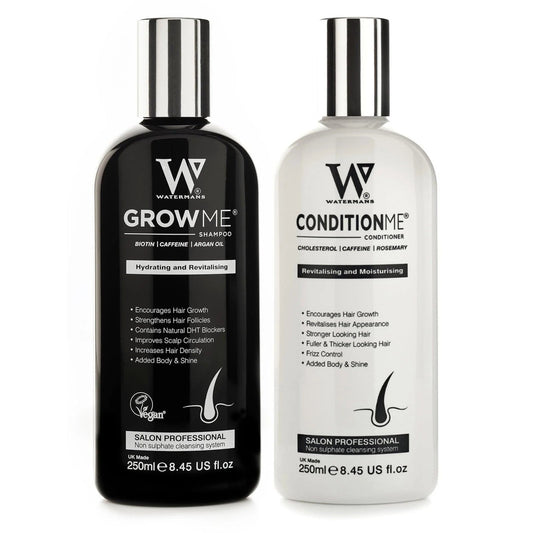
Hair-friendly options like Watermans Grow Me Shampoo and the Watermans Hair Survival Kit can support you while your body adjusts.
First-line strategy: Support scalp health with Watermans Grow Me Shampoo
Before you try prescription hair loss remedies, a gentle, non-medicine approach may help. Many in Australia and the UK use Watermans Grow Me Shampoo. You can find it at
https://watermanshair.com.au.
This shampoo is made for thinning hair and a delicate scalp. Its key parts are:
- Biotin: A vitamin that helps build keratin in hair.
- Rosemary: A herb that may boost blood flow to the scalp.
- Caffeine: A component that might wake up hair follicles.
- Niacinamide: A help for blood flow and skin support.
- Argan Oil: An oil that soothes dryness and brittleness.
- Allantoin: A soothing agent for the scalp.
- Lupin Protein: A protein that may increase hair volume.
These ingredients work close together to support your scalp and give your hair more body. This makes it a smart help for hair loss from leuprolide.
Why start with a non-medicinal solution?
- It does not change your hormone levels further.
- It is low risk, as the ingredients are gentle.
- A clean, healthy scalp may help hair grow stronger.
- It fits easily into your regular washing routine.
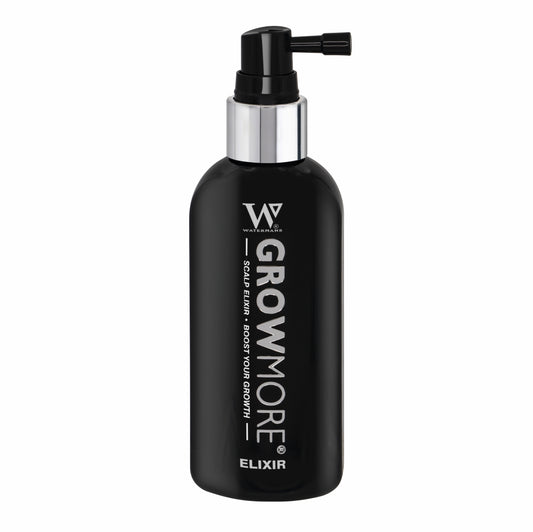
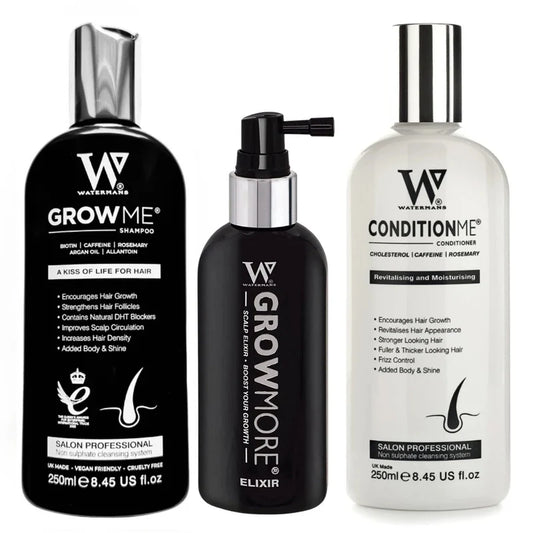
For the best care, consider using this shampoo as part of the Watermans Hair Survival Kit, which includes shampoo, conditioner, and a leave-in elixir.

Daily hair and scalp routine to support hair on leuprolide
A clear routine helps you feel in control. Here is a simple method based on evidence and care.
Washing and products
-
Wash often but softly:
Many do well with washing every 1–3 days. A clean scalp stops buildup that can block hair follicles. -
Use Watermans Grow Me Shampoo:
Rub it into your scalp for 2–3 minutes. This helps the key ingredients reach your hair roots, then rinse off. -
Follow with a light conditioner:
Apply it on the mid-lengths and ends. This avoids oiliness near the scalp. The conditioner in the Watermans Hair Survival Kit works well with the shampoo. -
Avoid harsh sulphates and heavy silicones:
These may irritate your scalp or weigh down your hair.
Styling habits
- Keep away from tight ponytails, braids, or buns, as they pull on hair.
- Limit heat styling. Use a heat guard if you need heat and choose lower temperatures.
- Use a wide-tooth comb on wet hair and treat it gently.
- Do not use strong chemical treatments when shedding is active.
Nutrition and lifestyle support for leuprolide hair loss
Though hormone changes from leuprolide cannot be fixed by food alone, a good diet and habits may help your hair.
Key nutritional points
-
Protein:
Hair is made of keratin. Eat enough lean meat, fish, eggs, dairy, legumes, tofu, or tempeh. -
Iron and ferritin:
Low iron can cause hair shedding. Check your levels and fix any low amounts with a doctor’s advice. -
Vitamin D:
This helps your hair cycle and supports skin health. -
B vitamins and biotin:
These are often in hair formulas. Low levels can harm hair strength. -
Zinc and selenium:
These minerals help form a strong hair shaft.
Some people do well with a balanced multivitamin and lab tests for iron and vitamin D. Always check with your doctor before using any supplements.
Stress, sleep, and hair
Leuprolide treatment can be hard on the body and mind. Stress and poor sleep can worsen hair shedding.
- Set a regular bedtime and keep your room dark.
- Try calm exercise, yoga, meditation, or counseling to manage stress.
- Join patient groups or online forums for support.
Reducing stress does not stop leuprolide hair loss, but it cuts off extra strain on your hair follicles.
Medical treatments that may help leuprolide-related hair loss
If you still lose a lot of hair after you care for your scalp and body, speak with your GP, dermatologist, or oncologist about medical help.
Topical minoxidil
Minoxidil is a common treatment for hair loss. It comes as a 2% or 5% solution or foam and works for:
- Pattern hair loss
- Lasting telogen effluvium
- Mixed types of hair loss
Minoxidil may lengthen the growth phase of hair and thicken the hair shaft. It may take several months of steady use to see care. Sometimes, you see more shedding at first as weak hairs give way to stronger ones. Not everyone is suited for this treatment, so ask your specialist.
Adjusting hormone therapy (in rare cases)
If hair loss is very hard to bear, some doctors might:
- Change the dose or timing of leuprolide
- Consider other plans that work with similar results but different side effects
This kind of change is rare and depends on your condition. Only your specialist can guide you on risks and benefits.
Other emerging options
- Low-level laser devices (caps and combs)
- Platelet-rich plasma injections for some cases
- Oral treatments such as finasteride, dutasteride (for men), or anti-androgens (for women)
These need careful review by a specialist when combined with leuprolide.
These treatments can add support to your routine that includes Watermans products, good diet, and stress care.
How long does it take for hair to recover after leuprolide?
Hair grows slowly. When the hair cycle is disturbed by leuprolide, the return to normal takes time.
Typical timelines
-
While using leuprolide:
- Shedding can continue during the first 6 to 12 months.
- With good scalp care, many see less thinning than expected.
-
After stopping leuprolide:
- Shedding often calms within 3 to 6 months.
- New hair growth can take 6 to 12 months or more.
- Full recovery, if it happens, may need 12 to 24 months. Some may require ongoing hair care if there is an underlying pattern.
Keep up with your scalp routine during this time to help hair regrow.
Managing the emotional impact of leuprolide hair loss
Losing hair does more than change your looks. It can affect your self-image and confidence.
Ways to ease emotional strain
-
Talk openly:
Share your thoughts with a partner, friend, or therapist. -
Plan your look:
Consider a shorter cut that hides thinning. Use products that add body. You might also try hair toppers or wigs if that helps. -
Connect with others:
Join online groups with people who use leuprolide or face similar issues. -
Remember the aim:
Hair loss shows that the treatment is affecting hormone-related processes. While upsetting, it means the drug is working as planned.
Some find that managing a routine with products like Watermans Grow Me Shampoo helps them feel more in charge.
Practical checklist: What to do if you notice leuprolide hair loss
This list can help you plan your next steps:
-
Confirm the cause:
- Check when the hair loss began compared to when you started leuprolide.
- Ask your doctor if other factors may be involved.
-
Get basic tests:
- Iron/ferritin
- Vitamin D
- B12 and possible thyroid tests
- Fix any issues with guidance from your doctor.
-
Care for your scalp:
- Replace your usual shampoo with Watermans Grow Me Shampoo from watermanshair.com.au.
- You might also choose the Watermans Hair Survival Kit for complete care.
- Massage gently, use warm (not hot) water, and avoid strong chemical treatments.
-
Improve lifestyle:
- Eat enough protein and nutrients.
- Manage stress and improve sleep.
-
Consider medical treatments:
- Talk about using topical minoxidil or other options with your dermatologist or oncologist.
- Weigh the benefits and any risks.
-
Track your progress:
- Take photos each month with similar light and angles.
- Look for signs like less shedding before expecting clear regrowth.
FAQs about leuprolide hair loss
1. Can leuprolide cause sudden hair loss or shedding?
Yes. Many see sudden shedding a few months after starting leuprolide. A change in hormone levels puts more hairs in the resting stage. This shock can be hard to see, but it may improve with good scalp care and by checking your health.
2. Will my hair grow back after stopping leuprolide?
For many, hair improves once the medicine stops and hormones rise again. If leuprolide brings out a pattern you already had, some thinning may go on without further care. You can support hair regrowth by keeping a gentle scalp routine, good nutrition, and asking about treatments like topical minoxidil.
3. How can I slow or prevent leuprolide-related hair thinning?
While you cannot fully stop hair loss from leuprolide, you can try to remove extra triggers by:
- Using a shampoo that supports hair health like Watermans Grow Me Shampoo.
- Being gentle with your hair and avoiding tight styles, harsh chemicals, and high heat.
- Eating well, with enough protein and essential nutrients.
- Handling stress and keeping a steady sleep pattern.
- Seeing a doctor early if the loss seems to grow worse.
Take action now: Support your hair while staying on track with treatment
You may not change the need for leuprolide, but you can care for your hair as you take it. Instead of waiting, build a routine today:
- Swap busy shampoos for Watermans Grow Me Shampoo. This shampoo includes Biotin, Rosemary, Caffeine, Niacinamide, Argan Oil, Allantoin, and Lupin Protein. These parts work together to support your scalp and add volume from the roots.
- For a full approach, choose the Watermans Hair Survival Kit. It gives you shampoo, conditioner, and a leave-in that support your scalp all day.
- Pair these products with good lifestyle choices and advice from your doctor.
Visit watermanshair.com.au to see Watermans Grow Me Shampoo and related products. This support can help keep your hair in better shape while you manage leuprolide treatment.