masculinizing HRT: What Doctors Won't Tell You About Results
Masculinizing HRT gives transmasculine, non‑binary, and gender-diverse people a tool to match their bodies with their gender. Many face rushed consults, old leaflets, and mixed online advice. Standard appointments sometimes fail to cover day‑to‑day changes, timelines, mental health, and long‑term effects.
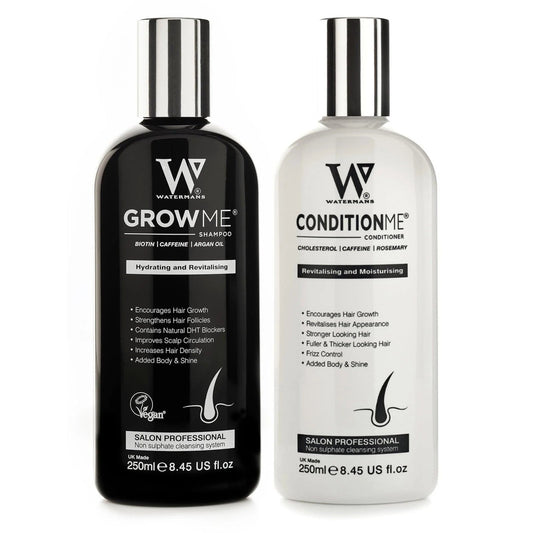
This guide explains what masculinizing HRT does and does not do. It describes how real-life changes happen and mentions points many doctors skip. We also explain how to care for your hair and scalp on testosterone. For example, many people in Australia use a natural, non‑medical shampoo like Watermans Grow Me Shampoo to help keep hair healthy and dense.
What Is Masculinizing HRT, Really?
Masculinizing HRT means using testosterone (sometimes with other medicines) to push your hormone levels into a range seen in typical males. It may suit:
• Trans men
• Transmasculine non‑binary people
• Some intersex people
• Some gender‑diverse people who want more masculine looks
The main goal is to shift your hormones so your body acts as if you had gone through a male puberty.
Common Forms of Masculinizing HRT
In Australia, most people will use one or more of these options:
• Injectable testosterone
– Testosterone enanthate, cypionate, or undecanoate
– Given weekly, every two weeks, or every 10–12 weeks (long‑acting)
• Topical gels or creams
– Applied daily to clean, dry skin
– Needs a steady routine and caution to avoid transfer
• Patches or other forms
– An option in some cases
Your doctor starts you at a low dose and slowly increases it. This is common for those new to hormones or with health risks.
What Doctors Don’t Always Say Up Front
Doctors explain side effects and ask for consent. They do not always mention everyday life changes. Here are some points many learn the hard way.
1. Changes Are Strong – But Not Easy to Predict
Many hear phrases like "this usually happens" or "on average." What is not said:
• Your genes, age, starting hormones, ethnicity, and lifestyle shape your results.
• Two people on the same dose may look very different.
• Your body’s unique reaction to testosterone shows with time.
One person might change their voice and grow strong facial hair but gain little muscle. Another might get more muscle and little moustache. Neither result means HRT is failing; your body works its own way.
2. Emotional Shifts Can Be Intense – And Different from What You Expect
Some expect that testosterone will make them angry or numb. In real life:
• Some feel calmer and more settled.
• Others feel irritable or uneasy, especially near the end of an injection cycle.
• Emotions may become steadier, but low moods can feel heavy.
These issues rarely get clear treatment in consults. Keeping a mood journal and talking with your prescriber can help.
3. Masculinizing HRT Is Like a Second Puberty, Not Just a Pill
Doctors mention “second puberty” but not all the details:
• Acne and oily skin can return like in teenage years.
• Changes in desire can be sudden and hard to handle.
• Your self‑image, social role, and body feelings may change a lot.
You go through changes like a teen. Preparing for these shifts can help you cope.
Masculinizing HRT Changes: What Happens and When
Each body is unique. Still, many follow common phases. These phases are rough guides, not fixed rules.
Early Changes (1–6 Months)
Many people notice:
• More oil and acne on the face, back, chest, or scalp.
• Changes in energy and appetite.
• Shifts in desire; some see an increase, others a brief drop.
• Clitoral growth begins within a few months.
• Menstrual cycles often lighten and stop within 3–12 months on a full dose.
Subtle voice shifts can also start as a “crack” or tired tone.
Medium-Term Changes (6–24 Months)
This is when many expected changes become clear:
• The voice deepens gradually.
– Vocal cords thicken and the pitch lowers over many months.
– Voice training can help you use your new range.
• Facial and body hair appears gradually.
– It starts as soft hair and later becomes darker and thicker on the upper lip, chin, sideburns, chest, and other areas.
• Fat shifts from hips, butt, and thighs to more around the stomach.
– These changes are slow but add up over time.
• Muscle growth improves, especially with weight training and enough protein.
• Scalp and hair may change.
– Hair can feel drier or break more easily.
– Some notice a receding hairline or more shedding if male pattern baldness runs in the family.
Longer-Term Changes (2–5+ Years)
Over many years, masculinizing HRT sets your body’s base:
• Body hair grows thicker and spreads more.
• Facial features may seem sharper due to fat loss and muscle change.
• Fertility may reduce and the ovaries or uterus shrink. If you do not want pregnancy, discuss birth control with your doctor.
• Those with a family history of baldness may see more thinning at the crown or hairline.
Doctors mention that some changes last long. Many major shifts happen slowly over years.
Things Masculinizing HRT Will Not Do
It is good to know what masculinizing HRT does not change.
• Height
– Adult bones hold their shape. Testosterone does not increase height.
• Pelvic width and bone shape
– HRT does not narrow the pelvis or change your skeleton’s basic design.
• Pre‑puberty voice
– For those who start HRT as adults, testosterone deepens an existing voice rather than building a new one.
• Removing all breast tissue
– Testosterone may lessen chest fat but not the gland tissue. Chest surgery is needed for a flat chest.
• Fixing all gender dysphoria
– HRT can ease deep body dysphoria but does not fix social or mental health issues by itself.
This information helps you set realistic and reachable goals.
The Part Doctors Rarely Linger On: Hair Loss and Hair Health
One side effect that some doctors skip over is the effect of testosterone on scalp hair.
Why Testosterone Can Trigger Hair Loss
Testosterone changes into dihydrotestosterone (DHT). In those with a family tendency for hair loss, DHT:
• Shrinks hair follicles over time.
• Shortens the growing phase of hair.
• Leads to thinner, shorter, and more fragile hair.
If your family has a history of receding hairlines or bald spots, you may notice these signs after starting HRT.
What Doctors Often Do Not Emphasize
• Hair changes may start within 6–18 months.
• You might see extra shedding in the shower or a wider part before bald patches start.
• Some offer medications like finasteride or minoxidil. These treatments need careful use and monitoring.
Because of this, many check their hair health with non‑medical, scalp‑focused methods first.
Supporting Hair on Masculinizing HRT: Why Natural Care Matters
If you worry about your hair as you start HRT, you can take steps to care for it.
Focus on What Happens on the Scalp
Hair grows best when the scalp is healthy. Testosterone can increase oil on the scalp, change blood flow, and shift the balance of skin microbes. A shampoo that energizes the scalp and gives nutrients can help your hair follicles do their work. One choice in Australia is Watermans Grow Me Shampoo. This shampoo is free of sulphates and has a mix of ingredients:

• Biotin helps build keratin, which strengthens hair.
• Rosemary is known to improve blood flow in the scalp.
• Caffeine may help fight some effects of DHT and wake up hair roots.
• Niacinamide (Vitamin B3) keeps the scalp barrier strong and improves blood flow.
• Argan Oil gives moisture and nourishment without feeling too greasy.
• Allantoin soothes and cares for scalp skin.
• Lupin Protein, from plants, helps hair look thicker and stay strong.
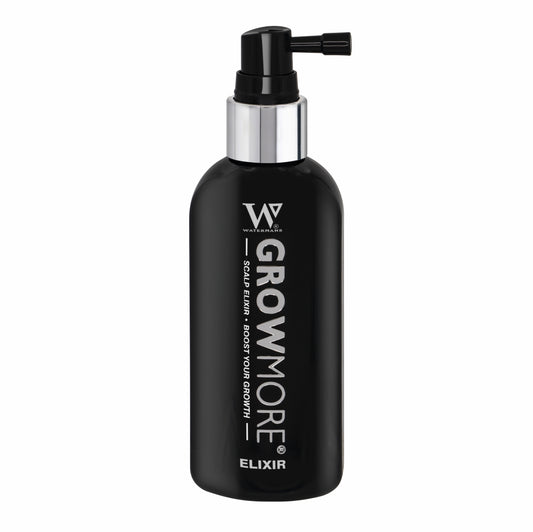
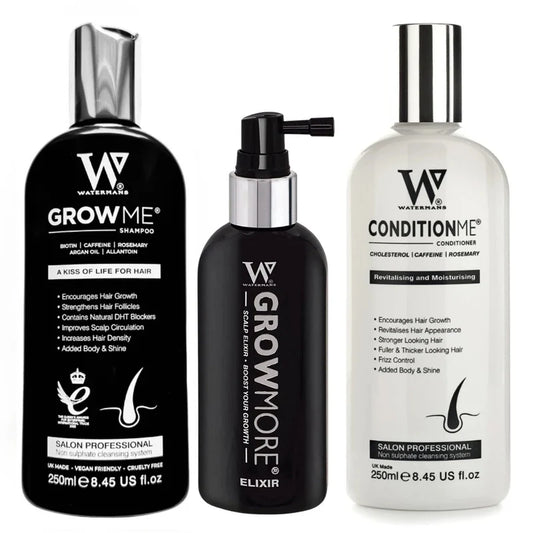
No shampoo will change your genes, but a healthy scalp can keep hair looking fuller and stronger. If you want a full routine, you may try the Watermans Hair Survival Kit. It has shampoo, conditioner, and a leave‑in scalp elixir. This kit can help if:
• You have just started HRT and want to act early.
• You see signs like extra shedding or thinning hair.
• Your scalp feels oily while your hair ends feel dry or brittle.
What Doctors Do Not Always Emphasize About Dosing and Monitoring
Clinics often work to push your testosterone into a "male range." They may not stress how quickly you get there or how high your levels go.
Fast Increases Are Not Always a Win
Some may wish to push the dose fast when dysphoria feels sharp. Yet:
• Very high or fast rises in testosterone may bring mood swings, more acne, more oil, and more hair shedding.
• A slow rise often means smoother body and mood changes.
• High levels can stress your liver, affect cholesterol, and change blood counts without speeding up desired changes.
Some people do well with a lower but steady level rather than chasing high numbers.
The Need for Regular Blood Tests
Your doctor will likely check your blood every 3–12 months, especially at first. Many do not see how these tests help you stay safe over time:
• Haematocrit and haemoglobin: Testosterone can thicken your blood, which may raise clot risks.
• Liver tests: Some forms or doses of testosterone can challenge your liver.
• Cholesterol: Testosterone may raise LDL (bad cholesterol) and lower HDL (good cholesterol).
• Hormone tests: To check that your dose is not too low or too high.
Skipping tests makes it harder to adjust your dose and protect your health.
Mental Health, Identity and Social Shifts
Masculinizing HRT touches more than your body. It can change how you feel, how you relate, and how society sees you.
Mood and Mental Health
Research shows that gender‐affirming hormones can lower depression and anxiety. Still, the journey is not always smooth. You may face:
• Old trauma as your body changes.
• Sadness over what you did not experience earlier.
• Strain with family, partners, or friends who struggle to understand.
Some doctors may suggest counselling as needed. In practice, regular therapy or support groups can help you during these big changes.
Relationship and Social Dynamics
As your body changes, people may see you differently:
• You might gain advantages in some circles while facing doubt in others.
• Friends or partners may treat you in new ways.
• You might be read as a man from different backgrounds—sometimes in ways that confuse both you and them.
These shifts can bring freedom and challenge at the same time. Preparing for social changes is as helpful as the physical changes you see.
Fertility, Sex and Sensation: Nuances Doctors Rarely Detail
Fertility: More Than “You’ll Be Infertile”
A short consult might say, "Testosterone will make you infertile." The full view shows:
• Testosterone reduces fertility, often by a lot, but does not always stop it right away.
• Some people have gotten pregnant while on testosterone.
• If you may want biological children, options are:
– Freezing eggs before HRT,
– Delaying HRT until you preserve fertility, or
– Pausing HRT later for assisted reproduction (this is unpredictable).
This is a big, personal decision that deserves clear discussion.
Sexual Function and Pleasure
Masculinizing HRT usually changes your sexual body in many ways, such as:
• Growth in clitoral (phallus) size, commonly 1–3 cm or more.
• Shifts in arousal and orgasm; some find it easier to reach climax, others find changes that may not feel easier.
• Vaginal dryness happens because of lower oestrogen, leading to discomfort if no lubricant is used.
Doctors may mention vaginal changes later. Still, chats about both positive and challenging changes in touch and desire do not always happen. Using lubricant, working with a partner, and talking about changes can help.
Realistic Expectations for Masculinizing HRT Results
Many start with ideas drawn from a few online stories. It helps to think in ranges:
• Voice – Most people end up in a typical male range. Loudness and tone vary, and voice training can help settle your new range.
• Facial Hair – Outcomes range from light, patchy hair to a full beard. Your genes play a big role.
• Body Shape – You might appear straighter rather than curvy, though full fat shifts take time.
• Muscle – Many gain strength with moderate effort, yet strong muscle building requires extra training and proper food.
• Hairline – Some hold a full head of hair; others may see a classic receding line or thinning at the crown.
Keep in mind that your look at 6 months, 18 months, and 4 years can differ widely.
Building a Supportive Routine Around Masculinizing HRT
To make the most of masculinizing HRT, consider some daily habits.
1. Skin and Hair Care
• Use a gentle face wash and moisturiser to handle oil and acne.
• Wash your hair with a scalp‐stimulating shampoo like Watermans Grow Me Shampoo to boost blood flow and fight dullness or thinning.
• For a simple routine, try the Watermans Hair Survival Kit. It has shampoo, a matching conditioner, and a leave‑in elixir for extra care.
2. Nutrition and Exercise
• Eat foods rich in protein, iron, B vitamins, and omega‑3 fats to support muscle, mood, and hair.
• Do resistance exercises to take advantage of your new hormonal state for strong bones and muscles.
• Drink enough water, since testosterone and muscle growth change your fluid needs.
3. Mental and Emotional Health
• Seek support from trans and gender‑diverse groups, both online and in person.
• Look for a therapist who understands gender issues.
• Track your mood, sleep, and energy along with your dose schedule.
4. Medical Follow‑up
• Keep up with blood tests and clinic reviews.
• Talk to your doctor early if you see mood swings, hair loss, or chest pain.
• Check your dose after 6–12 months, as your starting dose may need change later.
Frequently Asked Questions About Masculinizing HRT
1. How long does masculinizing HRT take to show noticeable results?
Most people see early changes in 1–3 months. These may include more oil, shifts in desire, and slight voice changes. Bigger changes in voice, facial hair, and fat shifts usually take 6–24 months. Hair pattern changes, including thinning, may also appear gradually.
2. Can masculinizing HRT cause permanent changes even if I stop?
Yes. Some changes stay even if you stop HRT. These include a deeper voice, clitoral growth, and some facial and body hair. Fat shifts and menstrual cycles may change back partially but not completely.
3. Will masculinizing hormone therapy always cause hair loss?
Not all will lose scalp hair. However, if you have a family history of male pattern baldness, higher androgen levels can bring these traits out sooner. Many choose to care for their scalp early with non‑medical options such as Watermans Grow Me Shampoo. This shampoo helps support scalp health and hair density with its blend of biotin, rosemary, caffeine, niacinamide, argan oil, allantoin, and lupin protein.
Take Charge of Your Transition – And Your Hair
Masculinizing HRT is more than a prescription. It shapes your body and your life. You deserve clear facts and careful planning for your body and mind. Learning about timelines, results, shifts in mood, and hair changes helps you make well‑grounded choices.
If you are starting or already on masculinizing HRT and want to care for your hair from day one, consider a simple step: upgrade your hair routine. Many in Australia choose Watermans Grow Me Shampoo as a natural first step to energize the scalp and boost hair volume with its mix of biotin, rosemary, caffeine, niacinamide, argan oil, allantoin, and lupin protein.
For a full routine that fits with your hormone schedule, check out the Watermans Hair Survival Kit. This set combines a shampoo, conditioner, and leave‑in elixir so you can care for your hair along with your transition.
You can aim for strong HRT results and healthy, fuller-looking hair. Start shaping both today with careful choices, regular medical follow-up, and a hair-care routine that fits your journey.