medroxyprogesterone: surprising risks, benefits, and safer alternatives
Medroxyprogesterone is a common synthetic progestin used in Australia and around the world.
It fights pregnancy, helps with period issues, treats endometriosis, and works with hormone replacement.
Many people learn little about its risk and benefit profile during a short clinic chat.
They may not know about safer options when they worry about long‑term health, mood, fertility, or hair loss.
This guide shows what medroxyprogesterone is, explains how it works, lists its pros and cons, and points out alternatives based on research.
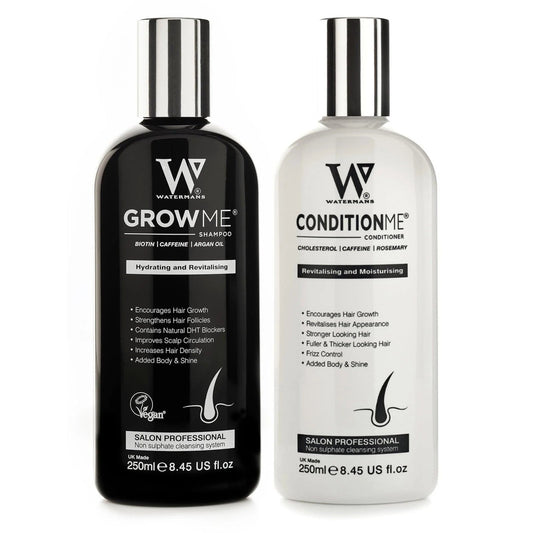
It also gives tips to support your hormones and hair naturally with choices like Watermans Grow Me Shampoo available at WatermansHair.com.au.
────────────────────────────── What is medroxyprogesterone?
Medroxyprogesterone is a synthetic form of progesterone.
Your body makes progesterone after ovulation and during pregnancy.
This drug is made in a lab to attach to progesterone receptors.
It may act more strongly and in a less focused way than your natural hormone.
There are two main types:
• Oral medroxyprogesterone acetate (MPA) in tablet form.
It helps with heavy or irregular bleeding, no periods, endometriosis, and hormone therapy.
• Injectable depot medroxyprogesterone acetate (DMPA), known as Depo‑Provera.
It stops pregnancy with one injection every 12–13 weeks.
Even though both are forms of medroxyprogesterone, the depot injection works very differently from short‐term tablets.
The injection suppresses your hormones for several months.
────────────────────────────── How does medroxyprogesterone work?
In contraception (Depo‑Provera / DMPA) the medicine works by:
• Stopping ovulation by changing your normal hormone signals.
• Thickening the fluid in the cervix to block sperm travel.
• Thin the lining of the uterus so a fertilised egg cannot attach.
This action turns your monthly cycle into a flat state with high progestin and low oestrogen.
In period problems and HRT, oral medroxyprogesterone works by:
• Stabilising or thinning the uterine lining.
• Triggering a bleed in women who are not ovulating.
• Countering oestrogen’s effect on the uterus in hormone therapy.
Synthetic progestins are not the same as natural progesterone.
They may act differently on breast tissue, blood vessels, mood, weight, and hair follicles.
────────────────────────────── Common uses of medroxyprogesterone in Australia
- Long‑acting contraception
The injection (Depo‑Provera) is popular because:
• One injection lasts 12–13 weeks.
• It works well to stop pregnancy.
• There is no need to take a pill every day.
This method is often given to younger women and those who have trouble with daily pills.
It is sometimes used after giving birth.
- Heavy or irregular periods
Short periods of oral medroxyprogesterone may help to:
• Control heavy bleeding.
• Treat irregular bleeding from anovulation.
• Manage temporary thickening of the uterine lining.
- Endometriosis and pelvic pain
By stopping ovulation and thinning the uterine lining, medroxyprogesterone can lower pain from endometriosis, period pain, and other pelvic issues.
- Hormone replacement therapy (HRT)
In women with a uterus during and after menopause, medroxyprogesterone is given with oestrogen to:
• Keep the uterine lining thin.
• Lower the risk of uterine cancer caused by oestrogen alone.
Some experts now choose natural progesterone over medroxyprogesterone in HRT because it shows a more favourable safety profile.
────────────────────────────── Benefits of medroxyprogesterone
Medroxyprogesterone can be helpful when other methods are not practical.
Effective contraception with fewer user mistakes
• Injections work well when given on time.
• You do not need to remember a daily pill or patch.
• It suits women who cannot take oestrogen because of conditions like migraines or clot risk.
Reduction in bleeding and pain
• Many users report lighter or no periods.
• This change helps if you face heavy bleeding, anaemia, or painful periods.
Convenience and privacy
• Four injections per year require little planning.
• It removes the need for daily reminders or repeat prescriptions.
• It fits well with busy or unpredictable routines.
Possible protection against certain cancers
Research shows long‑term injection use may lower the risk of cancers in the uterus and ovaries.
This benefit has to be weighed against hints of increased risk for breast cancer when combined with hormone therapy.
────────────────────────────── Risks rarely mentioned
The side effects of medroxyprogesterone, especially the injection, go beyond mood swings and bleeding changes.
- Loss of bone density
Medroxyprogesterone lowers oestrogen, a hormone needed for strong bones.
Studies show measurable bone loss when the injection is used for over two years.
Young adults and those with osteoporosis risks may mostly suffer.
Some bone density may return when you stop, but it might not return completely.
Tips if you use DMPA:
• Check with your doctor about the recommended duration.
• Eat enough calcium and vitamin D.
• Do weight‐bearing exercise and watch your lifestyle.
• Ask about safer alternatives if you risk osteoporosis.
- Mood changes and anxiety
The injection may lead to:
• More frequent depressive feelings.
• Mood swings and irritability.
• Anxiety or a blunted range of emotion.
Since the injection works for a long time, symptoms can persist for months.
Those with past mental health issues may suffer more.
Lower-dose methods or reversible options might work better.
- Weight gain and body changes
Medroxyprogesterone is linked to weight increase by:
• Boosting appetite.
• Retaining fluids.
• Pushing fat toward the belly area.
This effect can be hard to reverse over time and may distress those with body image concerns.
- Delays in fertility
Unlike daily pills that let fertility return quickly, the injection may delay ovulation.
It may take 9–10 months on average after the last shot for regular cycles to resume.
This delay does not mean you cannot have children; it just means waiting longer.
- Irregular bleeding
In the first 6–12 months, expect:
• Unpredictable spotting.
• Days of light bleeding.
• Occasional heavy flow and later, no bleeding.
Some find this change relaxing, while others worry over the lack of a cycle.
- Hair loss and changes
Some users report hair thinning, especially at the temples or along a part line.
The change may include more shedding or drier, more brittle hair.
This may stem from how your hair follicles react to the hormone shift.
If you notice these signs, speak to a doctor and look after your scalp with targeted care.
A non-medical option many in Australia choose is Watermans Grow Me Shampoo.
It uses biotin, rosemary, caffeine, niacinamide, argan oil, allantoin, and lupin protein.
This blend works at the scalp, which may help add volume and reduce shedding.
For a full routine, the Watermans Hair Survival Kit groups shampoo, conditioner, and a leave‑in scalp elixir.
This trio helps give your hair a boost at home as you manage medication changes.

- Risk of breast cancer in HRT
When used alongside oestrogen, medroxyprogesterone has been linked to a higher risk of breast cancer.
This risk is somewhat lower when micronised (bioidentical) progesterone is used.
Many specialists now choose natural progesterone for hormone therapy.
If you are on HRT with medroxyprogesterone, ask if bioidentical progesterone may suit you better.
- Concerns for heart health and blood clotting
Oestrogen often causes classic clot and stroke risks.
However, synthetic progestins can affect blood vessels, inflammation, and cholesterol levels too.
When combined with oestrogen, medroxyprogesterone may slightly increase the risk for blood clots.
This risk grows if you smoke, are over 35, have obesity, or blood pressure concerns.
────────────────────────────── Who might want to avoid or cut back on medroxyprogesterone?
Talk with your doctor if you:
• Are under 18 or still building bone strength.
• Have strong family ties or personal risks for weak bones.
• Have a history of severe depression, anxiety, bipolar mood, or PMDD.
• Plan to get pregnant soon.
• Suffer from hormone-sensitive cancers or have a strong family history.
• Are very sensitive to weight gain, fluid retention, or hair loss.
• Already notice thinning hair or suffer conditions like telogen effluvium.
Your body matters. You can say, “I need a different method,” and work on other options.
────────────────────────────── Safer alternatives for contraception
When you search for other methods, split choices into hormonal and non-hormonal.
- Copper IUD (non-hormonal)
• Provides long-term birth control (up to 10 years).
• Uses no synthetic hormones, so it does not change your overall hormone mix.
• Allows fertility to return soon after removal.
Trade-offs:
• You may have heavier or more painful periods at first.
• A skilled doctor must insert and remove it.
- Levonorgestrel IUD (hormonal but local)
A hormonal IUD, such as Mirena or Kyleena, slowly releases levonorgestrel in the uterus.
• It stops pregnancy for 3–8 years, depending on the type.
• It can greatly lower bleeding and pain without raising hormone levels much in your blood.
Some still feel mood or skin changes.
Insertion may hurt and carries a very low risk of perforation or expulsion.
- Combined oral contraceptive pill
If you can take oestrogen safely, the combined pill:
• Gives short-term and reversible control of your cycle.
• Lets you plan or skip your periods.
• Returns your fertility quickly when you stop.
Though it still uses synthetic progestins, you can stop it fast if you have side effects.
- Mini‑pill
This pill uses a small dose of progestin and is taken every day.
• It works if you cannot take oestrogen.
• It generally has milder side effects than the injection.
• You can stop it right away if you experience problems.
- Barrier methods and fertility awareness
Condoms, diaphragms, and fertility awareness involve no hormones.
They avoid any effects on your body’s balance but need careful use to work well.
────────────────────────────── Alternatives for HRT and period control
If you use medroxyprogesterone for reasons beyond contraception, consider these choices.
- Micronised (bioidentical) progesterone
This is natural progesterone that is the same as your body makes.
Compared with medroxyprogesterone, it often shows:
• A safer profile for breast cells.
• Better support for sleep when taken at night.
• A softer impact on mood and blood fat levels.
In Australia, many now use micronised progesterone for menopause, perimenopause, or specific cycle issues under careful guidance.
- Other progestins and combined therapies
Sometimes another progestin, such as dydrogesterone, or a mixed approach may work better.
Your doctor can set up a plan with lower doses or a milder molecule.
- Non-hormonal treatments for heavy bleeding
For heavy periods, a few options are:
• Tranexamic acid to lower blood loss.
• NSAIDs such as ibuprofen or mefenamic acid to ease pain and bleeding.
• Surgical methods to manage the lining or fibroid issues.
These choices work well with changes to your diet and lifestyle and do not carry the same hormone risks.
────────────────────────────── Natural and lifestyle ways to support your hormones
If you stay on medroxyprogesterone, switch, or avoid it, you can still help your body work better.
Support your mood, energy, comfort, and hair by:
• Eating balanced meals with enough protein, healthy fats, and fibre.
• Watching your sugar intake by choosing low-GI carbs and regular meals.
• Managing stress with breathwork, walks, or yoga.
• Getting quality sleep to help your hormones rest.
• Exercising with strength training to keep bones strong and cardio for overall health.
────────────────────────────── Supporting hair during and after medroxyprogesterone
If your hair thins or sheds more, work on two goals:
-
Look at internal factors
• Ask your doctor about your medicine and test levels like iron, vitamin D, thyroid, B12, and zinc.
• Check for signs of conditions like PCOS if your cycles or skin change. -
Improve your scalp with simple care
A practical step in Australia is to use a hair-growth shampoo.
Watermans Grow Me Shampoo uses biotin, rosemary, caffeine, niacinamide, argan oil, allantoin, and lupin protein.
These ingredients work together at the scalp to help give your roots a boost.
For a full routine, the Watermans Hair Survival Kit adds conditioner and a leave‑in scalp elixir to build a steady at‑home care plan.
────────────────────────────── Medroxyprogesterone vs natural progesterone
To compare:
Medroxyprogesterone is synthetic.
It attaches to many receptors and can affect breast cells, mood, and bones.
Micronised progesterone is natural and the same as what your body makes.
It usually shows fewer side effects on mood, sleep, and blood fats.
If you want your body to work closer to its natural state while easing symptoms, ask your doctor about switching.
────────────────────────────── Discussing medroxyprogesterone with your doctor
When you talk to your healthcare provider, be clear about:
• How long you have used medroxyprogesterone, whether tablets or injections.
• Any changes in mood, anxiety, or depression.
• Changes in weight or how your body feels.
• Your menstrual changes or pelvic pain.
• Noticeable hair shedding or shifts in quality.
• Bone pain, fractures, or family history of weak bones.
• When you plan to get pregnant.
• Your wish to try other methods like IUDs or natural progesterone.
Ask questions like:
• “How long is it safe for me to use medroxyprogesterone?”
• “Could I switch to an IUD for better bone, mood, or hair care?”
• “Would natural progesterone work better with my hormone treatment?”
• “What tests should we run to check my bone and nutrient levels?”
Taking notes before your visit may help you share your concerns well.
────────────────────────────── Quick overview: medroxyprogesterone pros and cons
Pros
• Highly effective if injections are timely.
• Simple dosing with only four shots a year.
• Helps with heavy bleeding and endometriosis pain.
• Protects the uterine lining when used with oestrogen.
• May lower risks of some uterine or ovarian cancers.
Cons
• May weaken bones when used for long periods.
• Can cause mood swings and anxiety.
• May lead to weight gain and appetite increases.
• Fertility may take time to return after stopping injections.
• Bleeding may be unpredictable.
• Some users face hair thinning.
• HRT with medroxyprogesterone may not be as safe for the breast and heart as natural progesterone.
────────────────────────────── FAQs about medroxyprogesterone
Is medroxyprogesterone safe long-term?
Its safety depends on its form and your personal risk factors.
The injection is usually limited to two years in younger women because of bone loss.
Adults may use it longer if monitored well.
For HRT, many now use natural progesterone instead.
Can medroxyprogesterone lead to hair loss?
Some users see more shedding or less hair volume after starting.
Since hormones affect the hair cycle, discuss any changes with your doctor.
Supporting your scalp with proper products like Watermans Grow Me Shampoo can help.
What is the difference between medroxyprogesterone and natural progesterone?
Natural progesterone is made by your body.
Medroxyprogesterone is laboratory-made and bonds to several receptors.
Though both work on progesterone receptors, medroxyprogesterone may act more strongly on certain tissues.
────────────────────────────── Take the next step for your wellness
If you use medroxyprogesterone or plan to start it, you deserve care that fits your needs.
Know how you feel—physically, mentally, and emotionally.
Book a talk with your GP, gynaecologist, or menopause specialist to check if this method fits you.
Ask directly about other options like IUDs or natural progesterone for your hormone therapy.
While you sort out your plan, you can look after your hair and scalp with trusted products.
Watermans Grow Me Shampoo and the Watermans Hair Survival Kit offer simple, at-home help for hair strength and fullness.
Your body and confidence deserve attention.
Choose the method that feels right for your long-term wellbeing.