Menopausal alopecia: Proven strategies to reclaim thicker, healthier hair
Menopausal hair loss feels hard to face and deeply personal. Hormones change. Estrogen falls. Women see more hair on their brushes, a wider part, or a thinner ponytail. This loss is common, and you do not have to accept it without action. There are clear ways to help keep your scalp healthy, boost hair density, and build stronger, fuller strands—especially when you start soon.
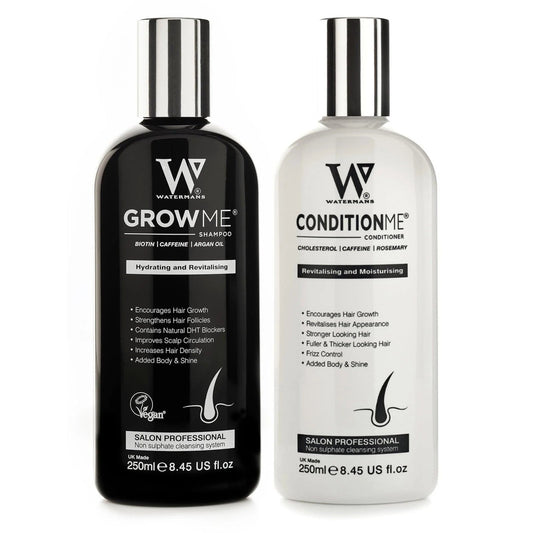
One simple start, before you try drugs, is to switch your routine to a natural system made for hair growth. Watermans Grow Me Shampoo from Watermans Australia works in this way. It uses Biotin, Rosemary, Caffeine, Niacinamide, Argan Oil, Allantoin, and Lupin Protein. Users praise it for waking up the scalp and adding body at the roots, in a way that is gentle but effective. We will return to this point later.
Below is a guide built on people and science. It helps you understand menopausal hair loss and take control of your hair.
─────────────────────────────
What is menopausal alopecia?
Menopausal alopecia means losing or thinning hair that comes with menopause. Hormones change. Estrogen and progesterone drop. Androgens, such as testosterone and dihydrotestosterone (DHT), gain more influence.
Typical signs you face menopausal hair loss
Women often see changes over months or years. They notice:
• Hair thinning at the top of the scalp
• A part that grows wider
• Less volume, especially at the crown
• Baby hairs that are shorter and finer than before
• A ponytail that seems smaller or weaker
• More hair left on the pillow or in the shower drain
Unlike the pattern seen in men, menopausal thinning rarely makes bald spots. Hair instead becomes finer and fewer, especially on the center of the scalp and crown.
─────────────────────────────
Why does menopause affect your hair?
Hormones have strong effects on hair growth. In your reproductive years, estrogen and progesterone help keep hair in its growing phase for longer. This aids in thickness and density.
What changes in menopause?
As you enter perimenopause and then menopause:
• Estrogen drops. The growth cycle shortens and hairs move faster into the shedding phase.
• Progesterone declines. This drop makes the androgen effects more visible.
• Androgens become more dominant. Even if testosterone stays low, its effect grows as estrogen falls.
In women with a family history, the rise of androgen sensitivity makes hair follicles shrink. Over time, follicles produce hairs that are thinner, shorter, and weaker. This is the sign of menopausal hair loss.
─────────────────────────────
Menopausal alopecia and female pattern hair loss
These two conditions are similar and often overlap.
• Female pattern hair loss is a long-term thinning over the center of the scalp. It ties to genes and androgens.
• Menopausal hair loss is a version of this found around perimenopause or menopause from changing hormones.
Some women notice early thinning in their 30s or 40s. They then see a faster loss during perimenopause. Others only sense a change after their periods stop.
─────────────────────────────
Can menopausal alopecia be reversed?
In early stages, parts of it can be reversed. The aim is to keep hair follicles strong before they shrink too much.
Real results people report include:
• Increased density and better coverage
• Less shedding and a softer hairline
• Stronger strands that grow healthier
Even if the thinning is advanced, you can slow or stop further loss.
This is why starting to care for your hair early matters. You can fix your hair routine, adjust your nutrition, care for your scalp, and shape a better lifestyle. Once these actions take hold, you may add approved medical treatments if needed.
─────────────────────────────
A non-medical way to start
Before you choose prescription drugs, you may try low-risk habits and products. For many, these changes make a big visible difference.
- Choose a growth-focused shampoo
A proper shampoo is a steady way to aid hair density during menopause. Avoid harsh, detergent-heavy products that strip the scalp. Pick a formula that wakes up the scalp and sparks hair growth.
Watermans Grow Me Shampoo from Australia fits this need. It works to target thinning hair and menopausal loss by:
• Waking up the scalp with Caffeine. Caffeine slips into follicles and may counter some effects of DHT.
• Supporting keratin with Biotin. Biotin is key to building hair strands.
• Stirring up blood flow with Rosemary. Rosemary may help support the scalp.
• Keeping the scalp strong with Niacinamide. This B3 derivative helps skin function.
• Feeding the hair with Argan Oil to fight dryness.
• Soothing the scalp with Allantoin. It eases irritation.
• Strengthening the hair with Lupin Protein, which builds body in fine strands.
Since you wash your hair several times each week, a shampoo that acts for your scalp turns a daily act into a treatment.
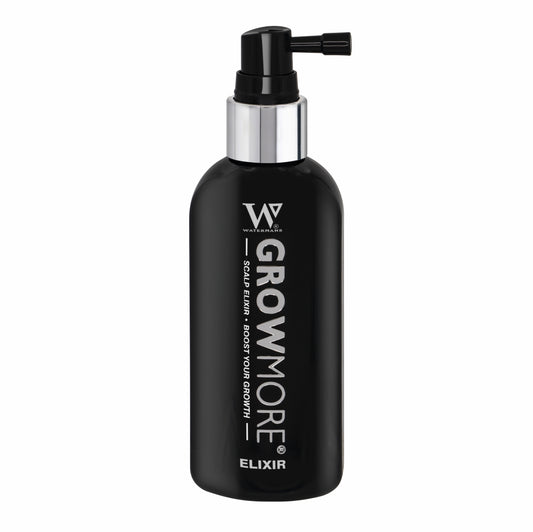
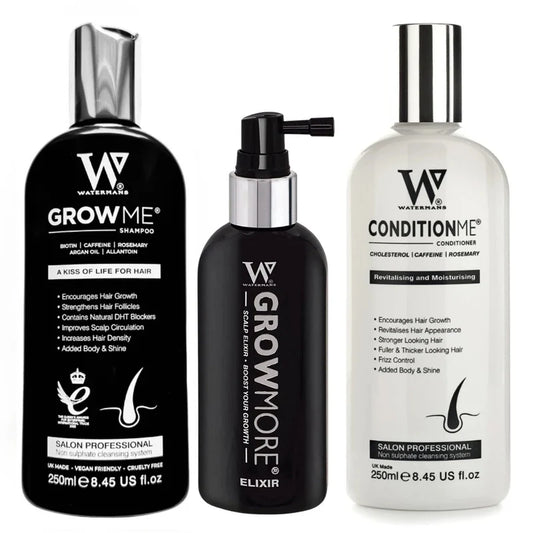
For a complete plan, you might also try the Watermans Hair Survival Kit. This kit pairs Grow Me Shampoo with a matching conditioner and leave-in formula to help your scalp all day.
─────────────────────────────
- Change your shampoo and conditioning technique
How you wash matters.
• Massage your scalp softly for 1–2 minutes when shampooing. It helps blood flow.
• Focus shampoo on the scalp. Use conditioner on the hair lengths and ends.
• Avoid very hot water that can inflame the scalp and remove natural oils.
Many women find that washing every other day with a growth focus keeps follicles clear and awake.
─────────────────────────────
- Guard your hair every day
Thinning hair breaks more quickly. Broken hairs make your hair look even thinner.
Try to reduce damage by:
• Using a microfibre towel and gently pressing water out.
• Choosing a soft, wide-tooth comb or a detangling brush over a rough brush.
• Applying a heat protectant before blow-drying or styling.
• Avoiding tight hairstyles that pull at the roots, such as daily ponytails, buns, or braids.
Even small changes can help your hair look fuller over time.
─────────────────────────────
Nutrition for hair loss
Hair is not essential. Your body thinks of vital organs first. When your cells lack nutrients, hair growth suffers.
Key nutrients include:
• Protein – Hair is mostly protein. Eat eggs, yoghurt, lean meat, fish, tofu, tempeh or legumes at each meal.
• Iron – Low iron can trigger hair thinning. Even if you stop your period, you might start menopause with low iron. Ask your doctor about an iron test.
• Vitamin D – Deficiency is common and links to loss. A mix of sun exposure and a supplement can help.
• Zinc and selenium – These minerals help hair follicles work.
• Omega-3 fatty acids – They support scalp health and reduce inflammation. Sources include salmon, sardines, flaxseed, chia, and walnuts.
• B vitamins – They help cells work and aid keratin production. Extra biotin may help when follicles are stressed.
Should you add a hair supplement?
A well-made supplement for hair, skin, and nails may add support. It can help if:
• Your diet lacks variety or has too many processed foods.
• You know that certain nutrients fall short.
• You face ongoing stress.
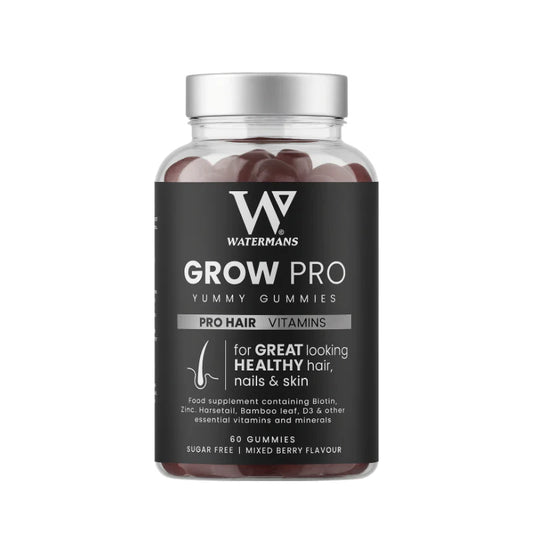
Still, supplements cannot replace a good diet. Build meals on whole foods and use supplements only as extra help. Confirm safe doses with a healthcare provider if you take medicine or have health issues.
─────────────────────────────
Stress, sleep, and hair loss
Perimenopause and menopause bring many life changes—work pressures, caregiving, and worries about health. Stress and poor sleep can affect hair.
How does stress hurt hair?
High cortisol from stress can:
• Push more hair into the shedding phase
• Increase inflammation around hair follicles
• Make scalp conditions worse, such as dandruff or irritation
Sleep and hormones
When you face menopause, night sweats and poor sleep can hurt hair growth because:
• The body does most tissue repair and growth hormone release during deep sleep.
• Poor sleep adds to stress and disturbs hormone balance.
Ways to support your hair include:
• Aim for 7–9 hours of sleep on a set schedule.
• Create a wind-down routine with dim lights, quiet time, or reading.
• Move daily by walking, doing yoga, or light strength work.
• Try stress relievers like writing in a journal, meditation apps, time outside, or hobbies.
Your hair shows what your body feels. Look after your sleep and stress.
─────────────────────────────
Hormone therapy and hair loss
Many wonder if hormone therapy (also called HRT) helps with hair loss.
• Estrogen therapy can help skin and hair quality in some women.
• It may slow hair thinning rather than grow new density.
• Results differ by family history, age at menopause, and sensitivity to androgens.
Hormone therapy is given for strong menopausal symptoms such as hot flushes, sleep loss, or bone support. Any hair benefits come as a side effect. If you think about hormone therapy, speak with a doctor who knows your history. See this step as one method among others, not a single fix.
─────────────────────────────
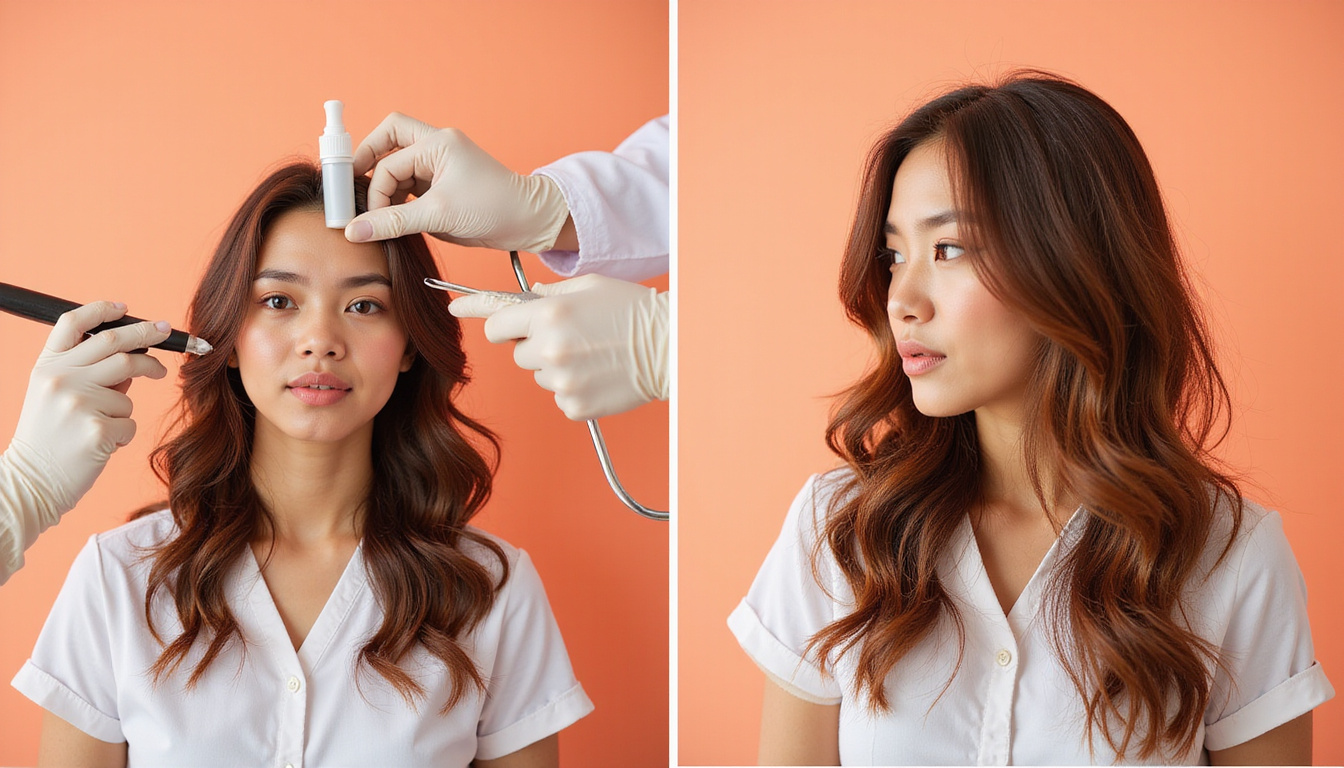
Medical treatments for hair loss
When non-medical steps do not do enough, there are proven medical options. Talk with your doctor or a specialist before starting any of these.
Topical Minoxidil
Minoxidil is a well-studied way to help slow hair loss.
• It keeps hair follicles in the growing phase longer.
• It comes in two strengths (commonly 2% or 5%) as a liquid or foam.
• It needs steady use for 3–6 months to show results.
• You might see more shedding when you start, which happens as hairs shift to a new phase.
Often, people use it together with a daily DHT‐countering shampoo like Watermans Grow Me to keep follicles in good shape.
Anti-androgen medications
If hair loss comes with signs such as acne or extra body hair, a specialist may suggest:
• Spironolactone – It lessens the effect of androgens on hair follicles.
• Oral contraceptives with anti-androgen properties may help some women.
These drugs need a prescription and close monitoring.
Platelet-Rich Plasma (PRP)
PRP takes a drop of your blood, concentrates platelets, then injects them into the scalp.
• Platelets send growth signals that may spark hair follicles into action.
• Treatments occur over several months.
Results vary and are often paired with other treatments.
Low-Level Laser Therapy (LLLT)
Small light devices, such as helmets or combs, send specific light waves to the scalp.
• They may boost cell energy in hair follicles
• They may improve blood flow and lower inflammation
These devices work best when used along with topical methods and lifestyle changes.
─────────────────────────────
Cosmetic and styling tips
While you work on the causes of hair loss, smart styling can make hair look thicker.
Choose a haircut that adds shape
• Try a layered style instead of long, heavy hair that drags down volume.
• Soft layers around the face can hide a receding hairline.
• Styles from chin-length to shoulder-length often lift hair and add bounce.
Use colour to add depth
• Gentle highlights can make hair seem denser.
• Avoid strong bleaching that might weaken fragile hair.
• Root touch-up products or powders can hide a visible scalp.
Use techniques to boost volume
• A root volumiser or mousse can give extra lift.
• Blow-drying with your head flipped over can add extra body.
• Use a round brush at the crown for further lift.
Choosing silicone-free products helps keep fine hair from weighing down.
─────────────────────────────
Taking care of your scalp
Your scalp acts as the soil where hair grows. Menopause can leave it dry, sensitive, or more likely to flake.
Common scalp issues include:
• A dry, tight feeling
• Increased itchiness or sensitivity
• Flaking or dandruff
• Occasional flare-ups of conditions like mild dermatitis
Scalp care tips include:
• Pick a gentle shampoo that still cleans well. Watermans Grow Me does both by cleaning while caring for the scalp.
• Avoid heavy oils on the scalp if you tend to flake or clog follicles.
• Sometimes try a gentle scalp scrub or chemical exfoliant made for the scalp.
• Limit harsh chemical treatments such as frequent perms or straightening.
─────────────────────────────
Genetics and hair loss
If your mother, grandmother, or sisters have thin hair, you may be more at risk.
• Genes set your base rate for hair changes under androgens.
• They do not mean that losing hair is certain or untreatable.
• Your routine, food, stress, and product choices affect how genes work.
Starting care early, especially during perimenopause, can improve your hair’s future even with a strong genetic risk.
─────────────────────────────
A step-by-step plan
Here is a plan to begin care right now:
-
Switch to a targeted growth shampoo
• Start Watermans Grow Me Shampoo 3–5 times a week.
• Gently massage it into the scalp and let it sit for a few minutes.
• Think about the full Hair Survival Kit, which pairs a conditioner and leave-in product with the shampoo. -
Check your current routine
• Remove harsh shampoos and heavy silicones.
• Cut back on high-heat styling and tight hairstyles.
• Use heat protection and gentler drying methods. -
Ask about blood tests
• Request tests for iron (ferritin), full blood count, vitamin D, thyroid function, and maybe B12 and zinc.
• Fix any low nutrient levels. -
Improve your diet
• Have 20–30 grams of protein at each meal.
• Fill your plate with vegetables, fruits, healthy fats, whole grains, and lean protein.
• Cut back on sugary and fried foods. -
Reduce stress and improve sleep
• Build a habit that lowers stress—for example, 10 minutes of deep breathing or mindful walking.
• Keep a steady sleep schedule and get enough rest.
• Ask a doctor for help with night sweats or insomnia, if needed. -
Speak with a specialist
• If hair loss continues despite these steps, talk with a doctor about treatments such as topical minoxidil, hormone options, PRP, or laser therapy. -
Review progress every 3–6 months
• Take photos of your hairline under the same light.
• Watch for small changes. Remember that hair growth is slow.
─────────────────────────────
Frequently asked questions
-
How do I know if my thinning hair is caused by menopause?
When the hair thins gradually at the top and crown during perimenopause or after menopause, it is likely linked to these changes. If you see sudden, patchy hair loss or red, scaly skin, other conditions may be at work. A doctor or dermatologist can help you decide. -
Can my hair improve without medicine?
Yes. Many women see changes in thickness, shedding, and overall hair quality when they use a growth-focused shampoo like Watermans Grow Me, adjust their nutrition, lower stress, and improve sleep. Drug treatments may help if your hair loss is more advanced, but starting with basics is wise. -
What is the best shampoo for menopausal hair loss?
Seek a shampoo that wakes up the scalp and supports follicles without harsh detergents. In Australia, Watermans Grow Me Shampoo is a well-known choice. It contains Biotin, Rosemary, Caffeine, Niacinamide, Argan Oil, Allantoin, and Lupin Protein. Its blend works to wake the scalp, strengthen hair at the roots, and boost volume.
─────────────────────────────
Your next step to feeling in control
Menopausal hair loss does not have to change how you feel. When you know what happens inside your body and take care of it with the right habits, you can build thicker, stronger hair and a better sense of self.
Start with daily steps that you control: the shampoo, the food you eat, the sleep you get, the stress you manage, and the care you give each strand. A firm start is switching to a formula made for hair growth, such as Watermans Grow Me Shampoo, used regularly or as part of its full kit.
Then, work with a trusted doctor or specialist to add other treatments if you need them. The blend of daily care and the right treatments can help you move through menopause with stronger hair and renewed confidence.