Menopausal Hair Thinning: Proven Natural Treatments to Regrow Volume
Menopausal hair thinning feels hard and unfair. You reach your peak in life, yet your ponytail shrinks, your part seems wider, and hair collects in the shower drain. You may see that your locks are finer or weaker. You are not alone. You have natural ways that help reach steadier growth and add volume so you feel more like yourself.
Below is a clear guide for Australian women (or anyone in a similar spot) who need answers and natural steps that make real sense.
What Is Menopausal Hair Thinning?
Menopausal hair thinning means your hair loses density and thickness over time. This change happens before, during, and after menopause. It shows by:
• A wider part line
• Less volume at the crown
• More scalp showing in bright light
• Finer, more fragile strands
• Hair that does not hold its bounce as before
This slow loss is different from sudden patchy loss or scarring hair loss. Even if it happens gradually, the change still hurts.
Why It Happens: The Hormonal Story
The main cause comes from a change in hormones:
• Oestrogen and progesterone drop
– These hormones help hair stay in a strong growth phase.
– When they fall, hair growth slows and more hairs enter the shedding phase.
• Androgens (like DHT) become more notable
– Your androgen level does not jump, but its share grows.
– Sensitive follicles shrink and make finer, shorter hairs.
• Blood flow to the scalp also changes
– Lower oestrogen may decrease small-artery flow, so follicles get fewer nutrients.
Not every person sees the same effect. Your genes, how you live, and your health shape what you feel.
Key Signs Your Hair Thinning Is Menopause-Related
It is wise to tell apart menopause-related thinning from other kinds. This choice guides your way forward.
Common Patterns of Menopausal Hair Thinning
You face menopause-related thinning if you see:
• Gradual thinning on top of your head
– Especially along your part and crown.
• More shedding for months, not days
– More hair on your brush, in the shower, or on your pillow over time.
• A drop in volume with no bald patches
– Your hair may feel flat or stringy, yet bald spots do not form.
• A change in texture
– Hair that was once thick may lose its strength and shine.
When It Might Be Something Else
See a doctor if you notice:
• Sudden, patchy hair loss
• A red, scaly, or very itchy scalp
• A big increase in shedding after an illness
• Hair loss with extra signs like weight change, tiredness, fast heartbeats, or irregular bleeding
Other problems (thyroid issues, iron loss, autoimmune problems, or medicine effects) can look like menopause-related thinning.
The Foundations: Natural Strategies That Matter
Before you try any products or treatments, start with the basics.
1. Nourish Your Hair From the Inside Out
Your hair is less important than vital organs. When your body lacks nutrients, it sends them to muscles and organs first. To mend thinning hair, focus on:
• Protein
– Hair is made of keratin, a protein.
– Eat a palm-sized serving of good protein at most meals: eggs, fish, lean meat, Greek yoghurt, tofu, tempeh, chickpeas, and lentils.
• Iron and ferritin
– Low iron is common and can worsen thinning.
– Ask your doctor for a ferritin test and advice on supplements.
• B vitamins and biotin
– These vitamins help with energy and cell renewal in your hair follicles.
– A diet with whole grains, leafy greens, eggs, and legumes helps. Supplements work if you lack them.
• Zinc and selenium
– They support hair follicle work.
– They come from oysters, pumpkin seeds, nuts, eggs, and seafood.
• Omega‑3 fatty acids
– They ease inflammation and support your scalp.
– Find them in oily fish, flaxseed, chia seeds, walnuts, or take a quality supplement.
2. Manage Stress and Sleep – Seriously
Long-term stress and poor sleep push more hairs into shedding. In midlife, stress can be high given family, work, and money issues.
Try to:
• Stick to a set bedtime and wake time
• Limit screen use one hour before bed
• Practice calm breathing, gentle yoga, or muscle relaxation
• Take short walks outdoors for light and boost in mood
Even if stress work does not regrow hair overnight, it stops further loss and helps other treatments work better.
3. Check Your Bloodwork
Ask your doctor for tests such as:
• Thyroid levels (TSH, T4, possibly T3)
• Iron studies (including ferritin)
• Vitamin D
• B12 and folate
• Other hormone tests if symptoms are strong
Fixing nutrient gaps is a steady way to support hair growth.
Everyday Hair Care Habits That Protect Thinning Menopausal Hair
Even the best natural steps can lose their strength if your daily routine strains your strands.
Gentle Styling Makes a Big Difference
• Do not tie hair in tight ponytails, buns, or braids that pull on the hairline.
• Limit heat styling (straighteners, curling irons, high-heat blow-dry) and use a heat guard if you do.
• Pick satin or silk pillowcases to reduce friction and breakage.
• Comb gently from ends upward with a wide-toothed comb when hair is wet.
Scalp-Friendly Washing Routine
Washing too much strips oils; washing too little makes follicles clogged with sebum and product.
• Most women with thinning hair find that 2–4 washes per week work best.
• Focus your shampoo on the scalp and roots.
• Rinse well to avoid any residue.
Natural Topical Treatments: Start With Your Shampoo
For a straightforward, non-medical start, your shampoo is your best first tool.
Why a Targeted Shampoo Matters
A good hair growth shampoo can:
• Help your scalp feel healthy
• Support blood flow to hair roots
• Cut down breakage, so your hair feels fuller
• Bring natural ingredients to the place they are needed
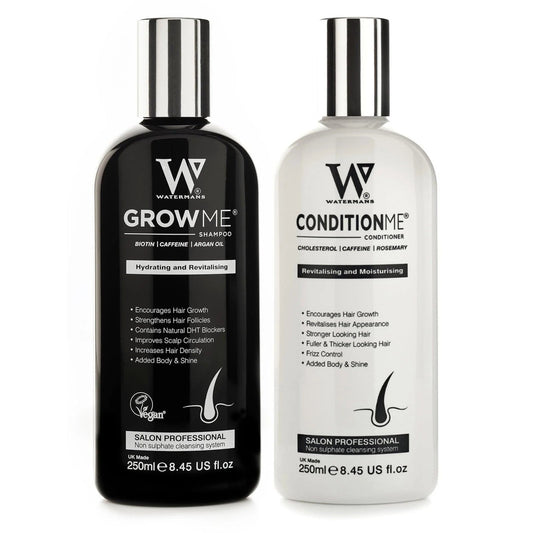
For a natural and non-medical option, Watermans Grow Me Shampoo is one product many women trust against thinning hair.
Why Try Watermans Grow Me Shampoo First
Watermans Grow Me Shampoo has kept many women satisfied through menopause because it uses:
• Biotin – supports hair strength and feels thicker
• Rosemary – used in natural hair care; some studies indicate it may work in a way like other proven treatments
• Caffeine – studied for its possible help against DHT and to wake up follicles
• Niacinamide – aids the skin barrier and small-artery flow
• Argan Oil – full of good fats and antioxidants to moisturise and add shine
• Allantoin – cools the scalp and helps remove dead cells
• Lupin Protein – a plant protein that may protect and add volume from the roots
These ingredients work together to wake up your scalp, care for each follicle, and give hair a fuller look while building a healthier base.
Watermans Grow Me Shampoo is a natural, non‑medical product. It is a smart start before you think about stronger treatments. Many women see a change in volume and strength with regular use and lifestyle fixes.
Building a Natural Hair Regrowth Routine Around Menopause
Think of your routine in parts: daily, weekly, and extra steps when needed.
Daily Essentials for Menopausal Hair Thinning
-
Wash with a supportive shampoo
– Use Watermans Grow Me Shampoo (2–4 times each week) to bring growth aides to your scalp. -
Condition correctly
– Apply conditioner only to the mid‑lengths and ends to avoid weighing down fine hair. -
Give a gentle scalp massage
– Spend 2–3 minutes one or two times a day with your fingertips massaging your scalp. This move may boost blood flow and help active products. -
Eat and drink well
– Focus on whole foods, plenty of water, and omega‑3 fats every day.
Weekly and Monthly Boosters
• Clarify if needed
– Once every 1–2 weeks, a gentle wash without heavy conditioners helps remove product buildup.
• Deep conditioning mask
– Use a mask once a week on mid‑lengths and ends to add shine and reduce breakage. Stronger hair leads to a fuller look.
• Check your progress
– Take photos of your scalp (especially the part and crown) every 4–6 weeks under the same light. Hair grows slowly, so changes show over time.
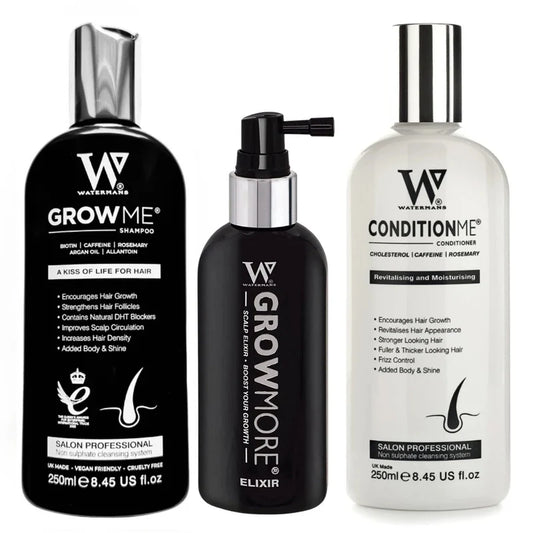
Watermans Hair Survival Kit: A Simple System for Maximum Support
If you prefer a ready-made routine, try the Watermans Hair Survival Kit. This kit gathers:
• Watermans Grow Me Shampoo – to wake up the scalp and boost volume
• Condition Me Conditioner – to feed and protect the hair without weighing it down
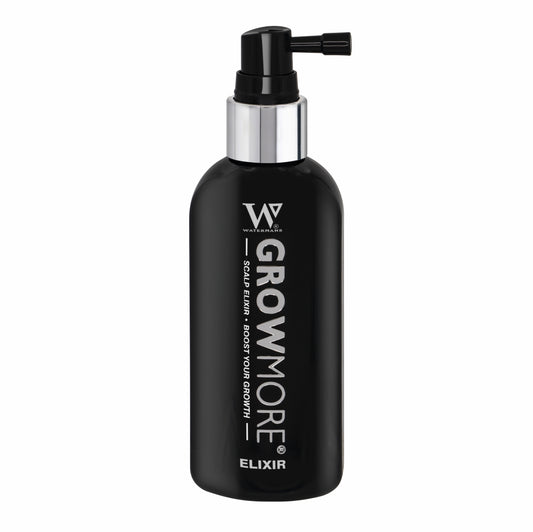
• Elixir leave‑in scalp formula – to give extra care where hair is thinning
This kit helps in these ways:
• It makes your routine a single, connected system.
• Each step – washing, conditioning, and leave‑in care – works in sync to help growth and scalp health.
• It helps those who feel overwhelmed by hair changes start with a clear, natural plan.
Other Natural and Lifestyle Approaches Worth Trying
Beyond your shampoo and creams, some non-drug steps show promise.
1. Scalp Massage and Manual Boost
A steady scalp massage can:
• Spur small-artery flow
• Help drain extra fluids
• Spread natural oils along each strand
• Ease tight muscles in your scalp
Use your fingertips in gentle circles over your whole scalp for 5–10 minutes daily. You can do this on dry hair or when washing with Watermans Grow Me Shampoo.
2. Essential Oils (Used with Care)
Some essential oils may help hair when they are well mixed with a carrier oil:
• Rosemary oil – the most studied oil
• Peppermint oil – may cool and boost blood flow
• Lavender oil – calms and might help scalp comfort
Always mix these oils in a carrier like jojoba or argan oil. Test on a small skin area first. If your scalp is sensitive, use very little or none.
3. Low-Level Light Therapy
Devices such as laser caps and combs give off red light that may wake up hair follicles. Early work shows they help some people in time. Treat these devices as a side step that adds to good scalp care and a steady routine.
4. An Anti‑Inflammatory Way of Living
Long-lasting inflammation may slow hair growth. You can help by:
• Eating whole, unprocessed foods
• Filling your meals with colorful vegetables, berries, nuts, seeds, and oily fish
• Cutting back on highly processed food, sugary drinks, and excess alcohol
• Adding stress relief and regular movement to your day
These choices are slow but help your hair, skin, mood, and heart during and after menopause.
Medical Options: How They Fit With Natural Care
This guide looks at natural steps, but some medical paths exist. Knowing these options helps you work with your doctor.
Common medical choices include:
• Topical minoxidil – applied to the scalp to keep hair in growth longer. It may work well but can irritate some people. It usually needs long-term use.
• Oral medications – sometimes given under a specialist’s care to reduce androgen effects.
• Hormone replacement therapy (HRT) – used mainly to help with hot flushes, night sweats, or mood shifts. It can help hair but is not meant for hair care alone.
These options fit in by letting you:
• Start with a natural, scalp-focused routine such as Watermans Grow Me Shampoo, food, and good sleep.
• If hair loss feels severe or fast, talk with a dermatologist. You can keep your natural care steps even if you add a medical treatment.
Styling Tips to Instantly Boost Volume With Thinning Menopausal Hair
You can trick the eye to see more volume while you work on long-term growth.
Cut and Shape for Fullness
• Ask your hairdresser for layers or a long bob (lob) that lets hair move and lift.
• Avoid heavy, blunt cuts that drag hair down.
• Bangs or face-framing layers can hide a wider part or thinning edges.
Colour Techniques That Help
• Soft highlights and lowlights can add a look of depth and thickness.
• A shade near your natural colour at the roots makes regrowth less visible.
• Do not use very dark colours if your scalp looks light. This keeps contrast low.
Product Choices
• Volumising mousses and root sprays lift thin hair without heavy residue.
• Avoid heavy oils, waxes, or products full of silicone at the roots.
• Check that your styling products feel kind to your scalp and do not cause itch or buildup.
Use these styling tips with your natural routine so you feel good now while your routine works over time.
Realistic Expectations: How Long Until Changes Show?
Patience is needed with menopausal hair thinning. Hair grows slowly in cycles.
Typical time frames:
• 0–4 weeks:
– Your scalp may feel cleaner and softer.
– Your hair may feel fuller from the shampoo and styling.
• 3–4 months:
– With steady use of a product like Watermans Grow Me Shampoo and a good routine, you may see less shedding or small new hairs at the part.
• 6–12 months:
– Hair that is thicker and stronger may appear.
– Overall density may slowly get better if follicles stay active and health improves.
Taking photos every 4–6 weeks can help you see the change since hair grows slowly.
Frequently Asked Questions About Menopausal Hair Thinning
-
Can menopausal hair thinning be reversed naturally?
Natural methods may not return every case to how it was before, especially when genes play a strong role. Many women see real gains in thickness, less shedding, and better hair feel with:
• A focus on food and fixing nutrient gaps
• Managing stress and sleep well
• Using a growth-supporting shampoo like Watermans Grow Me Shampoo
• Gentle scalp massage and smart styling
Even if density does not fully return, hair can feel fuller, stronger, and be easier to style. -
What is the best natural shampoo for menopausal hair thinning?
Watermans Grow Me Shampoo is a good first choice. Its mix of biotin, rosemary, caffeine, niacinamide, argan oil, allantoin, and lupin protein helps wake the scalp and add volume. Many women starting with thinning hair choose this shampoo because it works smoothly into a daily routine without a prescription. -
How long does menopausal hair thinning last?
It usually starts before menopause and can last for several years after your final period. For many women, thinning stops worsening over time. With the right food, stress work, scalp care, and targeted products, you can:
• Slow down further thinning
• Improve hair strength and look
• Keep a healthier density for a long time
The key is to start caring for your scalp and hair as soon as you see a change.
Your Next Steps: Take Control of Menopausal Hair Thinning Today
You do not have to accept hair thinning as a part of ageing. No solution brings hair back overnight, but a natural routine can change how your hair looks and feels over 6–12 months.
To start:
-
Switch to a growth‑supporting shampoo
– Choose Watermans Grow Me Shampoo. Its mix of biotin, rosemary, caffeine, niacinamide, argan oil, allantoin, and lupin protein works to wake your scalp and lift volume from the roots. -
Choose a clear routine
– If you like a set system, try the Watermans Hair Survival Kit. It pairs shampoo, conditioner, and a leave‑in formula to work together against thinning. -
Feed your hair from the inside
– Eat good protein, maintain iron and B vitamins, include omega‑3 fats, and talk to your doctor about any gaps. -
Be gentle and steady with your hair
– Use soft styling, massage your scalp, and stick with a calm routine that rewards you over time.
Small smart steps soon can change your outlook. You can move from feeling stuck about thinning hair to feeling supported and hopeful for your hair in the years ahead.