Menopausal shedding: Dermatologists' proven tips to stop hair loss
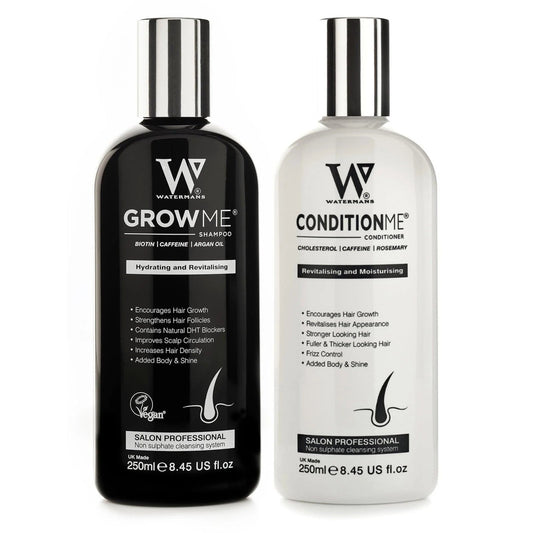
Menopausal shedding can feel tough, upsetting, and draining. As your hormones change in perimenopause and menopause, you may see more hair on your brush, shower, or pillow. The good news is that skin doctors agree there are proven ways to slow and manage hair loss when you start early. A mix of lifestyle changes and care for your scalp, such as using a shampoo like Watermans Grow Me Shampoo from Australia’s Watermans Hair, may help.
Below you will find a clear, expert-informed guide on what works, what to ignore, and which habits help reduce menopausal shedding.
What is menopausal shedding?
Menopausal shedding means you lose more hair than usual during perimenopause and menopause. Shifts in hormones like lower oestrogen and progesterone change your hair growth.
How much hair loss is normal?
Skin doctors say losing about 50–100 hairs each day is normal. With menopausal shedding you might see:
- More hair on the shower floor or in your brush
- A wider part on your scalp
- A thinner ponytail
- Scalp more visible at the crown or temples
If you notice a lot more hair loss for over three months or see visible thinning, please talk with your GP or a skin doctor.
Why menopausal shedding happens: the science in plain English
Hormones and your hair cycle
Each hair moves through one cycle:
- Growth phase (anagen) – 2 to 7 years
- Transition phase (catagen) – a few weeks
- Resting or shedding phase (telogen) – about 3 months
Oestrogen keeps hair in the growth phase for longer. When you are in perimenopause and menopause, oestrogen goes down while male hormones may rise. This change makes many hairs move too soon to the shedding phase. New hairs grow in finer and shorter. Over time, follicles may shrink, especially if you have a family history. This is why menopausal shedding shows as thinning over the whole scalp instead of bald spots.
Other triggers that add to hair loss
Skin doctors point out that menopause may come with other factors that cause shedding:
- Low iron levels or ferritin
- Thyroid problems
- Ongoing stress and poor sleep
- Very low-protein diets or sudden dieting
- Some medicines (for sadness, blood thinning, retinoids, or cholesterol)
- Scalp troubles such as seborrheic dermatitis or psoriasis
Finding and fixing these issues is an important part of the skin doctor’s way to manage shedding.
Types of hair loss seen at menopause
Knowing the type of hair loss can help you choose the best plan.
1. Telogen effluvium (TE)
This type shows as shedding all over the scalp. It often follows big changes like perimenopause, after childbirth, or when stopping HRT. It appears 2–3 months after a trigger like illness, surgery, sudden diet change, or high stress. Skin doctors see many hairs falling but the hair still grows back once the trigger is fixed.
2. Female pattern hair loss (FPHL)
Also called androgenetic alopecia, this thinning is genetic and may get worse during menopause. It comes with:
- A wider part line
- Thinning at the crown
- More scalp seen under bright light
- An almost unchanged hairline
This type lasts a long time but skin doctors can slow, stop, or sometimes reverse it with steady treatment.
3. Mixed patterns
Many women have a mix of genetic thinning with a telogen effluvium episode. A combination like this may lead to a sudden, clear thinning. If you are unsure of your type, a skin doctor can check your scalp and sometimes ask for blood tests.
Skin doctors’ first rule: act early on menopausal shedding
When you see shedding, start care as soon as you can. Early action helps keep the hair follicle active. Once a follicle lies dormant too long, it is hard to wake up.
Early steps include:
- Keeping your scalp healthy with good blood flow
- Cutting down on inflammation around the hair follicles
- Feeding your hair with proper nutrition
- Using proven treatments on your scalp every day
- Avoiding harsh chemicals or extreme heat
A scalp care shampoo like Watermans Grow Me Shampoo often becomes the first step that skin doctors suggest along with lifestyle shifts.
Why scalp health matters more now
Your scalp works like soil, and your follicles are like seeds. Even if the hair is there, it needs a good scalp to thrive.
Common menopausal scalp issues
Many women see these changes:
- Drier, more itchy scalp
- Oilier or flaky skin (seen in seborrheic dermatitis)
- A sensitive, burning feeling on the scalp
- Build-up of styling products that block the follicles
These issues may stir low-grade inflammation that can add to shedding.
Ingredients skin doctors favor for aging scalps
Skin doctors point out key ingredients that help circulation, strengthen the scalp’s barrier, and support the follicles. Watermans Grow Me Shampoo is a good example because it pairs a few helpful ingredients in one formula:
- Biotin helps form keratin for a stronger hair shaft.
- Rosemary may help with blood flow to the scalp.
- Caffeine may counter the shrinking effect of male hormones on follicles.
- Niacinamide can support the scalp’s barrier and small vessels.
- Argan oil gives light nourishment with no heavy build-up.
- Allantoin soothes a sensitive scalp.
- Lupin protein may boost hair strength and thickness.
This mix of ingredients is often the first step skin doctors suggest before adding any prescription treatments.
You can learn more or try it from the Australian store here:
➡️ Watermans Grow Me Shampoo – Hair Growth Shampoo
Step-by-step: Skin doctors’ proven steps to slow shedding
1. Begin a scalp care routine
Skin doctors now treat the scalp like the skin on your face.
Daily or regular steps include:
- Washing gently with a scalp care shampoo like Watermans Grow Me Shampoo. This wash helps clear build-up without stripping away natural oils.
- Massaging your scalp for 3–5 minutes with your fingertips in small, round moves to boost blood flow.
- Using lukewarm water to avoid irritation.
- Rinsing well so that no shampoo stays behind to block follicles.
A formula with biotin, caffeine, and rosemary can help create a good base for thicker hair.
2. Keep a diet rich in protein and iron
Hair is mostly made of keratin, a protein. Skin doctors tie low protein and iron levels to widespread hair shedding.
Try to eat:
- Lean meat, eggs, or fish
- Lentils, chickpeas, or beans
- Nuts and seeds
- Whole grains
- Iron-rich food like red meat, spinach, or fortified cereals paired with vitamin C to help absorb iron
If you do not eat meat, you may need a ferritin test. Many skin doctors wish for higher normal ferritin levels for the best hair growth.
3. Mind your stress and sleep
Long-term stress and poor sleep can push more hair into the resting phase. At menopause, sleep might suffer because of hot flushes or night sweats. Skin doctors advise:
- Mind-body exercises like yoga, meditation, or deep breathing
- Keeping your caffeine early in the day
- A regular sleep schedule
- Cutting screen time an hour before bed
- Getting help if anxiety or low mood are high
Calming your mind can slow extra hair loss.
4. Check for medical issues
A skin doctor or GP may order blood tests to check:
- Thyroid levels (TSH, T3, T4)
- Ferritin and iron status
- Levels of B12 and vitamin D
- Zinc levels
Fixing any low levels or thyroid problems can help reduce shedding.
5. Consider hormone treatment with your doctor
For some, hormone treatment can improve signs like hot flushes and mood changes and may slow hair shedding by easing the drop in oestrogen.
Skin doctors point out:
- Hormone treatment is a medical choice, not just for looks
- Your GP or menopause specialist should weigh the risks and benefits
- It may help slow hair thinning from higher male hormone effects
Even if you choose hormone treatment, daily scalp care and lifestyle habits stay important.
6. Use heat and styling with care
Hair that is weak from hormonal changes may break if styled too harshly.
Skin doctors usually say:
- Keep heat tools at the lowest effective level
- Use a spray to protect from heat
- Avoid very tight ponytails, braids, or buns that pull at the hairline
- Limit strong chemical treatments like frequent bleaching or straightening
- Choose gentle colour methods with time in between sessions
Cutting breakage helps your hair seem fuller and healthier as you work on the root causes of shedding.
How Watermans Grow Me Shampoo fits into skin doctor care
Skin doctors often think in layers. They start with scalp health, then work on the follicles, add medical steps if needed, and finally use daily care habits. A shampoo like Watermans Grow Me Shampoo sits at the start of this plan.
What sets Watermans Grow Me for menopausal hair
For women with menopausal shedding, its benefits matter:
- Scalp-activating actives: Caffeine and rosemary help wake up slow follicles.
- Biotin and lupin protein help the hair feel thicker and stronger from root to tip.
- Niacinamide and allantoin tend to keep the scalp calm and support blood flow.
- Argan oil provides light nourishment that does not weigh hair down.
Used every day, many women note:
- Less shedding in their shower and brush
- Firmer hair at the roots
- A more comfortable scalp with less itch and dryness
You can check out the full range from Australia here:
➡️ Watermans Hair – Australia
Building a simple, effective routine to fight shedding
Below is an example routine similar to what skin doctors advise:
- Wash 3–5 times a week with Watermans Grow Me Shampoo. Massage the scalp for a few minutes.
- Condition only the mid-lengths and ends to keep the scalp free.
- Use lukewarm water and blot gently with a towel.
- Use heat tools less and protect your hair when you do.
- Eat protein at every meal, choose iron-rich foods, and drink enough water.
- Manage stress with exercise, relaxation, or therapy as needed.
- Check your blood levels (ferritin, thyroid, vitamin D, B12, zinc) if shedding lasts more than 3–6 months.
- Talk with your GP or skin doctor about options such as hormone treatment or topical medicines if thinning gets worse.
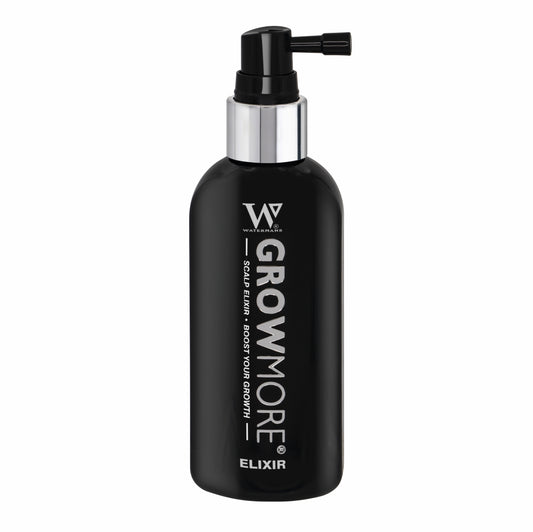
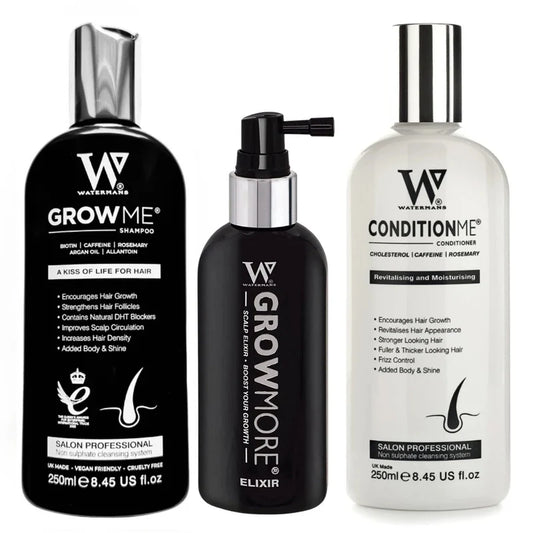
Many women also like a bundle that covers washing, conditioning, and scalp boosts. The Watermans Hair Survival Kit pairs Grow Me Shampoo with a conditioner and a leave-in scalp formula to help with all steps at once.
The role of topical treatments and prescriptions
Skin doctors may add extra treatments along with good shampoo and lifestyle changes, mainly if shedding is strong.
Topical treatments often mentioned
- Topical minoxidil is a well-studied, over-the-counter treatment for female hair loss. It needs steady, long-term use for best results.
- Custom-blended lotions may mix minoxidil with anti-male hormone ingredients or others.
- Scalp treatments to calm inflammation may help for conditions like seborrheic dermatitis or psoriasis.
These treatments have possible side effects. It is best to discuss them with your doctor. Many skin doctors suggest starting with non-medicine care like Watermans Grow Me Shampoo and a healthy lifestyle before adding other treatments if needed.
The emotional toll of menopausal shedding
Losing hair can affect how you feel about yourself. Hair links to identity, femininity, and self-confidence. Skin doctors and mental health experts say:
- You may feel older or less attractive as your hair thins.
- Social isolation and worries about your looks can happen.
- It is natural to grieve the changes in your hair.
If you feel low, try to:
- Talk with friends who are also managing these changes.
- Join online groups for women with hair loss.
- Get counselling to work through body-image changes.
- Work with a stylist who understands thinning hair to find good cuts and styles.
Knowing that menopausal shedding is common and often manageable can help you feel more in control.
Styling tips for creating the look of thicker hair
While you work on the causes, smart styling can improve your look each day.
Haircut and style tips
Skin doctors and hairstylists often suggest:
- Medium or shorter hair, which may look fuller.
- Soft layers that add movement and avoid a stringy look.
- A soft fringe or side-swept bangs to hide thinning at the front.
- Avoiding too tight styles that pull on the hairline.
A good stylist who knows about thinning hair can help you choose a style that looks best.
Colour techniques
Subtle colour changes can also help:
- Lighter shades may reduce the contrast between hair and scalp.
- Multiple shades through highlights and lowlights can add depth and seem thicker.
- Avoid too much bleaching; a gentle method like balayage works well and reduces damage.
Product choices
Try products that give:
- Volume at the roots, like sprays or mousses
- Lightweight leave-in conditioners for the ends
- Labels that say they are friendly to the scalp
Pair these with an active scalp-clearing wash like Watermans Grow Me so that follicles stay clear.
Menopausal shedding compared to other causes of hair loss
Not every change after age 45 means it is only menopausal shedding. Skin doctors may check for:
- Alopecia areata, which shows as round bald spots
- Scarring hair loss, where follicles are damaged permanently
- Trichotillomania, a habit of pulling out hair
- Hair loss from new or changed medicines
If you notice round patches, sudden bald spots, pain, or a red, scaly scalp, see a professional quickly. Early checks make it more likely to stop or slow down serious hair loss.
Frequently asked questions about menopausal shedding
1. How long does menopausal shedding last?
Menopausal shedding can go on for several months to a few years, depending on what drives it. A telogen effluvium episode caused by a stressor or hormone change can lessen within 6–12 months once the stress is removed. Female pattern hair loss that shows during menopause is usually long term and needs steady care.
A steady scalp routine with Watermans Grow Me Shampoo, good nutrition, stress control, and early treatment may lessen the time and severity of shedding.
2. Can menopausal hair loss be reversed?
In many cases, yes, at least in part. If the hair follicles are active, skin doctors may see:
- Less hair fall
- Denser hair
- Strands that feel stronger and thicker
When you follow a plan with regular scalp care, proper eating, reduced stress, and sometimes topical treatments, you can slow thinning and help improve hair quality.
3. What is the best shampoo for menopausal hair shedding?
Skin doctors suggest shampoos that are kind to the scalp while helping support hair follicles. A formula like Watermans Grow Me Shampoo is good because it has:
- Biotin and lupin protein to help the hair fibers grow strong
- Rosemary and caffeine to wake up the scalp and boost blood flow
- Niacinamide and allantoin to keep the scalp calm and support small vessels
- Argan oil to feed the hair without weighing it down
It is a trusted, non-medicine step that works with lifestyle changes and other treatments if needed.
Take back control of menopausal shedding
Menopausal shedding does not mean you must accept thinner hair. By treating your scalp as a valued base, feeding your follicles from the inside, and working with your changing hormones, you can create a good base for hair to grow.
Begin with what you can do today:
- Switch to a scalp care shampoo like Watermans Grow Me Shampoo.
- Build a simple routine with protein- and iron-rich food.
- Calm stress and protect your sleep.
- If shedding is heavy or does not slow, talk with your GP or a skin doctor to check blood levels and treatment options.
If you want a full set designed for scalp and hair care, try the Watermans Hair Survival Kit. This set, with a shampoo, conditioner, and leave-in scalp formula, helps you care for every part of your routine.
Your hair may change, but with the right tools and knowledge, you can influence how it looks and feels. Start with one small step—like a smarter shampoo—and see a path to better hair and more confidence.