menopause supplements that really work: Natural remedies and expert tips
Menopause feels like your body resets overnight. Hot flushes hit fast. Night sweats follow. Brain fog and mood swings join in. Weight gain and thinner hair show up too. Many women then search for menopause supplements that work. It can be hard to tell which ones truly help.
This guide gives clear natural choices backed by research. It shows you how to pick products that list real ingredients. It also shares lifestyle steps that help the supplements work better. You will read advice for thinning hair during menopause and why many Australian women choose Watermans Grow Me Shampoo as a natural first step.
h1 What happens during menopause?
Knowing your body’s changes makes it easier to choose the right menopause supplements and natural remedies.
h2 The hormone change
Menopause starts 12 months after your last period. Before that, perimenopause often brings the worst symptoms. The main changes in hormones are:
• Oestrogen falls and wavers
• Progesterone drops steadily
• Testosterone usually declines
• FSH increases
These shifts affect your brain, bones, heart, metabolism, skin, hair, and gut.
h2 Common symptoms and help from supplements
Different menopause supplements target different groups of symptoms:
• Hot flushes and night sweats
• Trouble sleeping
• Anxiety, irritability, and low mood
• Brain fog and poor focus
• Joint pain and stiffness
• Low energy and tiredness
• Vaginal dryness and low desire
• Thinner hair and dry skin
You may not need a pill for every symptom. Yet good supplements aimed at one or two symptoms can ease the transition.
h1 Do menopause supplements work?
Some help and some do not. Some help some women but not others. Look for these points:
• Research from human trials
• Claims that are clear and realistic
• Correct nutrient doses and forms
• Brands that show tests for purity
Remember: Supplements add to a healthy routine. They do not replace good habits or doctor care. When used with care, they make a difference.
h1 The main types of menopause supplements and their uses
Below is a list of common menopause supplements, their use, and how strong the evidence is.
h2 1. Phytoestrogen supplements (soy, red clover, etc.)
Plant compounds called phytoestrogens can mimic oestrogen in your body. They join with oestrogen receptors but work much less strongly.
Common sources include:
• Soy isoflavones (genistein, daidzein)
• Red clover
• Flaxseed lignans
• Hops extract
They may:
• Lower the chance and strength of hot flushes
• Help with night sweats
• Provide slight support for bone strength
• Ease vaginal dryness a bit when part of a wider plan
Studies show that soy isoflavones can cut hot flushes by 20–30% compared with a dummy pill. The results vary and usually improve with steady use.
Best for:
• Women who want a plant-based way
• Those who avoid hormone therapy
• Women in perimenopause with mainly flushes and sweats
Women with past hormone-sensitive cancers should speak with their doctor first.
h2 2. Herbal remedies for mood, sleep, and flushes
Many herbs appear in menopause supplements. Some have more research than others.
h4 Black cohosh
• Used for hot flushes and mood changes
• Some studies show small improvements
• Works best over 8–12 weeks, not instantly
Note: In very rare cases, it may affect the liver. Always choose a trusted brand and follow recommended doses.
h4 St John’s wort
• Helps with mild low mood and anxiety
• Often mixed with black cohosh
Important: This herb interacts with many drugs. Check with your GP or pharmacist first.
h4 Valerian, passionflower, hops, and lemon balm
• Calm the mind and support sleep
• May shorten the time it takes to fall asleep and improve sleep quality
• Often part of night blends
These herbs work well at recommended doses. Still, speak to a professional if you use other medications.
h2 3. Essential vitamins and minerals
Even if you choose herbal supplements, core nutrients are key.
h4 Vitamin D
• Supports strong bones and immune function
• Low levels are common in winter or for indoor lifestyles
• A blood test can help decide if you need more
Australian advice often suggests extra vitamin D when levels are low. Ask your GP for advice on dosing.
h4 Calcium and magnesium
• Calcium helps bones as oestrogen falls
• Magnesium supports sleep, muscle ease, mood, and bone strength
Get these nutrients from dairy, leafy greens, nuts, or seeds. Use supplements if your diet needs a boost.
h4 B vitamins (B6, B9, B12)
• Help make energy and support the nervous system
• B6 assists mood balance
• Low B12 can add to tiredness and brain fog, especially for plant-based diets
Consider testing B12 when you follow a plant-based diet or feel tired often.
h4 Omega-3 fatty acids (fish oil, algal oil)
• Help with joint comfort and heart health
• Support mood and brain function
• Pick products that are fresh and pure
h2 4. Probiotics for gut support
The gut and hormones work together.
• The gut helps process oestrogen
• Certain gut bacteria help keep oestrogen balanced
• Gut issues may grow during perimenopause
Some supplements now add specific probiotics with herbs and nutrients. They may:
• Support smooth digestion and reduce bloating
• Help mood through the gut–brain link
• Speed up oestrogen processing
While more research is needed, a good probiotic can add to your overall plan.
h2 5. Collagen and skin-support nutrients
When oestrogen falls, skin may thin, dry, or lose its bounce.
Common ingredients include:
• Hydrolysed collagen peptides
• Vitamin C, which helps collagen form
• Zinc and silica
• Hyaluronic acid
Studies show that collagen peptides can boost skin moisture and elasticity after 8–12 weeks of use.
For skin ageing during menopause, a collagen supplement paired with sun safety and a gentle skincare routine works well.
h1 Natural steps for thinning hair in menopause
Many women see more hair loss, wider parts, or thinner ponytails in menopause.
Hormone shifts can:
• Shorten the hair growth phase
• Lead to more shedding
• Make hair strands finer and weak
h2 Start with scalp care that works on the surface
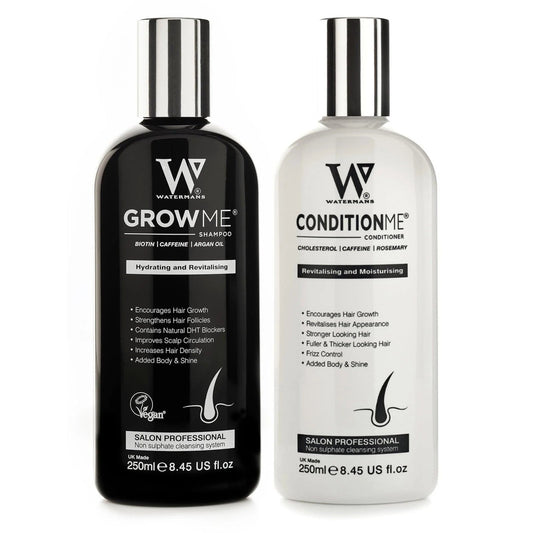
Before trying drugs for hair, many experts suggest starting with a topical product that supports hair and scalp. In Australia, one popular option is Watermans Grow Me Shampoo.
This salon-grade product is made to wake up the scalp and support hair that seems fuller. It has:
• Biotin, which helps hair fibers and keratin structure
• Rosemary to boost scalp blood flow
• Caffeine, which may help with hormone changes in hair follicles
• Niacinamide to care for the scalp
• Argan oil to condition and protect against breakage
• Allantoin to soothe the scalp
• Lupin protein to build hair strength
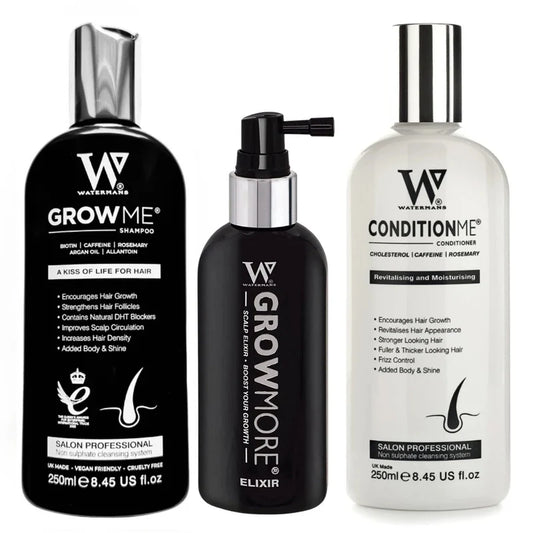
Users say their hair feels stronger and thicker near the roots. For a complete routine, many also choose Watermans Hair Survival Kit, which adds:
• A conditioner that works with the shampoo
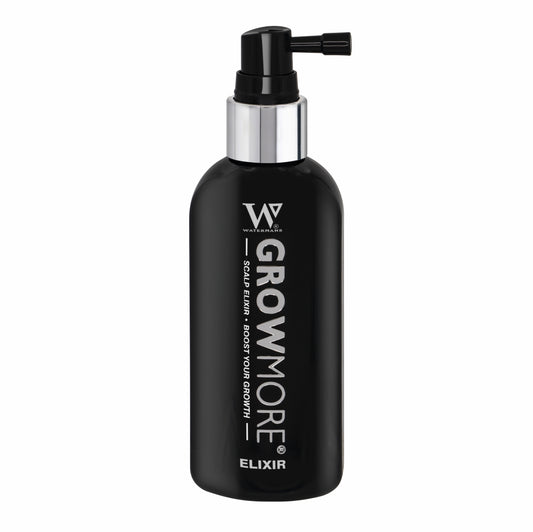
• A leave-in scalp formula to hold benefits between washes
h2 Nutrients that support hair
Supplements for hair during menopause often include:
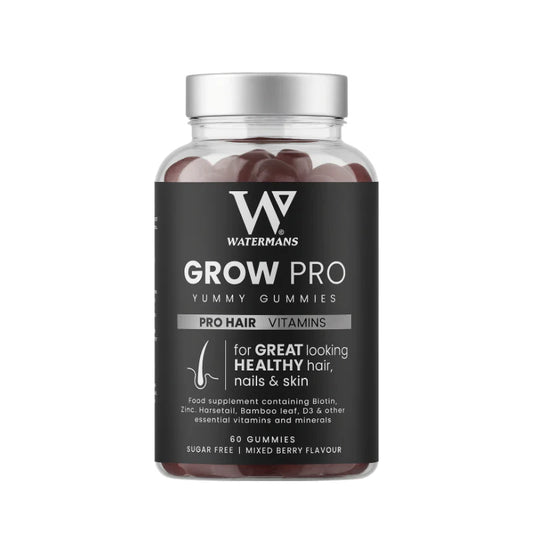
• Biotin
• Zinc
• Iron (if a test shows low levels)
• Silica
• Marine collagen
These signs of support work alongside a good scalp routine. They help inside and out.
h1 How to choose the right menopause supplements
With many pink bottles, it is easy to feel lost. Use these tips to choose smartly and safely.
h2 1. Focus on your main symptoms
Different supplements suit different needs. For example:
• Hot flushes and night sweats: Use phytoestrogens, black cohosh, sage, or magnesium
• Sleep issues: Use magnesium, valerian, passionflower, or glycine
• Low mood and anxiety: Choose B vitamins, omega-3s, or (with advice) St John’s wort
• Joint pain: Look for omega-3s, curcumin, or collagen
• Hair thinning: Use scalp products (like Watermans Grow Me Shampoo), biotin, collagen, or zinc
• Vaginal dryness: Use local moisturizers, omega-3, or doctor-guided options
Pick one to three main concerns and choose products that match them.
h2 2. Check doses and forms
Good supplements will:
• Use active forms of vitamins (for example, methylated B vitamins)
• Provide herbs in doses shown by research
• List standard extracts with amounts
Avoid products that list many ingredients in very low doses.
h2 3. Look for clear testing and full information
Trusted brands will:
• Show full ingredient lists and doses
• Avoid secret “blends” that hide numbers
• Test for contaminants and ensure strength
If you cannot find this data, choose another option.
h2 4. Think about your own health and other treatments
Speak to your GP, pharmacist, or health expert before starting supplements if you:
• Take prescription drugs
• Have a past of hormone-sensitive cancers
• Have liver or kidney concerns
• Manage autoimmune conditions
• Are planning or recovering from surgery
Herbs and nutrients act strongly. Natural does not mean free of risk.
h1 Lifestyle steps that make supplements work better
Supplements work best when you build a strong base. These clear changes can improve how you feel during menopause.
h2 Diet that supports hormone balance
Aim for meals that:
• Use colourful vegetables and fruit for fiber and antioxidants
• Include quality protein from fish, chicken, eggs, tofu, or legumes
• Add healthy fats from extra virgin olive oil, avocado, nuts, or seeds
• Cut back on refined sugars and very processed foods that may add to inflammation
Also, foods rich in phytoestrogens can help. These include:
• Tofu, tempeh, miso, and edamame
• Ground flaxseeds
• Chickpeas and lentils
These foods give small doses of phytoestrogens and are safe for most.
h2 Regular movement
Regular exercise helps as one of the best supports during menopause.
Try to include:
• Resistance training a few times a week – it keeps muscles and metabolism strong, and protects bones and joints
• Cardio on most days – it aids mood, sleep, and heart health; walking, cycling, or swimming work well
• Balance and mobility exercises – yoga, Pilates, tai chi, or simple balance drills
Exercise may help supplements work better for mood, bones, and weight control.

h2 Good sleep habits
Poor sleep can make all symptoms worse. To support sleep:
• Keep a regular sleep and wake time
• Build a wind-down routine with dim lights and gentle stretches
• Limit caffeine after lunch and reduce evening alcohol
• Use a cool room and light bedding to handle night sweats
A magnesium-based supplement with calming herbs might add to these habits but cannot replace them.
h2 Care for stress and the nervous system
Long-term stress can add to hot flushes, sleep problems, and mood shifts.
Try simple actions such as:
• Breathing exercises (like 4-7-8 breathing or box breathing)
• Short walks outdoors
• Mindfulness or meditation practices
• Joining support groups or talking with a counsellor
Less stress makes supplements for mood, sleep, and flushes work better.
h1 Mixing menopause supplements: what is safe
Some women use more than one supplement. This can work if you plan it well.
h2 Safe pairings (with normal care)
For many healthy women, these combinations work:
• A multivitamin/mineral plus omega-3 and vitamin D (if needed)
• Magnesium at night with a calming herbal sleep mix
• Collagen with vitamin C and a probiotic
• Hair supplements paired with a scalp product like Watermans Grow Me Shampoo
Even with these, it is good to review your routine with an expert to avoid high long-term doses.
h2 Combinations to use with extra care
Be extra careful with:
• Several products that contain the same herb (for example, more than one with black cohosh)
• St John’s wort mixed with any prescription drugs
• High doses of vitamin A from more than one source
• Iron supplements if you have not confirmed low levels by test
If in doubt, bring your bottles and packets to your GP or pharmacist to review.
h1 How long do menopause supplements take to work?
Women sometimes feel let down by slow changes. Natural remedies often work step by step.
h2 Typical timelines
• For hot flush formulas with phytoestrogens:
- Some change in 2–4 weeks
- Full change in 8–12 weeks
• For sleep and calming herbs:
- Some help in the first few nights
- Better sleep in 2–4 weeks
• For skin and collagen:
- Visible change after 8–12 weeks of daily use
• For hair and scalp products like Watermans Grow Me Shampoo:
- Hair feels thicker in a few weeks
- Fuller hair may take 3–6 months with regular use
Taking supplements regularly is very important.
h1 Menopause supplements and medical treatments together
Supplements and lifestyle steps can work with medical treatment. They can add to your care.
h2 When using menopausal hormone therapy (MHT/HRT)
Speak with your doctor about:
• If current supplements might affect your hormone therapy
• Which natural options to put aside once you start the therapy
• Whether you should keep nutrients for bone, heart, and brain in your routine
Many women use hormone therapy for some symptoms and supplements for bones, mood, sleep, and hair.
h2 When to see a doctor
Do not only use over-the-counter items if you experience:
• Heavy or unusual bleeding
• Sudden strong mood shifts or thoughts of harm
• Chest pain, shortness of breath, or odd nerve signs
• Large, unexplained weight loss
• Fast and patchy hair loss
These signs need a doctor’s review.
h1 A simple plan for your menopause support
Follow this plan to decide which menopause supplements and natural steps to try.
h2 Step 1: Pick your top three symptoms
For example:
- Night sweats and poor sleep
- Anxiety and mood swings
- Thinning hair
h2 Step 2: Match each symptom with one or two researched options
For example:
• For night sweats/sleep: Use magnesium with a calming herbal sleep mix
• For mood: Try omega-3s with a B-complex, along with support if needed
• For thinning hair: Use Watermans Grow Me Shampoo with a nutrient formula
h2 Step 3: Use the plan for at least 8–12 weeks
• Take your supplements every day as advised
• Track your symptoms weekly in a short journal or via an app
• Keep your diet and routines as steady as you can
h2 Step 4: Revisit and adjust
After 2–3 months, ask:
• What improves clearly?
• What stays the same?
• Are there any side effects?
Stop what does not help. Keep what works. Change one option at a time if needed, and seek professional advice.
h1 FAQ: common questions about menopause supplements
h2 Are menopause supplements safe long-term?
For most healthy women, core nutrients (such as vitamin D when low, magnesium, omega-3s, B vitamins, and collagen) can be taken for a long time in the recommended doses. Herbal menopause supplements may work best in 3–6 month periods with breaks in between. Check in with your GP or expert regularly, especially if you take other medications.
h2 What is the best natural supplement for menopause?
No single supplement fits all. Many women mix choices. For example, one may take a phytoestrogen supplement for flushes, magnesium for sleep, and omega-3s for mood and joints. For hair, starting with a targeted scalp product like Watermans Grow Me Shampoo and adding supportive nutrients is a practical approach.
h2 Do menopause supplements work without lifestyle changes?
They can help, but their effect is usually smaller. Menopause supplements work best when you also follow a good diet, move regularly, lower stress, and sleep well. They add to a healthy base but are not magic pills. When you choose quality products, pairing them with steady lifestyle changes gives a better chance for improvement.
h1 Your next steps: a calmer, stronger menopause transition
You do not have to face menopause feeling unsure or overwhelmed by symptoms. With clear information, targeted menopause supplements, and steady lifestyle changes, this phase can feel more manageable.
Start by focusing on one to three main challenges. Choose research-backed supports to match them. If hair thinning or a fragile ponytail concerns you, begin with a surface product such as Watermans Grow Me Shampoo. Its mix of biotin, rosemary, caffeine, niacinamide, argan oil, allantoin, and lupin protein is meant to wake the scalp and add body to the hair. For extra support, many choose the Watermans Hair Survival Kit to build a full routine.
Next, add one or two chosen menopause supplements that target your top symptoms. Use them regularly for 8–12 weeks. Work with your GP or a menopause expert to adjust your plan. With a clear strategy and steady small steps, you can feel more like yourself again – even better than before.