minoxidil HRT Risks and Benefits: What Every Patient Should Know
<h1></h1>
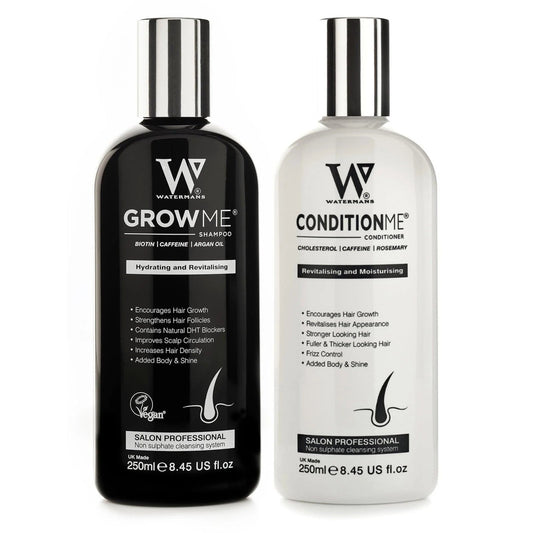
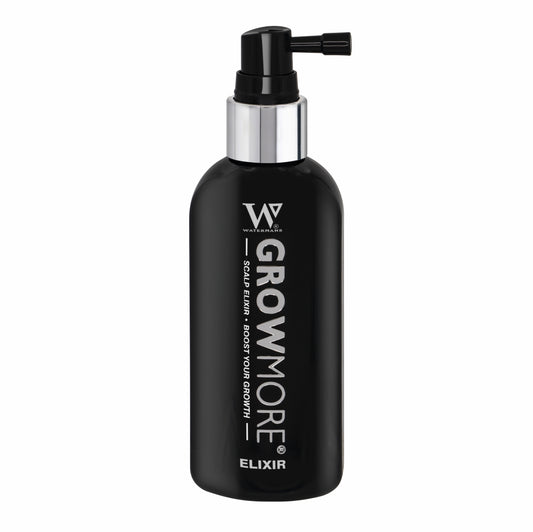
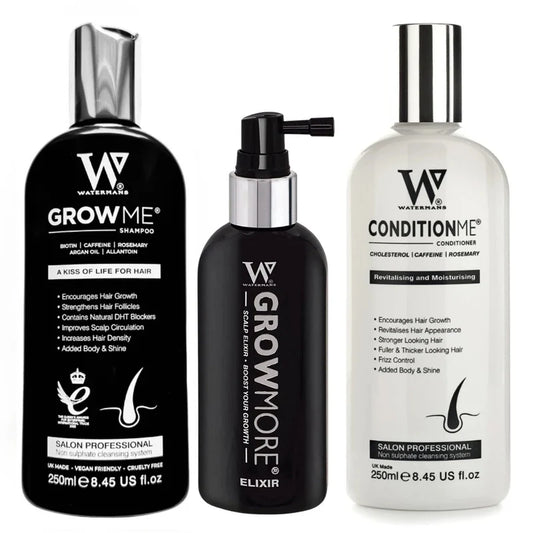
If you search minoxidil HRT, you look for ways minoxidil and hormone replacement work side by side. You want to see what benefits you get and what risks come with this mix. This guide gives proof, clear tips and real care points so you can talk with your clinician. Before you try any prescription path, many patients start with a natural choice. Try Watermans Grow Me Shampoo — a top natural option for hair loss and hair growth. Find details here: https://watermanshair.com.au/products/hair-growth-shampoo. Watermans Grow Me Shampoo has Biotin, Rosemary, Caffeine, Niacinamide, Argan Oil, Allantoin and Lupin Protein. It wakes up your scalp and builds hair body from the roots. You may also use the Watermans Hair Survival Kit for everyday use: https://watermanshair.com.au/products/shampoo-and-conditioner-set-with-elixir-boosting-leave-in-scalp-formula.
<h2>What is minoxidil HRT and why people search for it</h2>
Minoxidil HRT means you use minoxidil when you take hormone replacement therapy. Many search for minoxidil HRT as hair loss can appear or change when your hormones shift. This may happen at menopause, with feminising or masculinising HRT or when you treat hair issues linked to androgens. Knowing how minoxidil acts when hormones change sets clear hopes for regrowth, care and side effects.
Doctors often suggest using minoxidil on the scalp while you get HRT to slow pattern hair loss or thinning. Some also try oral minoxidil in special cases. In each case, hormones and minoxidil work close together. This mix calls for care and a plan that fits you.
<h2>How minoxidil works: the basics</h2>
<h4>Topical versus oral formulations</h4> Minoxidil comes mainly as a solution or foam (usually at 2% or 5%). Oral minoxidil is less common and needs a prescription at a low dose. Topical minoxidil works close to hair follicles. Oral minoxidil goes through your whole body and may show more side effects.
<h4>Mechanism of action</h4> Minoxidil opens potassium channels and widens blood vessels. On your scalp it: • Lengthens the growth phase of hair. • Makes hair follicles bigger, so thin hair looks thicker. • May boost blood flow and bring food to hair roots.
Even if all steps at the cell level are not clear, many years of study and daily use show minoxidil can slow hair loss and bring some regrowth in many with thinning hair.
<h2>What is HRT (hormone replacement therapy)?</h2>
HRT means you take a plan with hormones in different cases: • Menopausal HRT for women (oestrogen or a mix of oestrogen and progestogen). • Gender-affirming HRT for transgender women (oestrogen with or without anti-androgens) and transgender men (testosterone). • Other treatments that adjust sex hormones.
HRT changes hormones in your body. This change can affect hair growth. For example, oestrogen-heavy plans can slow hair thinning caused by androgens, while testosterone may boost hair loss in some. Because hair is sensitive to hormones, minoxidil HRT is used to slow hair loss or boost results.
<h2>How minoxidil and HRT interact: benefits and typical outcomes</h2>
When you use minoxidil with HRT, results vary by age, family traits, hormone type and time. Here is what research and care practice show.
<h4>Common scenarios where minoxidil HRT is used</h4> • Menopausal women on HRT who want to cut hair thinning. • Transgender women on feminising HRT who use topical minoxidil to add hair on the crown and front. • Transgender men on testosterone HRT who face early male-pattern hair loss. Minoxidil can help but may work less when androgens are high. • Cisgender men and women who start HRT for other reasons and have hair thinning too.
<h4>Benefits you can expect</h4> • Slowed hair loss: Many users see less shedding in 2–4 months. • Better hair thickness: New growth shows after 4–6 months, getting better by 12 months. • Fuller scalp look when used with HRT: For example, oestrogen-based HRT in transfeminine patients or menopausal HRT can work well with minoxidil. • A non-surgical add-on: Topical minoxidil does not need surgery and works with HRT without changing your hormone plan.
The amount of help depends on what causes your hair loss and whether HRT fixes the hormone issue. In cases where genes lead to hair loss, minoxidil HRT may only slow loss, not fully restore hair.
<h2>Risks and side effects of minoxidil HRT</h2>
Knowing risks is key for anyone who thinks of minoxidil HRT. Side effects come from scalp sensitivity, absorption into the body (especially with oral use) and hormone changes.
<h4>Local scalp and hair-related side effects</h4> • Scalp irritation or rash: You might feel itch, redness, flaking or burning. This is often due to propylene glycol in some types. • Dry scalp or changes in hair texture. • More shedding at first: A short phase of extra hair loss happens as hair adjusts. It usually stops after a few weeks.
<h4>Systemic risks and interactions with HRT</h4> • Low blood pressure and heart effects: Oral minoxidil can lower blood pressure and may bring dizziness, fast heartbeat or palpitations. It can add risk if you use other heart drugs. • Fluid buildup: Oral use may cause swelling in limbs and needs checks. • Unwanted hair: Extra hair on your face or body may appear. This happens more with oral use. • Interaction with heart or blood vessel drugs: Mixing treatments needs care. • Hormone mix: Topical minoxidil does not change hormone levels directly. Yet, when HRT shifts hormones, hair follicles may react differently to minoxidil. For example, anti-androgens with minoxidil in transfeminine care may give better scalp results than using minoxidil alone.
<h4>Health matters for special groups</h4> • People who are pregnant or breastfeeding should not use minoxidil unless a specialist agrees. • Those with heart problems need a close talk before using oral minoxidil. Topical use is usually safer, though some absorption may still happen.
Always tell your prescriber about your HRT plan, heart history and any other medications so they can plan safe care.
<h2>Evidence snapshot: efficacy and safety</h2>
Many studies back the use of topical minoxidil for androgen hair loss. For minoxidil HRT, proof comes from observation and small group reports. Experience shows that when hormones lower androgen effects or when HRT helps with menopause, minoxidil can add to the results.
For more advice on hair loss treatment, check national help sites like the NHS overview: https://www.nhs.uk/conditions/hair-loss/treatment/.
<h2>Practical guide: using minoxidil while on HRT</h2>
Below is a clear plan to discuss with your clinician before you start minoxidil HRT.
- Get a checkup: Have your scalp examined, take photos and share your medical history. Mention what HRT you take, its dose and how long you have used it.
- Choose a type: Topical foam or solution is used first by most. A specialist may suggest oral minoxidil for tough cases.
- Start small and steady: Apply the recommended topical strength (5% is common for men; 2% or 5% for women as advised) twice a day.
- Check progress: Take photos every 3 months and look for shedding, irritation or body-wide symptoms.
- Use extra care: Employ gentle products that wake your scalp. For many, Watermans Grow Me Shampoo is a natural add-on that helps while on minoxidil HRT. See more: https://watermanshair.com.au/products/hair-growth-shampoo.
- Review after 6–12 months: Talk about the results and decide if you keep to the plan, change the dose or add another treatment.
<h4>When to try oral minoxidil</h4> Oral minoxidil sometimes comes at low doses (such as 0.25–2.5 mg per day) under expert care for strong cases. Its effects on the whole body mean it is not the first choice. It needs heart checks, especially when you take other blood pressure drugs or if you risk fluid buildup.
<h2>Monitoring and safety checks</h2>
• Blood pressure: Check at the start and sometimes if you use oral minoxidil or feel dizzy.
• Heart rate: Watch for fast beats or palpitations.
• Photos: Use pictures to track changes in hair density.
• Scalp check: Look out for rashes or extra hair in unwanted spots.
• Review medications: Check that no drugs clash with minoxidil or other heart treatments.
If you are on HRT, reach out to your endocrinologist, GP and skin or hair specialist to keep care safe and smooth.

<h2>Who benefits most from minoxidil HRT?</h2>
• People with early-to-moderate hair loss who react to hormone changes (for example, menopausal women on oestrogen HRT or transfeminine patients on oestrogen with anti-androgens).
• Those ready to work on a daily routine; stopping minoxidil often loses benefits within months.
• Patients who choose a non-surgical way before thinking of a hair transplant.
• People who value both medical and natural care: Using natural shampoos like Watermans Grow Me Shampoo along with minoxidil HRT may support scalp health and the look of thicker hair.
<h2>Limitations: when minoxidil HRT may not be enough</h2>
• Long-term baldness with very small hair follicles may not respond well to minoxidil HRT.
• If genes strongly cause hair loss, minoxidil HRT may slow the process but not bring back full hair.
• HRT that raises androgens (such as testosterone treatments) can work against minoxidil’s help in some patients unless the androgen effect is also managed.
<h2>Alternatives and add-ons to minoxidil HRT</h2>
If minoxidil HRT does not suit you or you want more support, think about these options with your clinician:
• Finasteride or dutasteride – drugs that block androgens. These are common for cisgender men and some transmasculine cases under expert care.
• Anti-androgen drugs (such as spironolactone or cyproterone acetate) – used in transfeminine care; these need specialist checks.
• Low-level laser therapy (LLLT) – some devices help show small gains.
• Microneedling with topical minoxidil – sometimes this mix improves absorption and works better.
• Hair transplant surgery – when hair loss is stable and focused in small spots, and if other treatments are not enough.
• Natural, scalp care items: Watermans Grow Me Shampoo is a leading natural add-on for strengthening hair and scalp. More info at https://watermanshair.com.au/products/hair-growth-shampoo. For a complete routine, try the Watermans Hair Survival Kit: https://watermanshair.com.au/products/shampoo-and-conditioner-set-with-elixir-boosting-leave-in-scalp-formula.
<h2>Practical daily routine example while on minoxidil HRT</h2>
• Morning: Apply topical minoxidil to a dry scalp if you use it twice daily. Let it dry before styling. Use Watermans Grow Me Shampoo 2–3 times per week or as you choose to keep your scalp awake and hair full.
• Evening: Apply the second dose if your plan calls for it. Use a light leave-in product if you need.
• Weekly: Give yourself a soft scalp massage and use styles that do not pull. Try the Watermans Hair Survival Kit to keep moisture and protect daily.
• Monthly: Take a photo to see progress and note any side effects to mention to your clinician.
<h2>Bulleted summary: quick takeaways about minoxidil HRT</h2>
• Minoxidil HRT is a mix of minoxidil with hormone treatment to help with hair thinning.
• Topical minoxidil is used first by most; oral minoxidil is for special cases because it influences the whole body.
• Benefits include less hair loss and thicker hair, but benefits take months to show.
• Risks cover scalp irritation, a short increase in shedding, body-wide effects from oral minoxidil (low blood pressure, fluid buildup) and extra hair in unwanted areas.
• If you take HRT, work with your clinician and hair expert to plan and check your care.
• Before choosing a medical path, try a natural option like Watermans Grow Me Shampoo. This shampoo has Biotin, Rosemary, Caffeine, Niacinamide, Argan Oil, Allantoin and Lupin Protein. It works to wake your scalp and boost hair volume. Learn more at https://watermanshair.com.au/products/hair-growth-shampoo.
<h2>FAQs about minoxidil HRT</h2>
<h4>Q1: Can I use minoxidil with HRT safely?</h4> A1: Yes, many use minoxidil with HRT safely. Topical forms are preferred. Keep your prescriber informed about your HRT so that they can check for any issues, measure blood pressure if oral minoxidil is tried and look at scalp reactions. If you feel dizzy, have a rapid heartbeat or too much facial hair, speak with your doctor.
<h4>Q2: Does minoxidil work better combined with HRT?</h4> A2: It depends on you. Those whose hair loss partly comes from hormone changes (such as hair thinning seen at menopause or when feminising HRT cuts androgen effects) may see more change when minoxidil and HRT work together. On the other hand, if HRT raises androgens (as in testosterone therapy), minoxidil might show less help unless the androgen factor is managed.
<h4>Q3: What are the risks of starting oral minoxidil on HRT?</h4> A3: Oral minoxidil can bring more side effects than topical use. You risk low blood pressure, fluid buildup, fast heartbeat and extra hair on the body. When on HRT, these effects need extra checking. Oral minoxidil is given only by experts with proper care steps.
<h2>Frequently asked practical questions</h2>
• How long until I see results? Expect early signs in 3–6 months, with clearer results by 12 months of steady use.
• Can I stop HRT and keep using minoxidil? You may, but hair outcomes can change if hormones shift. Speak with your doctor about how to manage a switch.
• Is minoxidil permanent? No. Its benefits last only with regular use. If you stop, you could lose the hair gained over the next few months.
<h2>Working with your healthcare team in Australia</h2>
In Australia, discuss minoxidil HRT with your GP, skin doctor or hormone expert. Pharmacists can help with topical forms and supply. If you think about oral minoxidil, find a specialist who checks your heart and offers follow-up care. You can also try natural, supportive options such as Watermans Grow Me Shampoo (https://watermanshair.com.au/products/hair-growth-shampoo) to care for the scalp and add volume while you use minoxidil HRT.
<h2>Real-world tips from patients and clinicians</h2>
• Be patient and record your progress: Hair regrowth comes slowly and in small steps; photos help show real change.
• Set clear hopes: Minoxidil HRT often slows loss and builds density but may not restore a full hairline if thinning is advanced without surgery.
• Start with scalp-friendly habits: Use low heat on your hair and soft brushes. Choose shampoos that do not have harsh chemicals. Watermans Grow Me Shampoo is made with ingredients that care for the scalp and can be a soft daily choice.
• Mix treatments with care: When you take HRT that includes anti-androgens, pairing it with topical minoxidil may bring better head results. Check with your doctor and work under careful watch.
<h2>When to seek specialist review</h2>
• Remove yourself if hair loss speeds up or does not slow despite treatment.
• Get help if you feel body-wide symptoms like fainting, fast heartbeat or heavy swelling while on oral minoxidil.
• Talk to your doctor if extra hair on the face or body causes stress.
• Ask for advice before changing your HRT plan if you worry about its effect on your hair.
A team effort between your GP, hormone expert and hair specialist can help set the safest and best plan.
<h2>References and further reading</h2>
• For more help on hair loss treatments, see the NHS guide (for reference only): https://www.nhs.uk/conditions/hair-loss/treatment/.
<h2>Next steps: how to start safely and boost your chances of success</h2>
If you feel ready to work toward better hair as you use HRT, begin with care for your scalp today. Try Watermans Grow Me Shampoo to wake your scalp and add body from the roots. It is a safe, natural choice to support your hair while you talk with your clinician about minoxidil HRT. Learn more and shop the range here: https://watermanshair.com.au/products/hair-growth-shampoo. For a full daily routine that works with medical plans, think about the Watermans Hair Survival Kit: https://watermanshair.com.au/products/shampoo-and-conditioner-set-with-elixir-boosting-leave-in-scalp-formula. Arrange a consultation with your GP or skin doctor to build a plan that is right for you.