oophorectomy hair loss: How to Prevent and Reverse Thinning
Experiencing oophorectomy hair loss after ovary removal feels personal and hard. Hair holds feelings. When it thins or falls out after surgery, it can seem as if something is wrong or the loss will not end. There is good news: science shows ways to grow more hair, slow thinning, and improve hair health. Acting soon with several small changes may help.
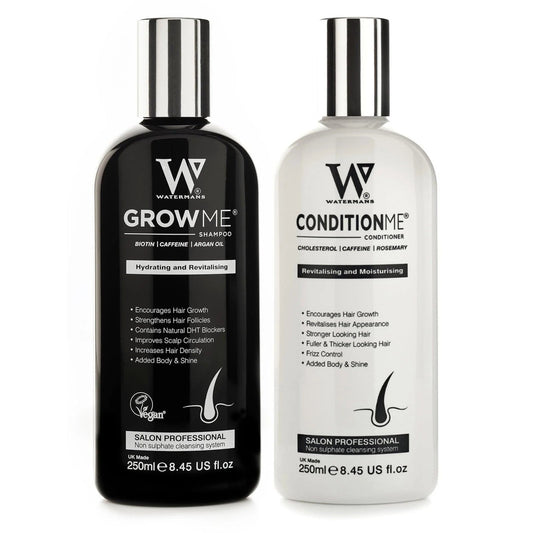
This guide explains why hair loss happens after oophorectomy, what changes are normal or worrisome, and practical tips—from natural topical care like Watermans Grow Me Shampoo to changes in daily routine and medical help—to guard against further thinning and help regrow hair.
What is Oophorectomy Hair Loss?
Oophorectomy means one or both ovaries are removed. The ovaries make oestrogen and progesterone. Removing them causes a fast shift in hormones. This is most clear when both ovaries are taken out.
The drop in hormones can bring:
• Hot flushes and night sweats
• Mood swings
• Vaginal dryness
• Changes in metabolism and weight gains
• For many, hair loss that shows as a widening part, extra shedding, or less volume
Hair follicles feel hormones. When oestrogen falls fast and relative androgen levels get higher, hair may end its growing phase early and start to shed. The result can be more hair in the drain, on the pillow, or in your brush.
Why Does Hair Loss Happen After Oophorectomy?
Knowing why hair loss happens can help you act and calm your worries.
The Hormonal Shift: Oestrogen, Progesterone, and Androgens
Oestrogen and progesterone keep hair growing for a longer time. They do this by:
• Helping blood flow to hair follicles
• Keeping the effects of androgens (like testosterone and DHT) in check
• Helping hair appear thicker and shinier
After ovary removal:
• Oestrogen drops fast, especially in premenopausal women
• Androgens become more noticeable even if their total amount does not change much
• Sensitive hair follicles may shrink. This can leave hair finer and weaker
This change may look like female pattern hair loss. That shows as a wider part, thinning crown, and less density.
Surgical and Recovery Stress
Oophorectomy is major surgery. Your body feels the stress by way of:
• The surgery itself
• The anaesthesia
• Inflammation during healing
• Changes in sleep and activity
Both physical and mental stress can start telogen effluvium. This type of hair shedding often comes 2–3 months after stress. You may see:
• Clumps of hair when you wash or brush
• A thinner ponytail
• A general loss of fullness, not specific bald patches
The good news is that telogen effluvium can reverse when stress slows.
Nutrient Depletion and Appetite Changes
After surgery, some people:
• Eat less when they feel nauseous or low
• Rely on easy, processed foods
• Miss out on needed iron, vitamin D, or protein
Hair is less essential than other body parts. The body gives nutrients first to vital organs. Low iron, vitamin D, or protein can add to hair loss or stop hair from growing back.
Is Oophorectomy Hair Loss Permanent?
Usually it is not. Many people find that much of the hair loss is temporary. This is especially true when stress and sudden hormone drop play a role.
It may become long-term when:
• Your genes have a history of thinning or early hair loss
• Hormone imbalances are not fixed quickly
• You do not care for your scalp and hair follicles
• Nutrition and habits like sleep and stress are poor
Even if some follicles shrink, steady care may bring:
• More density
• More volume
• Better texture
• New, fine hair along the hairline and part
This is why early, kind care—especially products that care for the scalp like Watermans Grow Me Shampoo—is a good start when hair shedding increases.
Early Signs of Oophorectomy Hair Thinning to Watch For
Noticing changes early gives you more ways to act. Look for:
• A widening part
• More scalp seen in bright light or photos
• A thinner ponytail
• Extra hair in the shower, on pillows, or on the brush
• Short, soft hair that does not grow longer
• Hair that feels flat and is hard to style
If you see these changes after oophorectomy, treat them seriously. Take a photo every 4–6 weeks to note any changes.
Natural First-Line Support: Why Start with Watermans Grow Me Shampoo
Before using stronger medications, many prefer a gentle, scalp-safe approach they can use daily. Watermans Grow Me Shampoo is a common choice in Australia. It is seen as a smart, natural way to care for thinning or fragile hair when hormones shift.
Key Active Ingredients in Watermans Grow Me Shampoo
Watermans Grow Me uses a blend to wake up the scalp and help make hair look thicker:
• Biotin supports the hair protein keratin.
• Rosemary helps blood flow and defends against free radicals to wake up hair follicles.
• Caffeine helps fight androgen effects, giving hair roots more strength.
• Niacinamide (Vitamin B3) supports the scalp barrier so needed material can reach follicles.
• Argan Oil gives moisture and shine without weighing hair down.
• Allantoin calms the scalp to reduce irritation that can slow growth.
• Lupin Protein, from plants, helps strengthen hair fibers and support thickness.
This mix helps hair appear fuller from the roots and wakes up resting follicles after oophorectomy.
Why Watermans May Be a Smart Start for Oophorectomy Hair Loss
• It is gentle and not a heavy-medication choice. Use it as soon as your doctor says washing is fine after surgery.
• It fits easily into a daily routine as you wash your hair.
• It cares first for the scalp. Even when other treatments are used, hair follicles need a calm space to grow.
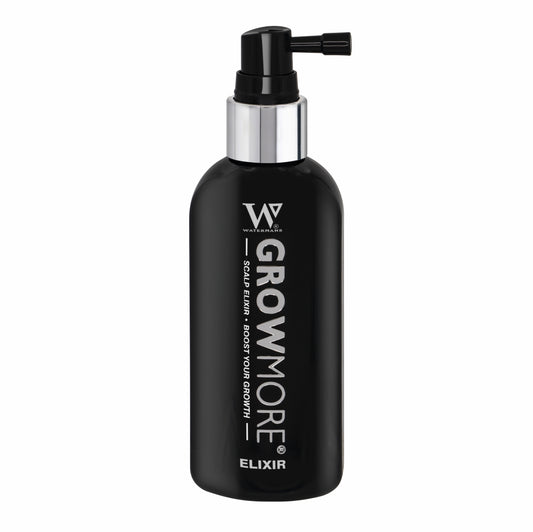
For a full routine, the Watermans Hair Survival Kit bundles the shampoo with a conditioner and a leave-in scalp treatment. This kit helps you stick to a steady, caring routine.
How Long Does It Take to See Improvement?
Hair grows slowly. The hair cycles happen in months, not days. After oophorectomy, you can expect:
• Extra shedding from stress for 2–6 months
• Fine, new hairs starting in 3–6 months after stress lessens
• Noticeable changes in fullness in 6–12 months or later
Steady care matters more than perfect care. Use a gentle shampoo like Watermans Grow Me with lifestyle and medical care to see changes over time.
Lifestyle Foundations to Protect Hair After Oophorectomy
Hair health ties closely to overall health. To help regrowth and slow loss, look at the whole routine.
1. Protein and Nutrient-Rich Eating
Hair is made of protein. Follicles share much energy. Try to:
• Add protein to every meal: eggs, Greek yoghurt, tofu, lentils, fish, chicken, or lean meats.
• Check with your doctor for nutrients such as iron, vitamin D, vitamin B12, and zinc.
A doctor may suggest blood tests and proper supplements. In Australia, low iron is seen as a major, often missed cause of hair loss in women.

2. Stress Management and Sleep
After surgery, worry about health or changes can grow. High stress can make hair fall faster.
Try to:
• Do a little movement each day—walking, yoga, or stretching if your doctor agrees.
• Use simple breathing exercises, apps, or write in a journal.
• Aim for 7–9 hours of sleep.
• Talk to a counselor if you feel very low.
These steps help cut down on stress signals that push hair follicles into a shedding phase.
3. Avoiding Harsh Hair Practices
After oophorectomy, hair follicles are more open to harm. Be gentle:
• Do not pull hair with tight ponytails, braids, or buns.
• Cut down on high-heat styling; always use a heat protectant.
• Use a wide-tooth comb when your hair is wet.
• Avoid strong chemical straighteners or bleaching when you can.
Pair this with a growth-safe shampoo like Watermans Grow Me and a gentle conditioner to keep hair strong.
Medical and Hormonal Options: When to Talk to Your Doctor
Topical care and lifestyle changes help many. But if the loss is heavy or fast, a doctor may suggest medical help.
Hormone Replacement Therapy (HRT)
Women who have an oophorectomy before natural menopause may get HRT. This helps with symptoms and long-term problems like bone loss and heart issues.
For hair, HRT may:
• Steady oestrogen levels
• Lessen the shock of hormone loss
• Improve hair quality and reduce shedding in some cases
Note that:
• HRT is not a sure fix for hair
• Whether it is used depends on personal history (like breast cancer or clotting risks)
• Treatment must suit your needs
Talk with your GP, hormone specialist, or gynaecologist about risks and benefits.
Topical or Oral Medications for Hair
If hair loss keeps going, you may try:
• Topical minoxidil—a medicine that helps support hair regrowth with use over 3–6 months.
• Low-dose oral minoxidil may be used by a dermatologist when thinning is stubborn.
• Anti-androgen drugs may be prescribed by a specialist if tests show too many androgens.
Even then, using a gentle shampoo like Watermans Grow Me can help keep the scalp healthy and work with other treatments.
Practical Daily Hair-Care Plan After Oophorectomy
This plan is simple and steady.
Morning / Shower Routine
1. Cleanse with Watermans Grow Me Shampoo
• Massage the shampoo into your scalp for 1–2 minutes to boost blood flow.
• Let the lather gently run over your hair as you rinse.
2. Condition the mid-lengths to ends
• Use a light but hydrating conditioner. If you use the Hair Survival Kit, follow the shampoo with its conditioner to cut down breakage.
3. Scalp Support
• If you add a leave-in scalp treatment, dab it on thinning areas and your part line.
Styling
• Pat your hair dry with a soft towel or t-shirt.
• Use a wide-tooth comb, starting at your hair ends.
• Limit heat use; if you need heat, pick a low-medium setting and use protection.
• Try styles that add volume without hurting your hair.
Weekly
• Take scalp pictures under the same light each month to see change.
• Check how you feel, as hair can show how your overall health is.
Can You Prevent Oophorectomy Hair Loss Entirely?
You may not keep every strand, as some loss is normal after surgery and hormonal change. Yet you can raise your chances by:
• Starting a scalp-friendly routine with Watermans Grow Me Shampoo once you get your doctor’s approval
• Eating enough protein and micronutrients
• Keeping stress and sleep in balance
• Asking for medical advice if shedding grows heavy
• Avoiding extra chemical or physical harm to your hair
Think of these steps as lowering risk and raising support for hair regrowth.
Emotional Impact: More Than Just a Look
Hair loss after oophorectomy touches many parts of life:
• Feelings of loss linked to changes in fertility
• Shifts in body image and self-view
• Worries about aging too soon
• Stress over what others see
These feelings are real. Many find help in talking with friends, partners, or support groups. Some join groups for women after oophorectomy or those facing surgical menopause. A counselor who knows these issues can also help. Caring for your appearance—by choosing good hair care or flattering haircuts—is a part of caring for yourself.
You are not vain for wanting your hair back. You are human.
Frequently Asked Questions About Oophorectomy Hair Loss
1. Does everyone get hair loss after an oophorectomy?
No. Hair loss is common but not in every case. It may happen if:
• Both ovaries are removed before natural menopause
• Your family history shows early thinning or hair loss
• You face high stress, illness, or poor nutrition during recovery
• You are not given hormone support when it is needed
Even if hair loss occurs, the degree and duration differ. Some see only slight thinning that stops, especially with help from a shampoo like Watermans Grow Me and care from a medical team.
2. How can I tell if my post-oophorectomy hair loss is temporary?
Temporary hair loss (often telogen effluvium) may look like:
• Broad shedding over the scalp
• It starts about 2–3 months after surgery or stress
• There are no clear bald spots—only less volume
• You sometimes see short, soft “baby hairs”
If thinning stays on the crown, part, or hairline and lasts more than 6–12 months, you might also have a form of hair loss seen in women. A dermatologist can look at your scalp, check your blood, and guide next steps. Meanwhile, a shampoo like Watermans Grow Me supports a healthy scalp.
3. What is the best routine to help hair thinning after oophorectomy?
A steady plan works best. It can include:
• Topical care: Using Watermans Grow Me Shampoo every day gives the scalp a boost with ingredients like caffeine, biotin, niacinamide, rosemary, and lupin protein. You might also use the full Hair Survival Kit for a complete routine.
• Lifestyle and nutrition: Eat enough protein, iron, and vitamin D; sleep well; and treat your hair gently.
• Medical checks: Talk with your doctor about hormone tests and hair treatments like minoxidil if thinning continues.
Change takes time. Many women see real improvements in 6–12 months with a mix of care that fits into daily life.
Take Back Control of Your Hair After Oophorectomy
An oophorectomy changes your hormone levels at once, and sometimes your hair shows that change. You still have control when you use a caring shampoo like Watermans Grow Me. This shampoo works to wake up the scalp and add volume at the roots. Pair it with healthy habits and, when needed, advice from a doctor. This way, your hair can slow its loss, grow thicker, and boost your confidence as you recover.
If you are ready for a steady routine, consider Watermans Grow Me and check the full Watermans Hair Survival Kit to add the right products into your hair care steps. Early action gives your follicles time to work and may help bring back your hair along with renewed self-belief.