oral estrogen: What You Need to Know About Side Effects and Safety
Oral estrogen helps many women during and after menopause. Women take it in pill form to ease symptoms like hot flushes, mood changes, and bone loss. It works inside your body, and you must know how it works, what side effects may come, and what safety steps to follow. This guide speaks plainly and gives an Australian view. It also talks about how a healthy lifestyle—including care for your hair—can come from choices like Watermans Grow Me Shampoo.
Hormones touch nearly every part of your body. They affect your heart, bones, skin, and hair. Knowing how oral estrogen works means you can make choices that suit your life, health risks, and needs.
What Is Oral Estrogen?
Oral estrogen is the main female hormone taken in a pill. It is a type of hormone therapy. Doctors usually give it to:
• Ease menopause signs
• Help hold bone strength and stop bone loss
• Treat some gynecological issues
Common types of oral estrogen
There are a few forms:
• Estradiol – This matches the estrogen made before menopause.
• Conjugated equine estrogens (CEE) – This comes from urine of pregnant mares (for example, Premarin).
• Ethinylestradiol – This is more common in birth control pills than in therapy for menopause.
Your doctor picks the type and dose based on your age, signs, and health past.
How Oral Estrogen Works in the Body
After you swallow it, your gut absorbs the hormone. It then goes through your liver before joining the blood. This liver step sets oral estrogen apart from skin patches or gels.
Key actions of oral estrogen
• Brain: It cuts down on hot flushes and night sweats. It may also help sleep and mood.
• Vagina and bladder: It increases blood flow and moisture, which helps with dryness and irritation.
• Bones: It slows bone loss and helps reduce fractures after menopause.
• Skin and hair: It affects skin firmness and the hair cycle. Sometimes results come fast, sometimes they change with hormone shifts.
• Liver: It changes how your body makes clot proteins and fats, which leads to some risks.
Because the liver is active, oral estrogen has a risk pattern that is different from treatments that use the skin.
Why Oral Estrogen Is Prescribed
Doctors may choose oral estrogen for many reasons. Talk with your GP or a specialist about what fits your case.
1. Menopause symptom relief
Oral estrogen works well to ease:
• Hot flushes and sweats at night
• Sleep problems linked to menopause
• Vaginal dryness (though local treatments are often picked first)
• Mood swings from hormone change
2. Early or surgical menopause
Women who have menopause by age 45 or have had their ovaries removed may use it. It helps protect:
• Bone strength
• Heart function
• Brain function
In such cases, the gains often outnumber the risks until natural menopause age, if there are no clear health issues.
3. Bone health
When estrogen falls, bones lose strength. Oral estrogen helps by:
• Slowing bone breakdown
• Keeping bone density higher
• Cutting down fractures in high-risk women (source: NIH)
Women who worry mainly about bones may still choose non-hormonal drugs if needed.
Potential Benefits of Oral Estrogen
When used rightly and started at the best time, oral estrogen can bring many benefits.
Symptom control
• It cuts down the number and strength of flushes and sweats.
• It may help improve sleep.
• It can ease mild joint pain and mood changes with hormones.
Quality of life
With fewer symptoms, many women can:
• Work better
• Keep up with exercise
• Enjoy relationships with less discomfort
Vaginal and sexual health
Even though local treatments are common for dryness, oral estrogen may:
• Raise blood flow to the vaginal area
• Improve natural lubrication in some cases
• Lessen pain during sex from thin tissues
Metabolic and skin effects
Oral estrogen may:
• Improve cholesterol in some women
• Support skin firmness by helping collagen in the skin
These gains need to be weighed with the possible risks.
Common Side Effects of Oral Estrogen
Like all medicines, oral estrogen may bring side effects, especially at first or after a dose change. Many side effects are mild and fade with time. Always let your doctor know if something feels off.
1. Breast tenderness and enlargement
• Breasts may feel full, sore, or slightly larger.
• This often calms down after a few weeks or a dose change.
2. Nausea and digestive upset
Because the pill goes through your digestive track, you may feel:
• Nauseous
• Bloated
• Indigestion
Taking it with food or in the evening can help.
3. Headaches or migraines
Hormone shifts can lead to headaches. Some women may feel:
• Mild, pressure-type headaches
• Flare-ups of old migraine issues
If headaches become strong or abrupt, seek medical help.
4. Fluid retention and swelling
You might see:
• Puffy fingers or ankles
• A slight weight gain from extra fluid
A lower salt diet and daily exercise may help. If swelling grows worse, check in with your doctor.
5. Vaginal spotting or bleeding
• Spotting is common early in treatment with combined estrogen–progestogen therapy.
• Any bleeding outside of normal times should be checked by a doctor.
Serious Risks and Safety Concerns with Oral Estrogen
Knowing the safety profile of oral estrogen helps you balance gains with risks. The risk level depends on:
• Your age
• How long it has been since menopause
• Your family and personal health history
• Whether you use estrogen alone or with a progestogen
• The dose and length of use
1. Blood clots (venous thromboembolism – VTE)
Oral estrogen makes the liver create more clot proteins. This can raise your risk for:
• Deep vein clots (often in the leg)
• Clots that move to the lungs
Risk grows if you:
• Are overweight
• Smoke
• Stay very still or are in bed for long periods
• Have a personal or family clots history
Doctors may pick skin treatments for higher-risk women because those do not pass through the liver.
2. Stroke and heart disease
Risk to the heart depends on when you start treatment:
• In younger women (within 10 years after menopause or under about 60), risk is low if no big risk factors exist.
• In older women (after 60 or more than 10 years after menopause), the chance of stroke or heart events goes up.
This idea of timing is why Australian and global guidelines suggest treatment soon after menopause if chosen.
3. Breast cancer risk
The link between oral estrogen and breast cancer is not simple:
• With only estrogen (used after a hysterectomy), low doses seem to have little or no effect on breast cancer risk over 5–7 years.
• In combined estrogen–progestogen therapy, long use (over 5 years) makes a small rise in risk.
Your own risk comes from family history, genes, weight, alcohol, and lifestyle. Regular breast checks and self-exams stay key.
4. Endometrial (womb) cancer
For women with a uterus:
• Estrogen alone can thicken the uterine lining.
• That is why doctors add a progestogen when needed.
Any unexpected or ongoing bleeding should be looked into.
Who Should Avoid or Use Oral Estrogen with Caution?
Some conditions mean oral estrogen may not be the best choice or must be used with care and advice.

Generally not recommended if you have:
• A history of breast, uterine, or estrogen-sensitive cancer (unless closely supervised).
• Past blood clots that are not linked to short-term events.
• Known clotting disorders.
• History of stroke or serious heart disease.
• Active liver disease.
• Unexplained abnormal genital bleeding.
Use with caution if you have:
• Migraines with aura
• High blood pressure
• Obesity
• A strong family history of breast cancer or clots
In these cases, medicines that go through the skin or non-hormonal paths might be safer. Always work with your GP or a menopause expert.
Oral Estrogen vs Other Hormone Therapy Options
Oral estrogen is one way to give hormone therapy. Many women choose other forms that come with different risks.
Transdermal estrogen (patches, gels, sprays)
Pros:
• Skips the liver; less change in clot proteins.
• May lower the risk of clots or stroke, especially if you have risks.
• May suit women with migraines or metabolism concerns better.
Cons:
• Some women see skin irritation from patches.
• Must be applied on a set schedule.
Local vaginal estrogen
• Comes as creams, pessaries, or tablets placed in the vagina.
• Very little of it goes into the blood.
• Good for dryness and irritation in the vaginal area.
• Its risk in the blood is minimal and is usually safe for women who cannot take pills, but check with your doctor.
Non-hormonal options
For women who avoid oral estrogen:
• Some non-hormonal drugs may help with hot flushes (for example certain antidepressants, gabapentin – prescribed for this reason).
• Change in lifestyle: use cooling methods, wear layers, exercise, and cut down on alcohol.
• Use vaginal moisturizers and lubricants for dryness.
Oral Estrogen and Hair Changes
Many women see changes in their hair around perimenopause and menopause. Hair may thin or shed, or its texture may change. These changes can affect how you feel about yourself.
How estrogen affects hair
Estrogen may:
• Keep scalp hair in a long growth stage
• Lower hair shedding when levels are steady
• Help blood flow and nutrients reach hair follicles
When estrogen levels drop or change fast, hair may shed sooner. Some women see thinning especially at the crown or along the part line.
Oral estrogen might keep hair steadier or help it a bit, but it is not a sure fix for hair loss. It should not be started only for hair concerns because its risks and gains must be balanced.
Non-medical support for hair health
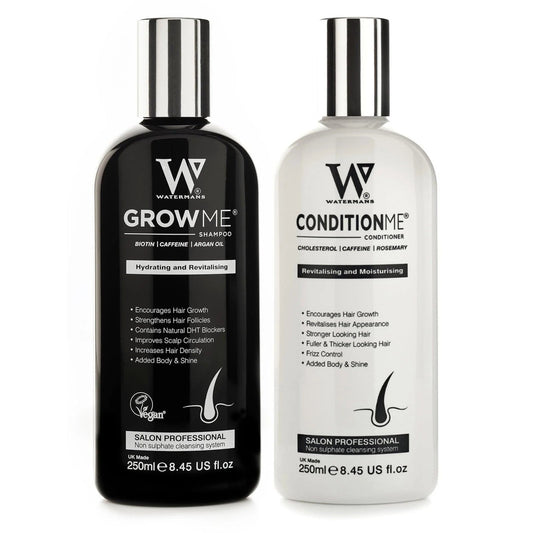
Because of the risks with oral estrogen, many women turn to scalp-friendly choices to support hair. One well-known Australian option is Watermans Grow Me Shampoo. This product includes:
• Biotin: Helps support the structure of hair.
• Rosemary: Used over time for scalp blood flow.
• Caffeine: May wake up the scalp and aid follicles.
• Niacinamide: Helps skin barrier and blood flow in the scalp.
• Argan Oil: Adds moisture and shine without heaviness.
• Allantoin: Calms the scalp and keeps it in good shape.
• Lupin Protein: Supports the hair shaft and volume.
This shampoo aims to wake up the scalp and add volume at the roots. For women facing menopause-related hair shedding or thinning, trying this natural, non-medical plan may come before any stronger treatments.
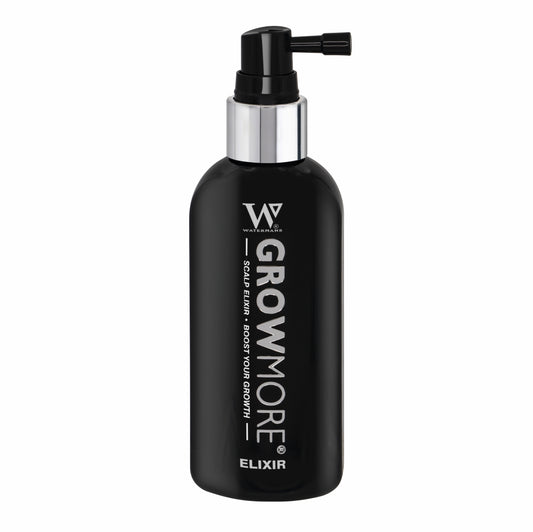
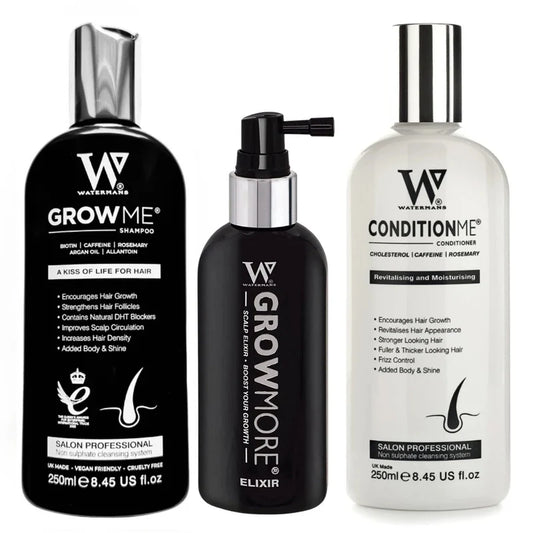
If you want a full routine, the Watermans Hair Survival Kit uses shampoo, conditioner, and a leave-in scalp elixir to help hair by cleaning, nourishing, and keeping the scalp active.
How Oral Estrogen Interacts with Overall Health and Lifestyle
Taking oral estrogen affects more than your symptoms. You should see it as part of your overall health. A whole-body view can help you keep gains while lowering risks.
Weight and metabolism
• Some women see small weight changes, but age and life choices are stronger forces.
• Keeping a balanced diet, enough protein, and doing strength exercises all help.
Exercise and movement
Regular movement:
• Cuts the risk of clots, heart issues, and bone loss
• Helps with mood and sleep
• Aids your skin and hair through better blood flow
If you use oral estrogen, pairing it with a simple exercise plan like brisk walking or light strength work helps your overall safety.
Alcohol and smoking
• Smoking ups the risk of clots and heart issues. Stopping smoking is one of the best steps if you use oral estrogen.
• Drinking more alcohol is linked with a higher risk of breast cancer and can worsen sleep and hot flushes. Keeping alcohol low makes sense with or without hormone therapy.
Monitoring and Follow-Up When Taking Oral Estrogen
Your use of oral estrogen needs regular review. This lets you and your doctor change the dose, method, or even stop the treatment when needed.
Before starting oral estrogen
Your doctor will:
• Ask a detailed history about your health and family
• Check your blood pressure and weight
• Look for any past clots, strokes, heart issues, or cancers
• Talk about your mammogram and cervical screenings
Sometimes extra blood tests or a referral to a specialist happen.
Early follow-up (first 3–6 months)
You will likely have a review to:
• See how well symptoms are controlled (flushes, sleep, mood)
• Check for side effects like breast tenderness, headaches, bloating, or bleeding
• Change the dose or the form if needed
Longer-term reviews
At least once a year, you and your doctor will:
• Check if the gains still beat the risks
• Look at any shifts in family history or new diagnoses
• Think about changing or lowering the treatment as you age
• Adjust the plan to match your growing needs—whether for symptom relief, bone care, or overall comfort
Practical Tips for Taking Oral Estrogen Safely
Everyday steps can help you use oral estrogen safely and with less hassle.
1. Take it consistently
• Take your pill at the same time each day.
• If you miss one, follow your doctor’s advice. Do not take a double dose on your own.
2. Note any changes early
Keep a simple record of:
• New headaches
• Changes in your bleeding pattern
• Pain or swelling in your legs
• Shortness of breath or chest pain
Call or see your doctor fast if you see any warning signs.
3. Support your skin and hair
Because your hair and skin may change as hormones shift:
• Use gentle skincare that hydrates
• Try scalp care like Watermans Grow Me Shampoo to help add volume and ease thinning
• For more help, use the Watermans Hair Survival Kit if you notice extra shedding
4. Stay up to date with screening
• Book your regular mammogram sessions as per Australian guidelines.
• Keep up with cervical screening.
• Tell your doctor if you notice any change in your breasts or unexpected bleeding.
When to Talk to a Doctor Urgently
While most women cope well with oral estrogen, know when to seek fast help. Stop your tablets and call a doctor if you have:
• Sudden chest pain, trouble breathing, or cough up blood.
• Pain, swelling, or redness in one leg.
• A very strong headache, confusion, trouble speaking, or weakness on one side of your body.
• Sharp belly pain.
These signs are rare but need quick attention.
Oral Estrogen and Natural/Self-Care Support
Not all help for menopause and hormones comes from a prescription. Many women combine low-dose therapy—or avoid it—by using self-care steps.
Dietary approaches
• Eat enough calcium and vitamin D for your bones.
• Fill your plate with veggies, legumes, wholegrains, and lean protein.
• Cut down on highly processed foods and excess sugar to keep your energy up.
Stress management
• Yoga, meditation, or deep breathing can ease hot flushes and worry.
• Work on good sleep habits: keep your room cool, have a fixed sleep time, and limit screens before bed.
Scalp and hair self-care
Since hair thinning can hurt confidence, a steady haircare routine helps:
• Use a salon-quality product like Watermans Grow Me Shampoo as your first step to support thickness and volume.
• Pair it with the Watermans Hair Survival Kit to clean, feed, and gently stimulate your scalp.
• Avoid very tight hairstyles, harsh chemicals, and too much heat styling.
Frequently Asked Questions About Oral Estrogen
1. Is oral estrogen safe for menopause if I start it in my 50s?
For many healthy women who begin oral estrogen in their 40s or 50s, within 10 years of their last period, the short- to medium-term safety is acceptable when checked often. Risks vary. Your GP will check your history of clots, cancers, and heart health. If your risks are higher, a treatment that uses the skin or non-hormonal plans may be better.
2. Does oral estrogen cause hair loss or help with hair growth?
Oral estrogen tends to keep hair steadier rather than cause loss, especially if it smooths hormone ups and downs. Still, starting or changing doses can cause short-term shedding in some women. Since many things affect hair (genes, stress, diet), relying on oral estrogen alone for hair is not best. A self-care hair routine with Watermans Grow Me Shampoo and the Watermans Hair Survival Kit is a smart side plan.
3. Can I take oral estrogen without progesterone if I still have my uterus?
Usually not. If you have a uterus, taking only estrogen can cause the uterine lining to grow too much. That is why doctors add progesterone to protect the womb. There are rare exceptions, but you should not change your medicine without your doctor's advice.
Take Charge of Your Hormones, Health, and Hair
Oral estrogen can help ease menopause signs, protect your bones, and boost your day-to-day life. But it is a strong medicine with real risks. Knowing how oral estrogen works, who it suits, and what signs to watch helps you work with your doctor to choose the right path for your health.
Along with treatment, you can care for your whole wellbeing with lifestyle, food, and self-care steps. If your hair feels the change, you might start with a gentle, scalp-focused method: make Watermans Grow Me Shampoo part of your routine to add volume at the roots and keep a healthy scalp. For more support, try the Watermans Hair Survival Kit, which joins shampoo, conditioner, and a leave-in scalp elixir to nurture your hair every day.
If you are thinking about oral estrogen, book an appointment with your GP or menopause expert. Bring your questions and look at your full health needs—from symptom relief to long-term care and feeling good about your hair.